
The Science of Baking: Why Recipes Work
Baking is one of the most magical processes in the culinary world; it transforms simple ingredients into delectable treats that warm our hearts and fill our homes with delightful aromas. For many home cooks, baking can seem like an unyielding science—precise and unforgiving. While the adage "a pinch of this and a dash of that" may work in some scenarios, baking is ultimately grounded in science. Understanding why recipes work the way they do empowers home bakers to innovate, troubleshoot, and create with confidence.
At the heart of baking is the interaction between ingredients, temperatures, and techniques. Each component plays a critical role in the final outcome. From the proteins in flour to the sugars in sweeteners, every element contributes to the complex chemistry at play inside an oven. For example, when we mix flour and water and apply heat, we trigger gluten development, which gives bread its structure. Conversely, in cakes, we aim for a softer crumb, focusing more on aeration and tenderness rather than sheer strength. These nuances illustrate the dual nature of baking: both an art and an empirical practice reliant on well-defined principles.
As we delve into the science behind baking, we will explore various fundamental elements—ranging from the properties of ingredients to the impact of temperature and techniques on texture and flavor. With a solid grasp of these concepts, you can elevate your baking, whether you’re making cookies, bread, cakes, or pastries. So, let’s unravel the mysteries of baking and gain the knowledge needed to master the craft.
The Building Blocks: Key Ingredients in Baking
To understand baking more deeply, we need to start with the key ingredients that form the backbone of most recipes. Each ingredient serves a specific function and contributes to the overall structure, flavor, and appearance of baked goods.
Flour: The Backbone of Baking
Flour is the primary ingredient in most baked goods, and it’s essential to understand the type of flour you’re using. Different flours have varying protein content, affecting the strength and texture of the final product. Here’s a quick breakdown:
Gluten is a protein found in wheat flour that forms when flour is mixed with water. The gluten network provides structure to baked goods and traps air bubbles during leavening, helping them rise.
“Understanding flour types is essential to mastering the texture of your baked goods. Choose wisely based on your desired outcome.”
Sugar: Sweetness and Browning
Sugar is not just for sweetness. It acts as a humectant, helping to retain moisture in baked goods, and plays a critical role in browning through the Maillard reaction or caramelization. Here’s how different sugars contribute:
When baking cookies, for instance, using a combination of sugars can create complexity in flavor and texture. Granulated sugar provides spread, while brown sugar contributes moisture and chewiness.
Fats: Flavor and Texture
Fats, whether butter, oil, or shortening, are essential for adding richness and flavor. They coat flour proteins, inhibiting gluten formation, which results in a more tender crumb. Here’s a closer look at common fats:
The temperature of fats also plays a crucial role in the texture of baked goods. For instance, using cold butter creates a flaky texture in pie crusts, while softened butter is better for airy cakes.
“Fats are not just flavor enhancers; they are critical for creating the right texture in your baked goods. Pay attention to temperature!”
Eggs: The Multifaceted Ingredient
Eggs provide structure, moisture, and richness to baked products. When beaten, eggs aerate the mixture, contributing to leavening. There are several key factors to consider:
When creating a soufflé, for instance, the egg whites are beaten until they form stiff peaks and are carefully folded into the base, providing the necessary lift during baking.
Leavening Agents: The Rise of Baked Goods
Leavening agents are critical for creating the texture we love in baked goods, as they produce gas to cause rising. There are three primary types:
Understanding how leavening agents work will help you tweak recipes for desired textures, whether you prefer light and airy cakes or denser breads.
The Role of Temperature: Science in Baking
Temperature plays a critical role in baking, influencing everything from the development of gluten and the behavior of fats to the rise and browning of baked goods. Knowing how to control temperature at different stages is key to mastering the art of baking.
The Oven: Your Baking Environment
The oven is perhaps the most critical piece of equipment in baking, and understanding its workings can greatly impact your results. The baking temperature can range typically between 325°F (163°C) and 450°F (232°C), depending on the desired outcome.
Professional Tip: Invest in an oven thermometer to ensure your oven is reaching and maintaining the temperature you set. Many ovens can be inaccurate, leading to inconsistent results.
Ingredient Temperatures
In addition to oven temperatures, the temperature of ingredients can significantly affect the outcome of your baked goods. Here’s how:
Cooking Tip: For quicker integration, place eggs in warm water for about 10-15 minutes to bring them to room temperature before use.
Cooling: The Final Touch
Cooling baked goods thoroughly is just as vital as baking them. Cooling allows flavors to develop further and prevents sogginess. Here are tips for effective cooling:
While this may seem straightforward, properly cooling baked goods can sometimes be overlooked, leading to disappointing or uneven textures.
Understanding Baking Times: Perfecting Your Craft
The time a baked good spends in the oven varies widely based on the type of product and its size. Knowing how to gauge doneness is crucial for success in baking.
General Baking Times
Here’s a rough guide to baking times based on common baked goods:
“Timing is everything in baking. Trust your recipes, but also learn to recognize signs of doneness in different baked goods.”
The Toothpick Test
A simple yet effective method to check for doneness is the toothpick test. Insert a toothpick in the center of the baked good:
Adjusting for Size and Shape
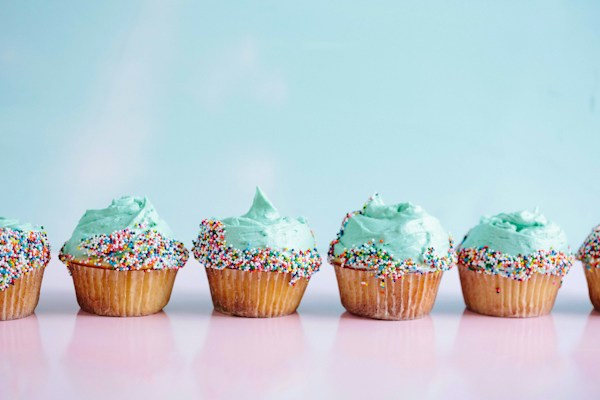
Larger or smaller versions of baked goods require adjustments to baking times. For example, if you are baking cupcakes instead of a standard cake, reduce the time by about a third, as the smaller size allows for quicker baking.
Knowing these adjustments helps avoid the frustration of underbaked or overbaked products.
Flavor Development: The Delicious Science
Flavor in baking is a complex interplay of ingredients, chemistry, and time. While sugar adds sweetness, other components contribute to the overall profile of your baked goods.
The Role of Acidity
Acidic ingredients not only affect flavor but also enhance textures and aromas. For example:
Understanding how to incorporate acids while balancing them with sweet and savory flavors will elevate your baked goods.
The Maillard Reaction and Caramelization
When baked goods are exposed to heat, two key processes occur that contribute to color and flavor:
These reactions highlight how baking is much more than just mixing together ingredients—it’s a transformation of those ingredients into something entirely new.
Infusions and Extracts
To enhance or modify flavors, bakers often use extracts or infusions. Common extracts include:
When using extracts, be cautious with quantities—generally, 1 teaspoon of extract per cup of flour is a good starting point. Taste your batters and adjust as needed.
Troubleshooting Common Baking Issues
Even seasoned bakers encounter hurdles in the kitchen. Knowing how to troubleshoot common problems can save your dish and your spirits.
Hard or Dense Textures
If your baked good turns out harder or denser than expected, consider these factors:
Uneven Browning
Uneven browning often results from hot spots in the oven or incorrect pan placement. Here’s how to ensure a more even bake:
Sunken Centers in Cakes
A sunken center often indicates an underbaked cake or too much leavening. To avoid this:
Additionally, ensure that your oven is preheated adequately before placing your baked goods inside.
Conclusion
Understanding the science of baking empowers you to approach this culinary art with confidence and creativity. By knowing the roles of each ingredient and how temperatures, timing, and techniques affect the science behind the process, you can tweak and innovate on classic recipes. The beauty of baking is in its precise nature balanced with the freedom to explore and create.
The next time you find yourself in the kitchen, remember that every measure and mix is part of a carefully orchestrated dance of science and art. Embrace the chemistry of baking, and continue to experiment and learn. Happy baking!

Get the Next Recipe
Weekly recipes, techniques, and gear picks — straight to your inbox.
