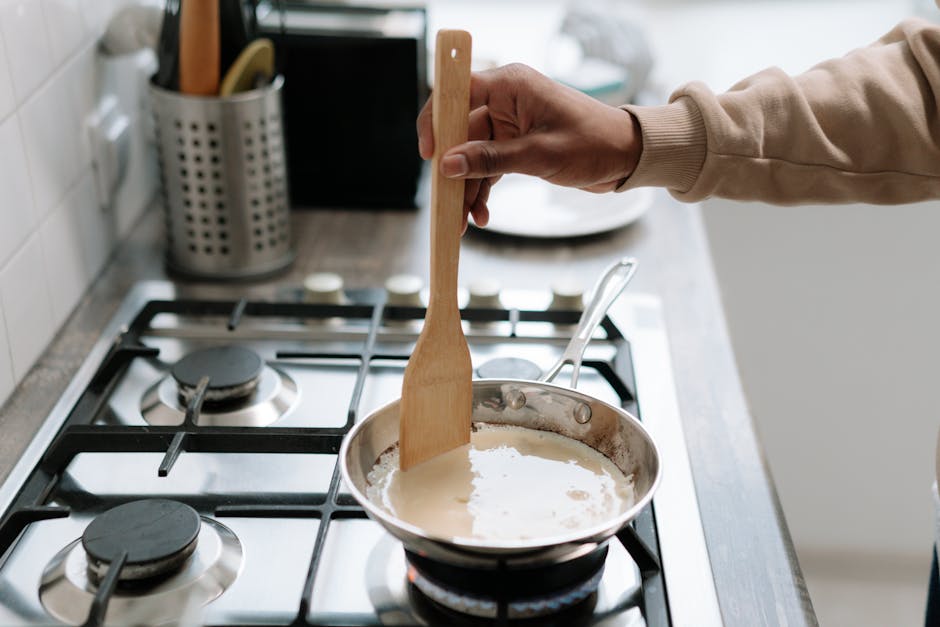
The Science of Caramelization: Creating Depth and Flavor
Caramelization is one of the most important techniques in cooking that transforms simple ingredients into rich and complex flavors. It occurs when sugars in food are subjected to heat, leading to a chemical reaction that results in a myriad of flavors, colors, and aromas. While it might seem like a magical process, understanding the science behind caramelization can elevate your culinary skills significantly. As you become familiar with the dynamics of this reaction, you’ll find yourself crafting dishes with unparalleled depth, turning basic meals into gourmet experiences.
The interplay of temperature, moisture, and cooking time is crucial to successfully caramelizing ingredients. For instance, the Maillard reaction, which is often mentioned alongside caramelization, occurs when proteins and sugars react under heat, resulting in that enticing golden-brown exterior on meats and baked goods. Both of these reactions contribute to the development of umami, a savory flavor that adds depth to numerous dishes. Thus, mastering caramelization can elevate not just the flavor profile of sauces and vegetables but can transform proteins, desserts, and even breads.
Home cooks often think of caramelization purely in the context of sweets, like caramel sauces or crème brûlée, but its principles can be applied across a vast array of culinary applications. Whether you are pan-searing onions for a warm onion soup, roasting vegetables to enhance their natural sweetness, or preparing sauces that require a depth of flavor, understanding how to control the process of caramelization helps unlock a whole new world of taste and aroma. Let's dive into the intricate science and techniques behind caramelization, equipping you with the knowledge to incorporate this flavorful method into your everyday cooking.
Understanding Caramelization: The Basics
To embark on mastering caramelization, it's essential to grasp its foundational principles. Caramelization primarily involves the oxidation of sugar, which occurs when it is heated to high temperatures, usually above 320°F (160°C). During this reaction, sugar molecules break down, leading to the formation of complex flavor compounds, which are responsible for the desirable taste we associate with caramelized foods.
The Science of Sugars
There are different types of sugars that can caramelize, and each interacts with heat differently:
The role of water in the caramelization process is also significant. When heating sugars, a small amount of water can initially help dissolve the sugar and promote an even melt. However, as temperatures rise, the presence of moisture must be carefully managed. Too much water will prevent effective caramelization, so it's critical to monitor the cooking process closely.
Stages of Caramelization
Caramelization doesn't occur in a singular moment; it follows specific stages showcasing various colors and flavors:
Each of these stages influences the final taste and texture of your caramelized dish, making timing and attention crucial for success.
“Understanding the science behind caramelization will not only elevate your dishes but also give you confidence in your culinary explorations.”
Techniques for Perfect Caramelization
Mastering caramelization comes down to applying the right techniques in the kitchen. Let’s explore a structured approach to enhance caramelization across various ingredients.
Temperature Control
Achieving the right temperature is imperative. Use a candy thermometer or an instant-read thermometer to monitor sugar closely. For dry caramel, aim for:
For sautéing vegetables or proteins, maintaining moderate to high heat is essential too. A good practice is:
The Right Pan
The choice of cookware can influence caramelization outcomes dramatically. Opt for:
Choosing Ingredients
Select ingredients consciously, as not all foods caramelize the same way. For vegetables, root vegetables like carrots, beets, and sweet potatoes have naturally high sugar content, making them ideal for caramelization. On the other hand, onions can develop sweet notes once caramelized thanks to their sugar content, especially when cooked slowly.
“The right pan and ingredient choice can be the difference between a dish that shines and one that fizzles—the pan becomes an extension of your artistry.”
Caramelizing Vegetables
Caramelizing vegetables can elevate their sweetness and enhance textures in salads, side dishes, and main courses. The technique requires patience and attention but rewards with flavors that transform simple sides into stars of the table.
Essential Vegetables for Caramelization
When it comes to vegetables, consider using:
Method: Slow Cooking
For vegetables like onions, a classic slow-cook method is best. Here’s how to do it:
Quick Searing for a Touch of Sweetness
Another method for achieving caramelized edges on vegetables quickly is to sear them. Here’s an effective technique:
By mastering these techniques, you’ll create caramelized vegetables that complement any meal wonderfully.
Caramelization in Proteins
Caramelization is not limited to fruits and vegetables; it plays a crucial role in developing flavors in meats and fish as well. Learning how to properly caramelize proteins can turn a simple meal into an extraordinary one.
Searing Meats
Searing is one of the culinary techniques where caramelization shines. When you sear meat, the Maillard reaction begins, creating a delightful crust and depth of flavor. Here’s how to properly sear meat:
“Perfectly seared proteins not only enhance your dish but also showcase the incredible flavors possible through caramelization.”
Caramelizing Fruits
Fruits can also benefit from caramelization, creating a delightful contrast in desserts or as toppings. Here's a quick way to achieve it:
Caramelized fruits elevate desserts by adding a rich sweetness that beautifully complements flavors like vanilla ice cream or whipped cream.
Essential Recipes Using Caramelization
To truly harness the powers of caramelization, including practical applications with guided recipes is indispensable. Each of these recipes will emphasize a different aspect of caramelization while helping you refine your skills.
Classic French Onion Soup
French onion soup relies heavily on the deep, luxurious flavors derived from caramelized onions. Here’s an authoritative way to prepare it:
#### Ingredients
#### Directions
Caramelized Brussels Sprouts with Balsamic Reduction
This dish turns a side vegetable into a favorite with simple caramelization techniques.
#### Ingredients
#### Directions
Sautéed Apples with Cinnamon
This recipe brings out the natural sweetness of apples through caramelization for a delightful dessert or side.
#### Ingredients
#### Directions
Safety Tips and Common Mistakes
Caramelization can be intimidating due to the high temperatures involved, so let's address safety tips and common mistakes to ensure a successful culinary experience.
Safety First
Common Mistakes to Avoid
By keeping these tips in check, you’ll enjoy a more successful caramelization process, resulting in delicious results.
Conclusion
Caramelization is not merely a cooking technique but a gateway into transforming flavors, textures, and aromas. By understanding the science behind caramelization, home cooks can create a vast range of dishes that explode with depth and richness. Whether it’s mastering the art of caramelizing vegetables, proteins, or fruit, this skill will undoubtedly upgrade your culinary repertoire.
As you venture into the world of caramelization, embrace the learning process and experiment with your cooking. Every caramelized creation is a step toward refining your skills and enhancing your palate. With practice, patience, and the tips outlined in this post, you'll bring a newfound sophistication to your meals, delighting both your own taste buds and those of anyone fortunate enough to share your culinary creations. Happy cooking!


Get the Next Recipe
Weekly recipes, techniques, and gear picks — straight to your inbox.
