The Science of Deep Frying
Deep frying is often shrouded in an aura of mystery and intimidation for many home cooks. The sound of bubbling oil and the tantalizing aroma of crispy goodness can evoke both excitement and fear. While the technique may seem daunting, understanding the science behind deep frying will empower you to master this culinary art form with confidence. After all, who can resist the perfect crunch of a fried dish, whether it’s golden French fries, crispy chicken wings, or luscious doughnuts? This introduction to deep frying will demystify the process and arm you with the knowledge to create delicious, crispy masterpieces in your own kitchen.
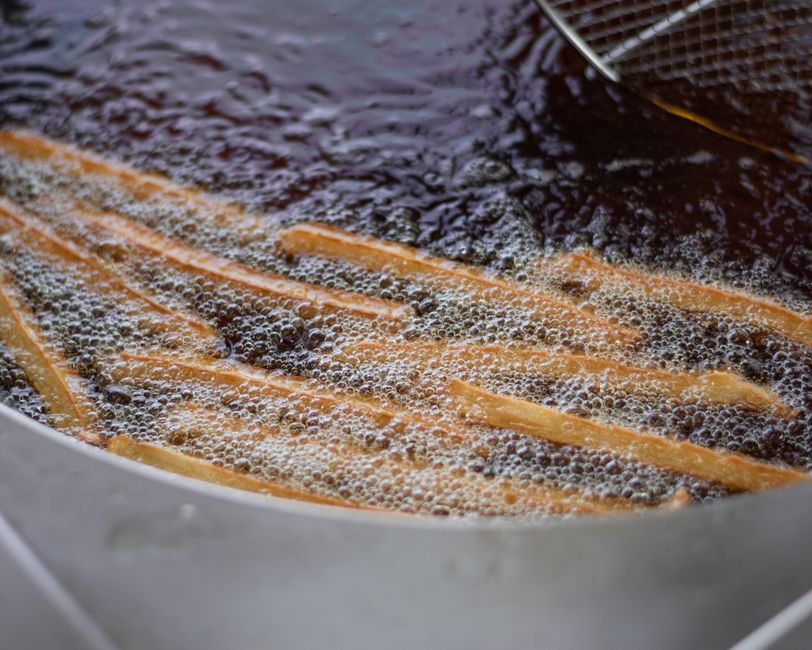
At its core, deep frying involves submerging food in hot oil, which cooks and crisps the exterior while simultaneously keeping the interior moist and tender. This simple principle can yield spectacular results when done correctly. The key to achieving that coveted crunchy texture lies in two primary processes: conduction, where heat is transferred from the hot oil into the food, and evaporation, which creates the crispy outer layer as moisture escapes. Each component of deep frying — from selecting the right oil to managing cooking temperatures — plays a crucial role in the final result, making it essential for cooks to understand the underlying science.
Moreover, the oil used for deep frying significantly impacts flavor, texture, and health. There are a variety of cooking oils available, such as canola, peanut, and vegetable oil, each with different smoking points and flavors. Understanding which oils to use, when to change the oil, and how to maintain the right frying temperature is pivotal to achieving your desired results. What pushes this cooking technique into the realm of culinary genius is not just the ability to cook food but to manipulate various elements to produce a harmonious balance of flavors and textures that evoke sheer enjoyment.
The Chemistry of Frying
To thoroughly understand deep frying, one should begin with its chemistry. Deep frying can be simplified down to heat transfer, moisture management, and changes in food composition during the cooking process. When food is introduced into hot oil, it undergoes chemical and physical changes that result in its delicious flavor and appealing texture.
Heat Transfer Mechanics
When food is enveloped in oil heated to around 350°F to 375°F (175°C to 190°C), the process of heat transfer occurs mainly through conduction. The outer layer of food heats up rapidly due to the high temperature of the oil. This rapid heating causes the water present inside the food to turn into steam, creating pressure.
As steam escapes from the food, it becomes imperative to manage the oil temperature. If the temperature drops too low, food absorbs excess oil and turns greasy rather than crispy. Conversely, if the temperature is too high, the exterior cooks too quickly, often resulting in a burnt crust while leaving the inside undercooked. To maintain optimal frying conditions, professional chefs recommend using a thermometer to monitor oil temperature accurately.
Maillard Reaction and Food Composition
One of the most fascinating aspects of deep frying is the Maillard reaction, a complex series of chemical reactions that take place when amino acids and reducing sugars are heated together. This reaction contributes to the browning and development of rich flavors and aromatic compounds in fried food.
For a successful Maillard reaction to occur, several factors must be met:
Understanding these factors will allow you to adjust your frying techniques and use different marinades or batters that either enhance or inhibit the Maillard reaction, depending on your desired outcome.
"Deep frying isn't just about cooking; it's about creating a sensory experience that tantalizes the palate and delights the senses."
Selecting the Right Oil
The choice of cooking oil is critical in the deep frying process and affects not only the flavor but also the health aspects of the food. Different oils have various smoking points, flavor profiles, and health properties.
Types of Cooking Oils
Here is a list of commonly used oils for deep frying along with their respective smoking points:
Health Considerations
When selecting an oil, consider the health implications, as some oils are more saturated than others. For example, oils that are high in omega-6 fatty acids and lower in omega-3s can lead to inflammation if consumed excessively. It is often recommended to balance your diet with sources of healthy fats, such as avocado oil (with a smoking point of 520°F/271°C) that offers both flavor and health benefits.
Oil Maintenance Tips
To ensure the longevity and performance of the oil used for deep frying, consider the following tips:
By selecting the right oil, understanding its properties, and maintaining its quality, you’ll ensure that every deep-fried creation is not only delicious but also health-conscious.
The Importance of Temperature Control
Temperature control is the cornerstone of successful deep frying, dramatically affecting texture, flavor, and overall quality of the food. The goal is to keep the oil at a steady temperature to achieve consistent results.
Using a Thermometer
Investing in a good frying thermometer will be your best ally in maintaining oil temperature. Here’s a simple step-by-step on how to effectively use a thermometer:
Batch Cooking
Frying food in batches is an effective way to maintain temperature. Adding too much food at once can dramatically reduce the oil's temperature. Here’s how to approach it:
Temperature Management Tricks
"Mastering the temperature of your oil is the key to unlocking the perfect texture in every deep-fried dish."
Coating and Battering Techniques
Apart from selecting the right oil and maintaining temperature, how you coat your food before frying also plays a significant role in achieving that crunchy exterior and moist interior that everyone craves.
Types of Coatings
There are various techniques and ingredients you can use for coating, including:
Creating the Perfect Batter
To create a crispy batter, consider these components:
Step-by-Step Coating Process
By mastering the right coating techniques, you will create a delectable barrier that separates the flavorful, crispy exterior from the tender interior of your food.
Safety Precautions for Deep Frying
While deep frying can produce delightful dishes, it is essential to prioritize safety in the kitchen to avoid potential hazards.
Understanding the Risks
Deep frying involves hot oil, which can reach dangerous temperatures. Spilling or splashing oil can lead to severe burns or kitchen fires. As such, awareness of the following safety tips is crucial:
Essential Safety Equipment
To minimize the risks associated with deep frying, consider obtaining the following safety equipment:
What to Do in Case of a Fire
In the unfortunate event of an oil fire, remember these critical steps:
"Safety doesn't just enhance your cooking experience; it's an essential ingredient in the culinary journey."
Conclusion
Deep frying is a culinary technique rich with history and flavor, and when executed with care and expertise, it can elevate your dishes to a whole new level. By understanding the science behind frying, choosing the right oils, mastering temperature control, and utilizing effective coating techniques, you will harness the full potential of deep frying. Moreover, keeping safety in mind ensures that your kitchen remains a place not only of creativity but also of security.
In your valiant journey to become a deep frying maestro, remember, experimentation and practice are your greatest allies. As you become more comfortable with the techniques discussed, don't hesitate to try new recipes and flavors that embrace the essence of deep frying. The gratifying crunch of perfectly fried food is just the beginning; it’s a path to explore the myriad of flavors that the world has to offer. So gather your ingredients, heat that oil, and dive into the art of deep frying — you may just discover that the crispy delights of homemade fried food are well worth the investment of your time and talents. Happy frying!

Get the Next Recipe
Weekly recipes, techniques, and gear picks — straight to your inbox.
