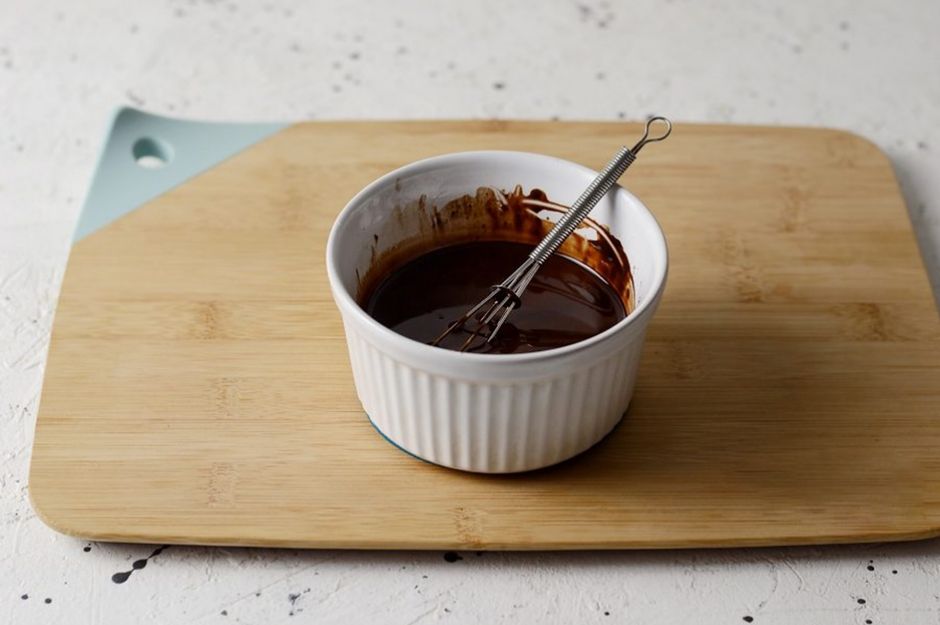
The Science of Emulsification: How Oil and Water Become One
Welcome to the kitchen, where the most fundamental battle of chemistry plays out on your countertop every single day. If you have ever looked at a vinaigrette that has separated into two distinct, stubborn layers, you have witnessed the natural defiance of physics. Oil and water, as the old adage goes, simply do not mix, and for a long time, home cooks felt that this was a culinary boundary that could not be crossed. However, understanding the bridge between these two disparate liquids is the secret to moving from a cook who follows recipes to a chef who understands the very fabric of their craft.
Emulsification is the culinary equivalent of alchemy, turning two opposing substances into a stable, silky, and uniform masterpiece. It is the backbone of everything from the hollandaise drizzled over your weekend eggs to the creamy mayonnaise coating your favorite sandwich. While it might seem like magic, it is strictly science, relying on the presence of an emulsifier to act as a peacekeeper between the hydrophilic water molecules and the hydrophobic oil droplets. Once you master the mechanics of this process, you will never look at a broken sauce the same way again, and your ability to control texture will skyrocket.
In this deep dive, we are going to peel back the curtain on how these emulsions function, the specific ratios that guarantee success, and the techniques that professional chefs use to ensure that their sauces stay suspended, shiny, and perfectly flavored. We will explore the role of temperature, the importance of agitation, and the science of surfactants. Whether you are aiming for a classic vinaigrette or a complex butter-based emulsion, the information provided here will serve as your blueprint for professional results in a home kitchen. Get your whisk ready, because we are about to make the impossible, possible.
The Chemistry of Dispersed Phases
At the heart of every emulsion lies the concept of a dispersed phase and a continuous phase. In a simple vinaigrette, the oil is the dispersed phase—the tiny droplets—and the vinegar or lemon juice is the continuous phase, providing the environment in which the droplets live. Without an emulsifier, these droplets collide and coalesce, eventually rising to the top due to their lower density. This separation is the default state of these liquids, a thermodynamic necessity that we must work against to create a lasting sauce.
Understanding Hydrophilic and Hydrophobic Interactions
To understand why emulsions fail, you must first understand the molecular behavior of the ingredients. Hydrophilic molecules are those that are attracted to water, while hydrophobic molecules are repelled by water and gravitate toward oils. When you pour oil into vinegar, the water molecules are tightly bonded to one another via hydrogen bonds, excluding the oil molecules entirely. The oil droplets are forced into clumps to minimize their surface area in contact with the water, leading to the rapid separation you observe in a poorly shaken bottle.
"Emulsification is not just a technique; it is a negotiation between ingredients that fundamentally refuse to speak the same language."
The Role of Surfactants
The hero of our culinary story is the emulsifier, or surfactant. These unique molecules possess a dual personality: one end of the molecule is hydrophilic, and the other is hydrophobic. When added to a mixture, the hydrophobic tail dives into the oil droplet, while the hydrophilic head remains anchored in the water. This creates a protective barrier around each tiny oil droplet, preventing them from touching and merging with their neighbors. This is how we achieve a stable, creamy texture that refuses to break.
Common Culinary Emulsifiers
You likely already have several powerful emulsifiers in your pantry. Egg yolks are the gold standard, containing a phospholipid called lecithin, which is arguably the most efficient natural emulsifier known to man. Mustard is another powerhouse, containing mucilage and proteins that help stabilize vinaigrettes. Even honey and tomato paste can contribute to the stability of a sauce, providing enough structural support to prevent separation over the short term.
The Art of the Vinaigrette: Ratios and Stability
The classic vinaigrette is the most accessible way to practice your emulsification skills. While many home cooks rely on a simple "three parts oil to one part acid" rule, professional chefs understand that this ratio is merely a starting point. Depending on the viscosity of your oil—whether it is a thick, grassy extra virgin olive oil or a thin, neutral grapeseed oil—your ratio will need to be adjusted to achieve the perfect mouthfeel.
Mastering the Emulsion Ratio
If you are aiming for a thicker, more creamy vinaigrette, you can push your ratio to four or even five parts oil to one part acid. However, you must increase the amount of your emulsifier proportionally. If you use one tablespoon of Dijon mustard, you can stabilize a much larger volume of oil than if you used none at all. Remember that temperature also plays a role here; chilled oil will emulsify differently than room-temperature oil, so try to keep your ingredients at a moderate, ambient temperature for the best results.
The Importance of Mechanical Agitation
Simply dumping all your ingredients into a bowl and whisking casually will rarely result in a stable emulsion. You need mechanical energy to break the oil into the smallest possible droplets. The smaller the droplets—a process known as shearing—the more stable your emulsion will be. Use a bowl that fits your whisk snugly, and begin by whisking your acid, salt, and emulsifier together until they are fully integrated before adding the oil drop by drop.
Troubleshooting a Broken Vinaigrette
If your vinaigrette has separated, do not panic; it is easily recoverable. The "break" occurred because the oil droplets grew too large or the emulsifier was overwhelmed. To fix it, take a clean bowl and add a fresh teaspoon of mustard or even a tablespoon of warm water. Slowly stream your broken vinaigrette into the new emulsifier while whisking constantly. You are essentially restarting the process, providing a new home for the dispersed oil droplets.
Mastering Heat-Based Emulsions: Hollandaise and Beurre Blanc
Moving from cold vinaigrettes to warm emulsions like Hollandaise or Béarnaise introduces the variable of heat. These sauces are delicate and temperamental, requiring precise control to ensure the egg proteins do not coagulate into scrambled eggs. The goal here is to thicken the sauce using the proteins in the egg yolk while simultaneously creating a stable emulsion of melted butter.
The Science of Coagulation
When you heat egg yolks, the proteins begin to denature and unfold. If you push the temperature too high—generally above 160°F (71°C)—these proteins will bond together, turning your sauce into a curdled mess. The key to a perfect Hollandaise is to keep the heat low and steady. Using a bain-marie (a double boiler) is the safest approach, as it creates a gentle, indirect heat that allows you to control the thickness of the emulsion with pinpoint accuracy.
"In a warm emulsion, the whisk is your most important tool; it is the only thing preventing the heat from turning your velvet sauce into an omelet."
Managing the Butter Temperature
For a Beurre Blanc, which relies on the cold-emulsification of butter into a reduction of vinegar and shallots, the temperature of your butter is paramount. The butter must be cold and cubed. By whisking in cold butter one cube at a time into the hot reduction, you are keeping the overall temperature of the sauce low enough that the butter melts into the liquid rather than separating into pure oil. If the sauce gets too hot, the butter will melt too quickly, causing the emulsion to break instantly.
Professional Chef Tips for Warm Emulsions
Clarified Butter:* If you are making a large batch of Hollandaise, using clarified butter can make the process more stable, as it removes the milk solids that can sometimes cause instability.
The Ice Cube Method:* If your Hollandaise gets too hot and begins to look thin or curdled, immediately remove it from the heat and drop in one ice cube. Whisk rapidly; the sudden drop in temperature and the addition of water can often pull a failing emulsion back from the brink.
Whisking Rhythm:* Develop a rhythm. A slow, steady whisking motion is better than a frantic, erratic one. You want to maintain a consistent flow to ensure that every molecule of butter is properly encased in the egg yolk proteins.
The Emulsification Power of Dairy
Dairy is a fascinating medium because it is essentially a pre-made emulsion. Milk and cream are emulsions of fat droplets in water. When we cook with heavy cream, we are utilizing the existing emulsifiers—like casein proteins—to help stabilize other ingredients. This is why a cream-based reduction or a sauce thickened with a splash of heavy cream is often so much more stable than a sauce made with oil or butter alone.
Reducing Cream for Stability
When you reduce cream, you are evaporating the water and concentrating both the fat and the protein. This creates a thicker, more viscous continuous phase that is highly resistant to breaking. This is the secret behind a classic pan sauce. After searing a steak, deglazing the pan with wine, and adding a splash of heavy cream, you create an emulsion that is incredibly robust. The proteins from the meat juices and the cream work in tandem to create a glossy, stable coating for the pan.
The Interaction of Cheese and Emulsification
Adding cheese to a sauce—like in a Mornay or a mac and cheese—introduces new challenges. Cheese is a complex matrix of fat and protein. If you overheat cheese, the fat will separate from the protein, resulting in a gritty, oily texture. To prevent this, always remove your sauce from the heat before adding the cheese. Use a whisk to slowly incorporate it, and consider using a small amount of sodium citrate if you want a perfectly smooth, processed-style cheese sauce that will not break even under high heat.
Dairy Substitutes and Emulsion Challenges
If you are working with plant-based milks, you will notice they lack the same proteins found in dairy. They do not reduce the same way, and they are much less stable when exposed to heat or acid. To achieve similar results, you may need to add a thickener like xanthan gum or a small amount of cornstarch slurry to provide the structural support that the missing dairy proteins cannot provide. Understanding the composition of your liquids allows you to adapt regardless of the ingredient.
Advanced Techniques: Stabilizers and Gums
Sometimes, the natural emulsifiers in our food are not enough. In professional kitchens, chefs often use hydrocolloids to ensure that a sauce remains stable for service, especially if it needs to sit on a steam table or hold up in a busy environment. These additives do not change the flavor of the dish; they simply provide a physical network that holds the droplets in place, preventing them from coalescing even when the sauce is left to sit.
Working with Xanthan Gum
Xanthan gum is a powerhouse ingredient. It is a polysaccharide produced by the fermentation of sugars. It is incredibly potent, meaning you only need a tiny amount—often as little as 0.1% to 0.5% by weight. Because it creates a highly viscous environment, it makes it very difficult for oil droplets to move through the liquid and collide with one another. When using xanthan gum, it is best to disperse it in a bit of oil or alcohol first, or use a high-speed blender to ensure it does not clump.
Lecithin for Modernist Techniques
Soy or sunflower lecithin is the refined version of the emulsifier found in egg yolks. It is the secret weapon for creating "airs"—those light, ethereal foams you see in high-end dining. By whisking lecithin into a flavored liquid and using an immersion blender to incorporate air, you can create a stable, flavorful foam that sits on top of a dish. It is a testament to how deep the science of emulsification goes; you can move from a heavy cream sauce to a delicate, weightless air just by altering the type of emulsifier and the technique of aeration.
The Balance of Viscosity
Achieving the perfect sauce is as much about viscosity as it is about the emulsion itself. If a sauce is too thin, it will slide off the back of a spoon; if it is too thick, it will feel heavy on the palate. By using emulsifiers and stabilizers, you gain the ability to dial in the exact consistency you want. Consider the difference between a sauce that is meant to coat a delicate piece of fish versus one intended to stand up to a hearty pasta. The former should be light and flowing, while the latter should have enough structural integrity to hold onto the starch.
Troubleshooting the Perfect Kitchen
Even with the best scientific knowledge, things can still go wrong in the kitchen. Emulsification is a process that is highly dependent on environmental factors, including the humidity in the room, the temperature of your equipment, and even the vibration of the counter. The key to being a professional-level home cook is knowing how to pivot when the science hits a snag.
Humidity and Temperature Fluctuations
High humidity can affect the way fats and liquids interact, particularly with dry ingredients like emulsifying powders. Furthermore, a kitchen that is too hot can cause your butter to melt faster than you can emulsify it, leading to a broken sauce. If you find your kitchen environment is difficult to control, focus on keeping your ingredients at a controlled, moderate temperature. Keep your fats slightly cooler than you expect and your liquids slightly warmer, as this middle ground is the "sweet spot" for most emulsions.
"Mastery is not about the absence of mistakes, but the ability to recognize them early and apply the correct chemical adjustment."
The Immersion Blender: Your Best Friend
If you are struggling to emulsify by hand, stop fighting it and reach for an immersion blender. The high speed of the blades provides a level of shearing that human hands simply cannot replicate. An immersion blender is the most efficient way to create a stable mayonnaise or a perfectly emulsified vinaigrette in seconds. It creates such tiny droplets that the emulsion is inherently more stable and less prone to breaking.
Sensory Cues of a Stable Emulsion
Beyond just the look of the sauce, you should rely on your other senses. A well-emulsified sauce should feel smooth on the tongue; it should not have a greasy, oily finish. If you taste the sauce and the first sensation is an immediate hit of oil that coats the roof of your mouth, the emulsion has not been fully realized. The goal is a uniform, creamy sensation that spreads evenly, carrying the flavor of the acid and the fat simultaneously to your taste buds.
The Philosophy of the Chef
When you finally understand the science of how oil and water become one, you change your relationship with cooking forever. You stop seeing ingredients as isolated items and start seeing them as components of a larger, dynamic system. Cooking becomes an experiment in balance, a constant adjustment of variables to achieve a desired outcome. This is the true hallmark of a chef, and it is a skill that only gets better with time and practice.
Experimenting with Flavor Profiles
Once you have mastered the technique, the world of flavor becomes your oyster. You can create emulsions based on nut oils, fruit vinegars, herbal infusions, and even spices. Think of the potential for a walnut oil vinaigrette with a splash of balsamic reduction, or a butter sauce infused with saffron and citrus zest. Because you now know how to stabilize these mixtures, you are free to experiment with flavor combinations that would have previously resulted in a broken sauce.
Passing the Knowledge On
The beauty of this knowledge is that it is meant to be shared. Teach a friend how to make a proper hollandaise from scratch, or show a family member why their vinaigrette always separates. By demystifying the science, you are helping to build a more capable and confident community of home cooks. Culinary education is the ultimate gift, and in the kitchen, it is a gift that is best served with a side of perfectly emulsified sauce.
Beyond the Sauce
Remember that these principles apply well beyond the plate. The chemistry of emulsification is at work in your dressings, your baked goods, your desserts, and even your beverages. Whether you are creating a creamy chocolate ganache or a light, airy mousse, you are utilizing these exact same principles. The science of the kitchen is a universal language, and once you become fluent, the results are limited only by your imagination.
Conclusion
The science of emulsification is a beautiful, logical, and entirely achievable pursuit for the home cook. By mastering the balance between hydrophilic and hydrophobic components, understanding the role of temperature, and utilizing the right tools for mechanical agitation, you gain the power to create professional-quality sauces that elevate your food to new heights. We have covered the fundamental ratios, the chemistry of surfactants, and the practical troubleshooting steps that turn a potential culinary disaster into a triumph.
Never let the fear of a broken sauce deter you from experimenting. Every mistake is a data point, an opportunity to understand how your ingredients behave and how you can influence them. Emulsification is the marriage of art and science, and with this knowledge, you are better equipped than ever to orchestrate that union in your own home. Take your whisk, keep your ingredients at the right temperature, and remember that every drop of oil has the potential to become something extraordinary when given the right environment.
Thank you for joining me here at "Blame The Chef" for this deep dive into the molecular world of your kitchen. Keep practicing, keep tasting, and most importantly, keep learning. The next time you see oil and water sitting in a jar, don't just shake it—think about the chemistry, reach for an emulsifier, and turn that simple mixture into a work of art. The kitchen is your laboratory, and you are the lead researcher. Happy cooking!

Get the Next Recipe
Weekly recipes, techniques, and gear picks — straight to your inbox.
