The Science of Enzymatic Browning: Understanding Polyphenol Oxidase and How to Keep Fruits and Vegetables Vibrant
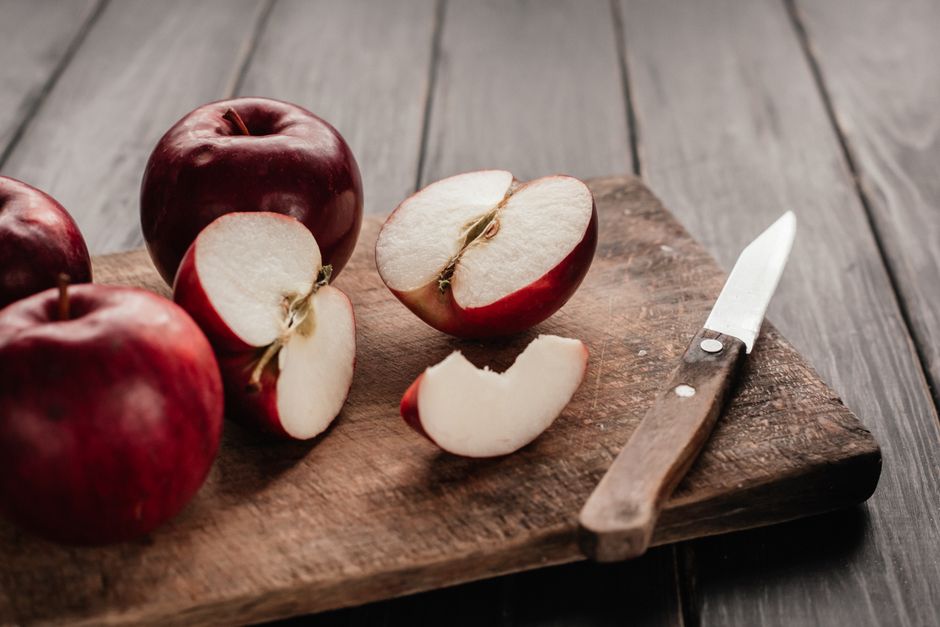
Every home cook has experienced that sinking feeling of frustration when you slice a pristine, crisp apple for a salad, only to return a few minutes later to find the flesh has taken on a dull, unappetizing brown hue. It feels like a culinary betrayal, a sign that your ingredients have somehow gone bad under your watch, even when you have treated them with the utmost care. This phenomenon, which we call enzymatic browning, is one of the most common obstacles in the home kitchen, affecting everything from pears and avocados to potatoes and mushrooms. Understanding the mechanics behind this process is not merely an academic exercise; it is the key to unlocking better presentation, superior flavor preservation, and a more professional edge to your daily cooking. By shifting our perspective from viewing this as a kitchen failure to understanding it as a fascinating chemical reaction, we can stop blaming ourselves and start using science to our advantage.
At the heart of this transformation lies a complex biological response that plants use as a natural defense mechanism. When we slice, bruise, or peel a fruit or vegetable, we are essentially wounding the plant's cellular structure, which triggers the release of specific enzymes that would otherwise remain compartmentalized. These enzymes, primarily polyphenol oxidase (PPO), interact with oxygen in the atmosphere to catalyze a chain reaction that produces melanin—the same pigment that provides color to our skin and eyes. In the wild, this reaction acts as a chemical barrier, protecting the plant from bacterial or fungal infection at the site of the wound. While this is a brilliant evolutionary strategy for a peach in an orchard, it is an unwelcome guest on your dinner plate, turning vibrant ingredients into oxidized, muted versions of their former selves.
To master the art of the kitchen, we must learn to manipulate these conditions to halt or slow the process, ensuring our produce remains as beautiful as it is delicious. Throughout this guide, we will explore the specific environmental factors that influence enzymatic browning, including temperature, pH levels, and exposure to oxygen. We will look at professional techniques that range from simple culinary hacks—like the use of acidic solutions—to more advanced methods involving blanching and controlled atmosphere storage. Whether you are prepping for a large dinner party or simply packing a lunch, the ability to control this oxidation will elevate your cooking game. Let us move past the frustration and start looking at the chemistry of our ingredients as a tool to be managed, tamed, and perfected.
The Chemistry Behind the Browning
To effectively combat enzymatic browning, we must first look at the players involved at a molecular level. The reaction requires three specific components to occur: the enzyme polyphenol oxidase, a substrate (which are phenolic compounds found naturally in the cells of the fruit), and oxygen. When the cell walls are ruptured by your chef's knife, these components are suddenly brought together in an environment that allows them to react. The PPO enzyme begins to oxidize the phenols into o-quinones, which are highly reactive molecules. These quinones then undergo a secondary, non-enzymatic reaction, polymerizing to form the dark, brown-colored pigment known as melanin.
Understanding the Substrate
Phenolic compounds are naturally occurring antioxidants found in most fruits and vegetables. They are responsible for the astringency and bitter profiles in many ingredients, but when they meet PPO, they become the precursors to that dreaded brown color. Some produce items, like bananas and apples, have higher concentrations of these phenols or more active PPO enzymes than others, which is why they appear to brown much faster than, for instance, a melon or a citrus fruit. Recognizing which ingredients are "high-risk" allows you to prioritize them in your mise en place strategy.
The Role of Oxygen
Oxygen is the catalyst that allows the reaction to initiate. Without exposure to the air, the PPO cannot finalize the oxidation of the phenols into brown pigments. This is why submersion is such a powerful tool; by placing your cut produce under a layer of water, you are effectively cutting off the supply of oxygen that the enzyme requires to function. This is a fundamental technique used in professional kitchens when prepping large quantities of potatoes or artichokes, ensuring they maintain their pristine color until the moment they hit the heat.
"Culinary mastery is not about avoiding mistakes; it is about understanding the science behind the ingredients so that the outcome is always within your control. When we fight nature with knowledge, we win."
The Acidic Shield: Manipulating pH Levels
One of the most effective and accessible ways to stop enzymatic browning is to alter the pH level of the surface of the produce. Enzymes, including polyphenol oxidase, are incredibly sensitive to the acidity of their environment. They thrive within a neutral pH range, typically between 5.0 and 7.0. By introducing a mild acid—such as lemon juice, lime juice, or white vinegar—you lower the surface pH to a level where the PPO enzyme becomes deactivated or, at the very least, significantly slowed down. This is why you have likely seen classic recipes call for an "acidulated water" bath for apples, pears, and avocados.
Effective Acidic Solutions
When preparing an acidulated bath, the ratio is paramount. A standard, effective solution is 1 tablespoon of lemon juice or vinegar to 2 cups of cold, filtered water. While some home cooks fear that adding lemon will make their produce taste overly sour, the goal is not to pickle the fruit, but simply to create a protective barrier. If you are worried about flavor transfer, simply rinse the produce in cold, plain water for a few seconds before serving. The flavor impact will be negligible, but the visual preservation will be significant.
Natural vs. Synthetic Acids
You have several choices when it comes to selecting an acid source. Lemon juice is the most popular due to the presence of ascorbic acid (Vitamin C), which acts as a powerful antioxidant that scavenges oxygen before it can react with the phenols. Vinegar, while effective at lowering the pH, lacks the antioxidant properties of citrus. For delicate fruits like strawberries or pears, a light misting of citric acid powder dissolved in water is a professional trick that offers a more neutral flavor profile compared to vinegar or lemon, allowing the natural sweetness of the fruit to remain the star of the show.
Temperature Control and Thermal Inactivation
Heat is a double-edged sword in the kitchen. While excessive heat will obviously cook your produce, brief exposure to high temperatures can actually deactivate the enzymes responsible for browning. This process is known as blanching. By immersing fruits or vegetables in boiling water for 30 to 60 seconds and then immediately shocking them in an ice bath, you are effectively "denaturing" the PPO enzymes. This means that the protein structure of the enzyme is broken down by the heat, rendering it permanently unable to facilitate the browning reaction.
The Science of Blanching
Blanching is particularly useful for produce that you intend to serve in chilled salads, such as stone fruits or certain types of root vegetables. The key to success is the ice bath. If you do not rapidly cool the produce, the residual heat will continue to cook the item, leading to a mushy texture. The shock of the ice stops the cooking process instantly, preserving both the vibrant color and the desired crispness of the vegetable or fruit. This technique is non-negotiable for professional-grade vegetable pre-prep.
Cold Storage as a Deterrent
Temperature also plays a role in the speed of the reaction. Chemical reactions, including oxidation, slow down significantly as temperatures drop. Keeping your pre-cut produce in the refrigerator is a simple but effective way to put the "browning clock" on hold. While it won't stop the process entirely, it acts as a significant deterrent, buying you precious time when prepping for a busy service or a large dinner party. Never underestimate the power of a clean, airtight container placed in the coldest part of your refrigerator.
The Physical Barrier Method
If you cannot change the chemistry of the environment, you can simply change the environment itself. By creating a physical barrier between the fruit and the oxygen in the air, you can effectively stall browning. This is a common technique for dishes like guacamole or fruit salads, where a layer of protective fat or a physical seal acts as an invisible shield against oxidation. Professional chefs often use this to keep items looking fresh for hours, even when they are sitting out for service.
Oil and Fat as Sealants
For items like avocado or certain savory vegetables, a light coating of olive oil or another neutral oil can act as an effective barrier. By brushing a thin layer of oil over the surface, you prevent oxygen from coming into direct contact with the cells. This is particularly useful for cut avocados; if you aren't ready to serve them, wrapping the cut surface tightly in plastic film—pressing the plastic directly onto the flesh—is a standard kitchen practice. The goal is to remove every single pocket of air.
Vacuum Sealing and Airtight Containers
In modern professional kitchens, vacuum sealers have become an indispensable tool for preventing oxidation. By removing the air from a storage bag, you are removing the catalyst required for the PPO reaction. If you do not have a vacuum sealer, utilizing high-quality, airtight containers is the next best thing. When packing your containers, fill them to the brim to minimize the headspace, which is where the oxygen lives. The less air in the container, the slower the browning process will be.
The Role of Sharpness and Tool Selection
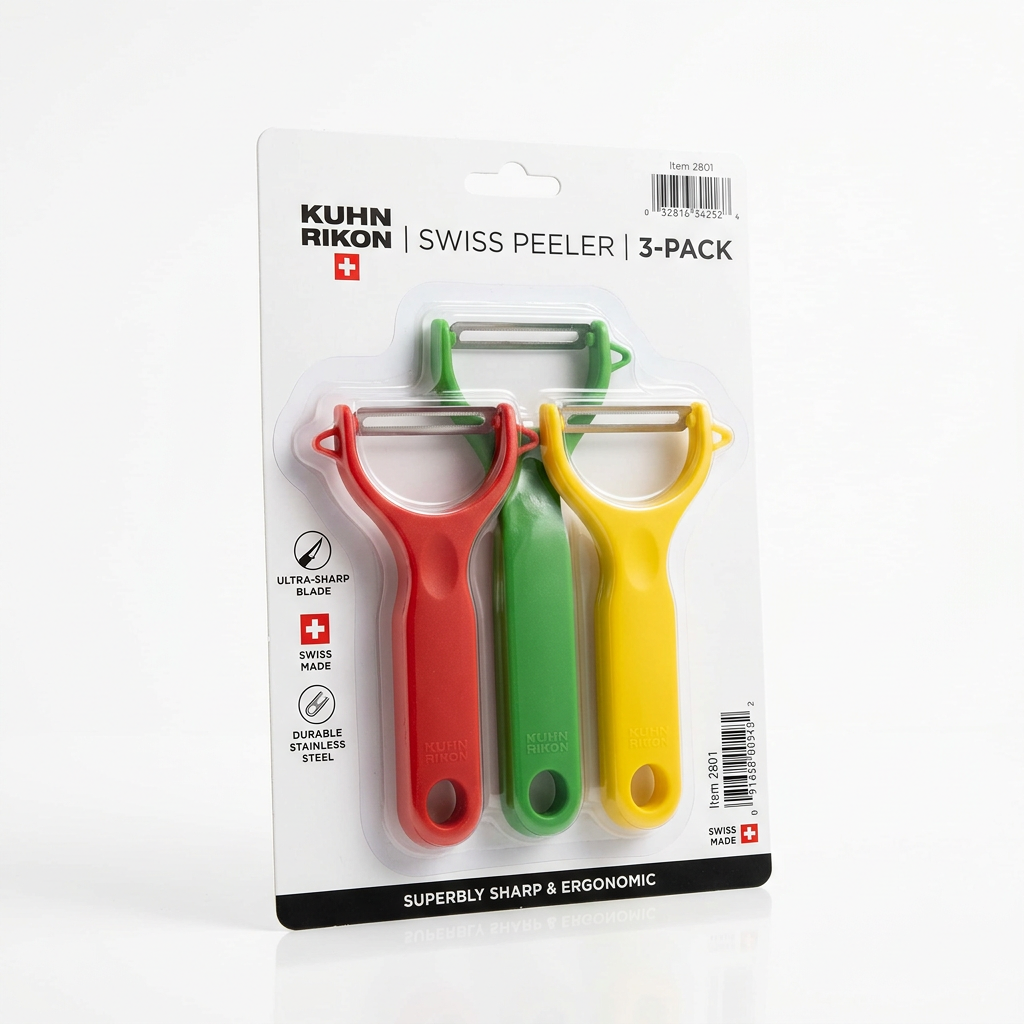
We often overlook the impact that our tools have on the chemistry of our food, but when it comes to enzymatic browning, your knife is your most important ally. A dull knife does not slice through plant cells; it crushes them. When you use a dull blade, you are creating a much larger surface area of ruptured cells, which in turn releases a higher concentration of PPO enzymes. A sharp knife, conversely, makes a clean, precise cut that preserves the cellular integrity of the surrounding tissue, significantly delaying the onset of browning.
The Importance of Non-Reactive Materials
The type of knife you use also matters. Certain metals can react with the acids in the fruit or vegetables, accelerating the oxidation process. Stainless steel is generally the gold standard for home cooks because it is non-reactive and maintains its edge reasonably well. Avoid carbon steel knives for highly acidic ingredients, as they can cause the blade to corrode and the fruit to develop a metallic off-flavor, which is the last thing you want when trying to present a clean, vibrant dish.
Cutting Technique Matters
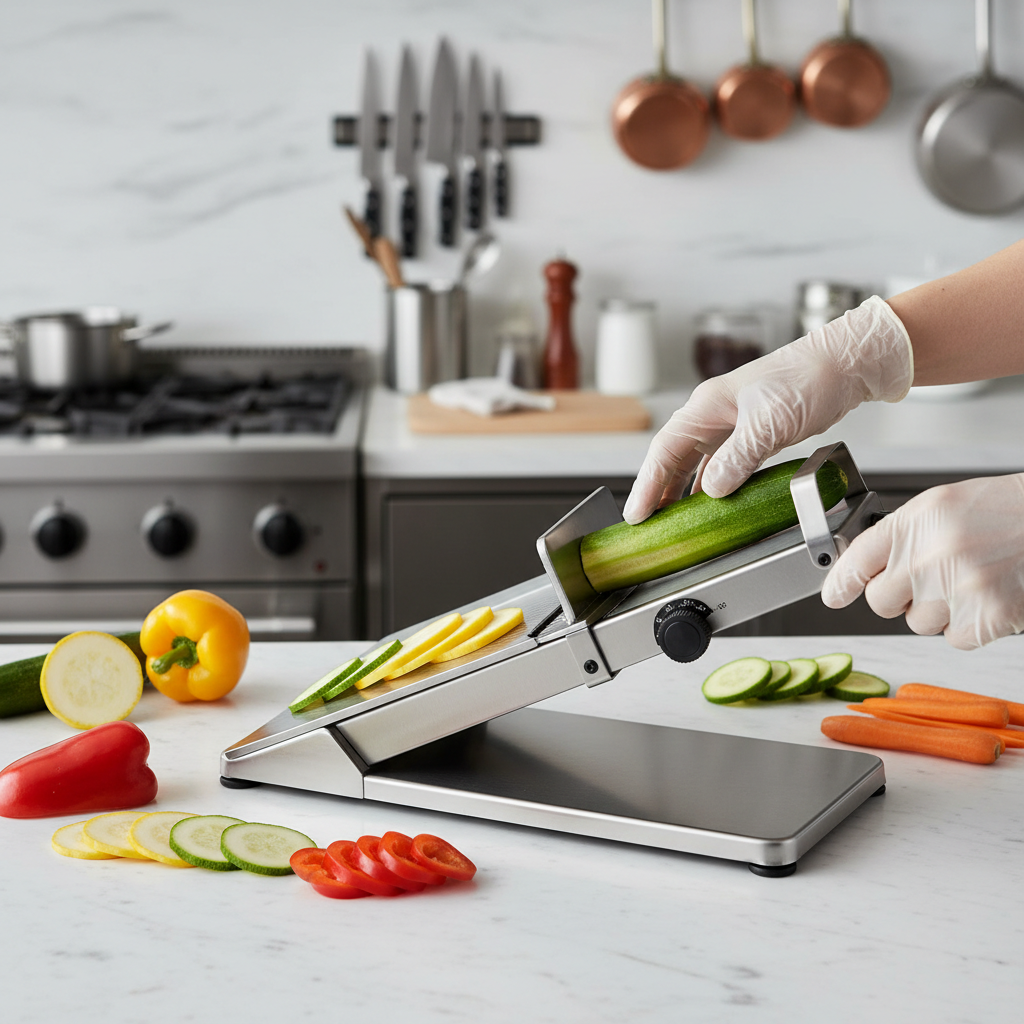
Beyond the sharpness of the blade, your cutting technique influences the outcome. Aim to minimize the amount of time the fruit is exposed to air during the preparation process. If you are prepping a large amount of fruit, cut as you go rather than slicing everything at once and letting it sit on the cutting board. If you must prep in advance, keep your cut items in a bowl of cold water until you are ready to assemble the final dish. These small, deliberate choices accumulate to create a much more professional end result.
"Precision in the kitchen is about more than just uniform slices; it is about respecting the integrity of your ingredients. A sharp knife is not just a tool for cutting; it is a tool for preservation."
Managing Specific Produce Types
Not all fruits and vegetables respond to these techniques in the same way. While a green apple might require a deep soak in lemon water, a potato might need a different approach entirely. Learning the specific needs of your ingredients is the hallmark of an advanced home cook. For example, potatoes have high starch content, and their browning is often exacerbated by the release of these starches into the water. Rinsing them thoroughly after cutting, until the water runs clear, is essential for both browning prevention and texture control.
The Case of the Apple and Pear
These high-PPO fruits are the most common victims of browning. Because they are porous, they absorb acidic solutions easily. A quick dunk in an ascorbic acid solution (which you can buy as a powder, often labeled as "Fruit Fresh") is significantly more effective than simple lemon juice. This is because the pure antioxidant prevents the oxidation chain reaction more completely. If you are serving these raw, keep them submerged until the final plating step, then give them a quick pat-dry.
Mushrooms and Artichokes
These vegetables are notoriously fast to brown. Artichokes, in particular, are a favorite of professional chefs, but they require a strict routine. As soon as you remove a leaf, the artichoke heart must be immediately placed into a large bowl of water heavily acidified with lemon juice or even a touch of flour to create a white, opaque barrier. Mushrooms, which should rarely be washed, are best cleaned with a soft brush and then lightly sautéed immediately to prevent the dark, spongy look that raw, cut mushrooms often develop when exposed to air for too long.
Apples:* Use an ascorbic acid dip.
Avocados:* Use lime juice and direct contact with plastic wrap.
Potatoes:* Keep submerged in cold water, rinse to remove excess starch.
Artichokes:* Use an acidulated water bath immediately upon cutting.
Mushrooms:* Avoid water; cook immediately or keep in a sealed, paper-lined bag.
Innovation: Beyond the Basics
In the world of fine dining, chefs are always looking for ways to push the boundaries of ingredient preservation. Recent innovations in the culinary arts have introduced techniques like modified atmosphere packaging and the use of natural inhibitors like honey water or salt water to further delay browning. While salt water sounds counterintuitive, it is highly effective at drawing out moisture while simultaneously inhibiting enzyme activity, making it a brilliant, if niche, tool for the adventurous cook.
Salt Water Brines
A light brine (approximately 1/2 teaspoon of salt per quart of water) can be used to treat apples and pears. The salt disrupts the environment that PPO requires to function. It is a subtle trick that many professional pastry chefs use when prepping large batches of fruit for tarts. It does not make the fruit salty, provided you follow it with a quick rinse, but it provides a noticeably longer window of time before the fruit begins to show signs of oxidation.
The Future of Ingredient Preservation
As we continue to learn more about the biology of plants, we are seeing more products enter the market that use natural enzymes or coatings to prevent browning. Some of these are based on simple, natural proteins that "mask" the fruit's exposure to oxygen. As a home cook, you might not have access to commercial-grade coatings, but you have the most powerful tools of all: the understanding of the chemistry and the ability to apply that knowledge with care and precision. Never stop experimenting with your ratios and your timing.
Conclusion
The battle against enzymatic browning is one that every home cook fights, but it is one that you can confidently win. By moving beyond the frustration and embracing the scientific reality of what happens when we cut into our produce, we transition from being passive observers to active masters of our culinary environment. Whether you are using a simple squeeze of lemon juice, a careful ice-water bath, or the precision of a perfectly sharp knife, you are engaging in a process that elevates your cooking from "homemade" to professional-standard.
The techniques we have discussed—controlling pH, regulating temperature, minimizing oxygen exposure, and respecting the cellular structure of your ingredients—are the building blocks of a better kitchen experience. When you understand why a pear turns brown, you no longer feel the need to rush, panic, or blame yourself when things don't go perfectly. Instead, you reach for your acid, you sharpen your blade, and you continue with the confidence of someone who knows exactly how to coax the best, most vibrant version of every ingredient onto the plate.
Cooking is inherently a science, but it is also an art form that thrives on the marriage of the two. As you continue your journey in the kitchen, remember that the most beautiful meals are often those that show the care and attention of the chef behind them. Do not settle for dull, oxidized produce. Use the knowledge you have gained here to keep your greens green, your apples crisp, and your presentations looking just as fresh at the end of the meal as they did when you first took them out of the refrigerator. Keep practicing, keep questioning, and above all, keep cooking with intent. The kitchen is yours to master, and every challenge is simply an invitation to improve your craft.
Get the Next Recipe
Weekly recipes, techniques, and gear picks — straight to your inbox.
