The Science of Fermentation: Unlocking Flavor and Nutrition in Traditional Foods
Fermentation is a process steeped in history, filled with fascinating biochemistry, and offers a cornucopia of flavors. At its core, fermentation is a method of food preservation that transforms the natural sugars in food into acids or alcohol, thanks to the action of bacteria, yeast, and molds. What makes fermentation particularly captivating is its ability not only to preserve food but also to enhance its flavor and nutritional value, thereby making it an artful and scientific endeavor. It has been a culinary tradition across cultures, from the tangy taste of sauerkraut in Germany to the umami explosion in fermented fish sauces found in Southeast Asia.
The journey of fermentation begins with understanding the right ingredients. Common candidates for fermentation include vegetables, dairy, grains, and fruits. Each ingredient interacts differently during fermentation, resulting in diverse flavors, textures, and health benefits. For instance, the simple cabbage transforms into a crunchy, sour delight when fermented over a few days—showcasing the magic that can happen with just a bit of salt and time. Each batch tells a unique story driven by factors like ambient temperature, specific microflora present, and even the cooking methods used prior to fermentation.
Home cooks today are increasingly looking to harness the benefits of fermentation in their kitchens, recognizing that it's not just a food preservation technique but a gateway to health and flavor enhancement. Fermented foods are known to be rich in probiotics, which can aid digestion and improve gut health. Additionally, many fermented items are more nutrient-dense than their raw counterparts, making them a worthwhile addition to any pantry. As we delve deeper into the science of fermentation, we will explore the various types, techniques, and recipes that can transform everyday ingredients into gastronomic wonders.
Understanding the Science of Fermentation
At the heart of any successful fermentation process lies an intricate balance of microorganisms—bacteria, yeasts, and molds. Although the specific organisms vary depending on the type of fermentation, they all play a crucial role in breaking down carbohydrates, fats, and proteins. This biochemical transformation results in not only distinct flavors but also an array of beneficial compounds.
The Role of Microorganisms
The two most common types of fermentation are lactic acid fermentation and alcoholic fermentation. Lactic acid fermentation, driven mostly by Lactobacillus bacteria, is primarily responsible for the sour taste and preservation in foods like yogurt, kimchi, and sourdough bread. This process occurs when lactose or other sugars are converted into lactic acid, thus lowering the pH of the food and creating an acidic environment hostile to harmful bacteria.
Conversely, alcoholic fermentation involves yeasts, primarily Saccharomyces cerevisiae, which convert sugars into ethanol and carbon dioxide. This is the process behind beer brewing and bread making, where yeast not only contributes to flavor but also aids in leavening dough. Understanding these microbial agents allows home cooks to better control the fermentation process and experiment with flavors.
"Great taste isn't just a result of quality ingredients; it's the magic of fermentation that takes your dish to the next level."
Temperature and Time
Both temperature and fermentation time play pivotal roles in the fermentation process. The optimal temperature for lactic acid fermentation generally ranges between 60°F to 75°F (15°C to 24°C). Too cold, and fermentation slows, resulting in a bland and potentially unsafe product; too hot, and you risk killing the beneficial bacteria. On the other hand, alcoholic fermentation typically thrives at slightly warmer temperatures, around 68°F to 75°F (20°C to 24°C).
Timing is just as critical. While some ferments, like yogurt, can take only a few hours, others may take weeks to develop the desired flavor profile. Here’s a simple guideline for fermentation times for common foods:
Understanding the critical interplay between temperature and time will allow home cooks to fine-tune their techniques, resulting in more predictable and delectable results.
Techniques for Successful Fermentation
Embarking on your fermentation journey involves mastering a couple of key techniques. Achieving balancing flavors and ensuring safe fermentation practices are foundational to any recipe.
Choosing Your Ingredients Wisely
Ingredients play a huge role in fermentation outcomes. Selecting high-quality, organic vegetables without chemical treatments ensures that the natural microbes required for successful fermentation are present. For example, when making pickles, choose firm, fresh cucumbers and avoid any that are processing or pre-packaged, as they often contain preservatives that hinder microbial activity.
#### Essential Ingredients for Fermentation
Brining Basics
When fermenting vegetables, the brining method is a tried-and-true technique. This creates an inhibition to undesirable bacteria while promoting the growth of beneficial microbes. A common ratio for brine is:
Steps for Brining:
Anaerobic Fermentation
Fermentation thrives in an anaerobic environment, limiting oxygen exposure. Various vessels can be used depending on your choices, with glass jars being the most common for home fermentation.
Exploring Different Types of Fermented Foods
With a deeper understanding of fermentation science and techniques, it's time to delve into specific types of fermented foods. Each variety offers unique flavors and health benefits, from classic staples to contemporary favorites, making them an exciting avenue for culinary exploration.
Fermented Vegetables
Fermented vegetables are perhaps the most accessible entry point into home fermentation.
#### Sauerkraut
Sauerkraut, or fermented cabbage, is a German classic that dates back centuries. The combination of cabbage, salt, and time transforms raw cabbage into a tangy, probiotic-rich dish.
Basic Sauerkraut Recipe:
- 1 medium cabbage (about 2 lbs)
- 1 tablespoon sea salt
- Remove the outer leaves and core the cabbage, slicing it thinly.
- Place in a bowl, sprinkling salt over the cabbage. Massage the cabbage with your hands until it begins to release its juices—about 5-10 minutes.
- Pack the cabbage into a clean mason jar, pressing it down to release more liquid. Leave about 1 inch of headspace at the top.
- Seal the jar and place it in a cool, dark place for 1 to 4 weeks, tasting periodically.
Chef Tips:
#### Kimchi
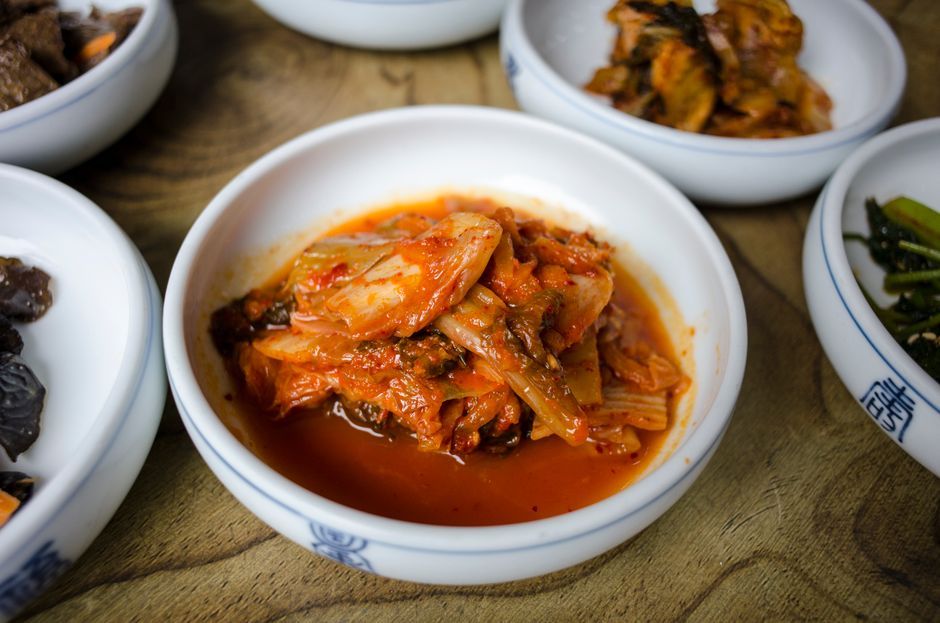
Kimchi is a cornerstone of Korean cuisine, known for its bold flavors and health benefits. It usually features napa cabbage as the main ingredient but can also incorporate radishes and other vegetables.
Basic Kimchi Recipe:
- 1 large napa cabbage
- ¼ cup sea salt
- 2 cups water
- 3-4 cloves garlic, minced
- 1-inch piece ginger, grated
- 2 tablespoons sugar
- 2-3 tablespoons Korean red pepper flakes (gochugaru)
- Cut the cabbage into quarters and sprinkle with salt, adding to a bowl of water and allowing to soak for about 2 hours.
- Rinse the cabbage and combine with minced garlic, ginger, sugar, and pepper flakes in a mixing bowl.
- Pack tightly into a clean jar, ensuring the brine covers the vegetables.
- Seal and let ferment at room temperature for 1 to 3 weeks.
“The key to excellent kimchi lies in the patience of fermentation; rush it, and you’ll miss the magic unfold.”
Fermented Dairy Products
Dairy fermentation has been around for millennia, and its popularity continues with yogurt, kefir, and cheese.
#### Yogurt
Homemade yogurt can be a nutritious addition to your diet and is a fantastic vehicle for exploring endless flavor combinations. Using just milk and a yogurt starter culture, you can craft creamy yogurt at home.
Basic Yogurt Recipe:
- 1 quart of whole milk
- 2 tablespoons of plain yogurt (with live cultures)
- Heat the milk in a saucepan over medium heat until it reaches 180°F (82°C).
- Allow it to cool to 110°F (43°C).
- Stir in the yogurt starter and pour into a clean container, covering it tightly.
- Keep it in a warm place (like an oven with the light on or a yogurt maker) for 6-12 hours to thicken.
Professional Chef Tip:
For creamier yogurt, stir in a tablespoon of powdered milk to increase fat content.
#### Kefir
Kefir, a tangy, effervescent dairy drink packed with probiotics, is made using kefir grains. Unlike yogurt, which uses a specific strain of bacteria, kefir grains introduce a diverse array of beneficial microbes.
Kefir Recipe:
- 2 cups of milk
- 2 tablespoons of kefir grains
- Combine the kefir grains and milk in a clean jar while leaving some headspace.
- Cover with a cloth secured with a rubber band and allow it to ferment at 68°F - 85°F (20°C - 29°C) for 12-48 hours.
- Strain the grains when the kefir reaches your desired thickness.
Fermented Beverages
Fermented beverages are a refreshing and flavorful way to introduce probiotics into your routine. Options like kombucha and ginger beer offer unique flavor profiles and can be customized to personal tastes.
#### Kombucha
Kombucha, the famous fizzy tea, has become increasingly popular for its energizing qualities and unique tang. It’s typically brewed using tea, sugar, and a SCOBY (Symbiotic Culture Of Bacteria and Yeast).
Basic Kombucha Recipe:
- 1 gallon of brewed tea (black or green)
- 1 cup of sugar
- 1 SCOBY
- 1 cup of starter kombucha
- Dissolve sugar in the hot brewed tea, then cool to room temperature.
- Combine with starter kombucha in a clean fermentation jar and introduce the SCOBY.
- Cover with a cloth, secured with a rubber band, and ferment at room temperature for 7-14 days.
Chef Tip: Test the flavor at around 7 days and bottle when it reaches your preferred level of tartness.
#### Ginger Beer
Ginger beer is a delightful, spicy, and naturally fermented drink—great for sipping or as a mixer.
Ginger Beer Recipe:
- 1 cup of fresh ginger, grated
- 1 cup sugar
- 1 tablespoon active dry yeast
- 1 lemon (juiced)
- 8 cups of water
- Combine ginger, sugar, and 2 cups of water in a pot; bring to a boil for 5 minutes. Cool and strain into a large container.
- Add remaining water and the yeast, stirring well. Let the mixture sit at room temperature for 24-48 hours.
- When bubbly, strain again and bottle, ensuring to leave some headspace. Allow it to carbonate in the refrigerator.
The Health Benefits of Fermented Foods
Fermented foods are not only culturally enriching; they’re also packed with health benefits. From enhanced digestion to increased nutrient absorption, the advantages of incorporating fermented foods into your diet are substantial.
The Probiotic Advantage
One of the prime benefits of consuming fermented foods is the introduction of probiotics, which are beneficial bacteria that promote gut health. A healthy gut flora has been linked to improved digestion, enhanced immune function, and even mood regulation. Regularly consuming fermented foods can help maintain a balanced microbiome, crucial for overall health.
Nutrient Density
Fermentation doesn’t just introduce probiotics; it can also enhance the bioavailability of certain nutrients, making them easier for your body to absorb. For instance, fermenting grains can break down phytic acid, allowing mineral absorption (like iron and zinc) to increase. Moreover, some fermented foods may contain B vitamins that are not present in their raw counterparts.
Reducing Food Waste
Incorporating fermentation can contribute to reducing food waste by giving new life to fruits and vegetables that might otherwise go bad. Fermenting excess produce transforms them into delicious and nutritious foods that can last for weeks or even months in your pantry. Furthermore, this technique engages the home cook in sustainable culinary practices—transforming waste into gourmet dishes.
“In every ferment lies culinary potential, turning what was once past its prime into something extraordinary for your table.”
Challenges and Troubleshooting
While fermentation is a wonderfully rewarding process, it’s not without its challenges. Issues like mold growth, off-flavors, and texture problems can arise. Being prepared and informed can help you navigate these hurdles.
Common Problems
Best Practices for Safe Fermentation
Conclusion
Fermentation is an intersection of science, culture, and creativity. By exploring this ancient practice in your own kitchen, you not only unlock a spectrum of vibrant flavors and textures but also cater to your health and wellbeing. Whether you’re a novice eager to make your first batch of kimchi or an experienced chef looking to perfect your sourdough starter, the world of fermentation invites you in.
With each jar of sauerkraut or bottle of ginger beer, you’re partaking in a culinary tradition that stretches back through generations. Embrace the process, experiment with flavors, and relish every tangy bite, knowing that you’re nurturing your body and respecting age-old methods. As the saying goes, “Good food is about good memories”—and what better way to create memories than through the beautiful fermentation process flourishing in your own kitchen? So grab those cabbage heads, gather your spices, and let the tangy transformations begin!


Get the Next Recipe
Weekly recipes, techniques, and gear picks — straight to your inbox.
