
The Science of Nixtamalization: How an Ancient Mesoamerican Process Transforms Corn Into Culinary Gold
To the uninitiated, a tortilla might seem like a humble vehicle for taco fillings, a mere placeholder on a plate of enchiladas. However, for those of us who have spent time in the heat of a professional kitchen, we know that the true essence of corn is not found in the bag of masa harina from the supermarket shelf. It is found in the ancient, alchemical process of nixtamalization, a practice that bridges the gap between raw grain and cultural bedrock. When you strip away the convenience of modern processing, you find a deep, scientific ingenuity that allowed Mesoamerican civilizations to thrive. By understanding the chemistry behind this process, you stop being a home cook who simply follows a recipe and start being a culinary architect who understands the very building blocks of flavor.
The magic of nixtamalization lies in its ability to unlock the nutritional potential of corn, turning a hard, stubborn grain into a versatile, supple dough known as masa. Without this process, the proteins within corn are largely inaccessible to the human body, and the grain remains difficult to work with. By soaking corn in an alkaline solution, you are literally dissolving the pericarp—the tough outer hull—and modifying the chemical structure of the grain’s starch and protein. This isn’t just about making dough; it is about reclaiming an ancestral technology that enhances texture, aroma, and health benefits all at once. As we delve into the mechanics of this transformation, prepare to look at your pantry staples with a new sense of reverence and curiosity.
If you have ever attempted to make tortillas from scratch and found them lacking in depth or prone to cracking, the solution almost certainly lies in the nixtamal. Most home cooks fail because they treat corn like a dry starch rather than a biological entity that requires specific, deliberate handling. This post is your masterclass in the art and science of the nixtamalization process, designed to take you from a curious enthusiast to a practitioner of true Mesoamerican craft. We will break down the ratios, the temperatures, and the precise sensory cues that professional chefs use to achieve that perfect, earthy, and aromatic result. Get ready to elevate your game, because once you have tasted fresh-nixtamalized corn, there is no going back to the store-bought alternative.
The Chemistry of Transformation: Why Alkalinity Matters
At the heart of nixtamalization is the introduction of an alkaline agent, traditionally cal (calcium hydroxide or slaked lime). When you dissolve this white powder into water, you create a solution with a high pH, which is the catalyst for the entire reaction. The alkalinity does several things simultaneously: it breaks down the hemicellulose in the corn’s cell walls, releases the protein-bound niacin (Vitamin B3), and allows the starch granules to gelatinize during the subsequent milling process. Without the alkalinity, the corn would remain hard and nutritionally incomplete, and the dough would lack the elasticity required to be pressed into a thin, pliable tortilla.
Understanding the Role of Calcium Hydroxide
Calcium hydroxide is not just an ingredient; it is a structural agent. As the corn boils in the alkaline bath, the calcium ions penetrate the outer layers of the kernels. This not only aids in the removal of the pericarp but also adds structural integrity to the dough. Interestingly, this infusion of calcium is what gives authentic tortillas their unique, mineral-rich flavor profile. Without the interaction between the alkaline solution and the corn's own starches, the tortilla would possess none of the "pop" or the complex aroma that defines a high-quality taco.
The Science of Gelatinization
During the cooking and the subsequent steeping phase, the starches within the corn kernel begin to swell and gelatinize. This is crucial because, without this process, the corn would remain powdery and crumbly when mixed with water. By controlling the heat and the resting time, you are ensuring that the internal moisture of the kernel is perfectly balanced with the surface starch. This gelatinization is exactly what allows the masa to become tacky and cohesive, the hallmark of professional-grade dough.
The transformation of corn through nixtamalization is perhaps the most significant nutritional achievement in human history. By simply changing the chemistry of the water, our ancestors unlocked the protein and nutrients essential for survival, while simultaneously creating a flavor profile that has defined a culinary identity for millennia.
Sourcing and Preparation: Selecting Your Grain
Before you can apply the science, you must have the right medium. Not all corn is created equal, and for the best results, you must look for dent corn or field corn. Sweet corn, which is often sold in the produce aisle, is entirely inappropriate for this process due to its high sugar content and low starch density. When shopping, look for heirloom varieties—such as Oaxacan Green, Bloody Butcher, or Jimmy Red—if you want to experience the full spectrum of flavors that ancient grains provide. These varieties offer a depth of character that modern, homogenized yellow corn simply cannot replicate.
Inspecting Your Corn for Quality
When selecting your corn, examine the kernels for uniformity. You want kernels that are dry, hard, and free of mold or significant damage. Professional chefs often look for a slight translucency in the corn, which indicates a healthy starch content. If you are sourcing from a local farm, don't be afraid to ask how it was dried; air-dried corn is almost always superior to machine-dried varieties, as the latter can sometimes be heated to temperatures that damage the starch structure, making the nixtamalization process inconsistent.
Ratios and Measurements
To achieve success, you must be precise. A standard ratio for nixtamalization is roughly 1 part calcium hydroxide to 100 parts water by weight, and a ratio of 1 part corn to 3 parts water. For example, if you are using 500 grams of dried corn, you will need approximately 1.5 liters of water and 5 grams of cal. Never eyeball these measurements when you are starting out; once you gain a feel for the texture and the smell of the soak, you can begin to adjust based on the specific type of corn you are using.
The Boiling and Steeping Process: A Masterclass in Patience
The boiling phase is the most dangerous part of the process for the impatient cook. You want the water to reach a simmer, not a violent boil. Add your cal to the water before adding the corn, whisking it until it is completely dissolved. Once the corn is added, the goal is to cook the kernels until the pericarp is loose enough to be rubbed off, but not so soft that the starch inside turns to mush. This usually takes between 30 and 60 minutes depending on the variety of corn, but the true test is the "thumbnail test."
The Thumbnail Test Technique
To perform the thumbnail test, remove a kernel from the pot and press it between your thumb and forefinger. The outer skin should slough off with very little pressure, and the center of the kernel should still be firm and slightly resistant. If the kernel is soft all the way through, you have overcooked it. Overcooked corn results in a watery, sticky dough that is nearly impossible to press. Remember, the corn will continue to cook as it sits in the residual heat of the steeping liquid, so always aim to stop the boil slightly before you think it is fully done.
The Importance of the Steep
Once you pull the pot off the heat, it is time for the steeping phase, which is arguably the most critical part of the entire operation. Leave the corn in the alkaline water overnight, or at least for 8 to 12 hours. During this time, the corn continues to absorb the alkaline water, which deepens the flavor and improves the texture. The water will turn a deep, rich yellow or orange color, and the kernels will become swollen and hydrated. This long rest allows the chemical reactions to fully manifest throughout the entire kernel.
A great tortilla is a testament to the time invested in the soak. If you rush the steeping phase, you are left with a grain that is merely wet rather than truly nixtamalized. The flavor resides in the soak; do not cut corners if you want the result to be authentic.
Washing the Nixtamal: Achieving Purity
After the steep, you are left with what is now called nixtamal. The next step is to drain the liquid and wash the corn thoroughly. You will notice a thick, slick residue on the kernels; this is the dissolved pericarp and excess starch. You must wash this away until the water runs clear and the kernels feel clean to the touch. This step is vital because if you leave too much of the alkaline-rich residue on the corn, your final dough will have a harsh, soapy, or chemical aftertaste that masks the delicate sweetness of the grain.
Rinsing Strategies
Use a large colander and a steady stream of cold, running water. As you rinse, use your hands to gently agitate the corn, rubbing the kernels against one another to help shed the last of the loose hulls. Don't be too aggressive; you don't want to break the kernels. Simply encourage the loosened skins to wash away with the water. Once the water runs clear, give the corn one final inspection. If you find any kernels that are still covered in skins, gently rub them off individually.
The Final Drain
Once the corn is thoroughly washed, drain it well. Moisture control is key when moving to the milling stage. If the corn is too wet, your masa will be too sticky. If it is too dry, it will be brittle. A well-drained batch of nixtamal should feel cool and firm, with a matte surface. This is the perfect state for grinding into dough.
Milling the Nixtamal: From Grain to Masa
In the modern age, we have tools that make the manual grinding stones of the past look archaic, but the principle remains the same. Whether you are using a hand-cranked corn mill or a modern electric grain mill with stone plates, the goal is to crush the hydrated corn into a fine, cohesive paste. Adjust your mill so that the plates are set close together. You may need to run the corn through the mill twice to get the fine, velvety texture required for high-quality tortillas.
Achieving the Perfect Masa Texture
When your masa emerges from the mill, it should be soft and pliable. If it feels grainy, run it through the mill one more time. The resulting masa should hold together when pressed into a ball. If it cracks, it needs a tiny bit of water. If it sticks to your fingers like glue, you have either overcooked the corn or left too much water during the rinse. This is the moment of truth for your batch.
Incorporating Professional Tips for Masa
Many professional chefs add a pinch of salt to the masa at this stage to enhance the flavor, though purists often wait until the tortilla is on the griddle. If you are adding salt, do so sparingly. You want to highlight the corn, not hide it. If you find your masa is slightly too dry, add water one tablespoon at a time, kneading it with your hands until the texture is consistent throughout. This tactile connection to the dough is what differentiates a chef from a cook.
Cooking the Tortillas: The Final Act
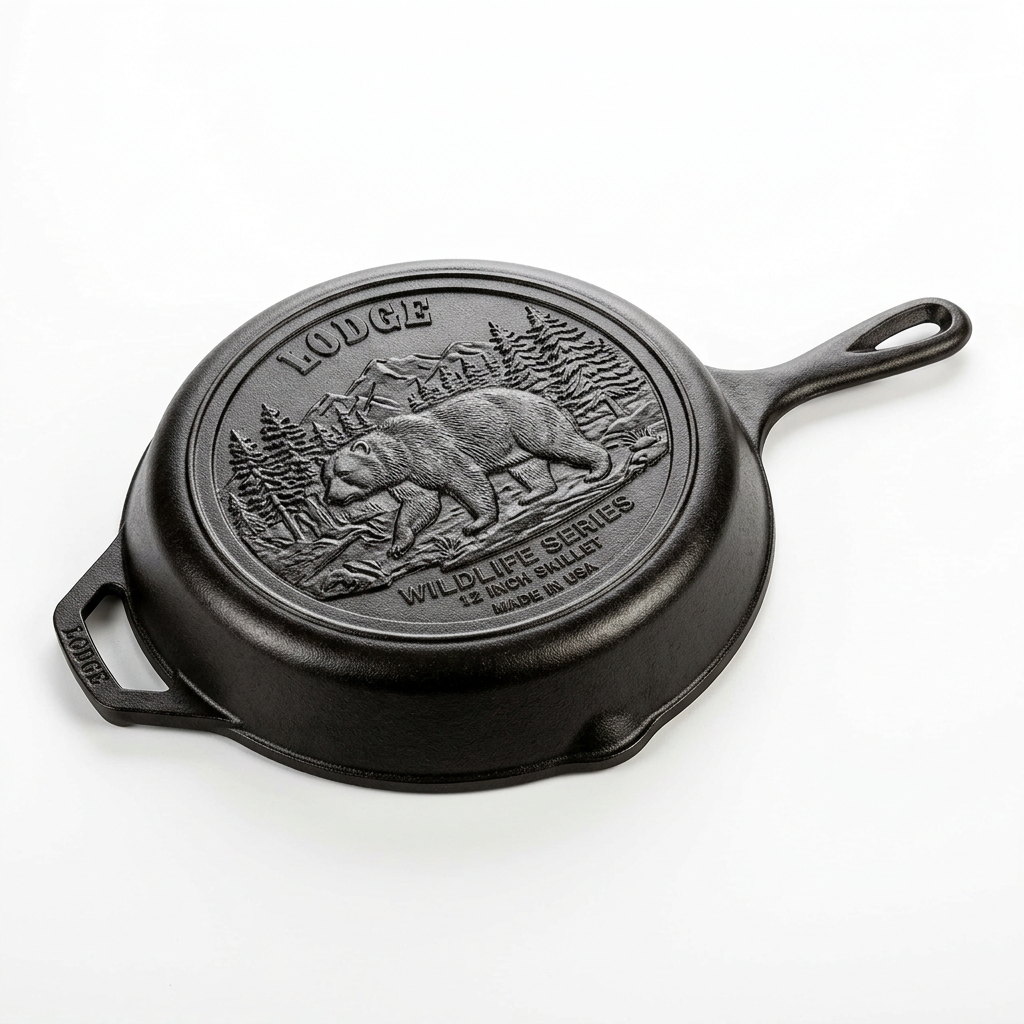
Once your masa is ready, the cooking process should be fast and precise. Use a comal or a heavy-cast iron skillet preheated to a medium-high temperature. You want the surface to be hot enough to instantly set the starch on the bottom of the tortilla without burning it. If the skillet is too cool, the tortilla will dry out before it gets a chance to puff. If it is too hot, it will char on the outside while remaining raw and doughy in the center.
The Three-Flip Rule
For a standard tortilla, professional chefs often use the three-flip rule. Place the tortilla on the hot surface and wait about 10 to 15 seconds. Flip it, and let it cook for another 30 to 45 seconds until it begins to puff. Flip it a final time to finish the puffing process. This technique ensures an even cook and allows the internal steam to build, which is essential for the characteristic texture of a fresh tortilla.
Sensory Cues for Doneness
Listen to the tortilla. You want to hear a gentle sizzle, not a violent crackle. Watch the color of the edges; they should become opaque and slightly toasted. If you see brown spots or "leopard spotting," you are in the perfect zone. The aroma should be intoxicating—a mix of toasted corn, roasted earth, and, if the nixtamalization was done correctly, a subtle, pleasant nuttiness.
The heat is the final bridge between chemistry and art. A well-nixtamalized dough will puff beautifully under the right temperature, signaling that the starch has been properly gelatinized and the moisture is perfectly balanced. Do not fear the heat; embrace it.
Troubleshooting Common Masa Pitfalls
Every chef encounters issues with masa; it is a temperamental ingredient that responds to humidity, corn variety, and water quality. If your masa is crumbling, it is likely too dry. Try kneading in small amounts of water until it holds its shape. If your tortillas are sticking to your press or the skillet, your dough is likely too wet or your surface wasn't preheated enough. Always keep a damp cloth nearby to cover your masa; it dries out incredibly fast when exposed to air.
Dealing with Humidity
Humidity plays a massive role in how corn behaves. On a rainy day, your corn will absorb more moisture from the air, meaning you will need less water during the milling process. On a dry day, you might need a little extra. Trust your senses—your hands will tell you more about the moisture content than any scale ever could. When the dough feels like a soft, pliable earlobe, you know it is ready to be pressed.
Storage and Shelf Life
Fresh masa is best used immediately. If you have leftovers, you can store them in an airtight container in the refrigerator for up to 24 hours, but realize that the texture will change as the starch continues to settle. For longer storage, you can freeze the masa, but be sure to wrap it tightly to prevent freezer burn. When you are ready to use frozen masa, let it thaw completely at room temperature and then re-knead it with a splash of water to restore its elasticity.
Conclusion
The science of nixtamalization is not merely a method for making tortillas; it is a profound connection to the history of the Americas and a masterclass in the intersection of chemistry and craft. By taking the time to source the right grain, master the alkaline ratios, and respect the delicate stages of boiling, steeping, and grinding, you elevate your culinary practice far beyond the standard home kitchen repertoire. You are honoring a tradition that has sustained civilizations for thousands of years, and in return, you are rewarded with a level of flavor and texture that is simply incomparable.
As you step away from this guide, I encourage you to see your kitchen not just as a place to prepare meals, but as a laboratory for exploration. Experiment with different varieties of corn, adjust your steeping times slightly to see how they affect the final aroma, and share the results with those who appreciate the effort that goes into a truly authentic meal. The "Blame The Chef" approach is all about taking ownership of your craft, and there is no better way to do that than by mastering the very foundation of the corn-based diet.
Remember, the goal of any culinary technique is not perfection in the sense of uniformity, but the successful expression of the ingredients you have chosen to work with. If your first batch of nixtamal isn't perfectly round or if the puffing is uneven, do not be discouraged. Each time you go through this process, you learn more about the nuances of the grain and the heat. Keep your hands on the dough, keep your mind on the science, and most importantly, enjoy the process of turning simple, humble corn into culinary gold. This is the heart of what we do, and I am thrilled to see you start your journey into the transformative power of the ancient nixtamal.
Get the Next Recipe
Weekly recipes, techniques, and gear picks — straight to your inbox.
