The Science of Perfect Caramelization: Maillard Reaction Explained
Whether you're a seasoned chef or a budding home cook, the allure of a perfectly caramelized dish will always beckon. It’s a culinary art that not only tantalizes the taste buds but also enhances the aromatic pleasure of cooking. Think of the rich, deep brown hues of a roasted piece of meat, the sweetness of caramelized onions, or the crunchy crust of a seared steak—these marvelous transformations come from one critical process: the Maillard reaction. Understanding this scientific phenomenon can elevate your cooking and help you achieve results that are often found in fine dining establishments. Let’s dive into the depths of this transformative cooking technique, unraveling the science behind it and how you can apply it in your kitchen.
At its core, the Maillard reaction is a chemical reaction between amino acids and reducing sugars that gives browned foods their distinctive flavor and color. Although this transformation can happen at relatively low temperatures, achieving the perfect caramelization involves more than just heat; it requires precision, patience, and an understanding of the nuances involved in the process. In this blog post, we will explore how temperature control, ingredient selection, and cooking techniques contribute to this gastronomic magic. By mastering the art of caramelization, you will not only enhance the presentation of your dishes but also deepen their flavor, making every bite truly extraordinary.
As we embark on this culinary journey, consider the many facets of the Maillard reaction that come together to create the golden, delicious crust we all covet. From the basics of the reaction itself to advanced techniques that professionals use to achieve perfection, this guide will arm you with the knowledge you need to bring out the best in your cooking. Whether you're caramelizing vegetables for a savory dish, searing meat for a flavorful roast, or crafting desserts that require delicate sugar caramelization, understanding how to navigate the science behind caramelization will provide you with the tools to make your creations shine.
Understanding the Maillard Reaction
The Maillard reaction is often regarded as the secret behind the complex flavors and aromas of many cooked foods. It was first identified by French chemist Louis-Camille Maillard in 1912, and since then, it has become a cornerstone of culinary science. Unlike the simpler caramelization process, which involves the direct heating of sugars, the Maillard reaction encompasses a broader array of ingredients and produces a greater variety of flavors and textures.
What Happens During the Maillard Reaction?
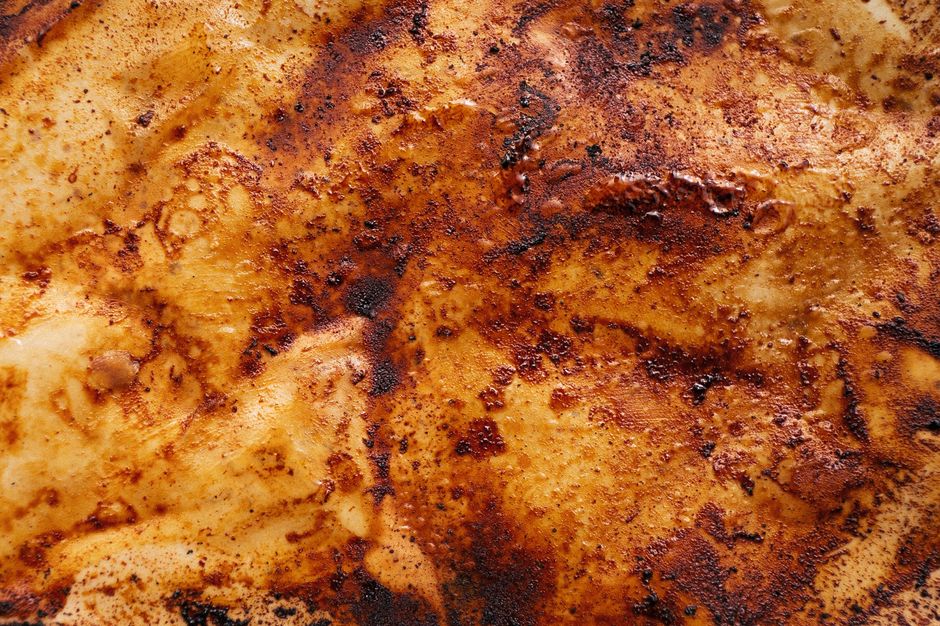
During the Maillard reaction, heat initiates a series of complex chemical reactions, primarily between amino acids (the building blocks of proteins) and reducing sugars. At temperatures around 300°F (150°C), these compounds begin to undergo various transformations, leading to the formation of new compounds that produce the characteristic brown color and unique flavors that are synonymous with caramelization.
In practical terms, this means that the longer and hotter you cook your food, the more intricate the flavors will become. However, there's a fine line—if you push the temperatures too high, the food can quickly burn, leading to an unpleasant bitterness rather than a sophisticated sweetness.
"The beauty of the Maillard reaction is that it’s a dance of flavors, where the right balance can transport a simple ingredient into the realm of culinary artistry."
Factors Influencing the Maillard Reaction
Several factors can impact the success of the Maillard reaction and, subsequently, the caramelization of your food:
Techniques for Achieving Perfect Caramelization
Now that you’ve gained an understanding of the science behind the Maillard reaction, let’s explore the techniques that can help you achieve perfect caramelization in your cooking.
Searing
Searing is one of the most effective ways to initiate the Maillard reaction, especially with proteins. When you sear meat, the high heat creates a brown crust that locks in moisture and amplifies flavor.
Roasting
Roasting contributes to caramelization through intense heat that cooks food evenly while creating a crispy exterior.
Fond
Developing fond is a culinary technique that refers to the brown bits of food that cling to the bottom of the pan during cooking. These bits are packed with flavor and can be incorporated into sauces, providing depth to your dishes.
"Understanding how to develop fond isn’t just for sauces; it’s a flavor-building technique that can significantly enhance your cooking."
Caramelization of Vegetables
Caramelizing vegetables like onions or carrots can bring out their natural sweetness, taking your dishes to a new level.
Advanced Techniques in Caramelization
Once you have the basics down, you might be ready to explore more advanced techniques that can further enhance your caramelization efforts.
Sous Vide + Searing
The sous vide method allows for precise cooking by vacuum-sealing food and heating it in water at a consistent, controlled temperature. This method can greatly enhance the quality of meat when followed by a high-heat sear.
Glazing
Glazing combines the principles of caramelization and moisture. By using a sweet liquid, you can create a shiny, flavorful coating on vegetables and meats.
Sugar Caramelization
For desserts, understanding how to caramelize sugar is essential. Sugar caramelization has its unique set of techniques that differ from those involved in the Maillard reaction.
Temperature Precision with an Infrared Thermometer
For the serious home cook, an infrared thermometer can be a game-changer. This handy device measures surface temperatures quickly and accurately.
Common Mistakes to Avoid
Despite the seeming simplicity of caramelization, there are common pitfalls that can lead to unsatisfactory results. Here’s what to watch out for:
Conclusion
Mastering the science of caramelization through the Maillard reaction is a valuable skill for any culinary enthusiast. With the right knowledge, techniques, and a bit of practice, you can transform simple ingredients into spectacular dishes that offer depth, richness, and satisfying complexity. Remember that cooking is as much about the science as it is about the art. Therefore, experiment with various methods, tool your skills with precision, and always aim for that perfect golden hue that only caramelization can provide.
The thrill of achieving the perfect caramelized crust is worth every bit of patience and precision. So, embrace the science, celebrate the flavors, and elevate your cooking with every dish you create. With this newfound understanding of the Maillard reaction, you can unleash an exciting array of flavors and extraordinary outcomes in your kitchen!


Get the Next Recipe
Weekly recipes, techniques, and gear picks — straight to your inbox.
