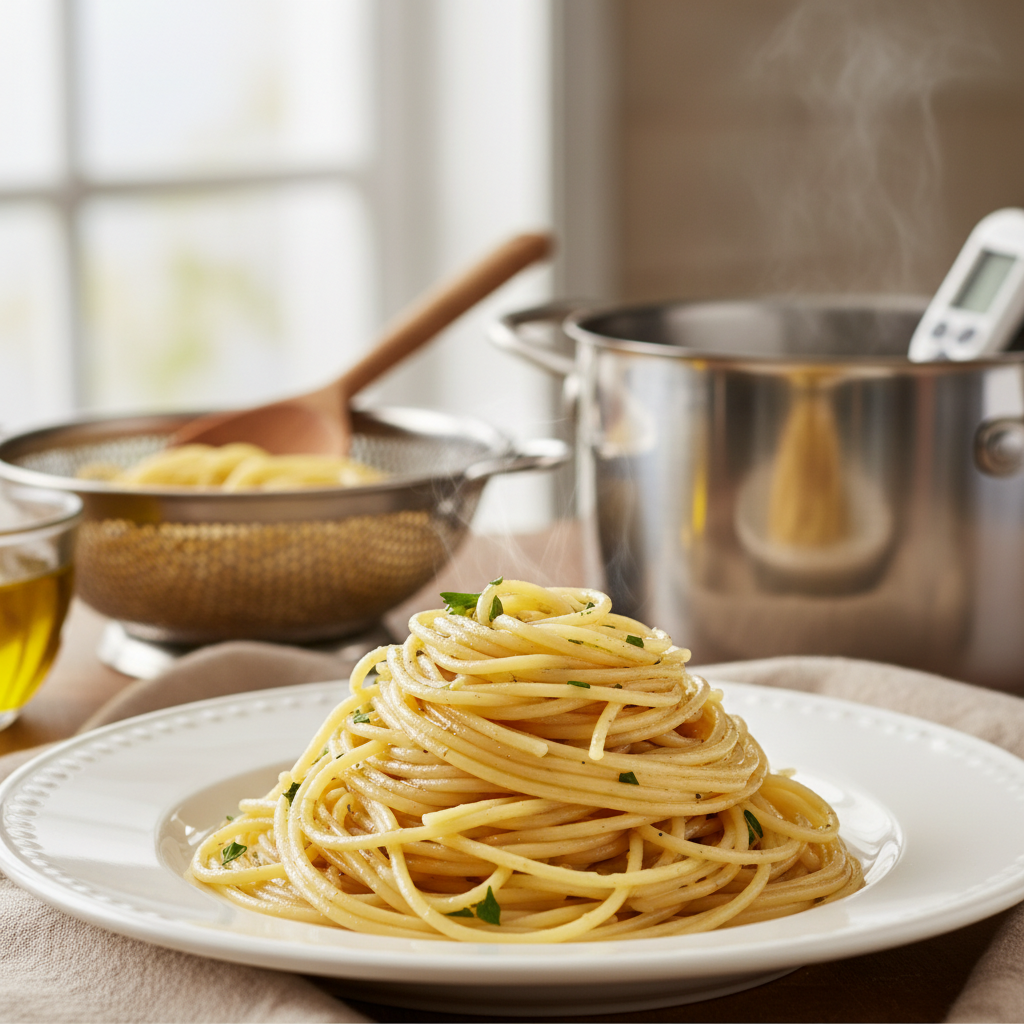
The Science of Perfect Pasta: Al Dente Every Time
For many home cooks, the mere mention of pasta conjures memories of comforting meals shared among family and friends. However, mastering the art of cooking pasta isn't just about nostalgia; it's a scientific endeavor that, when done correctly, can elevate a simple dish into a five-star experience. The key lies in understanding the nuances of cooking techniques, ingredient quality, and timing. By delving into the science of perfect pasta, one can transform everyday cooking into a culinary masterpiece that impresses the palate of any guest.
Pasta is a cornerstone of numerous cuisines worldwide, yet it remains a food that is often misjudged. While it may appear straightforward to prepare, the balance of texture, flavor, and presentation must all align for a truly exquisite dish. Achieving the ideal al dente texture is not simply a matter of boiling water and throwing in noodles; it requires attention to detail and an understanding of the various factors at play. From the type of pasta used to the precise moment it’s removed from boiling water, many elements can influence the final outcome.
As home cooks aspire to achieve that perfect bite, scientific principles come into play. The reaction of pasta in water, the interaction of its starches, and the absorption mechanics are unlike any other culinary experience. In this post, we will unravel the secrets to cooking pasta perfectly, ensuring you can replicate that delightful chew and flavor each time you prepare a meal. So, grab your pot, let’s dive in, and elevate your pasta game!
The Basics of Pasta
Before we delve deep into perfect pasta techniques, it’s essential to understand what pasta is and the different types available. Pasta is primarily made from semolina flour—durum wheat flour high in protein—which gives pasta its distinctive texture. When combined with water, it forms a dough that can be shaped, dried, and cooked into a wide variety of forms.
Types of Pasta
The world of pasta is vast and varied, with hundreds of shapes and types. Understanding these types can help you choose the right pasta for your dishes:
Understanding the type of pasta you are using and its cooking requirements is critical for achieving that perfect al dente consistency.
Preparing to Cook Pasta
Before you begin boiling pasta, there are some fundamental practices to keep in mind that can significantly impact your finished dish.
Choosing the Right Pot
The size of your pot matters. A larger pot allows the pasta to move freely while cooking, preventing it from clumping. The general recommendation is to use at least 4 to 6 quarts of water per pound of pasta. Here are some things to consider when selecting your pot:
Perfect Water to Pasta Ratio
The quantity of water is as crucial as the choice of pot. A good rule of thumb is:
Salt is essential as it not only flavors the pasta but also enhances its overall texture. When the pasta cooks in well-salted water, the exterior absorbs the salt, leading to a more flavorful dish.
Timing is Everything
Cooking time varies significantly based on the pasta type and shape. Generally, dried pasta will take anywhere from 8 to 12 minutes, while fresh pasta can cook in 2 to 5 minutes. To achieve perfect al dente pasta, consult the package for timing, but do realize the importance of tasting!
Cooking the Pasta
Once you’re set up with the right pot, water, and timing plan, it’s time to cook the pasta. This is where the magic happens, and many cooks can benefit from some well-established techniques.
Bringing Water to a Boil
Bring your water to a rolling boil before adding the pasta. This ensures the pasta cooks evenly. Here are the best practices for boiling water:
Adding the Pasta
Gently add the pasta to the boiling water, being careful to stir it right away to prevent sticking. Here are some additional tips:
Checking for Doneness
As mentioned, timing is critical for achieving al dente pasta. To test for doneness:
The technique to check for doneness is not just about timing; this tactile approach allows you to understand your pasta's exact state.
**"The love for pasta is universal, but the skills to perfect it are what set a cook apart."**
Enhancing Flavor
Now that you know how to cook your pasta perfectly, let’s explore ways to enhance the flavor. Understanding sauces, spices, and how they interact with your pasta will take your meal to the next level.
Choosing the Right Sauce
The sauce can greatly influence not only the taste but also the texture of your dish. Pair pasta shapes with appropriate sauces for a balanced experience:
Choosing the ideal sauce enhances the overall dish and can elevate a satisfying meal to one that is unforgettable.
Seasoning Your Sauce
Proper seasoning is as vital for your sauce as it is for your pasta. Here are some spices and herbs that can enhance your pasta dishes:
Do not be afraid to experiment with combinations of flavors to find what works best for your palate!
**"Flavor is the essence, whereas technique is the framework."**
Saucing Your Pasta
When dressing your pasta with sauce, consider the following techniques to ensure even coating and delightful mixture:
Final Garnishing Touches
Don’t forget about finishing touches! After plating, consider adding:
These little details transform a simple dinner into an exquisite culinary experience.
Troubleshooting Common Pasta Issues
Even seasoned cooks can sometimes face issues while cooking pasta. Let’s explore some common problems and how to fix them.
Pasta Sticking Together
If you find that your pasta is sticking, it could be due to several reasons:
To fix sticky pasta, you can quickly toss it with a splash of olive oil or gently unstick it with a fork.
Overcooked Pasta
Overcooking is often a result of not monitoring the cooking time closely. Here’s how to salvage it:
Under-Cooked Pasta
If your pasta is undercooked, fear not; it can be fixed easily. Simply return it to boiling water for a couple of additional minutes, checking often.
Innovative Pasta Dishes to Try
Now that we’ve covered the essential techniques for cooking pasta to perfection and common pitfalls to avoid, let’s explore some innovative dishes that showcase your newfound skills.
1. Pesto Pasta
A classic dish that allows you to enjoy fresh flavors:
- 1 pound of your preferred pasta
- 2 cups fresh basil
- 1/2 cup olive oil
- 1/3 cup pine nuts
- 1/2 cup grated Parmesan cheese
- 2 garlic cloves
- Salt and pepper to taste
1. Cook your pasta according to package instructions.
2. In a food processor, combine basil, pine nuts, garlic, and cheese. Blend while gradually adding olive oil until smooth.
3. Toss the cooked pasta with the pesto sauce and adjust seasoning with salt and pepper. Add reserved pasta water as needed for consistency.
2. Pasta alla Carbonara
A creamy Italian classic that requires precision for emulsifying the sauce:
- 1 pound spaghetti
- 4 large eggs
- 1 cup grated Pecorino Romano cheese
- 4 ounces pancetta or guanciale
- Freshly cracked black pepper
1. Cook the spaghetti in salted water until al dente.
2. While the pasta cooks, cook pancetta until crispy.
3. In a bowl, whisk eggs and cheese together.
4. Once pasta is done, reserve some pasta water, drain, and quickly stir into the pancetta pan.
5. Remove from heat and swiftly mix in the egg and cheese mixture, adding pasta water to create a creamy consistency.
3. Baked Ziti
A wonderful option for feeding a crowd or for meal prep:
- 1 pound ziti
- 3 cups marinara sauce
- 2 cups ricotta cheese
- 2 cups grated mozzarella cheese
- 1 cup grated Parmesan cheese
- Fresh herbs
1. Cook ziti according to package instructions until al dente.
2. Mix cooked ziti with marinara and ricotta in a baking dish.
3. Top with mozzarella and Parmesan.
4. Bake at 375°F (190°C) for about 25 minutes until bubbly and golden. Finish with fresh herbs as garnish.
Conclusion
Mastering the art of cooking pasta is an intricate balance of science and technique. By understanding the types of pasta, selecting the right tools and ingredients, and honing your cooking skills, you can create an exceptional dining experience each time. From achieving that perfect al dente texture to pairing sauces and enhancing flavors, your journey into pasta perfection is now well underway.
As you explore innovative dishes, remember that each pasta meal is an avenue for creativity. Dive into your kitchen with enthusiasm and confidence, knowing that the skills you've developed will serve you well. Cooking may require practice, but with each attempt, you’ll not only improve your technique but also your culinary repertoire. Happy cooking, and remember—when it comes to pasta, practice makes perfect!
Get the Next Recipe
Weekly recipes, techniques, and gear picks — straight to your inbox.
