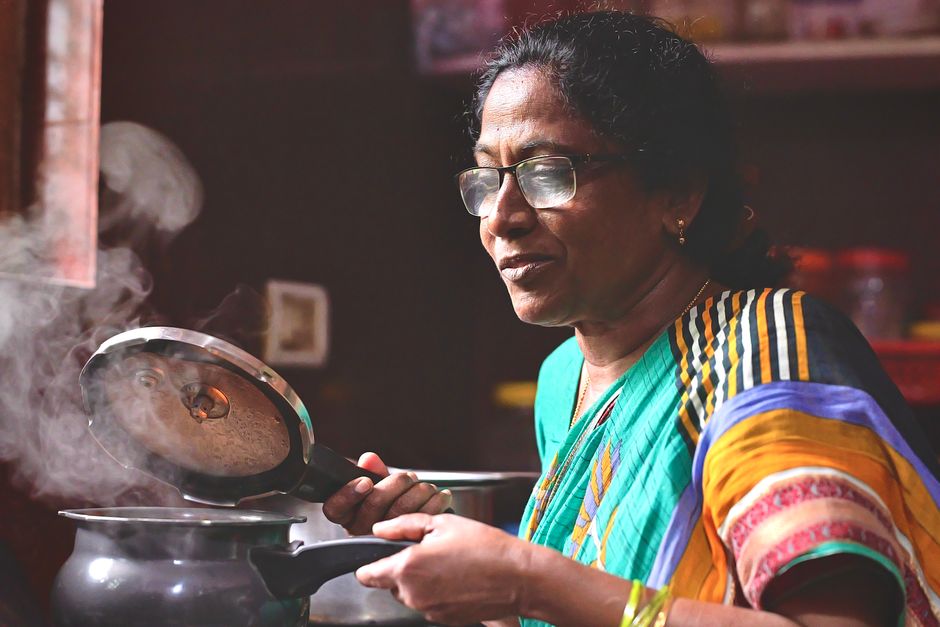
The Science of Pressure Cooking: How Steam and Pressure Transform Tough Cuts into Tender Meals in Record Time
There is a common misconception among home cooks that the pressure cooker is merely a vessel for convenience—a way to rush a weeknight meal when the clock is ticking and hunger is imminent. While it is certainly efficient, viewing it only through the lens of speed does a disservice to the sophisticated physics occurring within that sealed metal chamber. At its core, a pressure cooker is an instrument of transformation, turning collagen-heavy, sinewy cuts of meat into velvet-soft delicacies that would otherwise require half a day in a conventional oven. By manipulating the fundamental laws of thermodynamics, we are able to bypass the agonizing wait times of traditional braising without sacrificing a single ounce of flavor or texture. Once you grasp the mechanics of what is happening under the lid, you move from being a mere recipe follower to an architect of your own culinary outcomes.
The journey into pressure cooking begins with an appreciation for the relationship between atmospheric pressure and the boiling point of water. Under normal conditions, water boils at 212 degrees Fahrenheit (100 degrees Celsius) at sea level, a limit that dictates how quickly we can cook most foods. However, by creating a hermetically sealed environment, the pressure cooker prevents steam from escaping, which causes the internal pressure to rise significantly. As this pressure builds, the boiling point of the liquid inside climbs, often reaching upwards of 250 degrees Fahrenheit (121 degrees Celsius). This higher temperature is the engine of the process, forcing heat into the fibers of the food at a rate that is physically impossible in a standard pot or pan.
As a chef, I have watched students struggle with the toughness of beef chuck or pork shoulder, often blaming the quality of the meat when the real culprit is their methodology. The pressure cooker is the great equalizer, a tool that respects the molecular structure of ingredients while demanding mastery of its unique environment. When you utilize the pressurized environment, you are not just cooking faster; you are inducing a faster conversion of tough, structural proteins into edible richness. It is a process that requires a delicate balance of moisture, heat, and timing, but once you master the "Blame The Chef" approach to pressurized cooking, your kitchen will never feel the same. Prepare to abandon the notion that long-term cooking requires long-term attendance, as we dive deep into the fascinating, pressurized world of accelerated gastronomy.
The Thermodynamic Mechanics of Sealed Environments
At the heart of every pressure cooker is the Ideal Gas Law, which dictates that pressure and temperature are intrinsically linked within a fixed volume. As the heat source adds energy to the water, the water molecules turn into steam. Because this steam cannot escape, it collects in the headspace of the vessel, pressing down on the surface of the cooking liquid. This increased pressure forces the water to remain in a liquid state at temperatures well beyond its normal boiling point. This high-temperature liquid acts as a super-heated solvent, capable of breaking down complex molecules in record time.
The efficacy of this method lies in the speed of collagen hydrolysis. In tougher cuts of meat, collagen acts like a structural lattice, keeping the muscles rigid and chewy. To make these meats tender, we need to convert that collagen into gelatin, a process that occurs when collagen is heated in the presence of moisture. While a standard braise accomplishes this over four to six hours at lower temperatures, the pressure cooker compresses this window by providing the intensity of higher heat without the evaporative cooling that happens in an open pot. The result is a texture that is exceptionally moist, as the sealed environment prevents the moisture loss that usually leads to dry, stringy protein.
Understanding PSI and Heat Regulation
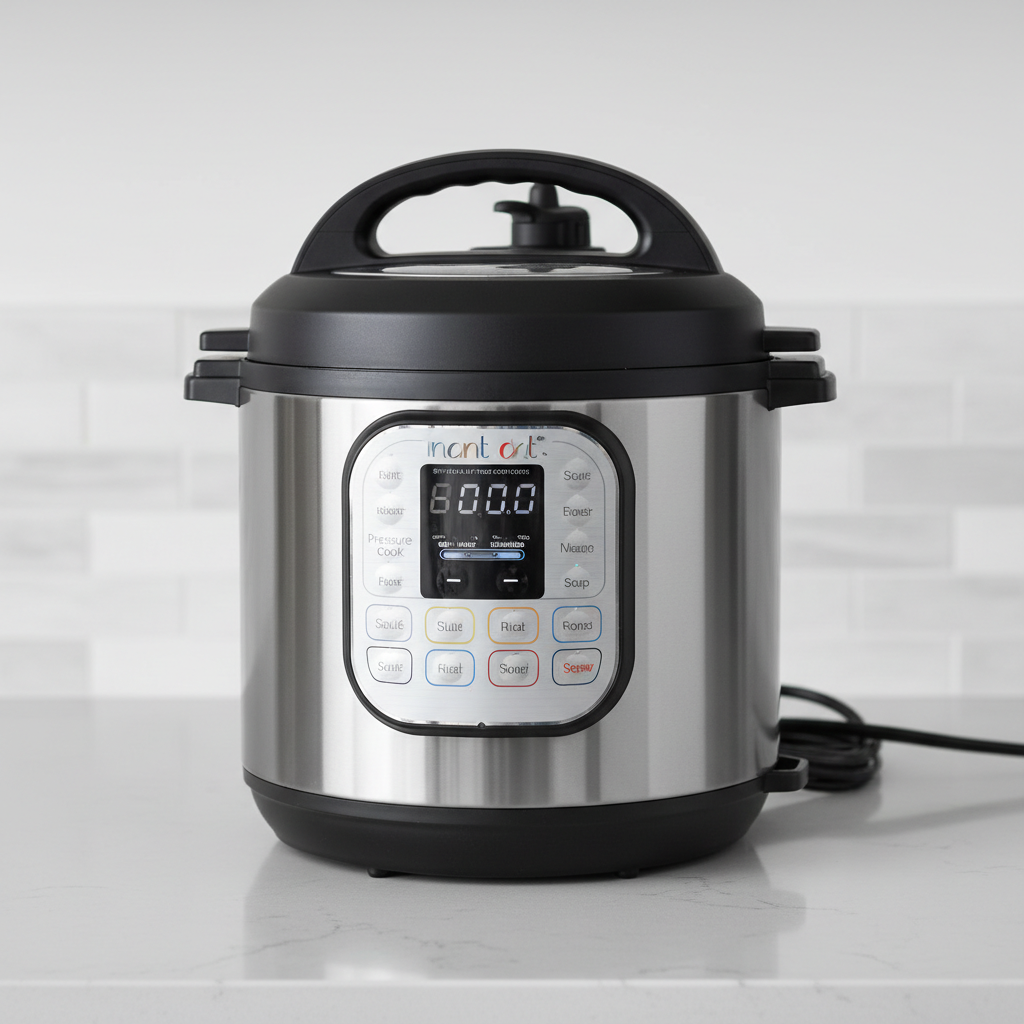
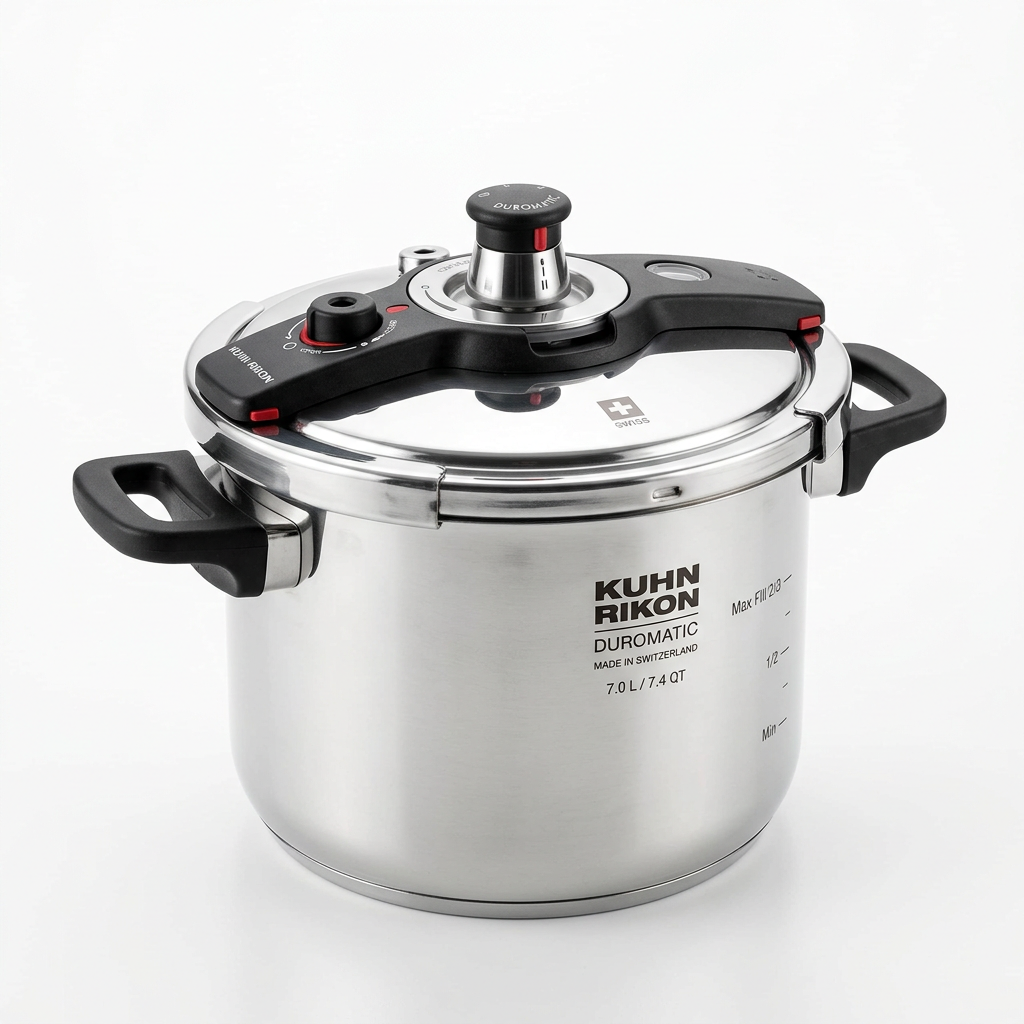
Most modern stovetop pressure cookers operate at approximately 15 PSI (pounds per square inch), while electric multi-cookers often hover around 10 to 12 PSI. It is vital to understand that your cooking times must be adjusted based on the specific PSI rating of your unit. A higher PSI means a higher internal temperature, and consequently, a faster cooking time. If you are using a standard electric pressure cooker, you may find that you need to add an extra 10% to 15% to your cooking time compared to a high-pressure stovetop model to achieve the same degree of breakdown in connective tissues.
The pressure cooker is not just a shortcut; it is a precision instrument that uses the laws of physics to redefine what we consider to be a 'quick' dinner.
Ingredient Selection for the Pressurized Vessel
When we talk about "tough cuts," we are referring to muscles that worked hard during the animal's life, such as the chuck roast, short ribs, pork shoulder, and shank. These are high in connective tissue, which is precisely what the pressure cooker excels at melting down. Conversely, lean cuts like tenderloin or breast are often poor candidates for pressure cooking because they lack the collagen necessary to benefit from the prolonged heat, and they often become dry before the cooking cycle is even complete. Always look for cuts with heavy marbling and visible connective tissue to ensure a successful outcome.
The liquid ratio is another point of frequent confusion. In a conventional oven or stovetop pot, evaporation is your enemy, forcing you to add large volumes of liquid to keep the food from drying out. In a pressure cooker, however, evaporation is essentially non-existent. You only need enough liquid to come to a boil and generate the necessary steam to pressurize the vessel. For most stew-like dishes, one to one-and-a-half cups of liquid is more than sufficient, regardless of the size of the roast. Using too much liquid will result in a diluted sauce, requiring you to spend precious time reducing it after the cook cycle, which defeats the purpose of the efficiency we are aiming for.
Preparing Aromatics and Vegetables
Vegetables are the trickiest part of the pressure cooker equation due to their varying densities. If you add root vegetables like carrots, potatoes, and onions at the same time as a three-pound beef roast, the roast will be perfect, but the vegetables will likely dissolve into a mushy paste. To maintain textural integrity, I suggest cutting root vegetables into large, uniform chunks (at least two inches) to ensure they hold up to the pressure. If you are preparing a delicate dish, consider cooking your vegetables separately or adding them during a second, shorter pressure cycle once the meat has reached the desired level of tenderness.
The Ritual of Searing and Deglazing
A common error among home cooks is skipping the Maillard reaction. The Maillard reaction is the chemical process between amino acids and reducing sugars that gives browned food its distinctive flavor. Because the pressure cooker relies on steam, it cannot achieve the browning necessary to create that deep, complex crust that defines high-end cooking. Therefore, you must perform this step in the pot before adding your liquid and sealing the unit. Use a high-smoke-point oil, such as grapeseed or avocado oil, and ensure your meat is patted perfectly dry before it hits the hot metal.
Once the meat is deeply browned on all sides, remove it and add your aromatics—onions, garlic, celery, and carrots—to the fond left behind. After they have softened, you must deglaze the pot. Using a liquid like wine, stock, or even balsamic vinegar, scrape the bottom of the pot with a wooden spoon. This is where the foundation of your sauce lies. The bits of browned meat and caramelized sugars are essential to the depth of your final dish. If you fail to deglaze, you risk receiving a "Burn" warning on electric models, and more importantly, you lose the most flavorful component of your meal.
Browning is not just a visual step; it is the fundamental chemical process that bridges the gap between 'boiled' and 'braised.'
Managing the Depressurization Cycle
There are three ways to release the pressure from your cooker: Natural Release, Quick Release, and Pulsed Release. Each method serves a specific purpose, and choosing the wrong one can result in a culinary disaster. Natural Release occurs when you turn off the heat and let the cooker slowly lose pressure on its own. This is the gold standard for large cuts of meat, as it allows the internal temperature to stabilize and the meat fibers to relax as they soak in the braising liquid. During this stage, the temperature inside the pot slowly drops, which allows for a secondary, gentle cooking phase that finishes the connective tissue breakdown.
Quick Release, achieved by opening the pressure valve manually, is intended for foods that are prone to overcooking, such as green vegetables, seafood, or quick-cooking legumes. If you use this method on a piece of beef chuck, you will likely cause the meat to seize up, as the sudden drop in pressure causes the steam within the muscle fibers to expand and contract violently. As a general rule, if the protein is large or particularly tough, use a 15-minute Natural Release before transitioning to a full manual release. This buffer period is where the final, silken texture is born.
The Importance of Liquid Temperature
When choosing your cooking liquid, consider starting with hot or boiling stock. This reduces the time it takes for the pressure cooker to reach its operating temperature, which in turn reduces the amount of time the food spends in the "warm-up" phase. While this seems like a minor detail, it prevents the exterior of your meat from becoming over-processed while the core is still cold. Professional kitchens always prioritize thermal efficiency, and by pre-heating your braising liquid, you ensure that the pressurized phase of cooking begins the moment the lid is locked.
The Science of Seasoning and Reduction
Once the cooking cycle is complete and the pressure has been safely released, you are often left with a thin, flavorful liquid. In a traditional braise, the liquid would have reduced as it cooked, concentrating the flavors. In the pressure cooker, however, the volume of liquid remains constant. This is where you must transition from "cook" to "chef." Remove your meat to a warm platter, and turn your pressure cooker to the Sauté or Sear function to bring your sauce to a rapid boil.
This is the phase of emulsification and reduction. You want to reduce the liquid by at least half to achieve a sauce that coats the back of a spoon. To take it to the next level, I always recommend finishing the sauce with a "monté au beurre"—a technique where you whisk in a tablespoon of cold, unsalted butter right before serving. The cold butter emulsifies into the hot liquid, creating a glossy, rich finish that adds a professional mouthfeel to the dish. Do not be afraid to taste and adjust your seasoning at this stage, as the pressurized environment can sometimes mute the perception of salt and acidity.
Common Pitfalls and Troubleshooting
If you find that your food is turning out tough, you have likely under-pressurized or under-cooked the item. Always check the sealing ring of your cooker; a worn or loose ring will cause steam to escape, preventing the pot from reaching the high-temperature environment necessary for breaking down collagen. If your meat is tender but the flavor is bland, revisit your aromatics. The pressure cooker infuses flavors into the meat more effectively than open-pot cooking, so be generous with your herbs and aromatics, as the steam will carry those essential oils throughout the entire volume of the liquid.
Mastering Texture: The Role of Temperature Stability
Achieving the perfect texture in a pressure cooker is not just about the length of time; it is about the stability of the thermal environment. A pressure cooker is, by definition, a stable environment because it is isolated from the kitchen's ambient temperature. However, the initial heat input matters. If you are cooking a large roast, ensure the liquid is at least at a simmer before sealing the unit. This creates an immediate environment of high-pressure steam, which is critical for even cooking. If the internal temperature fluctuates because the heat source is too low, you may end up with a dish that is inconsistently cooked, with some fibers breaking down while others remain stubbornly firm.
Furthermore, the rest period is a non-negotiable step. Just like a steak that is pulled off a grill, meat that has been cooked under pressure needs time to reabsorb its own juices. Once you have opened the lid, let the meat rest in the braising liquid for five to ten minutes before slicing. This allows the proteins to settle, which ensures that each slice remains juicy. A common mistake is moving directly from the pot to the carving board; this causes the internal juices to run out immediately, leaving the protein looking gray and feeling dry. The pressure cooker gives you the gift of time, so use that extra time to treat your ingredients with the care they deserve.
In the world of high-pressure cooking, patience during the resting phase is the final ingredient that separates a good meal from a masterpiece.
Advanced Techniques: Infusion and Brining
Beyond the standard braise, the pressure cooker offers incredible opportunities for flavor infusion. Because the high pressure forces liquid into the cellular structure of food, you can create intense flavor profiles in minutes that would usually take days. For example, you can use the pressure cooker to infuse stocks with spices like star anise, cloves, or cinnamon at a depth that is impossible to achieve through standard simmering. Simply add your aromatics to the liquid, pressurize, and let the process do the work.
Brining is another technique that benefits from the pressure cooker. While we traditionally brine meat for 24 hours in the refrigerator, you can simulate a rapid brine by utilizing the pressure cycle. By adding a high-salinity liquid to the pot, the pressure forces the salt and aromatics into the outer layers of the protein far faster than simple osmosis can manage. Be careful with your salt ratios, however. Because the liquid does not evaporate, your salt concentration will be exactly what you put in the pot. Start with a conservative ratio and adjust after the cooking cycle is complete.
The Future of Home Pressure Cooking
As we look at the evolution of modern home appliances, the integration of sensors and digital controls in pressure cookers is making the process more precise than ever. We are moving toward a future where we can input the specific weight and cut of meat, and the machine will automatically adjust the pressure and timing to reach the perfect degree of doneness. Despite these advancements, the underlying principles remain the same: the mastery of heat, moisture, and pressure. Understanding these fundamentals allows you to control your kitchen rather than being controlled by it.
Conclusion
The pressure cooker is perhaps the most misunderstood tool in the modern kitchen, often relegated to the back of a cabinet or viewed with a hint of intimidation. Yet, when we peel back the layers of science, we see a device that is inherently logical and remarkably consistent. By leveraging the power of high-pressure steam to break down collagen and forcing intense flavor into the very fibers of our ingredients, we can create meals that possess the depth and complexity of long-simmered dishes in a fraction of the time.
To become a master of the pressure cooker, you must embrace the process. It starts with selecting the right cuts, honoring the Maillard reaction through proper searing, understanding the nuances of the pressure release, and finishing your sauce with the care of a professional. When you take the time to learn these techniques, the pressure cooker ceases to be a machine of convenience and instead becomes a tool of culinary excellence. It allows you to transform the mundane into the extraordinary, proving that speed and quality are not mutually exclusive.
As you move forward in your cooking journey, remember that the "Blame The Chef" philosophy is built on the belief that anyone can achieve restaurant-quality results if they understand the "why" behind the "how." The pressure cooker is simply a medium for this understanding. Practice these techniques, experiment with your aromatics, and don't be afraid to test the boundaries of what this incredible piece of engineering can do. Your kitchen is your laboratory, and every meal is an opportunity to refine your understanding of the science of food. The next time you find yourself staring at a tough cut of meat, reach for the pressure cooker with confidence, knowing exactly how to unlock the hidden tenderness within. Happy cooking, and may your pressure be high and your results always delicious.

Get the Next Recipe
Weekly recipes, techniques, and gear picks — straight to your inbox.
