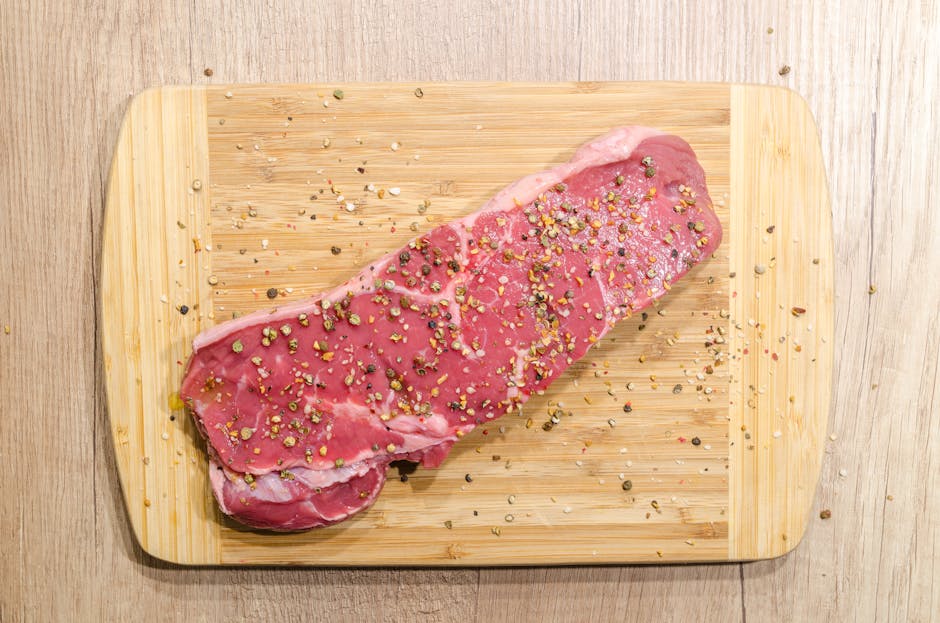
The Science of Resting Meat: Why Patience After Cooking Creates Juicier Results
The kitchen is a place of alchemy, where raw ingredients are transformed through the application of heat, time, and technique. As home cooks, we often spend hours obsessing over the perfect sear on a ribeye, the precise seasoning of a roast chicken, or the internal temperature of a rack of lamb. We meticulously follow recipes, calibrate our ovens, and invest in high-quality thermometers to ensure we hit that elusive "perfect" level of doneness. Yet, despite all this preparation, many of us fall at the final hurdle: the impatient urge to slice into our protein the very second it leaves the heat. We treat the cutting board as the finish line, eager to serve the meal while it is piping hot, unaware that this haste is often the reason our hard work ends up dry, stringy, or flavorless on the plate.
Resting meat is not merely a suggestion or a polite culinary tradition; it is a fundamental pillar of food science that dictates the quality of the final bite. When you understand the physics occurring within the muscle fibers during and immediately after the cooking process, you stop viewing resting as a delay and start seeing it as a mandatory final step of the cooking process itself. It is a moment of equilibrium, where the chaotic energy of the oven or grill settles into a state of structural stability. By allowing your protein to sit undisturbed, you are essentially letting the muscle proteins relax, which allows the juices that have been pushed toward the center of the cut to redistribute back throughout the entire piece. This single habit is perhaps the most significant upgrade you can make to your cooking repertoire, requiring zero extra ingredients but offering a massive payoff in texture and succulence.
In this deep dive into the science of resting, we will explore the complex molecular changes that happen to proteins and moisture during the cooling phase. We will examine how different cuts—from delicate filets to massive, collagen-heavy briskets—require varying resting strategies to reach their peak potential. Our goal here at Blame The Chef is to arm you with the technical understanding needed to take control of your kitchen results, ensuring that you never serve a dry or disappointing cut of meat again. Whether you are a weekend griller or a weeknight family cook, these principles are universal. Prepare to discard the urge for instant gratification, embrace the patience required for culinary excellence, and discover exactly why the most important part of cooking happens after the heat is turned off.
The Molecular Ballet: Muscle Fibers and Moisture
At the heart of the resting debate is the behavior of muscle fibers under heat. Muscle tissue is essentially a bundle of long, thin proteins organized into fibers, bound together by connective tissues like collagen. When meat is raw, these fibers are relatively loose and pliable. As we apply heat—whether via roasting, searing, or grilling—these proteins begin to denature and coagulate. This tightening of the protein strands is what gives cooked meat its structure, but it also creates a squeeze, pushing the water held within those fibers out toward the center of the cut, where the temperature is typically lower during the active cooking phase.
When you pull a steak off the grill, the heat has created a thermal gradient. The exterior is significantly hotter than the interior, and the muscle fibers on the surface are tightly contracted, acting as a pressurized system. If you take a knife to the meat the moment it leaves the heat, the pressure differential causes those concentrated juices to rush out instantly. Instead of staying within the meat where they belong, those savory liquids end up pooling on your cutting board, leaving your steak dehydrated and dull. The resting period is essentially a time for the temperature to equalize and the denatured proteins to relax, allowing them to absorb the moisture back into their structure.
The secret to a perfect cut of meat is not found in the fire, but in the silence of the cutting board. When you rest your meat, you are allowing the thermodynamics of the cut to stabilize, ensuring that every drop of flavor remains exactly where it should be: in the protein.
Understanding Thermal Momentum
One concept that often confuses home cooks is carry-over cooking. Even after you remove a roast from a 400-degree oven, the exterior surface remains extremely hot. This thermal energy continues to conduct inward, raising the internal temperature by several degrees—often as much as 5 to 10 degrees depending on the size and shape of the item. This is why it is vital to pull your meat off the heat source slightly before it hits your target internal temperature. Resting provides the perfect window for this thermal momentum to finish the cooking process gently and evenly.
The Variable of Surface Area and Cut Size
Not all cuts of meat are created equal when it comes to the physics of resting. A thin cut, like a skirt steak or a pork chop, has a much higher surface-area-to-volume ratio than a massive standing rib roast. Because of this, thin cuts lose heat rapidly to the surrounding air. If you rest a thin steak for twenty minutes, you might end up with a meal that is unpleasantly cold. Conversely, a large roast contains a tremendous amount of thermal mass; it will continue to climb in temperature long after leaving the oven, and it needs a longer period to allow the exterior to cool enough that it won't "bleed out" upon carving.
When dealing with large roasts, the internal pressure is much higher because of the prolonged exposure to heat. If you carve a ten-pound brisket immediately, the sheer volume of juice released is significantly higher than that of a single steak. To manage this, professional chefs utilize a technique called tenting. By loosely covering the meat with aluminum foil, you trap a small amount of heat to prevent the exterior from becoming icy, while still allowing steam to escape so the crust doesn't become soggy.
Key Resting Times for Different Proteins
Thin Steaks (up to 1 inch):* Rest for 5 to 7 minutes on a warm plate.
Thick Steaks (1.5 inches+):* Rest for 10 to 15 minutes to allow for temperature equalization.
Pork Chops:* Rest for 5 minutes, as they have leaner muscle structures that dry out quickly.
Roasts (Whole chicken, beef tenderloin):* Rest for 20 to 30 minutes, or until the internal temp plateaus.
Large Briskets or Prime Rib:* Can rest for up to an hour if wrapped in butcher paper and held in a warm cooler.
The Role of Fat and Connective Tissue
While we often focus on the water content, the intramuscular fat—often called marbling—plays a critical role in the resting process. As the fat renders during the cooking process, it turns from a solid state into a liquid state. This liquid fat, combined with the meat's natural juices, creates the mouthfeel we associate with high-quality beef. During the resting period, this rendered fat begins to cool and thicken, moving from a watery consistency back to a slightly more viscous state. This transition helps the meat hold onto its juices much better than it would if the fat were still piping hot and runny.
Furthermore, cuts with high levels of collagen (like shoulder, shank, or brisket) require a different approach. Because these cuts are often cooked to higher internal temperatures to break down the connective tissue, they are already quite tender. However, if you slice them while they are still steaming hot, the fibers that have just been converted into soft gelatin can collapse under the blade. A proper rest allows that gelatin to set slightly, giving you clean, professional slices rather than a shredded, falling-apart mess.
Patience is the hidden ingredient in every masterfully prepared meal. By allowing the meat to rest, you are giving the muscle proteins the necessary time to reabsorb the rendered fats and natural juices, resulting in a significantly more tender and flavorful dining experience.
Why Quality Matters
Remember that even the most well-rested piece of supermarket-grade, low-marbled beef will struggle to compete with a well-rested, high-quality Prime or Wagyu cut. Resting enhances the qualities already present in the meat; it cannot manufacture moisture where there is none. Always source the best quality protein your budget allows, and let the science of resting do the heavy lifting to showcase that quality.
Professional Techniques for Optimal Resting
To achieve the results you see in culinary magazines or high-end steakhouses, it is important to treat the resting phase with the same care as the searing phase. First, never rest your meat directly on a cold, metal cutting board. A cold surface will shock the bottom of the meat, causing the juices to retreat toward the center unevenly. Instead, use a wooden cutting board or a warmed ceramic platter. The wood acts as an insulator, and a warm plate helps maintain the surface temperature of the meat during the rest.
Another professional tip is to avoid cutting into the meat to "check" its doneness during the resting period. Every time you pierce the surface, you provide an exit route for the very juices you are trying to preserve. Instead, rely on a digital instant-read thermometer before you take the meat off the heat. If you are worried about the temperature dropping too fast, you can place the meat in a "warm zone," such as a turned-off oven with the door slightly ajar, or on the cooler side of a charcoal grill, away from direct heat.
Essential Resting Checklist
The Science of the "Second Sear"
Some chefs advocate for a second sear after a long rest, particularly for very thick cuts like a tomahawk steak or a roast. If you have rested a large piece of meat for thirty minutes, the exterior crust may have lost its initial "crunch" due to the steam released from the resting meat. To fix this, you can quickly toss the meat into a screaming-hot cast iron skillet with a knob of butter for 30 seconds per side. This restores the Maillard reaction on the surface without significantly altering the temperature of the interior, provided you do it quickly.
This technique is a favorite in steakhouse environments, where the meat is often cooked to order but needs to be served perfectly plated. By balancing the rest with a final, high-heat flash, you get the best of both worlds: a perfectly hydrated, juicy interior and a vibrant, crisp exterior. It is an advanced move, but one that separates a "home-cooked" meal from a "professional-grade" dining experience.
Common Mistakes to Avoid
Resting on a wire rack:* While good for cooling fried foods, resting meat on a wire rack can cause it to lose heat too quickly from the bottom.
Wrapping too tightly:* If you wrap the meat in foil like a tight blanket, the meat will continue to steam. This will soften your crust and ruin the texture of the sear.
Ignoring the grain:* No amount of resting will fix a slice of meat cut with the grain, which creates long, chewy fibers. Always observe the direction of the muscle fibers and slice perpendicular to them.
The Sensory Impact: Flavor and Texture
We have focused largely on the physics of water retention, but it is worth noting the impact of resting on the overall flavor profile. When muscle fibers are full of juice, they are also full of dissolved amino acids, sugars, and minerals. These are the chemical compounds that we perceive as "beefy," "savory," or "umami." When you carve meat prematurely and let those juices run onto the board, you are literally losing the flavor of the dish.
Furthermore, texture is a primary component of how we experience food. A piece of meat that has been rested is succulent and yields easily to the tooth. A piece of meat that was sliced too early will feel fibrous, sandy, or dry, regardless of how well it was marbled. The transition from the high-tension environment of the cooking process to the relaxed, juicy state achieved during the rest is what makes meat feel "tender." It changes the eating experience from a chore of chewing to a pleasure of flavor release.
The goal of the chef is to control the environment. When you master the science of resting, you stop being a victim of your equipment and start being an architect of the final bite.
The Role of Salt
It is important to remember that the timing of your seasoning also affects the meat's ability to hold juices. Dry brining—salting your meat well in advance—allows the salt to penetrate deep into the muscle tissue via osmosis. This creates a more stable protein structure that is better equipped to retain moisture during the cook. When you combine dry brining with a proper resting period, you are creating a synergistic effect that results in the most professional-tasting proteins possible in a home kitchen.
Embracing the Process
The shift toward being a better home cook is often a shift in mindset. It is about understanding that the time between turning off the stove and taking the first bite is not "dead time." It is active, essential culinary work. It is the moment when the meat settles into its best self. When you start timing your resting periods with the same precision you use for your heat management, you will notice a consistent difference in the quality of your meals. Your roasts will be more succulent, your steaks will have a more uniform doneness, and your kitchen will feel like a place of measured expertise.
Start by practicing patience with smaller, cheaper cuts. Experiment with a simple pork chop or a thick-cut piece of sirloin. Time your rest for exactly ten minutes and compare the results to a piece you cut immediately. The difference will be stark. You will see less liquid on the board and feel more tenderness in the bite. Once you have seen the science in action, the habit will become second nature, and you will never again be tempted to rush the finish line.
Elevating Your Technique
As you continue to refine your skills, consider the following habits for long-term improvement:
Final Thoughts
The art of resting meat is a testament to the fact that cooking is as much about science as it is about passion. By understanding the interaction between temperature, protein structure, and moisture distribution, we move past the guesswork that often leads to culinary frustration. We learn that resting is not just a polite pause; it is a vital chemical process that restores balance to the muscle, ensuring that our ingredients are presented at their absolute peak of flavor and tenderness.
At Blame The Chef, we believe that the best meals are the result of curiosity and discipline. Whether you are searing a delicate piece of venison or roasting a massive turkey for a holiday gathering, the principles of resting remain the same. Respect the process, trust the physics, and never rush the transition from heat to plate. When you embrace the stillness of the resting period, you aren't just letting food cool down—you are building the depth, moisture, and texture that define professional-level cooking.
Take this knowledge into your kitchen tonight. Challenge yourself to wait those extra ten or twenty minutes. Watch as your guests react to the succulence of the meat, and enjoy the satisfaction of knowing that your results are no longer a matter of luck, but of technique. Mastery is built in these small, disciplined moments. Happy cooking, and remember: the best flavor is always worth the wait. Every steak you grill, every roast you pull from the oven, and every chop you pan-sear is an opportunity to prove to yourself that the science of patience is the ultimate culinary superpower. Keep exploring, keep questioning, and above all, keep enjoying the beautiful, complex, and incredibly rewarding process of feeding those you love. Your journey toward the perfect meal is a lifelong endeavor, and now, you have one more tool to ensure that every step of the way is delicious.

Get the Next Recipe
Weekly recipes, techniques, and gear picks — straight to your inbox.
