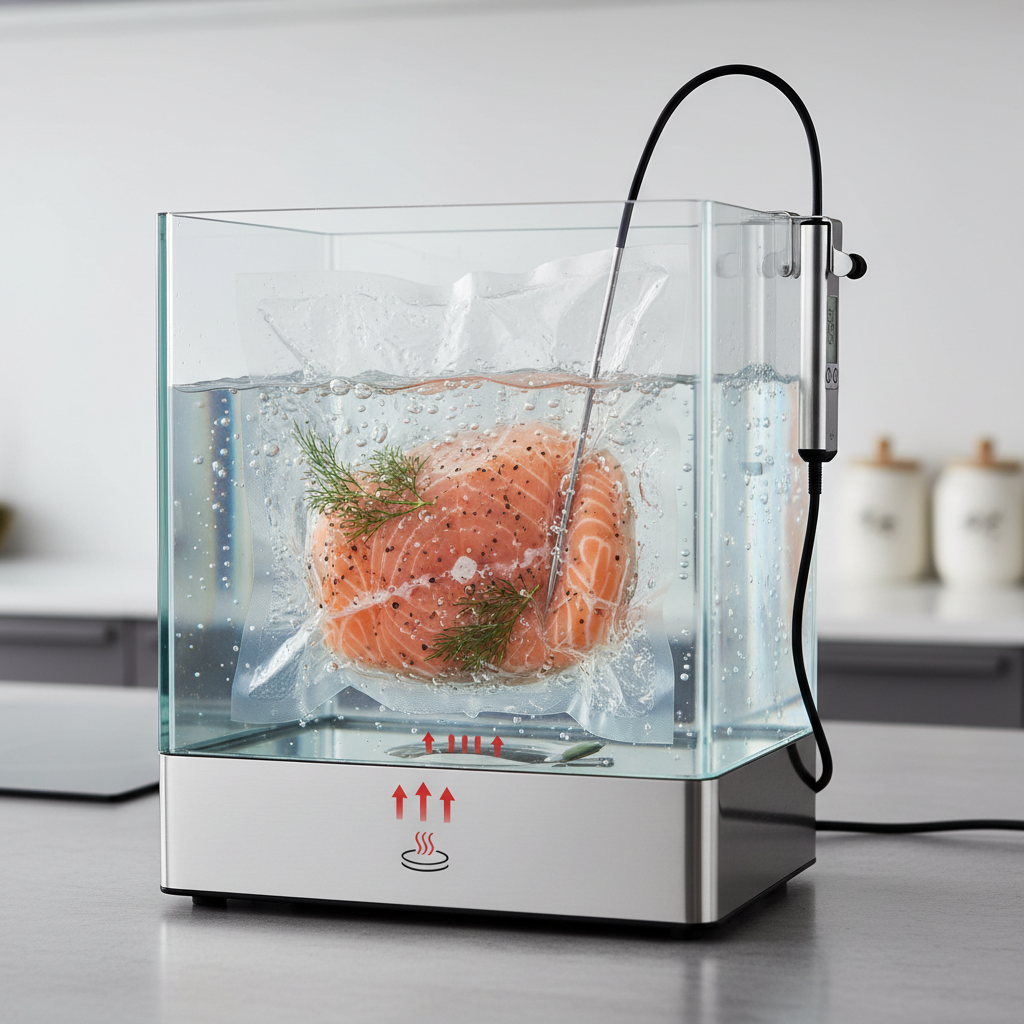
The Science of Sous Vide Cooking
Sous vide cooking has taken the culinary world by storm, breaking the barriers of traditional cooking methods and allowing home cooks and professional chefs alike to experiment with precision and control. This technique, which translates to "under vacuum" in French, involves cooking food slowly and evenly in a water bath at controlled temperatures. By immersing vacuum-sealed ingredients in heated water, sous vide cooking ensures that every bite is cooked to perfection, elevating dishes in ways that conventional cooking cannot achieve. Whether you're looking to prepare tender meats, perfectly cooked vegetables, or decadent desserts, the sous vide method offers a unique and reliable path to culinary excellence.
The allure of sous vide cooking lies not only in its simplicity but also in the science that underpins it. Understanding the physics of heat transfer, the nature of proteins, and the interaction of flavors can significantly enhance your ability to harness this method effectively. With accurate temperature control, you can achieve levels of doneness that remain elusive through more common techniques, ensuring that every steak is cooked to your desired level of doneness without the risk of overcooking. The ideal cooking temperature for a medium-rare steak, for instance, hovers around 130°F (54°C), allowing all the natural flavors and juices to remain intact—all while minimizing the cooking time.
Moreover, sous vide can transform how you approach meal preparation. It allows for meal prepping in ways that can save time during busy weekdays. With everything sealed and simmering away in water, you can focus on preparing sauces, sides, and garnishes without the pressure of timing your steak or chicken perfectly. This technique also results in remarkable texture retention, something traditional methods can struggle to achieve, enabling you to impress even the most discerning palates with your culinary creations. As we delve into the world of sous vide cooking, you'll discover the intricacies of this outstanding technique and glean practical tips to elevate your cooking game in your own kitchen.
What is Sous Vide Cooking?
Sous vide cooking stands out due to its unique methodology and precision. At its core, this technique involves sealing food in a vacuum bag and cooking it in a precisely controlled water bath. This method maintains a constant cooking temperature, ensuring that food is heated evenly throughout. Unlike traditional cooking methods that rely on hot air or direct heat to transfer energy to food, sous vide ensures that heat is consistently applied in a gentle manner. This not only maintains the integrity of the ingredients but also enhances their flavors.
The History Behind Sous Vide
The roots of sous vide cooking can be traced back to the 1970s when French chefs began experimenting with the concept of cooking in vacuum-sealed bags. However, it wasn’t until the early 2000s that the technique gained popularity outside professional kitchens. Pioneering chefs, such as Thomas Keller and Heston Blumenthal, showcased the precision and benefits of sous vide in their restaurants, leading to its adoption by home cooks as well. Today, the method is widely regarded for its ability to achieve gourmet results with relatively minimal effort.
Key Concepts of Sous Vide
Understanding a few key concepts can demystify the sous vide process and enhance your cooking experience. The principle of water temperature is paramount in sous vide cooking. When you set the water to a specific temperature, every item submerged will eventually reach that temperature, not exceeding it. This means that the cooking time can be incredibly flexible; as long as food is left in the water bath long enough to cook through, overcooking is virtually impossible.
**"Sous vide allows you to cook food to a precise temperature step by step, ensuring consistency without the risk of overdoing it."**
Another important factor is the vacuum sealing process. This removes air from the bag, eliminating the risk of oxidation and creating an efficient cooking environment. Upon immersion in the heated water, the food warms evenly, breaking down connective tissues in tougher cuts of meat and preserving the tenderness of delicate items like fish. This is crucial for achieving perfect textures and flavors.
Essential Sous Vide Equipment
To begin your sous vide journey, you'll need a few essential tools that can range from basic to professional-grade. Here’s a closer look at the necessary equipment to get you started with sous vide cooking.
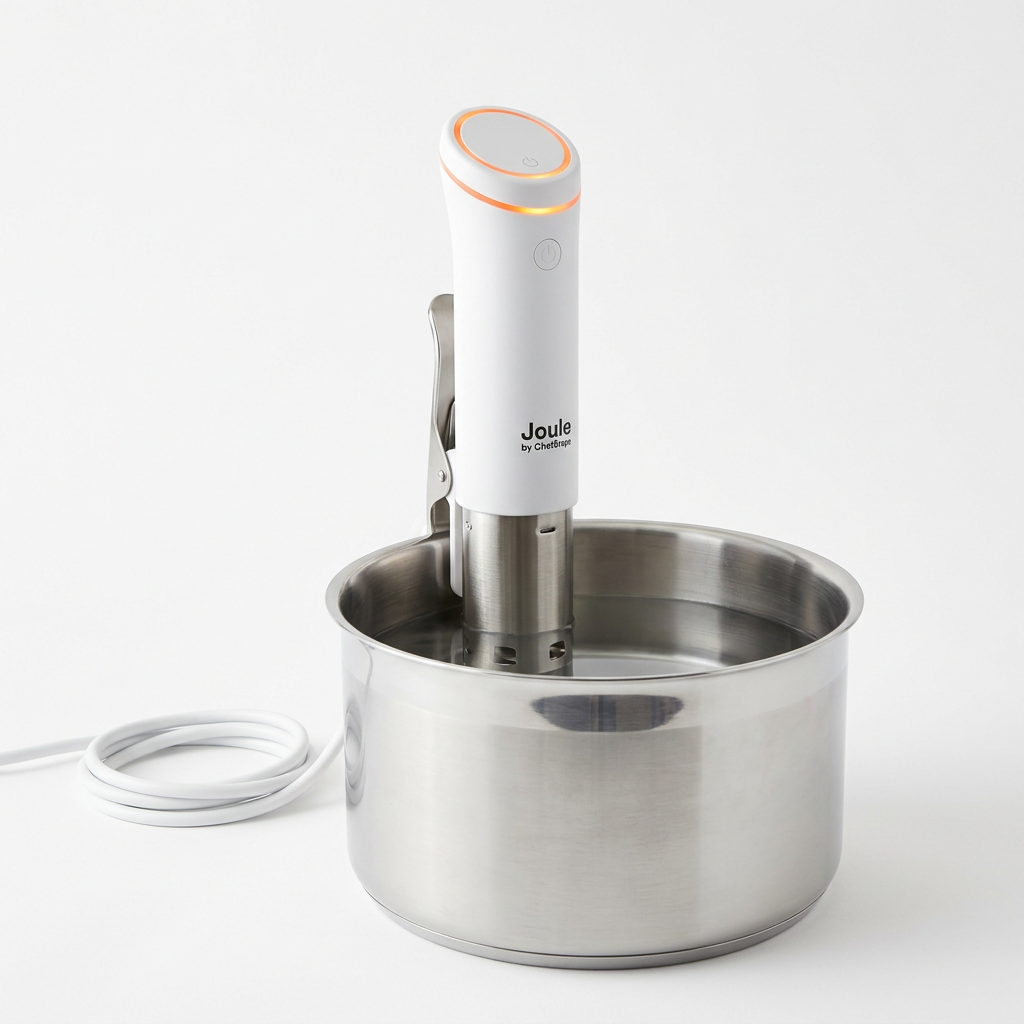
Sous Vide Immersion Circulator
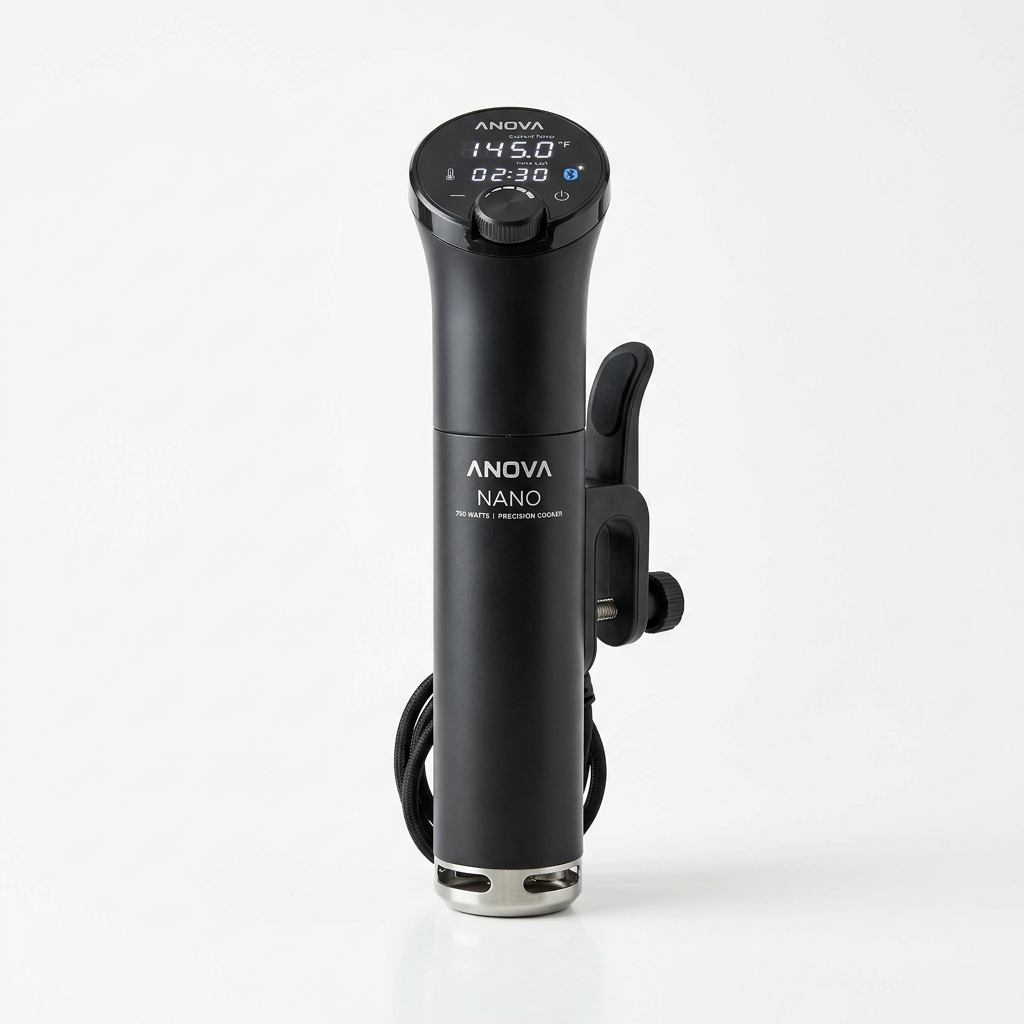
The heart of sous vide cooking is the immersion circulator, a device that heats the water to a precise temperature while circulating it to guarantee uniform heat distribution. When selecting a circulator, consider the following:
Vacuum Sealer
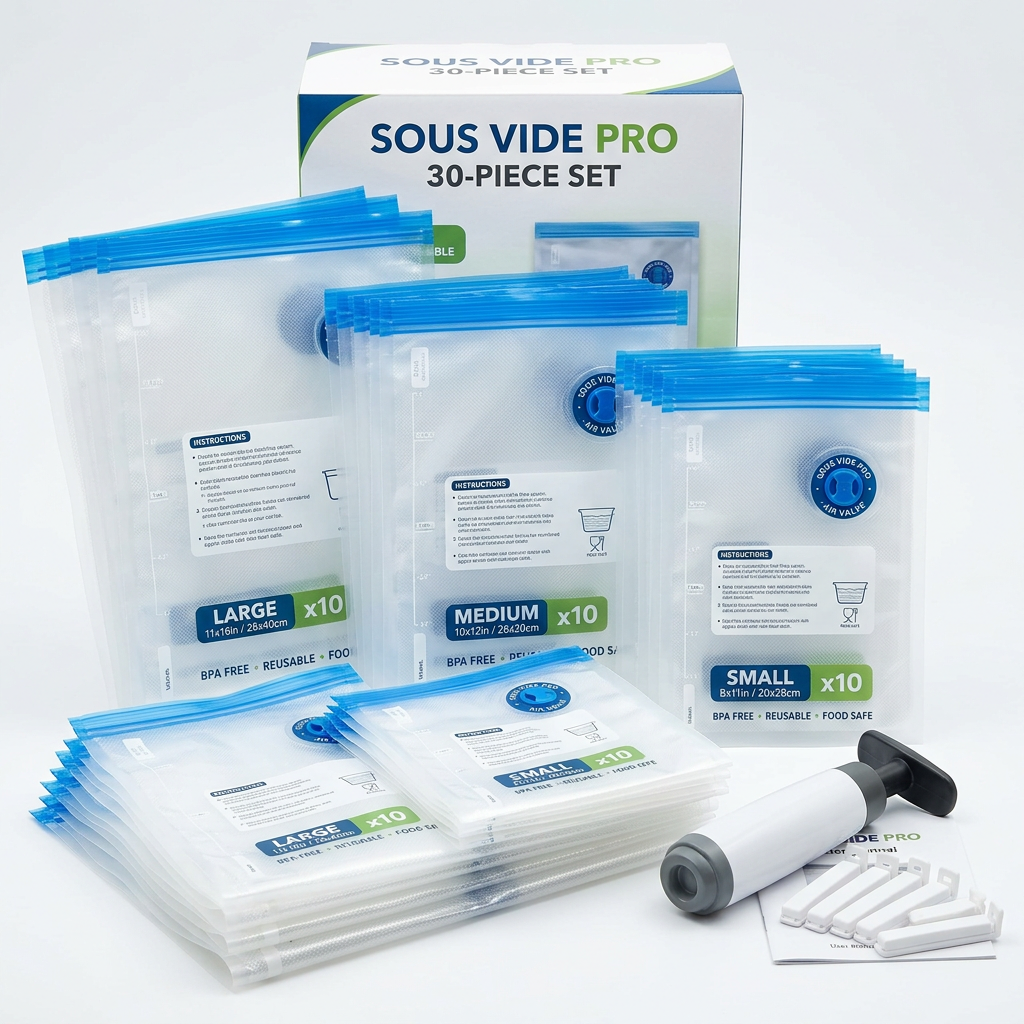
To achieve the integrity of sous vide, a reliable vacuum sealer is essential. This appliance can remove air from plastic bags, creating an airtight seal that prevents water from entering while facilitating even cooking. There are various models available:
Sous Vide Containers
While you can cook with large pots or stockpots, dedicated sous vide containers provide a more organized and efficient cooking space. Containers specifically designed for sous vide cooking often feature:
Preparing Food for Sous Vide Cooking
Once you've gathered all your essential equipment, the next step is preparing your food for sous vide. The key here is to utilize quality ingredients and flavors that will enhance your culinary endeavors. Here are some pointers to consider when preparing food for sous vide cooking.
Selecting Ingredients
Choosing the right ingredients is crucial when cooking sous vide, as the vacuum sealing process amplifies their natural flavors.
- Steaks: Ribeye, filet mignon, and sirloin.
- Pork: Tenderloin and shoulder.
- Chicken: Breast, thighs.
- Root Vegetables: Carrots, potatoes, and beets.
- Greens: Asparagus, green beans.
- Salmon: Perfect for achieving a silky texture.
- Shrimp: Stay tender and flavorful in the sous vide environment.
Seasoning and Flavoring
Proper seasoning can dramatically improve the final taste of your dish. Here are several tips to keep in mind:
Vacuum Sealing Techniques
Once you have your ingredients and seasonings ready, the next step is vacuum sealing them:
**"The key to sous vide success is all in the preparation. Great ingredients and proper sealing lead to legendary results."**
Temperature and Timing Guide
One of the greatest advantages of sous vide cooking is the precision in temperature control, which leads to consistently perfect outcomes. Here’s an essential guide to cooking various foods under vacuum.
Meat Cooking Temperatures
The temperature at which you choose to cook meat heavily influences its final texture and flavor. Here’s a knowledge table of key meats and their corresponding temperatures and timings:
- Rare: 125°F (51.5°C) for 1-4 hours
- Medium Rare: 130°F (54°C) for 1-4 hours
- Medium: 140°F (60°C) for 1-4 hours
- Medium Well: 150°F (65.5°C) for 1-4 hours
- Well Done: 160°F (71°C) for 1-4 hours
- Medium: 140°F (60°C) for 1-4 hours
- Well Done: 160°F (71°C) for 1-4 hours
- Tender Breast: 140°F (60°C) for 1-4 hours
- Juicy Thighs: 165°F (73.9°C) for 1-4 hours
Seafood Cooking Temperatures
Cooking seafood sous vide allows it to remain tender and moist. Each type has its perfect temperature range:
Vegetables Cooking Temperatures
Although sous vide isn’t typically used for vegetables, it can produce stunning textures and flavors.
Finishing Techniques After Sous Vide Cooking
Completing the sous vide process doesn’t end once the food is cooked; finishing methods are essential to enhance your dishes. Here are several techniques that can bring your sous vide creations to the next level.
Searing
The most common finishing method is searing, typically done after removing the food from the water bath. Here’s a simple guide to achieve that perfect crust:
Broiling
If you’re looking to add a crunchy exterior, broiling is a great option:
Smoking
For an additional layer of flavor, consider smoke infusion. You can employ a stovetop smoker or use the traditional smoke gun method.
**"Finishing touches are where the magic happens—don't skip out on browning, broiling, or smoking to elevate your dish."**
Common Mistakes to Avoid
Embarking on your journey with sous vide cooking can come with a learning curve, but avoiding common pitfalls will lead to better results and a more enjoyable experience. Here are several common mistakes to steer clear of:
Additional Tips for Success
Conclusion
Sous vide cooking opens a world of possibilities for home cooks eager to elevate their culinary skills and explore new flavors and textures. Through precise temperature control, the ability to infuse flavors, and the guarantee of perfect cooking results, it is an empowering skill that can transform the way you experience food at home.
By understanding the science behind sous vide, investing in essential equipment, and adhering to proven techniques, you can take on this sophisticated method with confidence. Whether you're crafting perfect steaks, developing delicious vegetable side dishes, or experimenting with seafood, the culinary magic of sous vide lies in its ability to enhance the natural beauty of ingredients while unlocking new potentials.
With this guide in hand, you're now equipped to embark on your sous vide journey. From novice to experienced home chef, let the creativity flow as you discover just what this extraordinary cooking method can do. Remember, every cook's journey is about exploration and discovery—so don't shy away from experimenting, and always, blame the chef if things don’t go as planned. Happy cooking!
Get the Next Recipe
Weekly recipes, techniques, and gear picks — straight to your inbox.
