
The Science of Sous Vide: Precise Temperature Control for Perfect Results Every Time
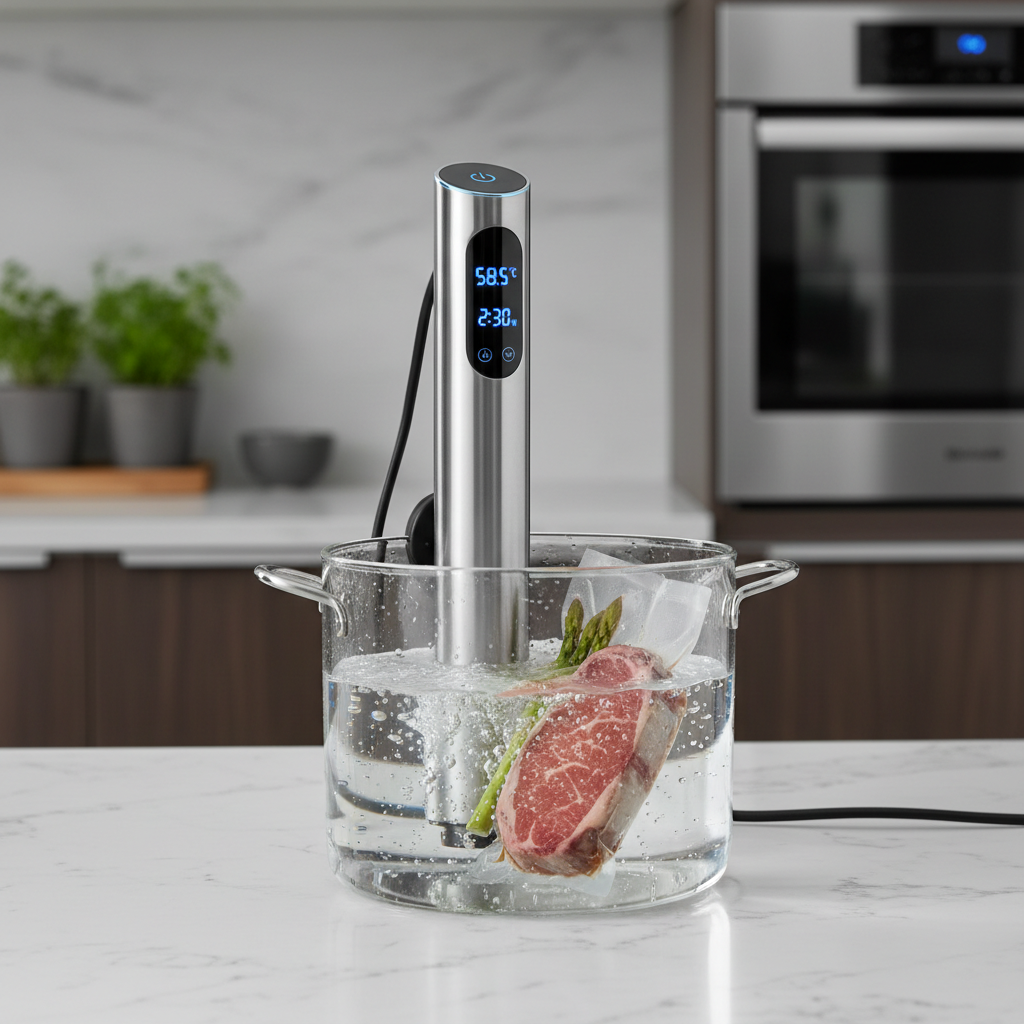
Sous vide cooking has emerged as a popular technique among both professional chefs and home cooks alike. Rooted in scientific principles, this method allows for meticulous temperature control, ensuring food is cooked evenly and precisely for the utmost in flavor and texture. The term "sous vide," which means "under vacuum" in French, describes the technique of vacuum-sealing food in a bag and cooking it in a water bath at a consistent temperature for an extended period. Unlike traditional cooking methods that rely on high heat to cook the food quickly, sous vide offers a slower, gentler approach that yields superior results.
As home cooks strive to elevate their culinary skills, sous vide presents an opportunity to achieve restaurant-quality meals with minimal fuss. The focus on temperature control enables cooks to avoid the pitfalls of overcooking or unevenly cooked dishes that can often occur with other methods. Whether it's a perfectly cooked steak, tender vegetables, or custardy desserts, the precision of sous vide ensures that you can replicate these results time after time. This post will delve into the science behind this technique, its benefits, and how you can master it in your own kitchen.
This article aims not only to explain how sous vide works but also to provide you with the knowledge necessary to implement this technique confidently. We will cover essential equipment, optimal cooking times and temperatures for various foods, tips for seasoning, and troubleshooting common issues. With this comprehensive guide, you’ll gain a deeper appreciation for sous vide as a culinary technique and transform the way you approach cooking, making every dish an occasion to savor.
The Science Behind Sous Vide Cooking
At its core, sous vide cooking is all about the control of heat transfer. When food is submerged in a water bath, it cooks evenly as the water transfers heat uniformly. Unlike pan-frying or broiling, which often lead to hot spots, sous vide eliminates variability by maintaining a steady temperature for the entire cooking process. This approach not only preserves the integrity of the food’s texture but also enhances flavor and nutrients, making every mouthful a potentially exquisite experience.
Temperature Precision
One of the most critical aspects of sous vide is temperature precision. Water has a high heat capacity, meaning it can hold temperature very effectively, allowing for cooking to occur at lower temperatures than conventional methods. Here are some ideal temperatures for various foods:
- Rare: 120°F (49°C) for 1-3 hours.
- Medium-rare: 131°F (55°C) for 1-4 hours.
- Medium: 140°F (60°C) for 1-4 hours.
- Medium-well: 150°F (65°C) for 1-4 hours.
- Well done: 160°F (71°C) for 1-4 hours.
- Juicy and tender (using pasteurization): 140°F (60°C) for 1.5 to 4 hours.
- Traditional texture: 165°F (74°C) for 1-4 hours.
- Asparagus: 183°F (84°C) for 10-15 minutes.
- Carrots: 183°F (84°C) for 1-2 hours.
- Potatoes: 190°F (88°C) for 1-2 hours.
- Soft-boiled: 145°F (63°C) for 1 hour.
- Hard-boiled: 165°F (74°C) for 1 hour.
The ability to cook proteins to their exact doneness without fear of overcooking is one of the defining advantages of sous vide. For instance, a steak cooked at 131°F for several hours will be uniformly pink and juicy throughout, as opposed to the thicker gradients of doneness seen in traditional cooking.
Time and Texture
Another fascinating aspect of sous vide cooking is the relationship between time and texture. Cooking for extended periods at lower temperatures can break down connective tissues in meats, resulting in fork-tender textures that are difficult to achieve through conventional cooking methods. Collagen in tough cuts, such as brisket or chuck roast, can begin to dissolve and transform meats into melt-in-your-mouth dishes.
Understanding the relationship between time, temperature, and texture helps you make informed decisions about how long to cook your food. As you experiment with different foods and times, you begin to grasp the nuances of sous vide cooking, developing a keen sense of how to create the perfect dish every time.
Essential Equipment for Sous Vide Cooking
To embark on your sous vide journey, having the right equipment is crucial. You don’t necessarily need to invest in expensive gadgets; many affordable options can produce excellent results.
Sous Vide Machines
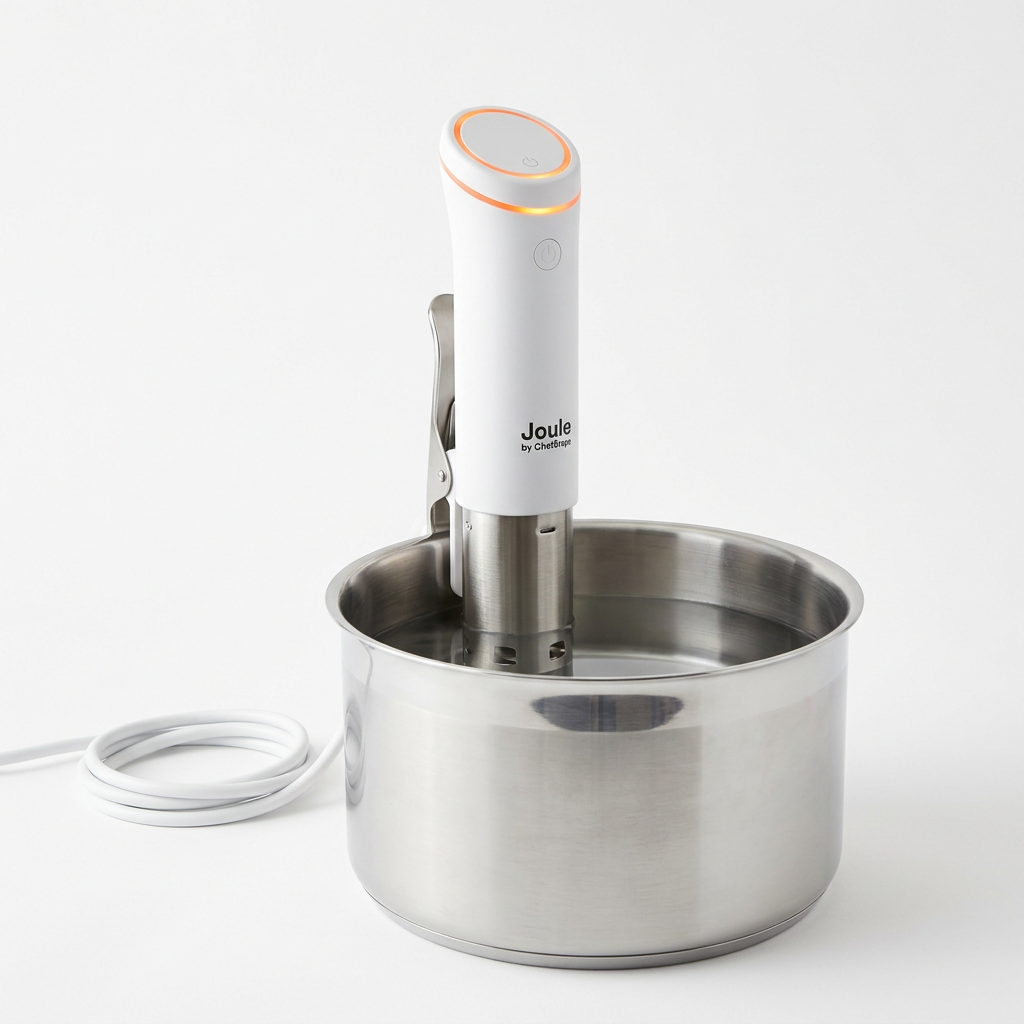
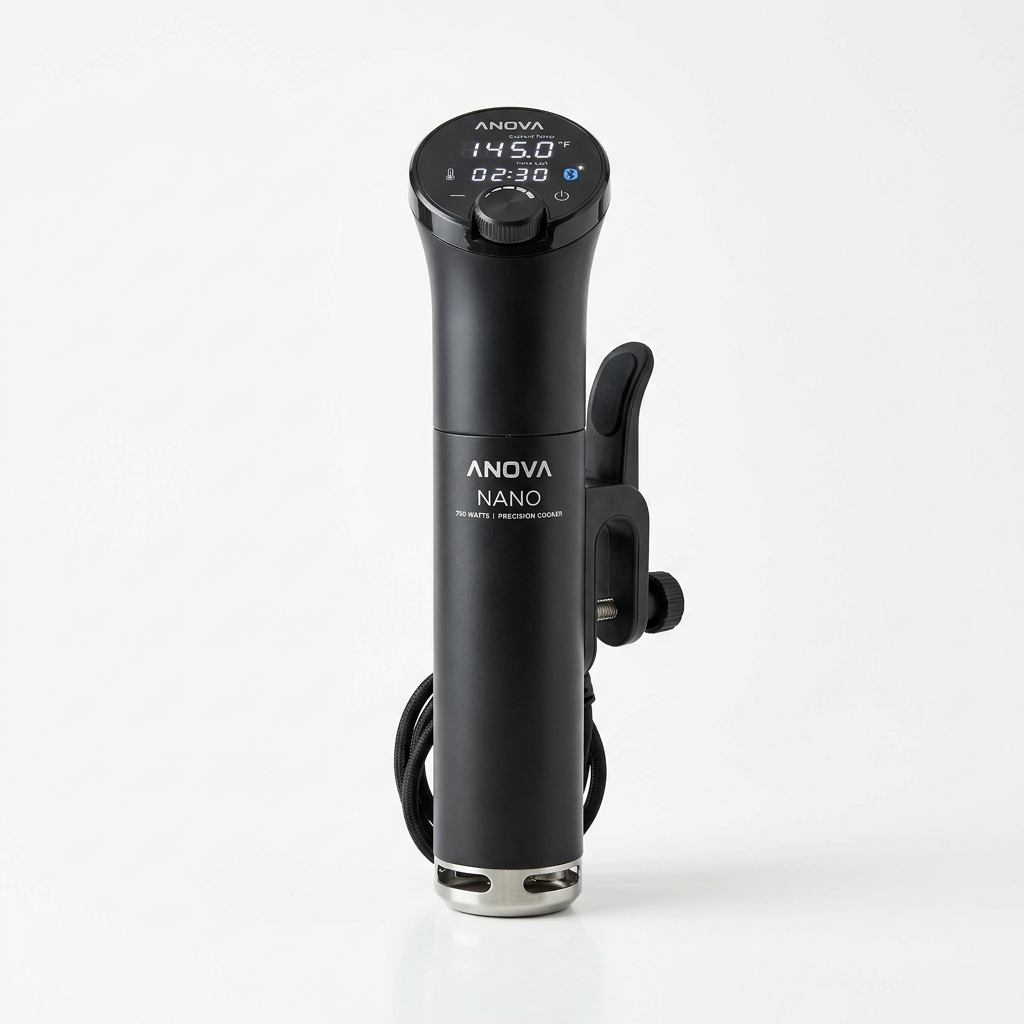
- These devices are the most common sous vide machines. They heat water and circulate it to maintain a consistent temperature. Brands like Anova, Joule, and Sansaire offer robust options with user-friendly interfaces.
- These are larger, countertop water baths that eliminate the need for an immersion circulator. While they tend to be more costly, they offer greater stability for larger quantities of food.
Vacuum Sealers
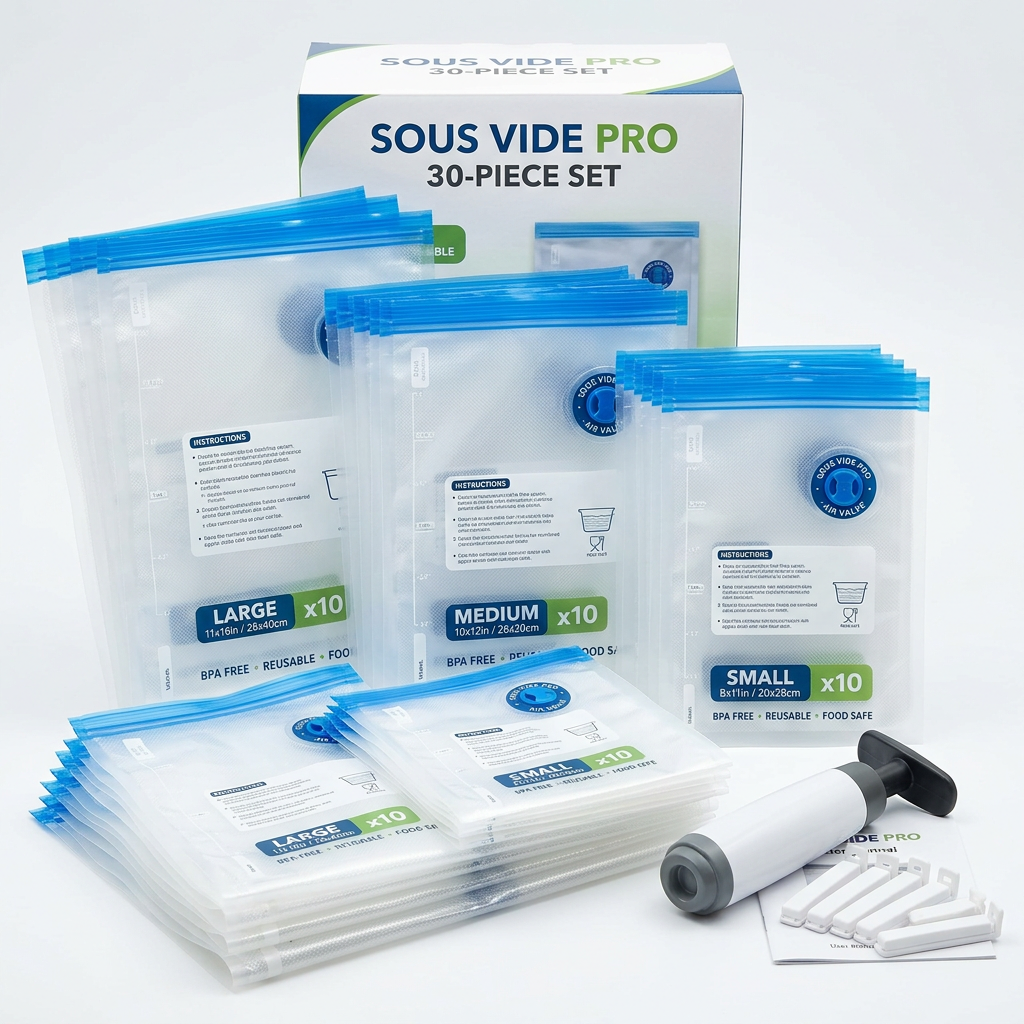
Vacuum sealing is a vital component of sous vide cooking. While you can use resealable silicone bags or even the water displacement method with zip-lock bags, a vacuum sealer ensures maximum air removal and enhances the flavors during cooking.
- Chamber sealers are more expensive but are excellent for liquids.
- External sealers are more affordable and suitable for dry foods.
Bags and Containers
Selecting the right bags is crucial for maintaining hygiene and flavor. Here’s a quick guide:
You can also use any heat-proof container to hold your water bath, such as stockpots or larger plastic containers.
Additional Tools
Understanding your equipment and utilizing it effectively will ensure delightful cooking experiences, as well as success in academic endeavors.
Cooking Techniques Using Sous Vide
Once you have your equipment, understanding the methodologies of sous vide cooking becomes essential. While the basic premise remains constant—immersing vacuum-sealed food in a heated water bath—there are variations that can affect the outcome.
Flavoring and Seasoning
Before sealing, you can enhance your ingredients through marinating or seasoning. Many are surprised to find:
Marinade Ratios to remember:
You can either put the seasoning directly into the vacuum-sealed bag or marinate beforehand. Just be cautious about adding acidic ingredients too early, as they can break down proteins too much if left too long.
Searing: The Finishing Touch
After sous vide cooking, many meats benefit from a quick sear to develop the Maillard reaction, creating a golden-brown crust that adds both flavor and visual appeal. Here’s how to achieve a great sear:
Infusing Flavors
Sous vide not only cooks but can also infuse flavors. This technique is beneficial for creating flavor-packed oils, sauces, or even fruits:
Being creative with sous vide opens a world of culinary possibilities.
Common Sous Vide Pitfalls and How to Avoid Them
As with any cooking method, sous vide isn’t without its challenges. By being aware of common pitfalls, you’ll be better equipped to navigate your sous vide adventure smoothly.
Overcooking or Undercooking
Overcooking is almost impossible with sous vide at the right temperature, but undercooking can happen if the time isn’t sufficient. Always refer to guidelines for proteins specific to the cut you are using.
Bag Issues
Bags can sometimes leak, which can compromise results.
Food Safety Concerns
Because sous vide cooking often involves low-temperature cooking for extended periods, proper food safety is paramount.
Recipes to Try at Home
Now that you’ve thoroughly considered the science, equipment, techniques, and pitfalls, it's time to put this knowledge into practice with straightforward recipes that exemplify the sous vide experience.
Perfectly Cooked Steak
Ingredients:
Instructions:
Infused Garlic Oil
Ingredients:
Instructions:
Sous Vide Carrots
Ingredients:
Instructions:
Conclusion
Sous vide cooking is revolutionizing the way we approach home cooking, eliminating the guesswork that often accompanies the culinary process. By understanding the science underlying this method and following some simple guidelines, you can produce perfectly cooked dishes that reflect the best in texture and flavor. The meticulous precision of sous vide allows you to experiment and explore with ease, regardless of your skill level.
As you grow more comfortable with sous vide techniques, try swapping out ingredients and playing with flavors. Discovering new combinations will not only elevate your culinary prowess but may also lead to thrilling dining experiences for family and friends. Whether it's a Thanksgiving turkey that remains moist and juicy or a silky custard dessert that sets just right, sous vide empowers you to tackle any culinary challenge with confidence.
With this guide as your roadmap, you're well-equipped to dive deep into the world of sous vide, creating magnificent dishes that will have everyone asking for seconds. Happy cooking!
Get the Next Recipe
Weekly recipes, techniques, and gear picks — straight to your inbox.
