
The Science of Spices: How Heat, Oil, and Time Unlock Flavor
Cooking is often romanticized as an intuitive art form, a dance of intuition where the chef simply "knows" when a dish is complete. While there is certainly a place for instinct in the kitchen, the true foundation of exceptional cooking lies in the precise, often invisible world of chemistry. When we stand over a hot stove, we are not just assembling ingredients; we are facilitating a series of complex chemical reactions that transform raw matter into something that sustains and delights us. Understanding the science behind these transformations is what separates a home cook who follows recipes from a true culinary craftsman.
At the heart of this transformation is the manipulation of flavor through the strategic use of spices. Spices are the volatile aromatics that give a dish its character, but they are fickle creatures that require a deep understanding of their molecular composition. Without the proper medium—usually heat or fat—these spices remain dormant, trapped behind waxy cell walls or locked away in tough fibrous structures. By mastering the interaction between spice, temperature, and lipid, you shift from a passive observer of recipes to an active conductor of flavor, capable of coaxing depth and nuance out of even the most basic pantry staples.
This exploration will strip away the mystery of flavor development and ground your culinary practice in cold, hard, and delicious science. We will delve into why a dry-toasted cumin seed smells exponentially more potent than its raw counterpart and why certain spices bloom in oil while others disintegrate under direct heat. By the time we conclude, you will possess a technical roadmap for every spice in your cupboard, allowing you to manipulate your culinary environment with the precision of a laboratory scientist and the soul of an experienced chef. Prepare to look at your spice rack not as a collection of jars, but as a kit of chemical reagents ready to unlock the full potential of your kitchen.
The Chemistry of Volatile Compounds
To understand spices, we must first understand the molecules responsible for their scent and taste. Spices are essentially botanical delivery systems for volatile organic compounds—these are light, small molecules that vaporize at relatively low temperatures, allowing them to reach our olfactory receptors with ease. When you open a jar of cinnamon or black pepper, you are smelling these compounds as they escape the solid state. However, the majority of these compounds are trapped within the plant’s cellular structure, held behind protective cell walls made of cellulose and lignin.
Our primary goal as cooks is to rupture these walls and release these trapped oils without degrading the compounds themselves. Heat is our primary tool, but it is a double-edged sword. If the heat is too low, the aromatic compounds remain trapped, and the flavor remains one-dimensional. If the heat is too high, you risk pyrolysis—the chemical decomposition of organic material brought about by heat—which can lead to bitter, acrid flavors that ruin a dish. The goal is to reach that "Goldilocks" zone where the cell walls break, releasing the flavor profile without scorching the delicate essential oils.
The Role of Essential Oils
Most of the flavor in spices comes from their essential oils. These oils are hydrophobic, meaning they do not mix with water. This is why adding spices to a water-based broth often yields a weaker flavor profile compared to incorporating them into a fat-based medium. When you add spices to hot oil, you are effectively performing an extraction process. The fat acts as a solvent, pulling the essential oils out of the spice and distributing them throughout the entire dish. This is why a classic Indian tadka or tempering technique—where spices are fried in hot oil or ghee—creates such an incredibly aromatic foundation for curries and dals.
"The true magic of the spice rack is not found in the ingredients themselves, but in the medium through which we choose to release them. Fat is the key that unlocks the door to the deepest flavor profiles."
The Art of Heat: Toasting and Blooming
Heat changes the chemical structure of spices in two primary ways: it evaporates moisture, which intensifies flavors, and it induces the Maillard reaction (or similar non-enzymatic browning processes) within the plant matter. When you dry-toast a spice like coriander or fennel seeds in a skillet, you are removing residual moisture and causing the essential oils to migrate to the surface of the seed. This is the moment when the "raw", grassy smell of the spice transitions into the warm, toasted, and complex aroma we associate with high-end cooking.
The technique of dry-toasting requires vigilance. You should use a heavy-bottomed stainless steel or cast-iron pan over medium-low heat. Keep the spices moving constantly to ensure even heat distribution; if they sit still, the bottom layer will burn before the top layer has been adequately toasted. You will know the process is complete when the spices become fragrant and slightly darker in color. If you are toasting seeds like mustard or cumin, listen for the pop—that is the sound of the cell walls rupturing as the pressure of the expanding essential oils exceeds the strength of the outer husk.
Temperature Control and Timing
Precision is vital during this process. For most dried spices, toasting should take no longer than 60 to 90 seconds. Exceeding this time frame often leads to the degradation of the volatile compounds, resulting in a dull or burnt taste. Once the spices are toasted, they should be removed from the pan immediately, as the residual heat of the metal will continue to cook the spices even after you have turned off the stove. If you are planning to use them in a powder form, grind them only after they have cooled to room temperature to preserve the integrity of the released oils.
Fat as a Flavor Vehicle
As previously mentioned, fats are the primary delivery system for the compounds found in spices. Because the majority of flavor molecules are lipid-soluble, they require fat to properly permeate the food. When you bloom spices in oil, you are creating a concentrated flavor infusion that will coat every ingredient you add to the pan later. This is the secret behind the depth found in professional restaurant cooking—the spice flavor isn't just "in" the dish; it is structurally integrated into the sauce or the protein through the fat.
Consider the difference between adding powdered paprika to a cold sauce versus blooming it in warm oil. In the latter, the color and the flavor are extracted into the oil, creating a vibrant, uniform hue and a robust, rounded taste. In the former, the powder often clumps and retains a chalky, raw texture. By blooming in oil, you are essentially pre-cooking the spices so that they are ready to marry with the other components of your dish the moment they are introduced.
Choosing Your Medium
The type of fat you choose will influence the final flavor. Neutral oils like grapeseed or canola are excellent for letting the spices take center stage. Ghee or clarified butter offers a nutty, rich background that complements warm spices like cinnamon, cardamom, and clove. Extra virgin olive oil, while delicious, has a lower smoke point and a distinct flavor profile of its own; it works best when the spices are added later in the cooking process to avoid breaking down the olive oil's delicate phenolic compounds.
High heat:* Use refined oils (grapeseed, avocado) for frying dry spices.
Medium heat:* Use ghee, clarified butter, or high-quality lard.
Low/No heat:* Use extra virgin olive oil or high-quality finishing oils.
The Temporal Factor: When to Add Spices
The timing of spice addition is a major point of confusion for many home cooks. Not all spices are created equal, and some are more stable than others. Generally, spices can be categorized into two groups: those that need time to release their flavors into a dish (like cinnamon sticks or bay leaves) and those that are delicate and should be added at the end (like fresh herbs or finely ground delicate aromatics).
Spices added at the beginning of a long-simmering dish, such as a stew or a curry, have the advantage of time. Over several hours, the slow breakdown of ingredients allows the spices to infuse the entire liquid base. This process, often referred to as maceration or slow-infusion, results in a rounded, complex flavor where no single spice stands out but rather contributes to a collective harmony. This is why recipes for braises often call for whole spices—these are durable enough to withstand hours of heat without losing their essence.
Finishing Spices
Conversely, spices like ground black pepper, garam masala, or ground coriander are best added toward the end of the cooking process. These spices lose their high-note brightness if boiled for extended periods. By adding them in the final 5 to 10 minutes of cooking, you preserve their volatile integrity. This creates a "layered" effect, where the base of the dish provides a deep, slow-building heat, and the finish provides a bright, aromatic punch that makes the dish taste "fresh."
"Cooking is the science of managing decay. By adding spices at specific intervals, we control the rate at which flavors bloom and fade, ensuring the final bite is as vibrant as the first."
Grinding and Storage: Preserving Chemical Integrity
The moment a spice is ground, its surface area increases exponentially, exposing its volatile compounds to oxygen and light. This is why pre-ground spices from the grocery store often taste like dust; they have been oxidized and their essential oils have evaporated long before they reached your shelf. To elevate your cooking, you must move toward purchasing whole spices and grinding them yourself.
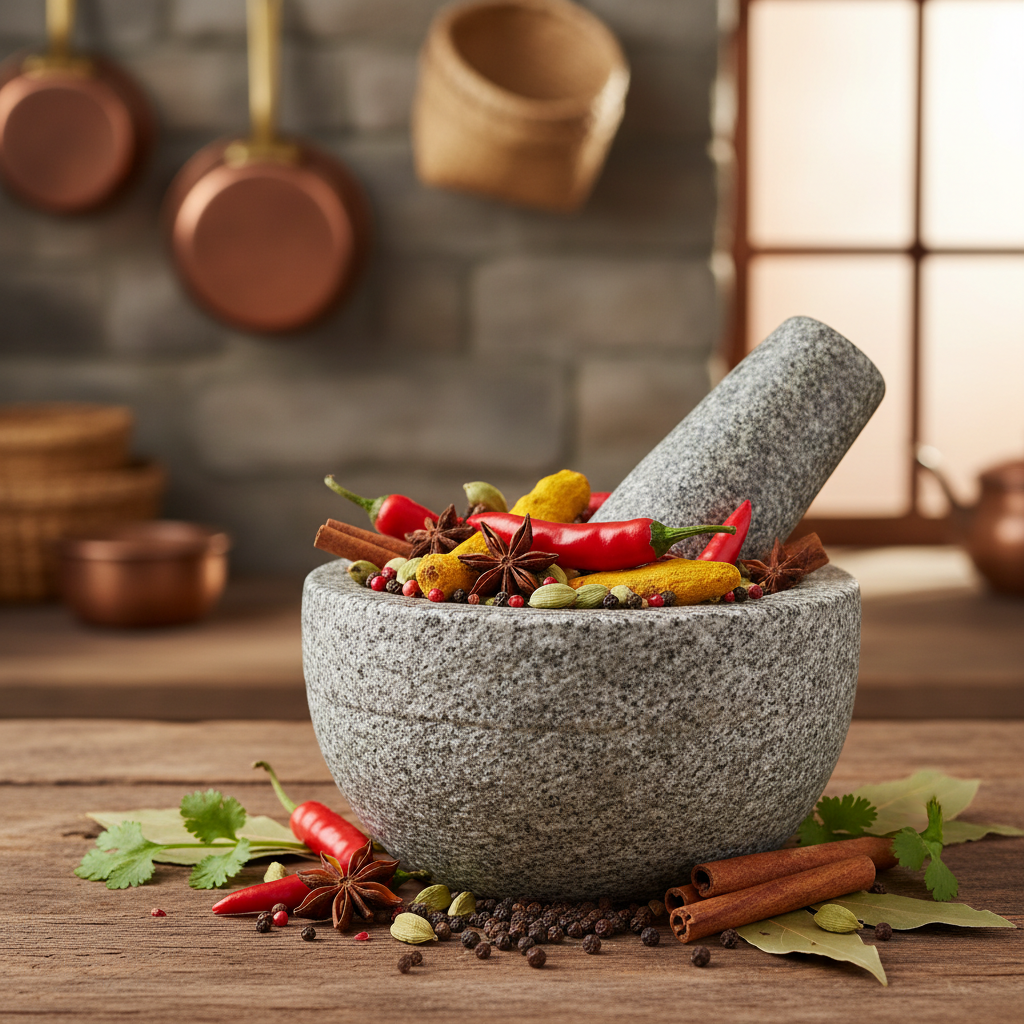
If you don’t have a high-end spice grinder, a standard electric coffee grinder dedicated to spices is an excellent investment. For smaller amounts, a classic mortar and pestle is superior. The crushing action of a mortar and pestle does not just break the spice into smaller pieces; it physically shears the plant cells, releasing more of the essential oils than a blade grinder would. The resulting texture is also more consistent, with a better balance between powder and coarse granules that adds a pleasant mouthfeel to the dish.
The Rules of Storage
Even when whole, spices are sensitive to the environment. Light, heat, and moisture are the enemies of spice longevity. Store your spices in a cool, dark place away from the stove. Many people keep their spice racks mounted on the wall above the range, but the constant steam and heat fluctuations from the stove will accelerate the degradation of your spices. Use opaque containers to block UV light, and always ensure your spice containers are airtight to prevent moisture from entering.
Synergistic Flavor Pairing: Beyond the Recipe
Once you have mastered the technical side of blooming and toasting, you can begin to experiment with flavor synergy. This is the concept where two ingredients combined create a flavor profile that is greater than the sum of its parts. For example, the combination of ginger and garlic is a culinary pillar across the globe, not just because they taste good together, but because they contain complementary sulfur compounds that activate different sets of taste receptors.
When you are developing your own spice blends, think about the molecular structure of your spices. Pair spices that share similar chemical compounds—like cinnamon, clove, and allspice—for a warm, cohesive flavor profile. Alternatively, pair spices that provide contrasting sensations, such as the earthy heat of cumin with the bright, citrusy notes of coriander. Using the triangle of flavor—bitter, sweet, and pungent—will help you achieve balance. If a dish feels "flat," you likely need a spice that provides a high-note of acidity or sharpness to cut through the fat.
The Role of Salt
We cannot discuss the science of spices without acknowledging their greatest partner: salt. Salt is not a spice in the traditional sense, but it is a flavor enhancer that works on a molecular level. It suppresses the perception of bitterness and increases the perception of sweetness and umami. When you add salt to your toasted spices, you are lowering the activation energy required for those flavors to be perceived by your tongue. Always season your spices, and always season your base, to ensure the full profile of the dish is accessible.
Sweet:* Cinnamon, Nutmeg, Cardamom
Earth:* Cumin, Turmeric, Coriander
Pungent:* Black Pepper, Ginger, Mustard Seed
Floral:* Saffron, Rose Petals, Lavender
Troubleshooting Common Culinary Blunders
Even the most meticulous cooks make mistakes. If your dish tastes "muddy," it is often a sign of over-spicing or poor timing. Adding too many competing, strong spices at once can overwhelm the palate. If you find yourself in this situation, do not add more spices to "fix" it. Instead, neutralize the dish by adding a small amount of fat (like a dollop of yogurt or a splash of cream) to bind with the excess oils, or add a bit of acidity (like lemon juice or vinegar) to brighten the profile.
If your spices taste burnt, there is no way to remove that flavor. The volatile compounds have been destroyed and converted into carbon-based acridity. In this case, it is often better to start over. However, if the dish is just slightly "off" because you used old spices, you can try to reinvigorate the flavor by adding a fresh "top note" of toasted spices at the very end. This won't fix the underlying issue, but it can mask the staleness by providing a fresh aromatic baseline.
Mastering the Balance
Remember that the science of cooking is iterative. Take notes on your experiments. If you toasted your cumin for 60 seconds and it tasted perfect, record that. If you tried blooming smoked paprika and it turned bitter, realize that smoked paprika is already "cooked" and should be added at the end. By keeping a culinary log, you turn every dinner into a data point, steadily building your repertoire until these techniques become as natural as breathing.
"The kitchen is a laboratory where the results are meant to be eaten. Do not fear failure; fear only the stagnation that comes from not understanding the *why* behind the *how*."
Conclusion
We have traveled from the volatile molecules that constitute the scent of a spice to the thermodynamic realities of the stovetop. We have explored the necessity of lipids in flavor extraction, the chemical changes brought about by the Maillard reaction during dry-toasting, and the critical importance of timing in the preservation of aromatic integrity. These are not merely suggestions; they are the fundamental laws governing the deliciousness of your home cooking.
When you look at your kitchen now, you should see it as a collection of tools designed to manipulate flavor at the molecular level. You are no longer just guessing whether a dish needs more of this or that; you are evaluating the dish based on its chemical balance. You are looking for the right amount of fat, the right level of heat, and the right duration of exposure to unlock the potential of your spices.
The pursuit of culinary excellence is a lifelong journey. It is a process of refinement, observation, and adjustment. By applying these scientific principles, you are giving yourself the freedom to move beyond the rigid constraints of a printed recipe. You are empowering yourself to create dishes that are balanced, vibrant, and deep. The next time you walk into your kitchen, remember the chemistry at work in every pan. Respect the volatility of the spices, manage your heat with intention, and trust in the transformative power of fat. Your ingredients are waiting for you to unlock them—the rest is up to you. Happy cooking.

Get the Next Recipe
Weekly recipes, techniques, and gear picks — straight to your inbox.
