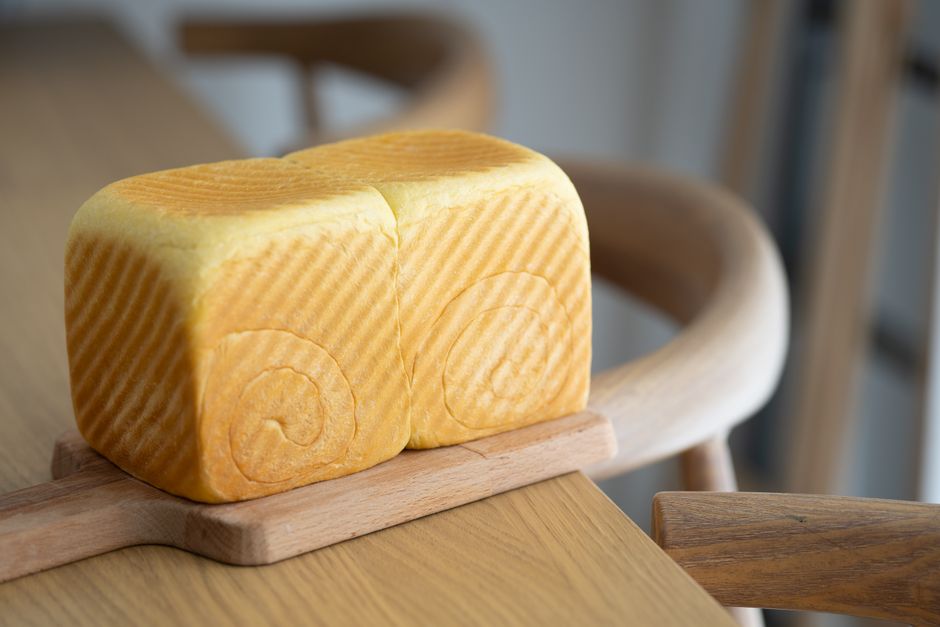
The Science of Staling: How Retrogradation Recrystallizes Starch and Why It's Reversible
There is a profound, almost heartbreaking moment every home baker knows: the transition of a loaf of sourdough from a crisp, crackling masterpiece to a dense, chewy relic sitting on the counter. We often blame the humidity, the flour quality, or perhaps the oven settings, but the true culprit is a complex chemical dance occurring at the molecular level. It is a process known as retrogradation, a phenomenon that governs the life cycle of every starch-based food we prepare in our kitchens. Understanding this science does not just satisfy our curiosity; it grants us the power to manipulate the texture of our bakes, prolong their freshness, and even resurrect them from the brink of staling.
When we bake, we are essentially performing a controlled chemical explosion of starch granules, converting raw, indigestible flour into soft, airy crumb. This transformation, known as gelatinization, is the reason we love bread, but it is also the beginning of its eventual decay. As the loaf cools, the starches—specifically amylose and amylopectin—begin to seek a state of lower energy, pulling together into a rigid, crystalline structure. This is the definition of staling, a process that is frequently misunderstood as a simple drying-out event, even though it happens even when the moisture content remains perfectly locked within the bread.
By diving into the physics of how these carbohydrates reorganize themselves, we can shift from being passive observers of our bread’s decline to active managers of its shelf life. We will explore the thermal thresholds required to disrupt these crystals, the role of fats and emulsifiers in slowing the process, and the specific culinary techniques that allow us to reverse the clock. Whether you are a professional baker looking to optimize your production or a home enthusiast tired of tossing out half-loaves, this guide will provide the technical foundation needed to master the art of the perfect, resilient crumb.
The Molecular Anatomy of Starch
To understand why bread goes stale, we must first look at the foundation of our bakes: the starch granule. Flour is composed primarily of carbohydrates in the form of starch, which exists in tightly packed, organized clusters called granules. When we add water and heat, these granules absorb the liquid and begin to swell, eventually rupturing to release long-chain sugar polymers. This stage is the foundation of structural integrity in everything from a béchamel sauce to a sourdough boule.
The two main players in this process are amylose (the straight-chain molecule) and amylopectin (the branched-chain molecule). During baking, heat energy breaks the hydrogen bonds holding these chains together, allowing them to expand and create a matrix that traps carbon dioxide produced by yeast. As the crumb sets, it creates that soft, pillowy interior we prize. The starch is now in an amorphous, gelatinized state, which is soft, flexible, and tender.
However, nature abhors a vacuum of energy. As the loaf exits the oven, the starch molecules are in a state of high energy, and they are essentially "looking" for a way to return to their original, crystalline form. This is the beginning of retrogradation. It is a cooling-down exercise where the molecules re-associate, creating a more ordered, rigid structure that makes the bread feel tough, grainy, and "stale."
The Difference Between Drying and Staling
A common misconception is that bread goes stale because it loses moisture through evaporation. While dehydration certainly affects the crust and contributes to the overall texture, true staling is a function of starch crystallization. You can test this by placing a stale loaf in a dry, low-humidity environment; even if it stays physically "wet," the crumb will still become tough.
The process of retrogradation is essentially the starch attempting to return to the ordered, crystalline structure it held before it was ever heated, turning our soft crumb back into a rigid, stubborn mass.
Evaporation*: Loss of water leads to a crust that loses its crispness and a crumb that feels dusty.
Retrogradation*: The internal realignment of starch molecules makes the crumb feel "waxy" or "firm" even when moisture is present.
The Kinetics of Crystal Formation
The rate at which bread stales is heavily dependent on temperature. Through years of research, food scientists have discovered that the crystallization of starch occurs most rapidly at refrigeration temperatures, roughly between 35°F and 45°F (2°C and 7°C). This is a critical piece of information for the home cook: storing your bread in the refrigerator is the absolute fastest way to accelerate the staling process.
The Thermal Sweet Spot
When you place bread in the fridge, you are putting it directly into the "retrogradation zone." The cold temperature provides the perfect environment for the starch molecules to snap back into their crystalline structure. If you have ever noticed that bread from the grocery store feels rubbery after a day or two in the fridge, you are witnessing the kinetics of cooling at work.
Instead of refrigeration, the best storage method involves keeping bread at room temperature in a paper bag or a bread box for immediate consumption, or freezing it for long-term storage. Freezing acts as a "pause button." Because it drops the temperature so rapidly, the starch molecules do not have the time or the mobility to re-orient themselves into crystals, effectively stopping the staling process in its tracks.
Room Temp (68°F-72°F)*: Best for consumption within 48 hours.
Refrigeration (35°F-45°F)*: The worst possible environment; accelerates staling by up to 5x.
Freezing (0°F or below)*: Successfully halts the crystallization process.
Reversing the Clock: The Physics of Refreshment
Fortunately, retrogradation is a reversible process. Because the crystallization is caused by weak hydrogen bonds between starch chains, we can break those bonds again using heat. This is the culinary equivalent of a "factory reset" for your loaf. To do this effectively, you must understand the temperature threshold required to melt the starch crystals back into their amorphous, soft state.
The "Refreshment" Technique
To refresh a stale loaf, you need to introduce both moisture and heat. Simply throwing a loaf in the oven can actually make it staler if the moisture evaporates before the starch crystals melt. Professional bakers often use a light mist of water on the crust of the loaf before placing it in a hot oven, typically around 350°F (175°C) to 375°F (190°C), for 5 to 10 minutes.
This process works because the added moisture and heat penetrate the crust and enter the crumb, providing the energy needed to disrupt the crystalline bonds. Once the internal temperature of the loaf reaches approximately 140°F (60°C), the crystals dissolve, and the bread returns to its original, gelatinized texture. It is vital to serve this bread immediately, as it will begin to undergo retrogradation again as it cools down once more.
"The ability to reverse staling via re-heating is the home baker’s greatest secret; it turns a day-old brick into a steaming, fresh-from-the-oven miracle with just a few minutes of controlled thermal intervention."
The Role of Fats and Emulsifiers
If you want to slow down the staling process from the very start of your bake, you need to look at your ingredients. Fats and emulsifiers are the secret weapons of commercial bakers, and they have a legitimate place in the artisan kitchen as well. They function as a physical barrier, coating the starch granules and interfering with their ability to re-align and crystallize.
Incorporating Fats
Fats like butter, oil, or lard do more than just add flavor; they coat the protein and starch chains, preventing the amylose molecules from finding one another during the cooling process. This is why enriched doughs—like brioche or challah—stay soft for significantly longer than a lean sourdough boule. If you are struggling with a recipe that stales too quickly, try incorporating 5-10% fat by baker’s percentage.
Lecithin*: Found in egg yolks, this natural emulsifier is a powerful tool for extending shelf life.
Monoglycerides*: These are the gold standard for commercial shelf stability, as they interact directly with the starch to prevent crystallization.
Hydrocolloids*: Ingredients like guar gum or xanthan gum can also help retain moisture and provide structural integrity, slowing the rate at which the crumb tightens.
Balancing Ratios for Longevity
When you add fats to your dough, you are essentially "lubricating" the starch matrix. This prevents the formation of the rigid crystalline structures that we associate with staling. While lean doughs are prized for their crispy crusts and chewy interiors, they are inherently more prone to retrogradation. If you need your bread to last longer, you must sacrifice a bit of that lean character for the stability provided by added fats.
Mastering the Bake: Timing and Steam
The initial bake is your last chance to influence the shelf life of your loaf. Specifically, the amount of steam you use during the first half of the bake significantly impacts how the crust forms and how the interior retains moisture. A heavy blast of steam during the initial oven spring keeps the exterior soft longer, allowing for better expansion, while also ensuring that the crust is thin and less prone to moisture-wicking from the inside of the loaf.
The Importance of Proper Cooling
One of the most ignored steps in the culinary process is the cooling period. Many home cooks slice into their bread while it is still steaming hot, which is a major error. When you cut into hot bread, you allow the interior steam to escape, which significantly changes the moisture balance of the crumb. As the water leaves, the starch concentration increases, and the crystallization process begins even faster.
Wait until your bread has reached room temperature before slicing. During this cooling phase, the crumb "sets." The starches are finalizing their structure, and the moisture distribution is equalizing throughout the loaf. If you slice it too soon, the bread will feel gummy; if you don't wait long enough, it will eventually feel stale much faster because you have compromised the internal humidity balance.
The Chemistry of Starch Retrogradation in Sauces and Soups
While we focus primarily on bread, retrogradation is a critical concept in any starch-thickened dish. Think of a gravy, a velouté, or even a pudding. When you thicken a sauce with cornstarch or flour, you are gelatinizing the starch. If you leave that sauce in the fridge, you will notice it becomes rubbery, thick, and sometimes syrupy or separated. That is starch retrogradation in action.
Managing Starch-Based Thickeners
When you are preparing a starch-thickened sauce for a make-ahead meal, you have to account for the way the sauce will change in the refrigerator. To prevent that "waxy" texture, many chefs use alternative thickeners or a combination of starches. For example, cornstarch is highly prone to retrogradation, whereas modified food starches or tapioca starch are much more stable after cooling and reheating.
If you are thickening a soup that you plan to freeze, keep in mind that the process of freezing and thawing can cause the starch matrix to break down completely, leading to a watery, thin sauce upon reheating. To combat this, it is often better to freeze the soup base without the starch and add a "slurry" of starch right before serving. This ensures the texture remains silky and vibrant, rather than becoming a grainy, retrograded mess.
Cornstarch*: Best for immediate consumption; loses structure after cooling.
Waxy Maize Starch*: Excellent for applications that require freeze-thaw stability.
Arrowroot*: Provides a clear, glossy finish that is more resistant to retrogradation than traditional wheat flour.
The Future of Baking and Shelf Stability
As we look toward the future, the culinary world is finding innovative ways to combat staling without resorting to heavily processed ingredients. Sourdough itself is a natural solution; the organic acids produced during the long fermentation process—specifically lactic acid and acetic acid—help to lower the pH of the bread. This acidity inhibits the crystallization of amylose, meaning that a genuine, long-fermented sourdough will naturally remain fresh longer than a loaf made with fast-acting commercial yeast.
The Sourdough Advantage
The acidity in sourdough does not just contribute to the complex flavor profile; it acts as a preservative. By lowering the internal pH of the loaf, the enzymes that govern starch retrogradation are slowed down. This is one of the primary reasons why your homemade sourdough boule tastes significantly better on day three than a store-bought sandwich loaf.
In addition to fermentation, the use of pre-ferments like poolish or biga allows for a more complex starch structure. By pre-hydrating the flour for several hours, you are essentially pre-gelatinizing a portion of the starch, which leads to a more robust, hydrated, and long-lasting crumb.
"Fermentation is not just about leavening; it is a sophisticated biochemical defense mechanism that protects the bread from the march of time, keeping it soft and palatable through the power of organic acids."
Conclusion
The science of staling is not a curse, but rather a set of physical laws that we can learn to work with rather than against. By viewing your kitchen as a laboratory, you can begin to see bread not as a static object, but as a dynamic system. From the way you choose your fats to the precise temperature at which you cool your loaf, every decision you make during the baking process ripple outwards to affect the final texture of the product.
We have explored the journey of the starch molecule, from its initial rupture during the bake to its eventual, inevitable retreat into a crystalline structure. We have learned that the refrigerator is a danger zone, that heat is a powerful tool for resurrection, and that ingredients like fats and sourdough starters are our greatest allies in the fight against staleness. The next time you pull a loaf from the oven, you are not just a cook; you are a chemist managing the structure of your food.
Embrace the process of trial and error. The next time you find a slightly stale loaf, don't throw it into the trash. Take it, mist it with a little water, and pop it into a 350°F oven for ten minutes. Watch as the chemistry reverses before your eyes, and notice how the crust softens and the interior regains its bounce. That is the magic of understanding the science of your craft. Keep baking, keep experimenting, and always blame the chef—or better yet, thank them for the science behind the crust.
Ultimately, the goal is to create food that brings joy. Whether it is a perfectly refreshed loaf of country bread or a sauce that holds its texture despite the rigors of the refrigerator, your mastery of these principles will elevate your cooking to a professional level. Continue to explore the chemical reactions occurring in your pots and pans, and you will find that the kitchen becomes a place of endless discovery and culinary excellence.
The journey of bread is a long one, starting from the grain in the field and ending in our homes, and understanding the molecular dance of retrogradation ensures that we can preserve the quality and integrity of our hard work for as long as possible. Remember: stay away from the fridge, utilize the magic of steam, and always treat your starch with the respect it deserves. Happy baking, and may your loaves always be soft, your crusts always crackling, and your science always sound.
If you ever find yourself struggling with a recipe, return to these fundamentals. Look at the ratios, check your temperatures, and consider the kinetics of the starches involved. Often, the solution to a culinary problem is hiding in the chemistry. By mastering the science, you are not limiting your creativity; you are expanding the boundaries of what you can produce. Every loaf is a lesson, and every stale crumb is an opportunity to learn something new about the world of food science. We hope this exploration of retrogradation has been as fascinating for you to read as it was for us to compile. Now, it is time to get back to the kitchen and put this knowledge to work. Keep baking, keep learning, and keep blaming the chef for making the food taste just a little bit too good to last for more than a day.

Get the Next Recipe
Weekly recipes, techniques, and gear picks — straight to your inbox.
