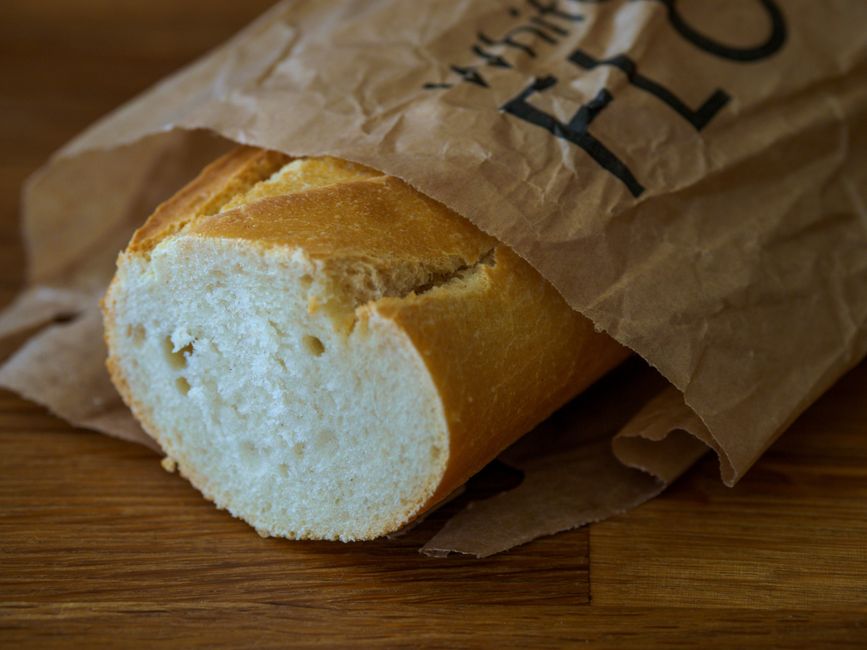
The Science of Staling: Why Bread Goes Stale and How to Revive It
There is perhaps no heartbreak quite as universal in the kitchen as reaching for a loaf of artisanal sourdough, only to find it has surrendered its integrity to the merciless passage of time. We invest hours—sometimes days—into the fermentation, proofing, and baking of our bread, treating each crusty boule like a work of edible art. Yet, within a matter of mere hours or a day, that once-shattering crust turns chewy, and the airy, supple crumb hardens into something resembling a kitchen sponge left in the sun. It is a phenomenon that frustrates novice bakers and seasoned professionals alike, often leading to a premature trip to the compost bin or, worse, the trash. But what if I told you that this process, known scientifically as retrogradation, is not actually the death of your bread, but rather a fascinating chemical transformation that can be manipulated and, in most cases, completely reversed?
To master the art of the loaf, one must move beyond the basic recipe and begin to understand the molecular machinery working inside every slice. Baking is not merely a hobby; it is a branch of food science that operates under strict rules of thermodynamics, hydration, and enzymatic activity. When we talk about staling, we are talking about the loss of moisture and the reorganization of starch molecules, specifically the shift from a chaotic, hydrated state to a rigid, crystalline structure. Understanding this microscopic structural change is the key to unlocking the secret of bread longevity. By learning how to control the environment in which your bread resides, you can extend the shelf life of your favorite bakes and breathe life back into loaves that seem destined for the bread pudding pile.
In this deep dive into the science of staling, we will pull back the curtain on the chemistry of the crumb. We will explore why the refrigerator is often the enemy of freshness, how the gelatinization of starches dictates the texture of your sandwich, and the precise thermal methods required to revive a rock-hard loaf to its former glory. Whether you are a weekend warrior in the kitchen or someone who simply appreciates the perfect slice of toast, this guide will provide you with the tools, temperatures, and techniques to reclaim your pantry from the cycle of staling. Let us stop blaming the chef for the bread’s inevitable decline and start taking control of the conditions that define its peak performance.
The Chemistry of the Crumb: Starch Retrogradation
At the heart of every loaf of bread is a complex web of amylose and amylopectin, the two primary starch molecules found in wheat flour. When you mix flour with water and apply heat, a process called gelatinization occurs. As the temperature rises, the starch granules absorb water, swell, and eventually burst, creating a thick, sticky paste that provides structure to the bread. As long as the bread is hot and fresh, these starch molecules remain in a disorganized, hydrated state. However, as the bread cools, the molecules begin to align themselves and form crystalline structures, a process known as retrogradation. This physical reorganization is the primary driver behind the firming of the crumb.
Why Moisture Matters
Moisture is the lifeblood of bread. During the baking process, the crust creates a barrier, but it is a semi-permeable one. Over time, moisture migrates from the interior of the crumb toward the crust, leading to a phenomenon where the inside becomes dry and the crust loses its crispness. This moisture redistribution is exacerbated by temperature fluctuations. If the ambient air is dry, the bread loses its internal humidity to the room. If the air is humid, the bread absorbs that moisture, turning into a sodden mess. Maintaining the equilibrium relative humidity (ERH) of the storage environment is the secret to extending the life of your loaf.
Staling is not merely the loss of water; it is a structural evolution of the starch matrix that requires a delicate balance of temperature and atmospheric control to forestall.
The Role of Enzymes
Beyond the physical rearrangement of starch, enzymatic activity plays a subtle but vital role. Even after the bread leaves the oven, certain enzymes like alpha-amylase are working within the loaf. While some enzymes are deactivated during the bake, those that survive can continue to break down starch into smaller sugars. This contributes to the flavor profile of the bread as it ages, often becoming more complex, but it also alters the texture. Understanding that bread is biologically and chemically active long after it exits the oven allows us to better predict how it will behave over the next 48 to 72 hours.
The Myth of the Refrigerator: Why Cold is the Enemy
One of the most pervasive misconceptions in home baking is the idea that bread should be stored in the refrigerator to keep it fresh. In reality, the refrigerator is the single fastest way to induce staling. Science dictates that the rate of starch retrogradation is actually at its highest at temperatures between 32°F and 50°F (0°C and 10°C). By placing your bread in the fridge, you are essentially accelerating the crystallization of the amylopectin molecules, turning your soft, pillowy loaf into a dry, crumbly brick in a fraction of the time it would take on the counter.
The Temperature Danger Zone
If you must store bread for an extended period, the freezer is your only friend. Freezing stops the retrogradation process almost instantly by immobilizing the water molecules before they can organize into crystals. To freeze bread effectively, it must be cooled to room temperature, double-wrapped in plastic wrap, and placed inside an airtight freezer bag to prevent freezer burn, which is essentially the sublimation of ice crystals from the surface of the bread. When you are ready to eat it, the bread should be thawed slowly at room temperature or reheated directly to maintain the integrity of the crumb.
Alternative Storage Methods
For everyday storage, the best location is a cool, dark, and well-ventilated space. Avoid plastic bags if you want to maintain a crispy crust, as plastic traps moisture and creates a humid micro-climate that makes the crust leathery. A bread box is a traditional tool for a reason; it allows for a small amount of airflow while protecting the loaf from rapid moisture loss. If you don't have a bread box, a simple linen bag or a paper bag will suffice for the first 24 hours. After that, the loaf should be sliced and moved to the freezer.
The Art of the Revival: Thermal Rejuvenation
So, you have a stale loaf on your counter. Do not despair. The process of retrogradation is, to a certain extent, reversible through the application of heat. By heating the loaf to an internal temperature of at least 140°F (60°C), you can cause the crystalline structures of the starch to melt, allowing the bread to return to its original, gelatinized state. This is the professional secret to serving "fresh" bread that was actually baked yesterday.
The Water Mist Technique
The most effective way to revive a loaf is to introduce a controlled amount of steam. Before placing the bread in a preheated oven, take a spray bottle filled with water and lightly mist the crust. The moisture on the surface will create a small pocket of steam within the oven, which rehydrates the exterior while the heat penetrates the center. This dual-action approach results in a crust that is crispy and golden, and a crumb that is once again supple and tender.
Rejuvenation is not just a quick fix; it is a scientific necessity for the baker who refuses to let quality diminish simply because the clock has moved forward.
Step-by-Step Revival
Ingredients That Influence Staling
The recipe you choose dictates the lifespan of your bread. Different ingredients impact the speed of retrogradation. For instance, breads enriched with fats and sugars—such as brioche, challah, or pain de mie—tend to stay soft longer than lean, crusty sourdough boules. Fats, like butter or oil, coat the starch granules and prevent them from bonding with one another, effectively slowing down the rate of crystallization. Similarly, sugars are hygroscopic, meaning they draw moisture from the air and hold onto it within the crumb.
The Power of Sourdough
A common question is why sourdough bread often lasts longer than commercial yeast bread. The answer lies in the organic acids produced by the sourdough culture, specifically lactic and acetic acid. These acids lower the pH of the bread, which helps to inhibit the growth of mold and slows down the retrogradation process. Furthermore, the long fermentation time of sourdough bread breaks down starches into more stable, simpler molecules, making the structure more resilient to aging.
Adding Natural Preservatives
If you are looking to extend the shelf life of your home bakes, consider incorporating ingredients that act as natural shelf-life extenders. A small amount of honey, malt syrup, or even cooked porridge (like oatmeal or polenta) can significantly improve the moisture retention of your bread. These additives act as a scaffold, holding water in the crumb and preventing it from migrating to the crust. Experimenting with these additions allows you to tailor your bread to your household's specific consumption speed.
The Science of Slicing and Serving
How you store your bread is important, but how you slice it is equally vital to its longevity. If you slice a loaf and leave it cut-side down on the board, you are exposing the interior crumb to the air. This immediately begins the drying process. Always slice your bread just before you intend to eat it, and if you have a half-loaf, store it with the cut side pushed firmly against the wall of the bread box or another flat surface to minimize surface area exposure.
The Importance of Cooling
One of the most common mistakes a home baker makes is slicing the bread while it is still warm. When the bread comes out of the oven, it is still undergoing structural changes. The center is essentially still "cooking" via residual heat. If you cut into a hot loaf, you allow the steam trapped inside to escape prematurely, which causes the crumb to become gummy or dense. Always wait at least one to two hours for the loaf to cool completely on a wire rack, allowing for proper moisture equalization.
Understanding Crumb Structure
The density of your bread also affects how quickly it stales. A bread with a very open, airy crumb—like a high-hydration ciabatta—has more surface area exposed to the air than a dense, sandwich-style loaf. This means that open-crumb breads will lose their freshness faster because there is simply more opportunity for moisture to escape from every individual "hole" in the crumb. When baking for longevity, consider a slightly tighter crumb structure by adjusting your hydration levels or using a slightly higher protein flour.
Beyond the Revival: Culinary Repurposing
Even with the best techniques, there comes a time when a loaf can no longer be revived into a sandwich-ready state. However, this is not the end of the line. The culinary world is filled with ways to repurpose stale bread, turning it from a "failure" into the star ingredient of an entirely new dish. Stale bread is actually superior for many recipes because it has a lower moisture content, which allows it to absorb liquids without turning into mush.
Classic Repurposing Methods
Bread Pudding:* The classic, sophisticated way to use day-old bread. The dry crumb acts like a sponge, soaking up custard, cream, and spices.
Panzanella:* A Tuscan salad where stale bread is tossed with tomatoes, vinaigrette, and herbs. The bread regains texture by absorbing the juices of the vegetables.
Croutons and Breadcrumbs:* By drying the bread further in a low-temperature oven, you create the perfect base for homemade croutons or high-quality breadcrumbs for frying.
French Toast:* Using slightly stale bread allows it to soak up more of the egg-and-milk mixture, leading to a richer final result than using fresh bread.
Culinary Creativity
Don't look at a stale loaf as a waste of ingredients; look at it as a versatile component of your pantry. By maintaining a jar of your own high-quality, homemade toasted breadcrumbs seasoned with herbs and lemon zest, you are essentially "saving" your bread for a future meal. This mindset shifts your relationship with baking from one of temporary consumption to one of sustainable culinary management. Every crumb has a purpose if you are willing to look at it through the lens of a professional chef.
Repurposing is the ultimate mark of a skilled cook; it is the ability to see potential in the transition of an ingredient, transforming the stale into the sublime.
Mastering the Environment
To truly elevate your kitchen game, you must treat the storage environment as part of the recipe. Most of us focus entirely on the oven temperature and the proofing time, but we neglect the final 24 hours of the bread’s life. If you want to keep your loaves for as long as possible, monitor the humidity in your kitchen. If you live in an arid climate, your bread will dry out faster, requiring more protective measures like a well-sealed bread box. If you live in a tropical or humid climate, your bread will go soft and potentially moldy, meaning you need more ventilation and a quicker move to the freezer.
Tracking Your Results
I encourage you to keep a baking journal. Note the hydration level, the flour type, the ambient temperature of your kitchen, and how the bread felt on day one, day two, and day three. You will quickly begin to notice patterns. Perhaps your rye bread stays fresh longer than your white sourdough, or perhaps your specific oven temperature results in a thicker, more protective crust that keeps the interior moist for longer. The more data you collect, the more you will understand the unique variables in your own kitchen.
Professional Tips for Longevity
Conclusion
The science of staling is not a curse, but a fundamental characteristic of high-quality, real food. When we eat bread made from simple, natural ingredients—flour, water, salt, and leaven—we are consuming a product that is biologically active. Staling is simply the bread’s way of returning to a more stable chemical state. By understanding this process, we can stop "blaming the chef" for a phenomenon that is as inevitable as the rising of the sun. We are now equipped with the knowledge to manage the moisture, manipulate the temperatures, and even celebrate the transformation of stale bread into something entirely new and delicious.
Becoming a great home cook requires this level of curiosity. It is about asking "why" rather than just following the recipe. Why did this loaf go hard? Why did this one stay soft? By observing the reactions in your own kitchen, you move from following directions to mastering the craft. Bread is one of the oldest human inventions, a staple that has sustained civilizations for millennia. It deserves our respect, our attention, and our scientific curiosity. So, the next time you find your bread feeling a little bit tired, remember the principles we have discussed here. Rehydrate, reheat, or repurpose.
Never let a loaf go to waste again. Instead, use these techniques to ensure that every slice, from the first to the last, reaches its full potential. Baking is a journey, and the science of staling is just one chapter in that long, crusty, and delicious story. Whether you are baking a simple rustic boule or an enriched loaf for a special occasion, you now have the tools to keep your pantry stocked with the best possible product. Continue to experiment, continue to bake, and most importantly, continue to learn. Your kitchen is your laboratory, and every loaf is an opportunity to prove that you are the master of your own culinary domain. Keep the flour flying and the oven hot, and you will never fear the stale loaf again.
Get the Next Recipe
Weekly recipes, techniques, and gear picks — straight to your inbox.
