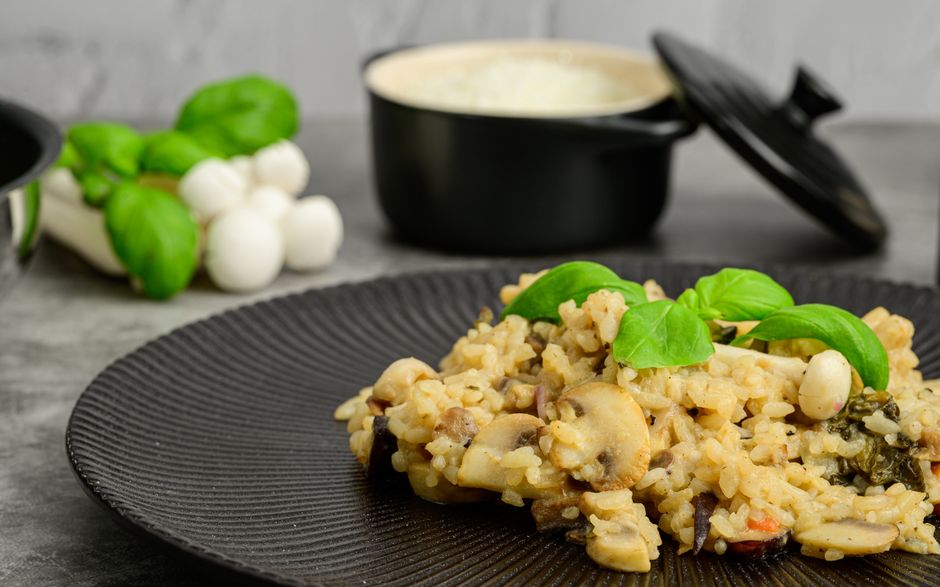
The Science of Starch Gelatinization: How Heat and Water Transform Grains for Perfect Risotto, Polenta, and Pudding
Cooking is often described as an art, a fluid dance of intuition and flavor, but underneath every successful dish lies the unyielding foundation of chemistry. Whether you are aiming for the luxurious, velvet creaminess of a classic Italian risotto or the soul-warming, structured comfort of a traditional cornmeal polenta, you are engaging in a precise molecular transformation. At the heart of these textures is the phenomenon known as starch gelatinization. This is not merely a cooking step; it is the process by which raw, hard, and indigestible granules of starch absorb liquid and swell to create the thickness, structure, and body that define our favorite comfort foods. Understanding how heat and water interact with these tiny granules will fundamentally change the way you approach your kitchen tasks.
Many home cooks find themselves frustrated by textures that turn out gummy, thin, or inexplicably gritty, blaming their ingredients or perhaps their luck. In reality, these failures usually stem from a lack of control over the hydration and heating process of starch molecules. When we look at grains like arborio rice, corn grits, or even the starches used in thick puddings, we are essentially managing the behavior of amylose and amylopectin. These two types of glucose polymers behave in vastly different ways when exposed to thermal energy, and mastering their interplay is the hallmark of a professional-grade home chef. By shifting your focus from following a recipe to understanding the scientific mechanics at play, you gain the ability to troubleshoot any stovetop situation that comes your way.
In this deep dive, we will peel back the curtain on the culinary mechanics that make your favorite dishes work. We will examine the temperature thresholds required to break down crystalline starch structures and look at how mechanical agitation—such as the constant stirring required for risotto—acts as a catalyst for texture development. As we navigate through the physics of thermal energy and molecular hydration, you will learn to spot the signs of perfect gelatinization. This isn't just about reading a recipe; it’s about mastering the physics of your food. Prepare to look at your pantry staples in a completely different light as we break down the complex dance of starch, water, and heat that defines the art of the perfect meal.
The Architecture of the Starch Granule
To understand gelatinization, we must first understand the grain itself. Inside every grain of rice, kernel of corn, or molecule of flour, starch exists in a tightly packed, semi-crystalline structure known as the starch granule. Think of these granules as microscopic bunkers that protect the plant's energy stores from the elements. In their raw state, these granules are insoluble; they are hard, dense, and physically incapable of absorbing water at room temperature. Without the application of external energy, these starches remain locked away, providing zero culinary benefit to the cook.
When we introduce heat and water to these granules, we initiate a multi-stage process. As the temperature rises, the kinetic energy of the water molecules increases, allowing them to penetrate the amorphous regions of the starch granule. At this stage, the granule begins to swell, acting like a tiny sponge. This initial swelling is reversible if the heat is removed, but as we cross the threshold of the gelatinization temperature range—typically between 140°F and 160°F depending on the starch variety—the structure begins to change irreversibly. The hydrogen bonds holding the crystalline structure together break, allowing the granule to expand even further.
The Role of Amylose and Amylopectin
The behavior of this expansion is dictated by the ratio of two specific polysaccharides: amylose and amylopectin. Amylose is a long, linear chain of glucose, while amylopectin is a highly branched, complex structure. During the gelatinization process, the amylose chains tend to leach out of the granule and into the surrounding liquid. This leaching is what creates the "sauce" or the thickening agent in your pot. Amylopectin, however, remains largely inside the swollen granule, contributing to the structural "body" and the eventual viscosity of the dish.
"Starch gelatinization is the bridge between raw ingredients and edible luxury. By managing the rate at which granules swell and release their internal components, a cook transitions from merely heating food to orchestrating a chemical symphony."
Understanding this distinction is vital for dish success. For a fluffy rice pilaf, you want to keep the granules intact; for a creamy risotto, you want to maximize the release of amylose to thicken your stock. By controlling the agitation and the liquid ratio, you are effectively choosing whether you want a dish that is light and separated or one that is rich and cohesive.
Risotto: The Mastery of Controlled Swelling
Risotto is perhaps the most iconic demonstration of starch gelatinization in the culinary world. The secret to a perfect risotto isn't just the stock or the wine; it is the physical abrasion of the rice grains against one another. By stirring, we are mechanically assisting the release of amylose from the surface of the arborio or carnaroli rice. This, combined with the heat-driven swelling of the internal amylopectin, creates the legendary all'onda texture—a finish that moves in a wave on the plate rather than sitting like a dense brick.
To achieve this, you must treat your risotto with patience. We begin by "toasting" the rice in fat—a process known as tostatura. This lightly fries the exterior of the grain, creating a minor barrier that allows for a more controlled, gradual hydration. Without this step, the rice would break down too quickly, resulting in a mushy exterior and a raw, chalky interior. After toasting, we add the liquid in stages. Adding all the liquid at once would overwhelm the starch granules, causing them to explode prematurely. By adding liquid ladle by ladle, we keep the concentration of starch in the surrounding broth high, which facilitates the creation of that signature creamy emulsion.
Temperature and Timing for Risotto
Constant movement is key here. As the starch granules swell, they become fragile. If left unattended, the starch layer on the outside of the grain can burn or unevenly gelatinize, leading to an inconsistent texture. By maintaining a gentle simmer and constant, rhythmic stirring, you ensure that every granule of rice contributes its share of amylose to the liquid, resulting in a perfectly balanced, creamy, and distinct risotto.
Polenta: Managing High-Amylopectin Starches
Polenta is the Italian staple that requires a different approach to starch management than risotto. Because cornmeal contains a higher concentration of amylopectin compared to rice, it behaves more like a structural paste as it gelatinizes. This is why polenta can set into a sliceable solid when cooled. When cooking polenta, the goal is to fully hydrate these starches so that the final dish is smooth rather than gritty. Grittiness in polenta is almost always a result of incomplete gelatinization, where the cornmeal particles were not provided enough heat or time to fully absorb the liquid and soften.
When working with polenta, the liquid-to-starch ratio is your most important tool. A common mistake is using too little water or stock, which prevents the granules from reaching their maximum swelling point. You want to aim for a ratio of at least 4:1, though this can vary based on the grind of the cornmeal. Furthermore, the cooking time is non-negotiable. While "instant" polenta is available, it has been pre-gelatinized and dried, sacrificing a significant amount of depth and mouthfeel. True polenta requires 40 to 50 minutes of gentle cooking to ensure that every starch molecule has fully engaged with the heat.
Pro-Tips for Silky Polenta
Whisking Technique:* Use a balloon whisk initially to prevent clumping. As the mixture thickens, switch to a wooden spoon to prevent burning at the bottom of the pot.
The Resting Period:* Allow the polenta to rest for 5-10 minutes off the heat after cooking. This allows the starch structure to "set" slightly, resulting in a more cohesive and luxurious texture.
Liquid Choice:* Using a combination of milk and chicken stock provides a richer flavor profile and aids in the emulsification of the starches, resulting in a more velvety mouthfeel.
"The difference between amateur polenta and the kind served in a Tuscan trattoria is time. When you short-circuit the gelatinization process, you are effectively serving raw starch. Give it the time it deserves, and the grain will reward you with a creaminess that defies its humble origins."
The Science of Pudding: Thickening with Starch
Puddings, custards, and dessert sauces rely on the same fundamental principles of starch gelatinization as savory dishes, but with a heightened focus on the stability of the final gel. When we use starches like cornstarch, arrowroot, or potato starch in a pudding, we are intentionally creating a starch paste. Unlike the rice or corn in our previous examples, these starches are often refined, meaning they are pure starch granules stripped of their fiber and protein, which allows them to gelatinize at lower temperatures and form much tighter, more transparent networks.
The critical factor in pudding-making is the prevention of "retrogradation." This occurs when the amylose molecules in the starch, once cooled, begin to realign and bond together in a rigid, crystalline structure. This is what causes a pudding to "weep" or leak liquid after sitting in the refrigerator for a day. To mitigate this, professional pastry chefs often combine starches or introduce fats (like egg yolks or cream) to interfere with the realignment of the amylose chains, keeping the pudding smooth and stable.
Troubleshooting Pudding Texture
Too Thin?* You likely didn't heat the mixture to the necessary 185°F-195°F range. Starches like cornstarch require a higher heat to fully "burst" and release their thickening potential.
Lumpy? Never add dry starch directly to a hot liquid. Always create a slurry*—a mixture of cold liquid and starch—to ensure the granules are separated before they hit the heat.
Gritty?* This usually indicates that the starch granules were not completely hydrated before the protein (like egg) began to coagulate. Patience during the initial whisking is the key to a mirror-smooth finish.
Agitation as a Catalyst
In the context of cooking, agitation acts as a mechanical catalyst for gelatinization. Think of the starch granule as a sealed room. Applying heat unlocks the door, but the actual release of the starch material into the surrounding liquid happens much faster when the granules are physically bumped into one another. This is why risotto requires such diligent stirring; if you let the rice sit in the pot, only the outer layer of the grains in contact with the hot liquid will release their amylose efficiently. By stirring, you are essentially "scrubbing" the starch off the surface of the grain and incorporating it into the broth.
However, there is a limit to how much agitation is beneficial. If you overwork the starch, particularly when dealing with potato starches or certain types of flour, you risk creating a stringy or overly elastic texture that is difficult to manage. This is a common issue when making mashed potatoes—if you use a high-speed blender or a food processor, you effectively shatter the cells, releasing excessive starch that turns your light, fluffy potatoes into a gummy, gluey mess. The best approach is to use a gentle hand: a potato ricer or a manual masher ensures you achieve the desired fluffiness without destroying the integrity of the starch.
Mechanical Agitation Rules of Thumb
The Role of Fats and Sugars
It is a common misconception that starches work in a vacuum. In reality, the other ingredients in your pot—specifically fats and sugars—play a significant role in how gelatinization unfolds. Fats, for instance, coat the starch granules. When you toast rice in butter or oil before adding liquid, you are creating a hydrophobic barrier. This doesn't stop gelatinization, but it slows it down. This is actually a desirable trait for many dishes, as it forces the grain to cook more evenly from the outside in rather than exploding on the surface too quickly.
Sugars, on the other hand, are hygroscopic—they love water. When you are making a pudding or a sweetened sauce, the sugar competes with the starch granules for the available water. This effectively raises the temperature at which the starch gelatinizes, which is why a sugary pudding takes longer to thicken than a savory roux. If you are adding a high concentration of sugar, you must be prepared to adjust your cooking time and perhaps increase the amount of starch slightly to compensate for the reduction in hydration.
Balancing Act: Ingredients and Starch
Fat:* Acts as a lubricant and barrier. Helps in controlling the rate of swelling.
Sugar:* Competes for water. Delays gelatinization and requires higher temperatures for full thickening.
Acid: Be careful with additions like wine or lemon juice. High acidity can actually break down some starches, thinning your sauce rather than thickening it. Always add acidic ingredients after* the initial gelatinization has occurred.
The Final Polish: Resting and Serving
The final phase of starch gelatinization is arguably the most neglected. We are often so eager to get food on the table that we ignore the physical changes that continue to happen after we pull the pot off the stove. When you finish a batch of risotto, you are essentially looking at a hot, viscous starch matrix. If you serve it immediately, it may feel a bit loose. If you wait five minutes, however, the temperature drops, the starch molecules begin to slow down their movement, and the dish achieves a natural "set" that feels more cohesive on the palate.
This period of resting is essential for flavor distribution as well. As the starch cools, the liquid becomes slightly more viscous, effectively "trapping" the aromatic compounds released during the cooking process. This means your risotto or polenta will actually taste more flavorful after it has sat for a moment. Never rush the plating; take that time to let the dish settle. A well-rested risotto is a testament to a chef who understands that cooking isn't just about applying heat; it is about managing the transition of matter from a raw state to a perfectly balanced culinary structure.
Mastering the Resting Phase
For Risotto: Give it 2-3 minutes in the pan off the heat before plating. This allows the mantecatura* (the butter and cheese emulsion) to fully bind with the starch.
For Polenta:* Transfer to a warm serving dish and let it sit for at least 5 minutes. This creates that smooth, uniform surface that defines high-quality polenta.
For Puddings:* Cover the surface with plastic wrap directly against the pudding to prevent a "skin" from forming while it cools. This also helps maintain a consistent texture throughout.
Conclusion
Mastering starch gelatinization is like learning the secret language of the kitchen. Once you recognize how heat and water interact with your ingredients, you stop guessing and start calculating. You become the cook who understands why a recipe calls for specific stirring intervals or why a particular grain needs a specific volume of liquid. By respecting the molecular nature of your ingredients, you elevate your home cooking from a task of following steps to a craft of precision and intent. Whether you are aiming for the perfect, flowing texture of a classic risotto, the dense, satisfying body of authentic polenta, or the smooth, silky finish of a decadent pudding, the principles of gelatinization remain your best guide.
As you move forward in your culinary journey, try to view your kitchen through the lens of a scientist. Observe how your starches change color, how they thicken, and how they resist or embrace your efforts. Don't be afraid to experiment with your ratios or your timing, but always do so with the understanding of what is happening inside the granule. The more you tune into these subtle, microscopic shifts, the more confident you will become in your ability to create truly exceptional meals.
Remember, every great chef began exactly where you are now, learning the foundational laws of food. Take these lessons, practice them in your own kitchen, and observe the difference they make. The science of cooking is not meant to be daunting; it is meant to empower you. When you understand the "why" behind the "how," you gain the freedom to create, to innovate, and to blame the chef—in this case, yourself—for a meal that is nothing short of extraordinary. Keep experimenting, keep observing, and most importantly, keep cooking with the curiosity that turns a simple dish into a masterpiece.
Final Thoughts
The journey to perfect culinary texture is a marathon, not a sprint. We have covered the fundamental dynamics of how heat, water, and starch interact, but the true mastery lies in the repetition of these techniques in your own home environment. Every stove heats differently, every pot has a different thermal mass, and every grain of rice has a slightly different starch composition depending on its age and origin. Do not get discouraged if your first attempt at a "perfect" risotto doesn't yield the result you expected. Instead, look at the texture and compare it to the principles we discussed here. Was it too thin? You may need more agitation or more time. Was it too gummy? Perhaps you added too much liquid too quickly or used too much force when stirring.
Cooking is an empirical process. Treat every meal as an experiment, and use the knowledge of starch gelatinization as your control variable. By narrowing down the variables, you will quickly find the sweet spot for your specific equipment and taste preferences. There is immense satisfaction in knowing that your dish didn't just turn out well by accident, but because you manipulated the environment to favor the science at work. That is the mark of a seasoned cook.
Finally, remember that food is ultimately about pleasure. While the chemistry is fascinating, the end goal is always to provide a meal that comforts, satisfies, and delights. Use these scientific principles as a roadmap to consistency, but never lose sight of the art. Season with care, taste as you go, and adjust based on your own palate. With this blend of scientific rigor and creative passion, there is no limit to the heights your cooking can reach. Happy cooking, and may every pot of grains you prepare be a testament to your growing expertise. The kitchen is yours to master, one granule of starch at a time.

Get the Next Recipe
Weekly recipes, techniques, and gear picks — straight to your inbox.
