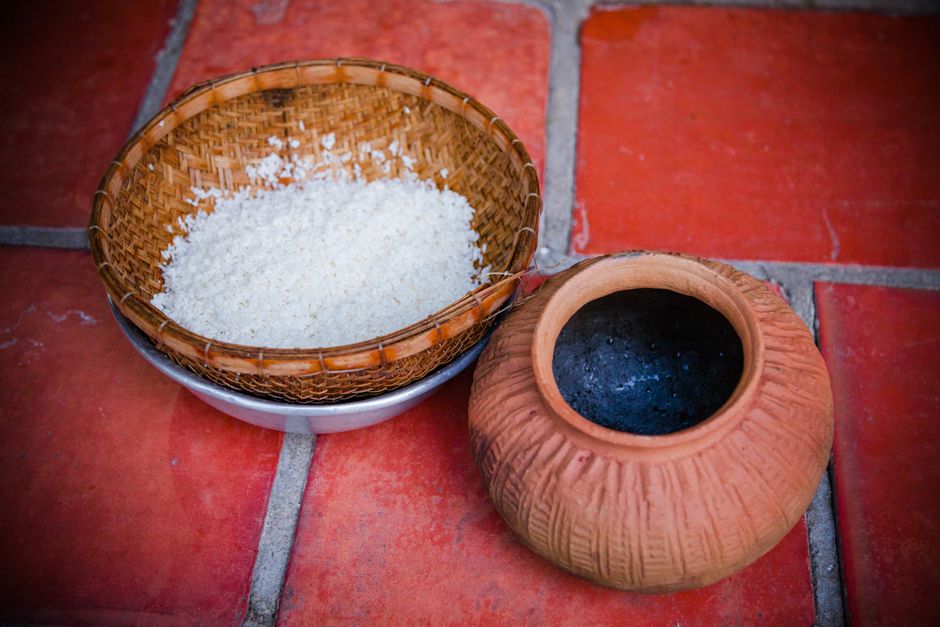
The Science of Starch Gelatinization: How Rice, Potatoes, and Pasta Transform from Hard to Tender
Have you ever stood over a bubbling pot of pasta, wondering exactly what mysterious alchemy transforms a rigid, snap-prone strand of semolina into a perfectly supple, chewy masterpiece? Or perhaps you have stared at a mound of uncooked rice, skeptical that a bit of simmering water could turn those abrasive, porcelain-hard grains into a fluffy, comforting mountain of starch? Cooking is rarely just about following a set of instructions written by someone else; it is an intimate dance with chemistry, physics, and thermodynamics. When we step into the kitchen, we are acting as amateur scientists, manipulating the structural integrity of biological matter to make it palatable for human consumption. Mastering the kitchen requires a fundamental understanding of how heat, water, and time interact with the cellular architecture of the ingredients we love most.
The phenomenon known as starch gelatinization is the backbone of almost everything we do in the kitchen, from thickening a luxurious velouté to achieving the perfect bite of al dente spaghetti. At a molecular level, starches like amylose and amylopectin are packed into tightly ordered crystalline granules within the plant cells of grains, tubers, and legumes. These structures are designed by nature to protect the plant's energy stores from immediate degradation, which is precisely why raw starches are entirely indigestible and frankly quite unpleasant to eat. When we introduce heat and water to these granules, we initiate a irreversible sequence of events that effectively "unlocks" these energy stores. By understanding this process, you gain total control over texture, viscosity, and the ultimate success of your dinner, moving beyond simple recipes to true culinary intuition.
This exploration into the mechanics of starch is not meant to turn your kitchen into a sterile laboratory, but rather to give you the confidence to troubleshoot your cooking in real-time. Whether you are dealing with a sauce that refuses to thicken, rice that turned into a gummy paste, or potatoes that simply won’t soften to your desired consistency, the answers almost always lie within the behavior of starch. We will break down the specific temperature ranges, the importance of water ratios, and the role of agitation in your culinary output. Prepare to change the way you look at your pantry staples forever, as we peel back the layers of complexity behind the simple act of boiling water. Welcome to the deeper side of cooking, where precision meets passion and the results are consistently spectacular.
The Microscopic World of Granule Structure
To understand how food changes, we must first look at what we are starting with. Starch exists within plant cells in the form of discrete, microscopic granules. These granules are semicrystalline, meaning the long chains of glucose molecules—amylose and amylopectin—are arranged in a highly organized, dense pattern. Think of a starch granule as a tightly wound ball of yarn; it is compact, sturdy, and resistant to outside interference. In their raw state, these molecules are held together by strong hydrogen bonds, which prevent water from penetrating the core of the granule.
The difference between various starches lies in the ratio of these two molecules. Amylose is a straight-chain polysaccharide, which tends to pack tightly, while amylopectin is a highly branched, bulky structure that prevents tight packing. A potato starch, for example, behaves differently than a corn starch or a rice starch because the ratio of these two components dictates how much water the granule can absorb and how it will behave when cooled. Understanding this composition is the first step toward becoming a master of texture.
"The kitchen is an extension of the laboratory; when you understand the molecular architecture of your ingredients, you cease to be a cook who follows a recipe and become an architect of flavor and texture."
The Role of Hydrogen Bonds
These hydrogen bonds are the "glue" that keeps the starch granule in its native, hard state. In a raw potato or a dry grain of rice, these bonds are numerous and tight, effectively sealing the starch inside a waterproof vault. To soften the ingredient, we must provide enough kinetic energy—in the form of heat—to break these bonds. This is why you cannot "cook" a potato simply by soaking it in water; the water has no mechanism to force its way into the highly ordered crystalline structure without the introduction of heat to increase molecular vibration.
Kinetic Energy and Molecular Expansion
As we apply heat, the kinetic energy of the water molecules increases, causing them to vibrate more violently. When the temperature reaches a critical threshold—typically between 140°F and 160°F for most common starches—the hydrogen bonds begin to snap. This allows water molecules to diffuse into the granule. As water enters, the granule begins to swell, losing its crystalline order and becoming amorphous. This is the exact moment when the "transformation" begins, shifting the ingredient from a hard, indigestible state to a soft, hydrated one.
The Process of Gelatinization: A Step-by-Step Transition
The process of gelatinization occurs in distinct, predictable phases. First, there is the reversible swelling phase, where the granule takes in a small amount of water but can still return to its original state if dried. However, as the temperature continues to rise, we hit the irreversible gelatinization range. This is the point of no return. The granules swell to several times their original volume, and the internal structure essentially disintegrates, leaving behind a thick, viscous paste of hydrated starch molecules.
This stage is essential for cooking grains like rice or pasta. In the case of rice, the goal is to hydrate the granule fully without allowing it to burst entirely, which would result in a mushy mess. By controlling the heat, we ensure that the starch gelatinizes evenly throughout the grain, resulting in the desired texture. This is a delicate balance; too much heat or too much water, and the starch leaks out into the cooking medium, creating a sticky coating around the grains.
Identifying the Temperature Thresholds
Different starches have different gelatinization temperatures. For wheat starch, the process usually begins around 130°F, while corn starch requires higher temperatures near 165°F. Potatoes, being rich in water and complex starches, have a gelatinization range that starts early but continues until the cell walls themselves break down. Monitoring your heat source is therefore critical; a rapid, aggressive boil is not always better than a steady, controlled simmer.
The Leaching of Amylose
As the granules swell, they eventually reach a breaking point where the amylose molecules begin to leach out of the granule and into the surrounding water. This is why the water in your pasta pot turns cloudy. This leached amylose is what gives your cooking water that silky, viscous quality. Experienced chefs know that this "pasta water" is liquid gold, as it contains the essential starch needed to emulsify sauces and bind them to the noodles.
Mastering Rice: Hydration and Heat Management
Rice is perhaps the most common starch in the world, yet it is notoriously easy to ruin. The secret to perfect rice lies in managing the gelatinization process through precise water-to-grain ratios and temperature control. When you cook rice, you are essentially creating a controlled environment for the starch granules to fully hydrate and reach their maximum potential for tenderness without disintegrating.
The standard "absorption method" works because it forces the water into the grain at a rate that allows for even gelatinization. If the heat is too high, the water evaporates before the center of the grain has finished gelatinizing, resulting in a hard, chalky center. If the heat is too low, the rice sits in excess water for too long, leading to a mushy exterior that has lost all structural integrity.
The Golden Ratios for Rice
Long-Grain White Rice:* 1.5 cups of water to 1 cup of rice.
Basmati/Jasmine:* 1.25 cups of water to 1 cup of rice (these require slightly less water to remain fluffy).
Brown Rice:* 2.5 cups of water to 1 cup of rice (due to the presence of the bran layer, which inhibits water uptake).
The Resting Phase
After the rice has finished cooking, the most important step is the resting phase. During this time, the heat within the pot redistributes, and the gelatinized starch settles. The surface moisture is absorbed by the outer layers of the grain, creating a uniform texture throughout. Never skip this 10-minute rest; it is the difference between a clump of paste and a bowl of distinct, fluffy grains.
"A well-cooked grain of rice should stand on its own, a individual masterpiece of texture, not a casualty of an over-zealous boil. Patience during the resting phase is the final, essential step in starch management."
The Science of Pasta: Al Dente and Surface Starch
Pasta presents a different set of challenges. Because pasta is essentially a dried dough of semolina and water, the starch is already somewhat "processed." However, the goal of cooking pasta is to move it from a hard, brittle state to a supple, elastic one without allowing the starch on the exterior of the noodle to become overly gummy. The term al dente, meaning "to the tooth," is a culinary ideal that refers to the exact moment where the starch in the core is fully gelatinized but the noodle maintains a slight, pleasant resistance.
The surface starch is your best friend in Italian cooking. When you boil pasta, that cloudy water is filled with amylose. By reserving a cup of this water before draining, you have an incredible tool for finishing your sauce. The starch acts as an emulsifier, allowing the water and the fat (such as olive oil or butter) to come together into a creamy, cohesive sauce that clings perfectly to every strand.
The Importance of Salt
Salt does more than season your pasta; it actually affects the gelatinization process. While salt can slightly elevate the boiling point of water, its primary role here is structural. Salt ions interact with the starch molecules, slightly hardening the exterior of the pasta to prevent it from turning into mush. This is why you should always add salt after the water reaches a boil but before you add the pasta.
Avoiding the Sticky Trap
To prevent your pasta from clumping, you must ensure there is enough water to dilute the released starch. Using a large pot with at least 4 to 6 quarts of water per pound of pasta is professional standard. The agitation caused by the boiling water also prevents the strands from sticking together while the starch is in its initial, most "gluey" phase of gelatinization.
Potatoes: Cell Walls and Starch Interaction
Potatoes are unique because, unlike rice or pasta, they contain both starch granules and a rigid cellular matrix made of pectin. When you cook a potato, you are not just managing the starch; you are breaking down the structural pectin that holds the cell walls together. This is why a potato can hold its shape even when it is soft, provided you haven't cooked it into total submission.
The type of potato you choose determines the result. Russet potatoes are high in starch and low in moisture, making them perfect for mashing because the granules swell and burst, creating a fluffy texture. Waxy potatoes like Yukon Golds have more amylopectin and less total starch, which keeps the cells intact even after cooking, making them ideal for salads or gratins where you want the pieces to remain whole.
Techniques for Perfect Mashed Potatoes
The Dangers of Over-Working
When you mash potatoes, you are physically breaking the cell walls. If you use a food processor, you risk shearing the starch granules so aggressively that they release an excessive amount of amylose, resulting in a gluey, stretchy mess. Use a potato ricer or a hand masher to maintain a light, airy texture and protect the integrity of the starch.
Troubleshooting Common Starch Disasters
We have all been there: the rice is a brick, the pasta is a pile of mush, or the potato mash has the consistency of wallpaper paste. Most of these disasters are the result of mismanaged starch. By identifying the failure point in the gelatinization process, you can save your dish or, at the very least, understand what went wrong so you can master it next time.
If your sauce refuses to thicken, you haven't reached the temperature required for the specific starch you are using to fully gelatinize. If your sauce is thin and grainy, you may have used too little starch or the wrong type of thickener. If your dish is too thick and gummy, you have likely over-agitated the mixture, forcing too much amylose into the solution.
Rescue Missions
Too Thick?* Gradually whisk in a small amount of warm liquid to thin the starch matrix.
Too Thin? Create a slurry* (a mix of 1 part cornstarch to 2 parts cold water) and whisk it in while bringing the liquid to a gentle simmer. Never add raw starch directly to a hot liquid, as it will clump instantly.
Mushy Rice?* Unfortunately, once starch granules have fully burst, there is no reversing the process. Use it for rice pudding or soup, where the texture is intended to be creamy.
"The true measure of a chef is not the ability to avoid mistakes, but the ability to diagnose and correct them with the knowledge of how our ingredients actually work."
The Science of Sauces and Thickeners
The application of starch as a thickening agent is a staple of professional kitchens. Whether you are using a roux (flour and fat), a cornstarch slurry, or a reduction, the goal is always to create a stable, appealing texture that enhances the overall flavor profile of your meal. The way you introduce the starch determines the final outcome of the sauce.
When using a roux, you are coating the starch granules in fat. This fat acts as a physical barrier that prevents the granules from clumping when you add liquid. As the liquid heats, the starch gradually breaks through the fat barrier and gelatinizes, creating a smooth, stable thickening effect. This is the foundation of the five French mother sauces, a system that relies entirely on the precise manipulation of starches.
Cornstarch vs. Flour
Cornstarch:* Provides a glossy, translucent finish and high thickening power. It is ideal for Asian stir-fries and fruit-based fillings.
Flour:* Provides an opaque, matte finish. It is better for hearty stews, gravies, and creamy soups where a "cooked" flavor is desired.
Achieving Stability
To ensure your sauce stays stable, it must reach a full simmer. Starch gelatinization is not complete until the mixture hits roughly 185°F to 200°F. If you stop the heat too early, the sauce will be unstable and may thin out once it begins to cool. Always bring your thickened sauces to a gentle bubble to ensure that the starch molecules have fully expanded and "set."
Advanced Culinary Applications: Beyond the Basics
Once you have mastered the basics of gelatinization, you can begin to explore how starches interact with other food components like sugars, acids, and fats. Each of these additives changes the hydration rate of the starch granules. Sugar, for example, is hygroscopic—it loves water. When you add sugar to a starch-based mixture (like a custard or a pie filling), it competes with the starch for available water, which can delay or even prevent proper gelatinization.
This is why, in pastry arts, we often cook fruit fillings with starch before adding the full amount of sugar, or we ensure there is enough excess moisture to compensate for the sugar's interference. Acids, such as lemon juice or vinegar, can also break down starch chains if added too early, leading to a sauce that loses its thickness over time. These are the advanced techniques that separate home cooking from the precision of a professional pastry chef.
The Role of Cooling
Gelatinization is only half the story; retrogradation is the other half. As a starch-thickened product cools, the amylose molecules begin to realign and form new, tighter hydrogen bonds. This causes the sauce or dish to firm up significantly. This is why a stew often tastes better the next day—the starches have had time to fully hydrate, cool, and create a more complex, structured mouthfeel.
Freezing and Starch Stability
Be wary of freezing starch-thickened sauces. When starch gels freeze, the ice crystals can damage the delicate network of molecules, causing the sauce to "weep" or separate upon thawing. If you plan to freeze a meal, it is often better to freeze it without the thickener and add it fresh when you reheat the dish. This maintains the integrity of the texture and ensures your final presentation remains professional.
Conclusion
Understanding the science of starch gelatinization is perhaps the most significant step a home cook can take toward culinary independence. When you stop viewing a recipe as a rigid set of commands and start viewing it as a series of chemical reactions, you empower yourself to solve problems, innovate, and achieve consistent quality. You now understand why your water needs to be boiling for pasta, why your rice needs to rest, and why your mashed potatoes shouldn't be over-processed. These aren't just arbitrary tips; they are laws of nature that dictate the physical reality of the food on your plate.
The journey to becoming a master in the kitchen is never truly finished, but with the knowledge of how starches interact with heat and moisture, you have built a foundation that will support everything else you learn. The next time you find yourself at the stove, take a moment to consider the microscopic drama occurring inside your pot. Watch the water cloud as the granules swell, feel the resistance of the pasta as it nears the al dente stage, and respect the patience required for a perfect grain of rice. Cooking is a beautiful blend of art and science, and by mastering the science, you allow your artistic expression to flourish without the fear of failure.
At Blame The Chef, we believe that the best meal is one made with intention and understanding. You are no longer just boiling water; you are directing the transformation of biological energy into nourishment. Embrace these principles, experiment with your ratios, and never be afraid to get a little technical in the kitchen. Your meals—and the people lucky enough to eat them—will certainly thank you for the extra attention to detail. Remember, the chef is responsible for the result, and with this knowledge in your apron pocket, you are ready to take full control of your culinary destiny. Keep exploring, keep questioning the "why" behind the "what," and keep cooking with confidence.
Get the Next Recipe
Weekly recipes, techniques, and gear picks — straight to your inbox.
