
The Science of Stock: Building Umami and Mouthfeel from Bones and Vegetables
Every great dish begins with a robust base, and nowhere is this more evident than in the world of stocks and broths. Characterized by their rich, complex flavors and a silky mouthfeel, stock is more than just a supporting role in cooking; it is the very foundation that elevates a dish from ordinary to extraordinary. While many cooks often reach for store-bought options, understanding the craft of making stock at home can transform your culinary repertoire and provide a more personalized touch to your meals. Not only does homemade stock offer a depth of flavor that pre-packaged versions simply cannot compete with, but it also allows you to control the quality and sources of your ingredients, crafting something uniquely suited to your palate.
As we delve into the science and art of stock, we will break down the essential components that contribute to its flavor profile, specifically the umami and mouthfeel characteristics that good stock should possess. The beauty of stock lies in its simplicity: bones, water, some vegetables, and herbs create a masterpiece that can enhance a multitude of dishes. Yet, there are specific techniques and principles at play that can make the difference between a mediocre pot and a stock that sings with flavor.
From simmering temperatures to the types of bones and vegetables used, understanding the science behind stock-making provides a foundation for culinary success. We will explore how the extraction of flavors and nutrients occurs during the cooking process, the importance of various ingredients, and how to properly store and utilize your finished product. By mastering the art of stock, you heighten your skills, impress your guests, and take your home cooking to new heights.
The Importance of Stock in Culinary Arts
Stock is an essential component in culinary arts, serving as the backbone for various recipes, from soups and sauces to risottos and braises. A well-made stock not only intensifies flavors but also adds body and richness to dishes, creating a harmonious balance that elevates the overall dining experience. The significance of stock goes beyond its flavor; it is also about texture and the overall mouthfeel it brings to your dishes.
A Deeper Understanding of Flavor Profiles
At its core, stock is a study in the balance of flavors. The fundamental taste that emerges from a well-crafted stock is umami—the savory taste often described as a deep, earthy flavor. This flavor is derived from compounds such as glutamates, which are released during the cooking process. These compounds are not only responsible for flavor but also for the perceived satisfaction of a dish. When making stock, you want to extract as much umami as possible from your ingredients. This can be influenced by several factors:
In contrast to the complex flavors, stock provides a smooth mouthfeel that coats the palate, integrating well with various ingredients. This textural component enhances the overall experience of a meal, making it essential for sauces and soups that rely on a liquid foundation.
The Role of Ingredients in Building Stock
When creating stock, the ingredients you select matter immensely. While the classic trio of onions, carrots, and celery (known as mirepoix) is the standard foundation, the possibilities for flavoring are virtually endless. Here’s a breakdown of key ingredients that can enhance your stock:
Balancing these varied components ensures a rich stock with layered flavors and satisfying body.
Types of Stock: Understanding the Differences
Understanding the different types of stock is crucial in choosing the right one for your culinary needs. The three primary types of stock are white stock, brown stock, and fumet. Each type has unique characteristics, preparation methods, and ideal applications.
White Stock
White stock is a neutral, pale-colored liquid made from bones that are simmered with aromatic vegetables. The primary ingredients include:
To make a white stock, follow these steps:
White stock is ideal for light soups, sauces, and dishes where you want a subtle flavor without overpowering other elements.
Brown Stock
Brown stock is richer and darker than white stock, thanks to the caramelization of the bones and vegetables before simmering. It's a foundational component for sauces and hearty dishes. The basic ingredients include:
Here’s how to make brown stock:
Brown stock is perfect for rich gravies, sauces, and soups, giving depth and body to dishes that require a stronger flavor.
Fumet
Fumet is a type of stock made from fish bones, giving it a lighter flavor profile suitable for seafood-based dishes. It is typically enriched with aromatics such as:
To prepare fumet, follow these steps:
Fumet is ideal for soups and sauces that highlight fish, offering a subtle yet distinctive flavor profile.
The Science of Cooking Stock
The process of cooking stock is both an art and a science, with specific chemical reactions occurring that enhance the flavors and create a complex, savory liquid. Understanding these reactions can help you master the stock-making process.
Extraction of Flavors
As the bones and vegetables simmer, they release their flavors into the water through a process called extraction. This process involves:
Through controlled simmering and skimming, you can ensure that the stock retains a clear appearance while drawing out the essential flavors.
The Role of Acidity
Adding acid to your stock is a step often overlooked, yet it can significantly impact the final flavor. Acids like vinegar or wine help dissolve minerals and collagen, creating a richer stock. When adding acid, consider the following tips:
Temperature Control
Temperature regulation is key during the stock-making process. A gentle simmer (around 190-210°F or 88-99°C) is ideal for extracting flavors without creating a cloudy stock. Avoid boiling, which can lead to emulsification of fats, cloudy liquid, and a less desirable flavor.
To maintain the proper temperature:
The science behind temperature control helps you achieve that desirable, crystalline clarity that only a well-made stock can deliver.
Techniques to Elevate Your Stock
While mastering basic stock-making is a crucial skill, employing advanced techniques can take your stock to the next level, enhancing both flavor and consistency.
Roasting Bones and Vegetables
One of the most transformative techniques in stock-making is roasting. Contrary to simply simmering raw ingredients, roasting bones and vegetables caramelizes the natural sugars, adding depth and rich flavors.
Roasting introduces complexities that raw ingredients alone cannot achieve, resulting in a more robust flavor profile.
Chilling and Skimming
After simmering your stock, the next important step is chilling it properly. Rapid chilling prevents bacterial growth and helps clarify the stock. Follow these steps for effective chilling:
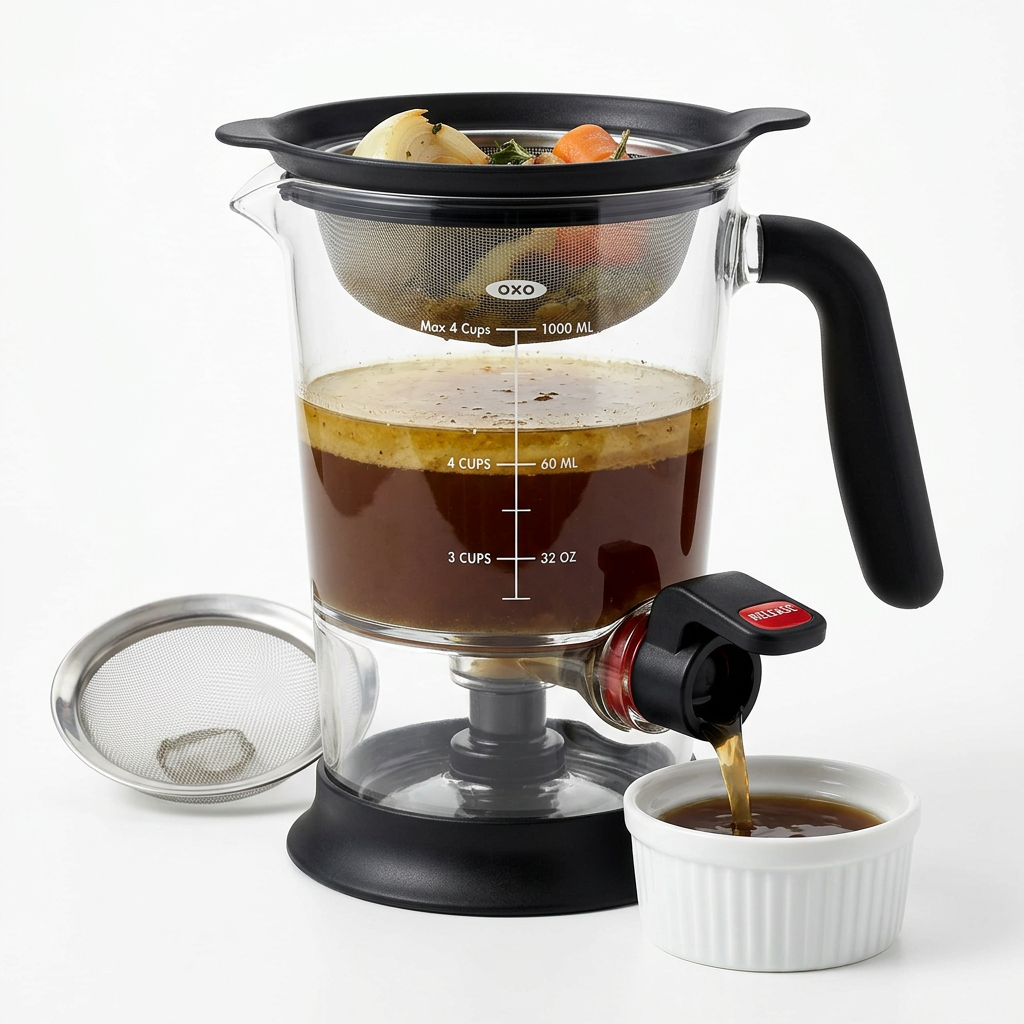
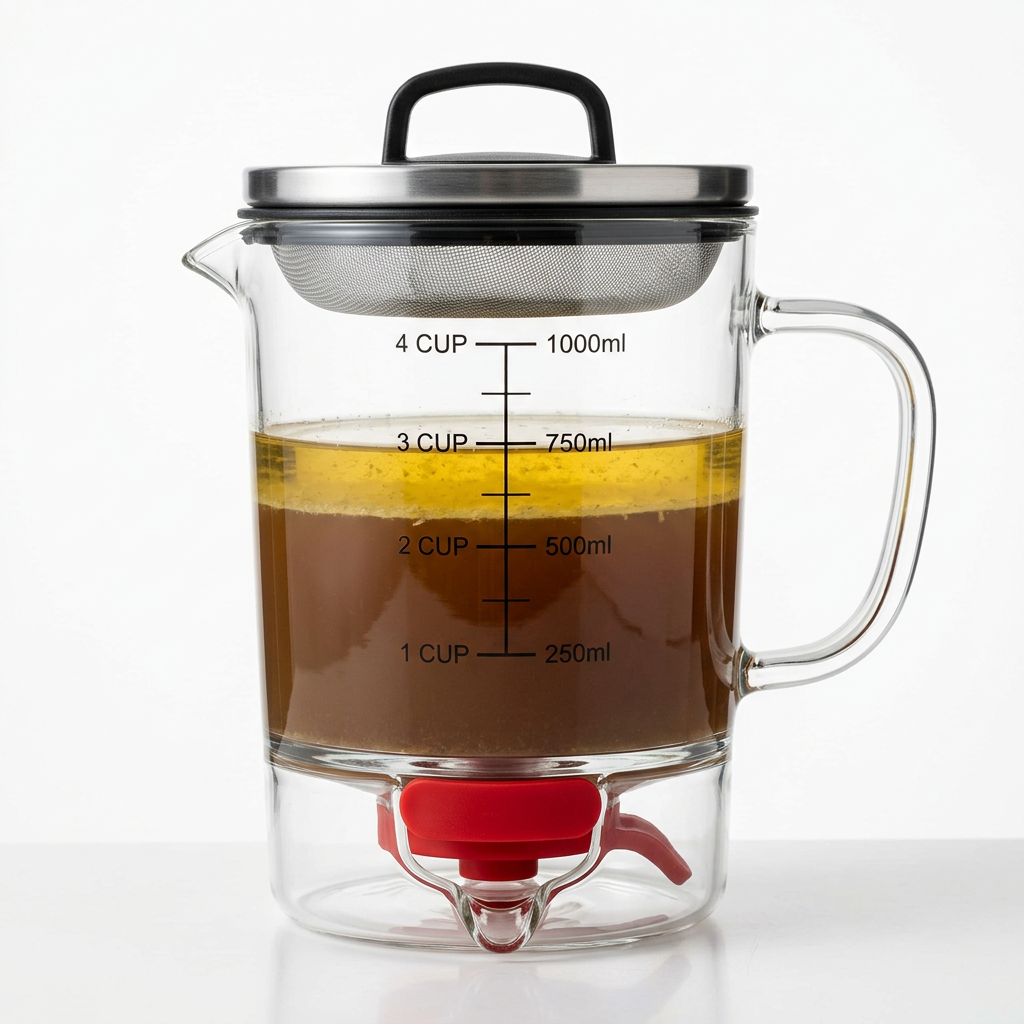
Once chilled, you will notice a layer of fat solidifying on top. Skimming this fat off not only improves clarity but helps refine taste, reducing greasiness.
Clarification Techniques
If your stock turns out cloudy despite your best efforts, don’t worry; you can still clarify it. A traditional method involves creating a clarifying raft of egg whites. Here’s how:
This technique accomplishes not only a clearer stock but also a refined flavor.
Storing Stock for Future Use
Understanding how to store stock effectively can extend its shelf life while preserving flavor, making it an excellent resource for quick meals and sauces.
Cooling and Freezing
Once cooled and skimmed, the best method for storing stock is in the freezer. Consider these options:
Label your containers with dates and types of stock to easily access your homemade goodness later!
Refrigerating Stock
If you plan to use stock within a week, refrigerating is sufficient. Use airtight containers to minimize exposure to air, which can lead to off-flavors.
Storage Tips:
Cooking with Stock: Elevating Your Dishes
Now that you've mastered the art of stock-making, the real joy lies in using your stock to enhance various dishes. Let's explore a few applications.
Soups and Stews
The most obvious use for stock is in soups and stews. Always start with a flavorful stock as a base to infuse your dish with character. Consider:
Sauces and Gravies
Sauces benefit significantly from the depth of flavor brought by stocks. When crafting sauces, consider these principles:
Risottos and Grains
When cooking grains, replacing water with stock adds immeasurable flavor. For risottos, always use hot stock to maintain a consistent cooking temperature and help with the creamy texture you desire.
By incorporating these techniques and flavor bases, you can elevate even the simplest meals.
Conclusion
The science of stock transcends simple cooking techniques; it holds the power to transform your culinary creations into dishes that resonate with flavor, depth, and satisfaction. Understanding the nuances of how to build umami and mouthfeel using bones and vegetables is a skill that every home cook should strive to master. By embracing the art of stock-making, you not only achieve a profound gastronomic experience but also gain control over the quality and taste of your dishes.
As you continue to refine your skills, don’t hesitate to experiment with ingredients and methods suited to your taste. Learn from each batch, whether through success or the occasional mishap, and become the chef of your own kitchen. With this knowledge in hand, may your future stocks be rich and flavorful, enhancing every meal you prepare for family and friends. Through the art of stock, you can create and share culinary masterpieces that tell your own unique story, one savory spoonful at a time.

Get the Next Recipe
Weekly recipes, techniques, and gear picks — straight to your inbox.
