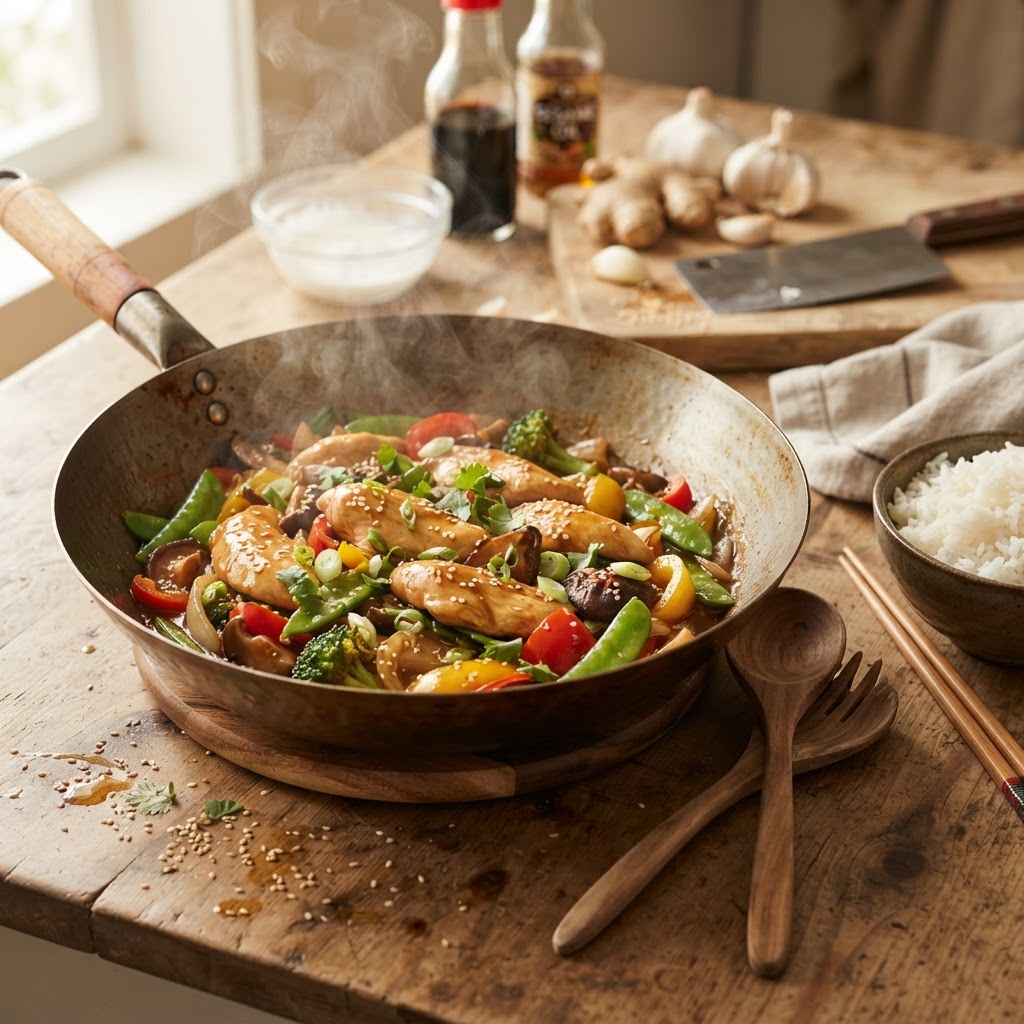
The Science of Texture: How to Master the "Velveting" Technique for Restaurant-Quality Stir-Fries
Have you ever stood in your kitchen, wielding a wok or a non-stick skillet, staring down a pile of sliced chicken breast that promised to be the highlight of your stir-fry, only to end up with something that resembled seasoned rubber? We have all been there, and for years, I blamed the stove, the pan, or even the grocery store for the lackluster quality of my home-cooked Asian-inspired dishes. The truth, however, is much less about your equipment and everything to do with a foundational technique used in professional Chinese kitchens for generations. This process, known as velveting, is the secret bridge between the dry, chewy meat we produce at home and the impossibly succulent, glistening morsels found in your favorite local takeout spot. Once you master this method, you will stop blaming the chef—because you will finally realize that you are the master of your own culinary domain.
Understanding the physics of protein muscle fibers is essential if you want to elevate your cooking from "passable" to "restaurant-quality." When we sear meat at home, we often lose moisture rapidly, causing the fibers to constrict and tighten, resulting in that dreaded chalky or chewy texture. Velveting serves as a protective barrier, essentially marinating and sealing the meat in a silky coating that shields it from the intense, direct heat of the wok. By using a combination of alkaline ingredients and a light starch slurry, we manipulate the surface pH and create a physical shield that locks in juices while providing a beautiful, tender mouthfeel. It is a transformation that feels like magic, but in reality, it is purely a beautiful application of food science that anyone can replicate in their own kitchen with basic pantry staples.
This blog post is designed to move you beyond the basics and give you the confidence to execute a stir-fry that commands attention. We are going to break down the chemistry, the ratios, and the precise timing required to ensure every strip of beef, pork, or chicken comes out perfect every single time. You do not need a commercial-grade burner or a ten-pound cast iron wok to achieve these results; you simply need an understanding of how to manage heat and ingredients properly. Put away your frustration, grab your chef’s knife, and prepare to overhaul your stir-fry game forever. We are about to dive deep into the mechanics of the velvet, and I promise, by the end of this guide, you will look at a simple stir-fry not as a chore, but as a deliberate act of scientific craft.
The Chemistry Behind the Velvet
At its core, velveting is a two-part process involving a marinade and a quick pre-cook stage. The goal is to inhibit the rapid moisture loss that occurs during the high-heat searing phase of a stir-fry. When you slice meat into thin strips, you increase the surface area significantly, which makes the protein incredibly vulnerable to overcooking. By coating the meat in a mixture of cornstarch, an alkaline agent like baking soda or egg white, and a splash of Shaoxing wine, you are effectively creating a thin, hydrated film.
The Role of Starch and Alkaline Agents
The cornstarch acts as the primary moisture-retaining agent. When heated, the starch molecules absorb a small amount of liquid and gelatinize, forming a protective barrier around the protein fibers. This prevents the muscle proteins from dehydrating instantly upon contact with the hot oil. Meanwhile, a tiny amount of baking soda—used sparingly—raises the pH level of the meat's surface. This alkaline environment denatures the surface proteins slightly, allowing them to hold onto water more effectively. It is a delicate balance; use too much baking soda, and you will end up with an unpleasantly soapy flavor and a mushy texture.
Why Texture Matters
Texture is the primary reason why professional dishes often feel more "expensive" or "elevated" than home-cooked ones. We often focus so heavily on flavor—the soy sauce, the ginger, the garlic—that we ignore the tactile experience of the food. Velveting provides a "slick" mouthfeel that is synonymous with authentic Chinese cuisine. It creates a surface that clings to your stir-fry sauce, ensuring that every single bite is not just tender, but also evenly coated in the aromatic flavors of your dish. It is the difference between a dry piece of protein sitting in a pool of sauce and a piece of protein that feels integrated into the dish itself.
"Velveting is not just a technique; it is a commitment to the integrity of your ingredients. By respecting the protein, you unlock a level of tenderness that is impossible to achieve with standard pan-searing methods."
Selecting the Right Proteins and Cuts
Not all proteins are created equal, and while velveting can save a sub-par cut of meat, starting with the right foundation will always yield better results. For stir-frys, look for cuts that have a little bit of natural intramuscular fat but remain lean enough to cook quickly. If you are working with beef, flank steak or sirloin are your best friends. These cuts have the right grain structure to absorb the velveting marinade effectively.
Mastering the Slice
Before you even think about the marinade, your knife work is the most important variable. Always slice against the grain. Cutting through the muscle fibers shortens them, which immediately makes the meat more tender before you even apply heat. Aim for uniform strips about 1/4 inch thick. If your pieces are uneven, some will be perfectly velveted while others will be overcooked and tough. Consistency is the hallmark of a professional cook, and it starts with your prep board.
Poultry and Seafood Applications
Do not limit your velveting to beef and pork. Chicken breast becomes incredibly succulent when velveted, losing that characteristic "stringy" texture that often plagues home-cooked breast meat. Even shrimp, which can turn rubbery in seconds, benefit from a quick velveting session. For shrimp, the process is slightly faster, but the principle remains the same: the cornstarch keeps the moisture trapped inside, resulting in a "snap" that is characteristic of high-quality shellfish.
The Standard Velveting Marinade Ratio
The magic ratio is a simple one, but it must be followed with precision. For every pound of thinly sliced protein, you will want to start with a base marinade. This base isn't just for texture; it is the first layer of seasoning that permeates the meat.
The Components
Mixing and Marinating
Combine all ingredients in a bowl and mix thoroughly with your hands. This is not a task for a spoon; using your hands allows you to massage the marinade into the meat. Massage the mixture for about two minutes. You will notice the meat starts to look slightly translucent and tacky. Once combined, cover the bowl and place it in the refrigerator for at least 20 to 30 minutes. This resting period allows the starch to hydrate and the proteins to relax.
The Two-Step Cook: Oil Blanching vs. Water Blanching
Once your meat is marinated, you have to choose your heating method. There are two primary ways to "set" the velvet coating. The professional way is oil blanching, while the home-friendly way is water blanching. Both serve the same purpose: to firm up the protective coating before the final stir-fry.
The Oil Blanching Method
This is the gold standard for authentic results. Heat about two cups of neutral oil in a wok to roughly 300°F (150°C). You are not deep-frying here; you are essentially poaching the meat in oil. Carefully drop the meat into the oil, using your spatula to separate the pieces immediately so they do not clump together. Cook for only 60 to 90 seconds until the meat is about 80% cooked and has turned opaque. Remove the meat with a spider strainer or slotted spoon and drain it on paper towels.
The Water Blanching Method
If you are intimidated by a large volume of hot oil, water blanching is your solution. Bring a pot of water to a gentle simmer—not a rolling boil. Add a tablespoon of oil to the water to prevent sticking. Add the meat, stir briefly to separate, and let it cook for about 60 seconds. The meat will lose its raw appearance and turn pale. Drain it well. While this method is slightly less "silky" than oil blanching, it is much cleaner and significantly healthier, making it perfect for weeknight meals.
"Many home cooks fear the oil-blanching process, thinking it is excessive or difficult. In reality, it is a fast, efficient technique that locks in moisture in a way that dry-heating can never hope to match."
Integrating the Velveted Protein into the Stir-Fry
Now that your protein is pre-cooked and velveted, it is ready to be reunited with your aromatics and vegetables. Because the protein is already 80% cooked, your final stir-fry time will be drastically reduced. This is the stage where many people fail; they keep the meat in the wok too long, effectively undoing all the work they did during the velveting process.
The Final Flash-Fry
Get your wok smoking hot. Add your aromatics—ginger, garlic, and scallions—and sauté for 30 seconds until fragrant. Add your vegetables, stir-frying until they reach your desired level of crispness. Finally, push the vegetables to the side or remove them briefly, add your velveted meat back into the center, and pour in your stir-fry sauce. Toss everything together for another 30 to 60 seconds. Because the meat is already tender and the coating is set, this final step is purely about melding the flavors.
Managing Sauce Consistency
The cornstarch coating on your protein will act as a natural thickener for your sauce. As you toss the ingredients, the starch will release into the pan, thickening the sauce into a beautiful, glossy glaze that clings to every vegetable and piece of meat. If the sauce becomes too thick, have a few tablespoons of chicken stock or water on standby to adjust the consistency. You are looking for a sauce that coats the back of a spoon, not a watery liquid that pools at the bottom of the serving bowl.
Troubleshooting Common Velveting Mistakes
Even with a perfect technique, things can go wrong. Let's address some of the most frequent issues. If your meat turns out gummy, you likely used too much cornstarch or did not massage the marinade in well enough. The coating should be a thin film, not a thick, pasty batter. If your meat is still tough, you may not be slicing against the grain, or your initial cook time was too long.
The Baking Soda Trap
If you ever find that your meat has a slightly metallic, soapy, or bitter aftertaste, you have definitely used too much baking soda. It is a powerful alkaline agent, and for one pound of meat, you should never exceed a half-teaspoon. Less is often more. If you are using high-quality, tender cuts, you might even consider skipping the baking soda altogether, as the cornstarch and Shaoxing wine alone will provide a significant texture upgrade.
Temperature Management
Heat management is the most common pitfall for the home cook. If your wok is not hot enough, the meat will "stew" in its own juices rather than searing and setting the velvet coating. Invest in a high-quality wok—carbon steel is preferred—and make sure your burner is as hot as it can possibly get before you add the meat. If your stove is weak, work in smaller batches. It is better to do three small batches than to overcrowd the pan and watch your meat boil in its own steam.
The Professional Chef’s Workflow
If you want to cook like a pro, you have to prep like a pro. Mise en place is the secret to all high-level culinary execution. Before you turn on the flame, have every single component measured, chopped, and arranged within arm's reach of your stove. A stir-fry is a high-speed game; there is no time to hunt for the soy sauce or chop an extra clove of garlic once the wok is smoking.
The Workflow Sequence
By following this sequence, you remove the stress from the cooking process. You are no longer scrambling to save a burning stir-fry; you are calmly and methodically finishing a dish that is guaranteed to impress. It turns the kitchen from a place of pressure into a place of creative release, allowing you to focus on the joy of cooking rather than the panic of the clock.
Final Thoughts
Mastering the art of velveting is perhaps the single most impactful change you can make to your Chinese-style home cooking. It moves your dishes from the "homemade" category directly into the "restaurant-quality" realm by addressing the one thing most home cooks ignore: the texture of the protein. You have learned that this process is not merely a suggestion, but a fundamental technique that relies on the interaction between starch, pH, and heat. By respecting the structure of the meat, utilizing the correct ratios, and managing your heat with precision, you are capable of producing dishes that are succulent, tender, and perfectly seasoned.
Do not be discouraged if your first attempt is not 100% perfect. Cooking is a skill that evolves with practice, and even professional chefs continue to refine their methods throughout their careers. Pay attention to how the meat behaves in the pan, how the sauce interacts with the starch, and how the heat changes the integrity of your ingredients. Take notes, adjust your ratios if necessary, and keep pushing your boundaries. You are no longer just following a recipe; you are beginning to understand the science behind the plate.
The beauty of the "Blame The Chef" philosophy is that it encourages accountability and curiosity in the kitchen. When you understand the "why" behind the "how," you take full ownership of your culinary results. No longer will you look at a dry, chewy stir-fry and wonder what went wrong; you will know exactly which step to tweak for the next time. Use this knowledge to experiment with different proteins, different vegetable combinations, and different flavor profiles. Your kitchen is now your personal laboratory, and your dinner table is the place where your scientific experimentation yields the most delicious rewards. Go forth and stir-fry with newfound confidence, knowing that you finally hold the keys to the perfect, velveted bite.
Now, take this knowledge and apply it to your next meal. Perhaps tonight you try a classic Chicken and Broccoli with a perfectly glossy, brown sauce that clings to every floret. Tomorrow, maybe you branch out into a spicy Szechuan-style beef that dances on the palate with a silky, tender finish. Whatever you choose, remember that the texture you are achieving is the result of deliberate, informed technique. It is the bridge between a simple meal and an extraordinary dining experience. From here on out, there is no need to blame the chef—you are the chef, and you are doing an incredible job. Happy cooking, and may your wok always be hot and your velvet always be perfectly smooth.


Get the Next Recipe
Weekly recipes, techniques, and gear picks — straight to your inbox.
