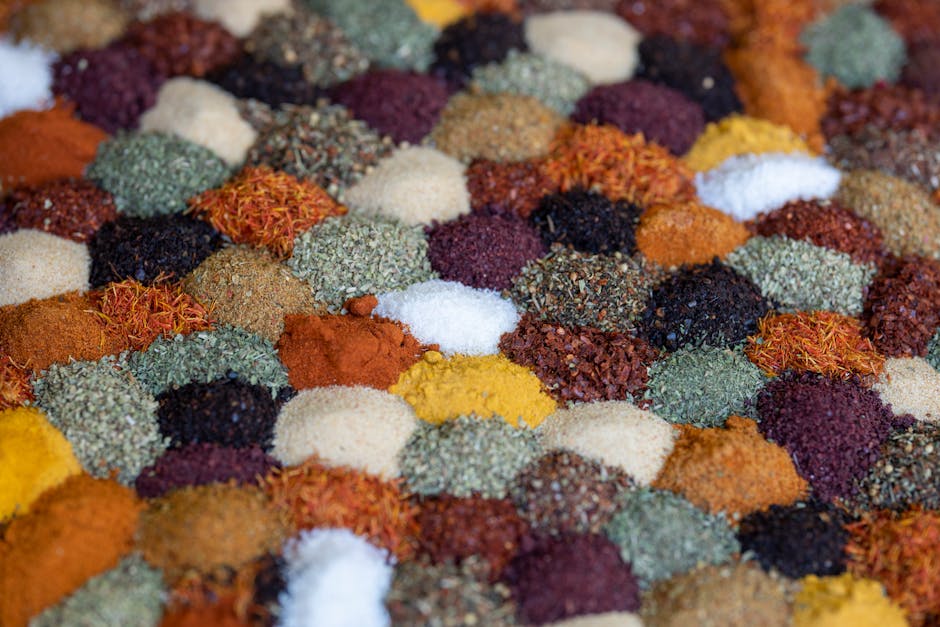
The Secret Life of Spices: Building Flavor From the Ground Up
Cooking is often romanticized as a dance of intuition, a soulful endeavor where a pinch of this and a dash of that create magic on the plate. While there is certainly beauty in that creative freedom, the true secret to restaurant-quality food lies in understanding the chemical architecture of flavor. As a chef, I have spent decades dissecting why a dish sings on one night and falls flat on the next, and the answer almost always circles back to the humble spice rack. Spices are not merely garnish; they are the volatile, aromatic engine that drives our sensory perception of food. Mastering them requires moving beyond rote recipe following and into the realm of understanding the molecular personality of each ingredient.
To build flavor from the ground up, you must first respect the volatility of spices. Every spice—from the earthy depth of cumin to the floral high notes of cardamom—contains essential oils that are sensitive to heat, light, and oxidation. When we throw a handful of pre-ground, six-month-old powder into a hot pan, we are often adding nothing more than dust. The journey to culinary excellence begins with the sourcing of whole spices and the realization that they are living, changing components of your dish. Learning to manage the release of these oils is the difference between a cook who follows instructions and a chef who orchestrates an experience.
In this deep dive, we will explore the science of extraction, the alchemy of heat, and the precise techniques required to manipulate flavor profiles. We will look at how fats act as flavor carriers, how roasting changes the molecular structure of seeds, and why timing the addition of your spices can fundamentally alter the character of your finished meal. It is time to treat your spice cabinet like a laboratory, where your palate is the primary instrument of measurement. By the end of this post, you will possess the foundational knowledge to not only recreate complex flavors but to invent your own, grounded in the scientific principles that govern the culinary arts.
The Chemistry of Aromatic Extraction
The primary goal when working with spices is extraction. You are essentially trying to pull hydrophobic flavor compounds out of the plant material and into your dish. Most of the aroma and taste we associate with spices are trapped in cellular structures that need to be broken down. Heat is the most common catalyst for this, but temperature control is paramount. If you apply too much heat too quickly, you risk scorching the spices, which turns the bitter alkaloids into acrid, unpleasant flavors that are impossible to hide.
Fat vs. Water Soluble Compounds
Many of the essential oils in spices are fat-soluble, meaning they disperse and intensify when introduced to lipids like butter, ghee, or high-quality oils. This is why the classic Indian technique of tadka—blooming spices in hot oil—is so scientifically sound. The fat acts as a solvent, pulling the oils from the spices and then coating the ingredients in your pan. If you add spices to water-based liquid, you will get a different result entirely; the flavor will be muted and will disperse unevenly.
Rule of thumb:* Always start with a fat-based bloom for maximum depth.
Temperature control:* Keep your oil at a medium-low heat. You should smell the spices becoming fragrant within 30 seconds; if they turn dark brown instantly, your pan is too hot.
The emulsion:* Once the spices are bloomed in fat, the subsequent addition of onions, garlic, or stock will carry those flavors throughout the entire volume of your dish.
The aromatic profile of a spice is a fragile thing, captured in oils that vanish if treated with indifference. To master the spice is to master the heat, the fat, and the timing of the release.
Roasting and The Maillard Connection
We often hear about the Maillard reaction regarding searing a steak, but the same principle of non-enzymatic browning applies to whole spices. When you dry-toast a seed—like coriander or fennel—you are inducing chemical changes that create complex, nutty, and savory notes that were not present in the raw state. This is a critical step for building a "base" flavor in curries, dry rubs, and even some baking applications.
The Technique of Dry Toasting
Dry toasting requires a heavy-bottomed stainless steel or cast-iron skillet. Never use non-stick pans for this, as you cannot achieve the steady, high-heat transfer necessary for consistent results. Place your whole spices in a cold pan and gradually bring them up to a medium-high heat. Shake the pan constantly to ensure even distribution. You are looking for the point where the spice color deepens slightly and the aroma changes from a raw, "green" smell to a rich, toasted scent.
Precision Grinding and Surface Area
Once you have toasted your spices to perfection, the next step is milling. The surface area of your spice impacts how quickly its oils will evaporate and how rapidly the flavor will infuse into your dish. A fine, powdery grind offers an immediate burst of flavor, while a coarser, cracked grind provides a slow-release experience. Understanding how to vary your grind size is a pro-level skill that adds texture and complexity to your cooking.
The Mortal and Pestle Advantage
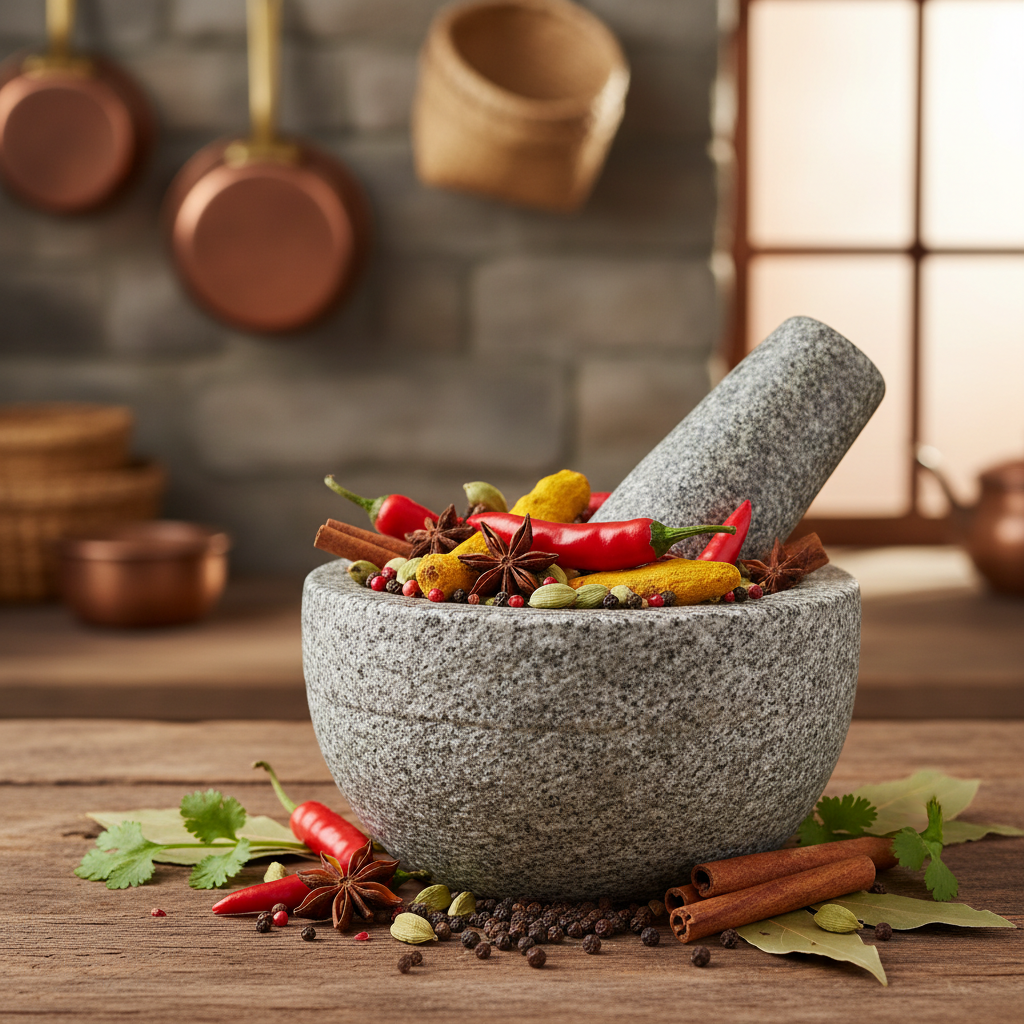
While an electric spice grinder is convenient, the mortar and pestle offers a superior culinary outcome. When you grind spices mechanically with a blade, you are essentially shattering the material, which can lead to uneven particles and excessive heat buildup. A mortar and pestle crushes the fibers and cells, effectively "bruising" the spices to release their oils without destroying the integrity of the volatile compounds.
Coarse Grind:* Best for dry rubs on grilled meats or finishing crusts, where you want small, flavorful crumbles.
Medium Grind:* Ideal for hearty stews and long-simmering dishes where the spice should soften into the sauce over time.
Fine Powder:* Necessary for delicate sauces, vinaigrettes, or as a finishing garnish where you do not want a gritty texture.
A spice is at its absolute peak the moment it is ground; every second thereafter is a race against oxidation. If you must grind ahead, store the powder in an airtight glass container in a dark, cool place for no more than three days.
Layering: The Architecture of Flavor
One of the most common mistakes in home cooking is adding all the spices at the beginning of the process. In restaurant kitchens, we use a technique called layering. This involves adding spices at specific intervals to build a three-dimensional flavor profile that has a beginning, middle, and end. You want to create a dish that evolves on the palate, not one that hits you with a single, monolithic note.
The Three-Phase Method
Phase one is your foundation. This involves the hearty, grounded spices—cumin, coriander, turmeric, or black peppercorns—which are bloomed in fat at the start of the cooking process. These spices provide the "floor" for your dish, offering a deep, earthy backdrop. Phase two happens in the middle of cooking. Here, you might introduce aromatics that benefit from a shorter infusion, such as ginger, garlic, or fresh chili. Phase three is for the finishing notes.
The Finish:* At the very end of cooking, incorporate high-note spices like cinnamon, cardamom, or fresh herbs. These volatile compounds are delicate and would be lost if added during the early, long-boil phase.
The Adjustment:* Always taste your dish after the final addition. Sometimes, a tiny squeeze of acid—lemon or lime juice—acts as a bridge, linking the base spices to the finishing notes.
The Role of Tannins and Bitterness
We often focus on salt, fat, and heat, but we must also consider the role of tannins and bitterness in spice profiles. Spices like star anise, cloves, and bay leaves possess potent tannic properties that can tighten the palate. If used in excess, they create a harshness that is difficult to correct. However, when used with surgical precision, they provide a necessary structure that prevents a dish from becoming "muddy."
Balancing the Profile
Think of your spices as a musical ensemble. The earthy spices are your bass line, the bright, citrusy spices are your melody, and the tannic spices are your percussion. If you have too much bass, the song is muffled. If you have too much percussion, it becomes grating. When you find a dish is lacking "something," it is often not a lack of salt, but a lack of structural balance. Adding a tiny amount of a tannic spice can provide the "grip" that a sauce needs to cling to the palate.
The Clove Rule:* A single whole clove can permeate an entire pot of braising liquid. Never use more than two in a standard recipe unless you are specifically looking for a medicinal, clove-forward profile.
Bay Leaf Logic:* Remember that dried bay leaves release flavor slowly over time, making them perfect for soups. Fresh bay leaves, however, have a more floral, herbal quality that is better suited for lighter dishes.
Sourcing and Storage: The Chef’s Responsibility
You cannot produce a masterpiece with inferior materials. The freshness of your spice rack is directly proportional to the quality of your cooking. Spices do not technically "expire" in a way that makes them toxic, but they certainly lose their soul. If your cumin smells like old sawdust or your paprika has no discernible sweetness, throw them away. Your local grocery store’s pre-ground spices are often months, if not years, past their peak.
The Pantry Audit
Start by sourcing your spices from reputable purveyors who prioritize turnover and quality. Look for whole, non-irradiated spices whenever possible. When you bring them home, treat them as you would a premium cut of meat or fresh herbs. They need to be stored in an environment free from light, heat, and moisture.
Understanding the Molecular Synergy
Culinary science has long studied the flavor compounds shared between ingredients. We know that certain ingredients work well together because they share a common chemical foundation. For instance, the spicy, pungent notes of cloves and the deep, dark notes of coffee share similar aromatic compounds. By understanding this, you can start to experiment with pairings that go beyond traditional recipes.
The Art of Innovation
Don't be afraid to cross-pollinate. If you are making a rich red wine reduction, try adding a tiny pinch of high-quality cocoa powder or ground star anise to bridge the gap between the acidity of the wine and the fat of the butter. When you start thinking about the molecular connections rather than just the color or origin of the spice, you unlock a new level of culinary creativity.
The Citrus Connection:* Coriander seeds have an inherent citrusy note. Pairing them with actual citrus zest can amplify that brightness in a way that a standard seasoning never could.
The Heat Bridge:* Chili flakes are not just about "spicy." Different chilies have fruity, smoky, or chocolatey undertones. Match the undertones of your chili to the primary ingredients of your dish to create a cohesive experience.
Flavor is not a collection of individual ingredients, but a conversation between them. When you understand what each molecule contributes, you stop cooking recipes and start composing symphonies.
Conclusion
Building flavor from the ground up is a process of education, patience, and meticulous observation. As we have explored, the secret to elevating your culinary repertoire lies in mastering the chemistry of your spices. By understanding how to bloom them in fat, how to manipulate their texture through precise grinding, and how to layer their release throughout the cooking process, you move from being a follower of instructions to a true culinary artist. Do not be intimidated by the science of it all; instead, let it be the framework upon which you hang your creative instincts.
Remember that every time you enter the kitchen, you are conducting a miniature experiment. The heat of the stove, the type of fat you choose, the freshness of your raw materials, and the timing of your additions—these are all variables that you have the power to control. Treat your spices with respect, taste as you go, and never stop questioning why a certain combination works or why another falls short. The journey to culinary mastery is infinite, but it is one that begins with the simple, humble seed, toasted in a pan and waiting to be transformed.
In the end, "Blame The Chef" is about taking ownership of your results. When you realize that the nuance of a finished sauce is a direct result of how you toasted your coriander or how you layered your aromatics, the mystery evaporates and is replaced by confidence. Keep your spices fresh, keep your palate sharp, and keep cooking with intent. The kitchen is your laboratory, and the flavors are waiting for you to discover the hidden symphonies within. Go forth and cook with purpose, knowing that you now have the tools to turn the mundane into the magnificent.
As you continue to practice these techniques, you will find that your intuition becomes more precise. You will begin to smell a sauce and know exactly what is missing—not because a book told you, but because you understand the molecular architecture of the dish. This is the hallmark of a great cook: the ability to diagnose, adjust, and elevate a meal on the fly. It is a lifelong practice, but it is one that rewards you every single time you sit down to eat.
So, start with the basics. Refresh your pantry, grab a heavy-bottomed pan, and start toasting. Listen to the crackle of the seeds, inhale the transformation of the aromatics, and feel the weight of the ingredients as you work with them. Your culinary evolution is a process of constant learning and refinement. Do not be afraid to make mistakes, for it is often in the failures that the most profound lessons in flavor science are learned. Keep pushing, keep tasting, and above all, keep building your flavor from the ground up, one spice at a time. The world of taste is vast, and you have only just begun to scratch the surface of what is possible. Your kitchen is a space for discovery, and with the principles of science at your back, there is no limit to what you can achieve. Happy cooking, and may your seasoning always be intentional and your flavors always bold. We are just getting started on this journey, and I look forward to exploring even deeper into the chemical bonds of our favorite meals in our next deep dive. Keep the flames low, the pans hot, and the curiosity burning. The secret life of spices is now yours to command. Every meal is an opportunity to practice, to experiment, and to refine your voice in the kitchen. Make sure every single bite tells the story of the care and science you poured into its creation. From the first bloom of cumin to the final dash of finish, everything counts. Remember that cooking is an act of love, and understanding the science behind it is just another way to show that love more effectively. Enjoy the process, and may your table always be full of friends, family, and extraordinary flavor. Your path to becoming the chef of your own home begins with the very next meal you prepare. Take that first step, and trust the process. You are the architect of your own culinary world. Build it well.

Get the Next Recipe
Weekly recipes, techniques, and gear picks — straight to your inbox.
