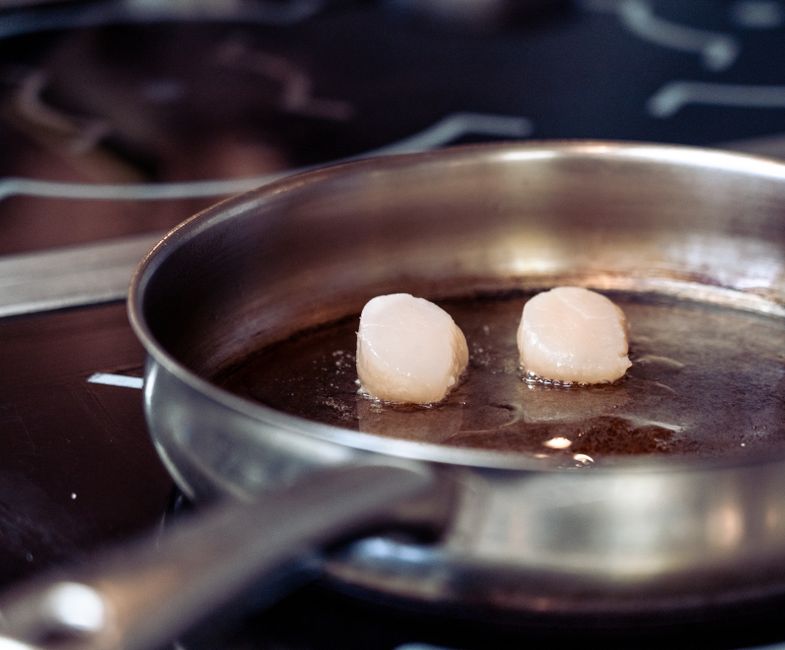
The Secret to Perfect Pan-Seared Scallops: Temperature and Timing
Perfectly pan-seared scallops are a hallmark of culinary excellence that can elevate any dining experience. The golden-brown crust, the succulent interior, and the subtly sweet flavor all depend on two crucial elements: temperature and timing. When cooked properly, scallops can be a quick yet sophisticated dish that impresses guests without demanding hours in the kitchen. However, the finesse required to achieve that legendary sear is easily attainable for those willing to master the basic principles of cooking these delicate seafood gems.
To create the perfect pan-seared scallop, understanding the science behind heat application and cooking duration is vital. Scallops are comprised primarily of water, and when exposed to high heat, the water evaporates rapidly, creating that much-desired crust. However, if the heat is too high or if the scallops are cooked for too long, you will end up with tough, rubbery morsels that no amount of garnish can save. In other words, precision is your best ally when it comes to scallops—know when to turn up the heat and when to keep it gentle.
In this guide, we will explore everything you need to know to achieve perfect pan-seared scallops, from selecting the right scallops and preparing them properly to mastering cooking techniques and pairing them with delicious accompaniments. Whether you are planning an elegant dinner for two or a vibrant gathering with friends, having a foolproof method for scallops will make you feel like a professional chef in your own kitchen.
Choosing the Right Scallops
Selecting the right scallops is the foundation for a great dish. Freshness is of utmost importance when cooking scallops, and knowing where to buy them will significantly affect your results.
Types of Scallops
There are primarily two types of scallops available in the market: Diving Scallops and Farmed Scallops.
When buying scallops, look for:
“The secret to perfection begins at the market where the ingredients are born.”
Fresh vs. Frozen Scallops
Fresh scallops are unmatched in flavor and texture, but frozen scallops can also yield excellent results if handled correctly. Here’s a quick guide on how to choose between the two:
By understanding these essential factors, whether you stumble upon fresh diving scallops or opt for frozen varieties, you will be one step closer to creating that picture-perfect dish.
Preparing Scallops for Cooking
Preparation is key to achieving the ideal sear on scallops. Taking the time to prepare your scallops well can make the difference between a good dish and a great one.
Thawing Frozen Scallops
If you've purchased frozen scallops, proper thawing is crucial for an even cooking process. To thaw:
Never use hot water or microwave thawing methods, as they can cause uneven cooking and affect the overall texture.
Cleaning and Drying Scallops
Once thawed, it’s important to clean your scallops:
Scoring the Scallops
For larger scallops, especially if they have a tough membrane or muscle on the side, a small technique to enhance texture involves slight scoring:
By understanding the importance of these steps, you set the stage for success in your searing quest.
Seasoning and Flavors
While scallops are delightful in their own right, how you season them can elevate their flavor profile remarkably.
Basic Seasoning Techniques
A simple seasoning of sea salt and black pepper is often enough to highlight the natural sweetness of scallops. Here’s a basic guide to seasoning:
Unconventional Flavor Pairings
For those who wish to explore beyond basic seasoning, consider trying unique flavor enhancers that complement the inherent sweetness of scallops. Here are a few ideas:
“Seasoning is where creativity meets technique—trust your palate but don’t forget the fundamentals!”
Marinades and Infusions
While scallops don’t require marination, investing some time in a flavor-infusing method can pay off significantly:
Cooking Techniques for Pan-Seared Scallops
Understanding how to properly cook scallops involves diving deep into a few techniques. While preparing the scallops is essential, knowing how to sear them to perfection will truly showcase your culinary expertise.
The Importance of Preheating
Before cooking, it's critical to preheat your frying pan. A cast-iron skillet or a stainless-steel skillet is ideal for searing scallops because they retain heat well and offer an excellent surface for browning.
To test if it's sufficiently heated, flick a few drops of water on the surface. If the water dances and evaporates immediately, you're ready to go!
Choosing the Right Fat
The choice of cooking fat is crucial, as it can influence the flavor and browning of scallops. Popular fats for searing include:
Searing the Scallops
Now for the actual searing! Follow these essential steps to guarantee perfect results:
“Every cooking technique has its rhythm—allow the scallops their moment to dance in the pan!”
Adjusting for Thickness
If you happen to have particularly thick scallops or larger sizes, the cooking time may require adjustment. For thicker scallops (U/10 size), consider finishing them in a preheated oven:
Accompaniments and Seasonal Pairing
Pairing pan-seared scallops with delicious accompaniments can enhance their flavor while creating a complete meal. Below are a few suggestions for sides that complement their rich taste.
Vegetables and Starches
Seasonal Sautéed Vegetables: Lightly sautéed vegetables such as asparagus, green beans, or zucchini offer freshness and crunch. Toss them in the pan right after removing the scallops.
Creamy Risotto: A luscious risotto made with arborio rice, broth, and finishing with cream and Parmesan pairs seamlessly with scallops. The creaminess balances the scallops’ texture and richness.
Mashed Potatoes or Cauliflower: Serving scallops on a bed of creamy mashed potatoes enhances their natural sweetness while offering a satisfying bite.
Sauces and Dressings
A great accompaniment is a finished sauce or dressing that ties the whole dish together:
Wine Pairings
When planning your meal, think about how wine can enhance these flavors. Scallops pair well with a variety of wines, particularly:
Troubleshooting Common Issues
Even the most experienced chefs face hiccups along the way. Here are some common challenges when cooking scallops and how to overcome them.
Overcooked Scallops
If your scallops turn out rubbery or tough, it’s likely they were cooked for too long. To prevent this:
Not Enough Sear
If you don't achieve a good browning, consider these factors:
Too Greasy
Should you find your scallops swimming in grease, it usually means too much fat was used or the pan was too cold initially. Aim for a 1-2 tablespoon fat ratio based on the size of the scallop batch (a small batch needs less fat).
Final Thoughts
Perfectly pan-seared scallops are within reach for every home cook willing to embrace a few essential principles of temperature and timing. Understanding scallop selection, preparation, seasoning, cooking techniques, and ideal pairings can transform a simple piece of seafood into a star dish fit for any occasion.
By taking the time to practice these techniques, refine your skills, and perhaps even make a few mistakes along the way, you will find the experience incredibly rewarding. Whether you aim to impress friends at a dinner party or share a quiet moment at home, perfectly prepared scallops personalize every occasion with elegance.
To wrap up, don't be afraid to experiment with flavors and cooking styles. With practice and a willingness to learn, you will discover the art of cooking scallops is as delightful as tasting them. Now, go forth and conquer those seas of culinary delights; your journey to pan-seared perfection awaits!
Word Count: 2,028
Get the Next Recipe
Weekly recipes, techniques, and gear picks — straight to your inbox.
