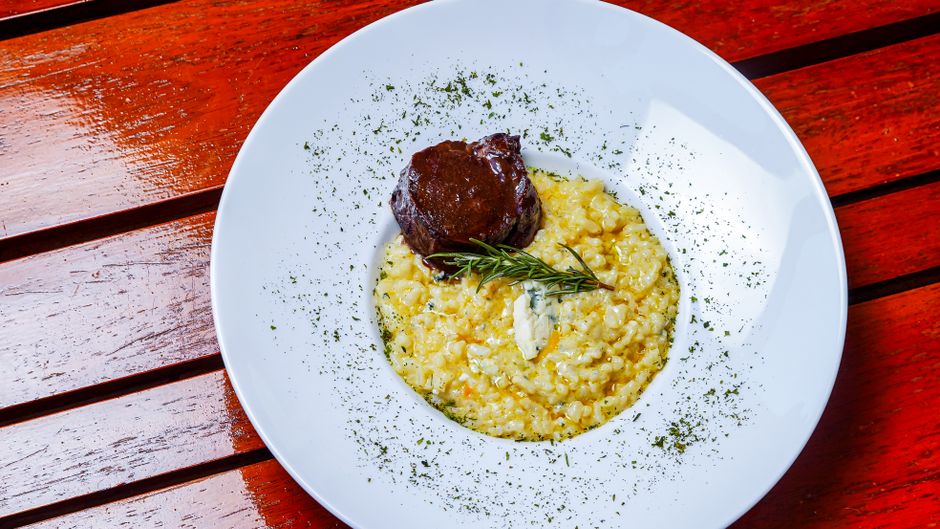
The Secret to Perfect Risotto: Technique Over Timing
Risotto is often regarded as one of the quintessential comfort foods of Italian cuisine, yet it draws a fine line between being a luxurious centerpiece and an unremarkable filler at the dinner table. Mastering risotto is not simply about timing; it's an intricate dance of technique that can elevate a home cook into the realm of culinary artistry. This creamy, rich dish, typically made with Arborio rice, is built on the foundation of patience, mindfulness, and an understanding of the essential principles behind it. If you’ve ever experienced a creamy, perfectly al dente risotto, you've tasted the results of careful attention and precise technique. This guide is designed to equip you with that know-how to create consistently outstanding risotto, every time.
The process of making risotto is often perceived as time-consuming and fraught with potential pitfalls. However, those who have ventured into this territory often emerge with incredible dishes, a sense of accomplishment, and newfound skills in their cooking repertoire. The secret lies not in adhering strictly to the clock but rather in recognizing the transformation of the rice and other ingredients throughout the cooking process. This article will delve into the various techniques that underpin the perfect risotto, addressing common challenges and offering guidance for everything from ingredient selection to the final touches before serving.
In this blog post, we will demystify the art of risotto by breaking it down into manageable components. The approach to perfect risotto can vary based on personal preference and regional traditions, but the fundamental techniques will remain central to every successful dish. Whether you’re aiming to impress guests at a dinner party, enjoying a cozy meal with your family, or preparing an elegant dinner for one, mastering these techniques will set you on the path to achieving risotto perfection.
Understanding Risotto: A Culinary Classic
Risotto is more than just a side dish; it's rooted deeply in Italian culinary tradition, making it a staple in many households. Its creamy consistency combined with umami flavors can be attributed primarily to the rice used: Arborio, Carnaroli, or Vialone Nano. Each variety possesses its own unique characteristics that affect the final dish. Arborio is most commonly used due to its high starch content, which yields the creamy texture that everyone loves. The way the rice absorbs liquid and flavors during cooking is an integral part of the magic behind risotto.
The Role of Starch
The creamy texture of risotto isn’t reliant on heavy cream or butter alone; rather, it emerges from the starches released during the cooking process. When Arborio rice is cooked, its outer layer releases starch, creating that luxurious creaminess. This is why the liquid must be added gradually; it allows the rice to absorb it properly, maximizing the release of starches. It's a delicate process that requires attention but rewards you with a delightful dish.
"You’ve got to stay close to the pot. Risotto is a commitment." - Chef Marco Santini
Types of Rice
Understanding the various types of rice available is paramount to your risotto-making success:
Using the right rice isn’t merely a suggestion; it's essential to ensuring that your risotto achieves the intended texture and creaminess that is synonymous with this dish.
The Essential Ingredients
While perfecting the technique is crucial, an equally vital aspect of a delightful risotto is using the right ingredients. Each element adds depth and flavor, creating a symphony of tastes that elevates the dish.
Broth Selection
The foundation for your risotto lies in the broth, which infuses the rice with flavor. While homemade broth is always preferable, the type of broth you use can greatly impact the final taste:
Always ensure that the broth is warm before adding it to the rice. Cold broth can shock the rice, causing it to cook unevenly and preventing the starch from releasing correctly.
Aromatics and Flavor Enhancers
Beyond broth, other essential ingredients provide flavor and complexity:
It's crucial to sauté the aromatics in a good-quality olive oil or butter before adding the rice. This step deepens the flavor profile and helps the rice absorb the essence you create.
Cheese and Finishing Touches
A quintessential addition to risotto is cheese. Parmesan is the traditional choice, grate it finely to ensure it melts seamlessly into the dish. You can also explore using:
Additionally, consider finishing with herbs (like parsley or basil), a drizzle of high-quality olive oil, or even a touch of lemon zest to brighten the flavors.
Techniques for Perfect Risotto
Creating the perfect risotto is as much about technique as it is about the ingredients. The following methods will guide you through the process, ensuring that your end result is creamy and perfectly cooked.
The Sautéing Step
Start your risotto by heating a large, wide pan over medium heat. The increased surface area allows the liquid to evaporate more quickly, aiding in the creaminess of the risotto.
Toasting the Rice
Toasting the rice before adding the broth plays a critical role in developing flavor. This step seals the grains, keeping their shape while they cook.
Deglazing with Wine
Once the rice is toasted, deglaze the pan with wine. This adds acidity and balances the richness of the dish.
This step not only builds flavor but also sets the stage for the gradual absorption of broth.
Gradual Addition of Stock
Here, the technique differentiates between good and outstanding risotto:
Testing for Doneness
The cooking process typically takes about 18-20 minutes, but don’t depend solely on timing. Test for doneness around the 15-minute mark. You want the grain to be al dente: tender but still with a slight bite in the center.
"Risotto is like any love affair; it demands patience and attention." - Chef Elena Rossi
Common Pitfalls and Troubleshooting
Even with the best intentions, missteps can occur in the quest for the perfect risotto. Here are several common mistakes and how to avoid them, along with solutions if they do arise.
Overcooked or Undercooked Rice
The timing for risotto can be deceptive. If the rice is mushy, it's likely been cooked too long or had too much liquid. Conversely, if it's hard or crunchy, it hasn't absorbed enough broth.
Insufficient Creaminess
It’s possible to have a risotto that is fully cooked yet lacking in creaminess. This often occurs if the grains didn’t release enough starch.
Flavor Imbalances
If your risotto seems flat or lacking dimension, it’s likely due to insufficient seasoning. Always season your broth ahead of time, but remember to taste constantly as you cook.
Creative Variations of Risotto
While traditional risotto is delightful, experimenting with variations can open up a whole new world of flavors. Here are some inspiring ideas to spark your culinary creativity.
Seasonal Vegetable Risotto
Incorporating seasonal vegetables not only adds color but layers of flavor. Consider:
Seafood Risotto
Seafood risotto is a seafood lover’s dream, offering a fresh and briny note. Use a combination of:
Risotto al Nero di Seppia
One of the more extravagant variations, Risotto al Nero di Seppia, uses cuttlefish ink to achieve a dramatic color and saltiness:
Herb-Infused Risotto
Adding fresh herbs can enhance the flavors significantly. Try:
Serving and Storing Risotto
As crucial as the cooking process is how the risotto is served and stored. Paying attention to the finishing touches can elevate your dish even further.
Presentation
Consider these serving tips to impress your guests:
Storage Tips
If you have leftover risotto (though it’s usually devoured quickly), here’s how to handle it:
Final Thoughts
Mastering risotto is not only a fulfillment of culinary skill but a celebration of flavor, technique, and creativity. With each pot stirred and each grain of rice meticulously tended to, you're not just cooking; you're creating a masterpiece. The intersection of meticulous attention, the right ingredients, and mindful technique forms the backbone of this beloved Italian dish. As you continue to experiment with flavors, textures, and methods, you’ll find that the art of risotto is as boundless as your imagination.
With patience and practice, you’ll reach a level of confidence that allows room for creativity and improvisation in your cooking. Here’s to never blaming the chef, but rather praising those who have taken the time to learn the craft. Enjoy your risotto-making journey—it's one filled with warmth, richness, and joy.
The perfect risotto is waiting for you—now it’s time to get cooking!
Word Count: 2,013
Get the Next Recipe
Weekly recipes, techniques, and gear picks — straight to your inbox.
