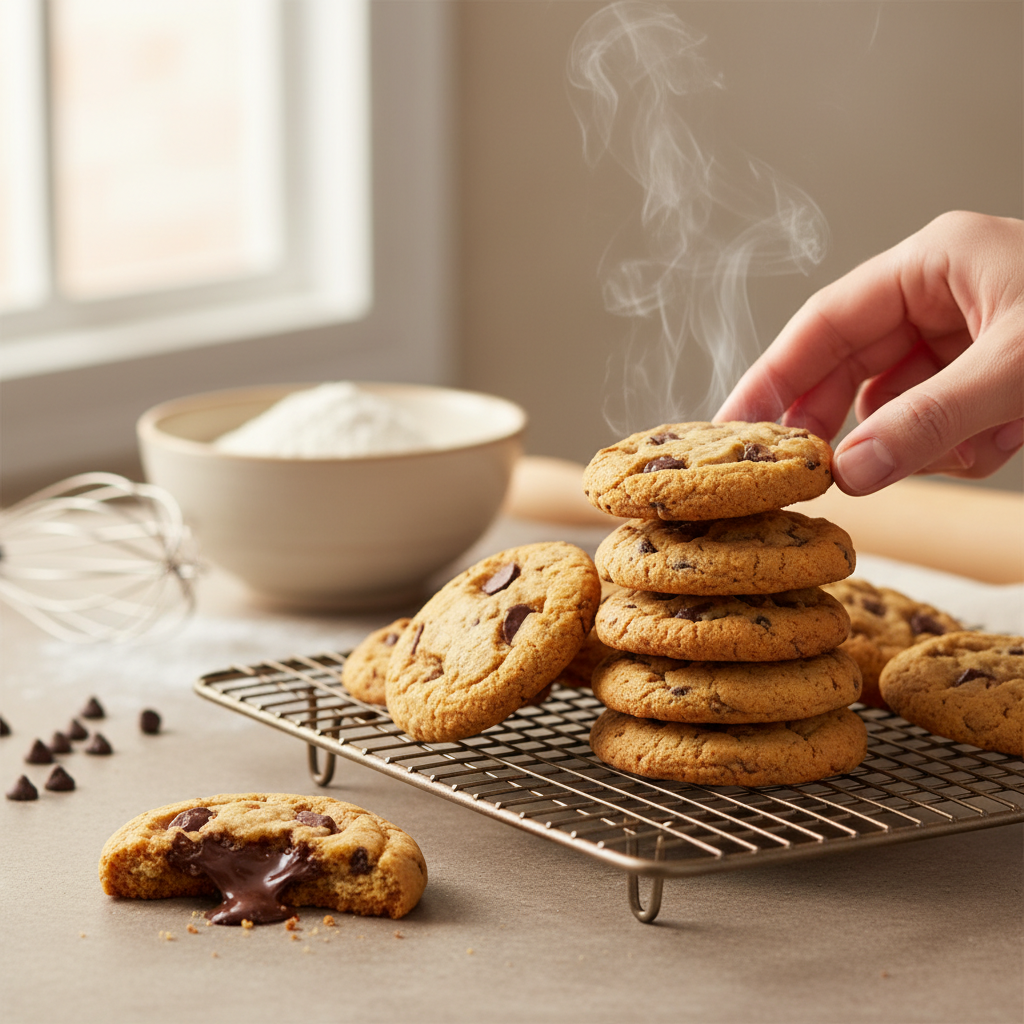
The Secrets to Baking Soft and Chewy Cookies: A Step-by-Step Guide for Home Bakers
Baking soft and chewy cookies is a culinary skill that many home bakers aspire to master. The perfect cookie has a delicate balance of crisp edges, a soft and gooey center, and all the heavenly aromas that fill your kitchen, creating a welcoming and cozy atmosphere. Yet, achieving that ideal cookie isn’t always straightforward. With a myriad of recipes available, understanding the science behind your ingredients and techniques can make all the difference. In this guide, we will take you through each step of the baking process, revealing the secrets to crafting the ultimate soft and chewy cookies.
Before diving into ingredients and methods, let’s take a moment to appreciate the art of cookie baking. Cookies are not just a treat; they often evoke nostalgia and memories of family gatherings, holiday celebrations, and the simple joy of sharing with loved ones. Whether you’re baking for a special occasion or simply indulging your sweet tooth, knowing how to create a soft and chewy texture is essential for any aspiring baker. The combination of the right ingredients, precise measurements, and understood techniques will elevate your baking and impress friends and family alike.
As you embark on this baking journey, remember that each step is crucial. From selecting quality ingredients to monitoring baking times, a meticulous approach will yield the best results. We’ll walk you through everything—from choosing the right flour to the perfect oven temperature—ensuring that each cookie you bake comes out as a masterpiece of texture and flavor. So, preheat your oven and grab your mixing bowl, as we delve deep into the secrets of baking cookies that are soft, chewy, and utterly irresistible.
The Foundation: Essential Ingredients for Chewy Cookies
Before you can master the art of baking cookies, you must first understand the essential ingredients that will form the base of your treats. Each ingredient plays a vital role in the overall texture and flavor of the cookie. Here we will explore the key players and how they contribute to that soft and chewy texture.
Flour: The Foundation of Structure
Flour is the backbone of any cookie recipe. It provides the structure necessary to give cookies their shape. However, not all flours are created equal. The type of flour you choose can significantly influence the texture of your cookies.
For a typical batch of soft and chewy cookies, a balance of 1¾ cups of all-purpose flour and ¼ cup of bread flour often yields the perfect results.
Sugars: The Sweet Chemistry
The type of sugar you use not only impacts the sweetness level but also affects the cookie's texture and color. Here’s how sugar can transform your cookies:
Fats: Butter and Beyond
Fat is another essential element for achieving that beloved chewiness. The type of fat you choose can greatly influence the flavor and texture of your cookies.
Eggs: The Binder
Eggs are crucial in cookie recipes, serving as binders that hold all the ingredients together. They add moisture and richness, and they can also influence the texture:
Baking Soda and Baking Powder: The Leavening Agents
Both baking soda and baking powder are pivotal in cookie baking, acting as leavening agents that provide lift and texture. Here’s a simple guide on how to use them:
The Technique: Mixing for the Perfect Texture
Achieving the right cookie texture isn't just about the ingredients you select; it’s also about how you mix those ingredients together. The mixing technique significantly influences the final product. Here's a closer look at how to mix for that perfect soft and chewy cookie.
Creaming Butter and Sugars
The creaming method is foundational in cookie preparation. During this process, you incorporate air into the butter and sugars which ultimately helps create a light texture in your cookies. Follow these steps for optimal results:
Tip: Under-mixing after adding the eggs keeps the cookies from becoming too cake-like.
Dry Ingredients: Folding in with Care
Once the wet ingredients are perfectly blended, it’s time to incorporate the dry ingredients:
The Importance of Chilling the Dough
One technique that many bakers overlook is chilling the dough. This simple step can lead to significant improvements in both texture and flavor:
The Art of Baking: Oven Temperature and Timing
While the ingredients and mixing techniques are vital, the baking process is equally critical in creating the perfect cookie. Understanding your oven can save you from soggy bottoms or burnt edges.
Prepping the Oven
Most cookies bake best at a temperature of 350°F (175°C), which allows them to rise nicely while still providing that wonderful chewy texture. Here’s how to prepare for baking:
Baking Sheet Preparation
The type of baking sheet you choose can influence the cookies' texture:
Baking Times: Monitoring Progress
Timing is everything in baking. Generally, cookies bake for about 10 to 12 minutes but be sure to set an timer for:
"Baking is a science, and precision is key to achieving that perfect cookie result."
The Flavor Factor: Mix-Ins and Enhancements
While classic recipes for soft and chewy cookies are delightful in their simplicity, adding mix-ins can elevate your baking to scrumptious new heights. Chocolate chips, nuts, and various flavorings can take your cookies to the next level.
Chocolate Chips and Beyond
One of the most beloved additions is, of course, chocolate chips. To ensure your cookies don’t become overly sweet, consider the following mix-in methods:
Flavor Enhancements and Spices
Infusing flavor into your cookie dough can enhance your baking experience:
Glaze and Frosting Options
If you want to add an extra dimension to your cookies, a drizzle of glaze or light frosting can provide a beautiful finishing touch. Here are some simple ideas:
Perfecting the Batch: Troubleshooting Common Issues
Baking can sometimes lead to unexpected outcomes. If you encounter issues like cookies spreading too much, ending up hard, or flavors that seem off, fret not! Understanding common problems and their solutions can help you refine your technique.
Problem #1: Cookies Spread Too Much
If your cookies are spreading excessively in the oven, it could be due to several factors:
Problem #2: Cookies Are Too Hard
Hard cookies can be a disappointment when you’re aiming for chewyness. Here’s why it might have occurred:
Problem #3: Flavor Lacks Depth
If your cookies taste bland or unremarkable, these tips can help:
Conclusion
Baking soft and chewy cookies is a delightful adventure that allows for creativity and experimentation. Armed with the knowledge of essential ingredients, mixing techniques, baking methods, flavor enhancements, and troubleshooting tips, you are set to embark on a successful baking journey. Remember, practice is key; the more you bake, the more you’ll refine your skills and develop your signature cookie.
So as you preheat your oven and gather your ingredients, keep in mind that the joy of baking lies in both the process and the result. Enjoy each step, savor the aromas that fill your kitchen, and treasure the moments spent sharing your creations with loved ones. With these secrets at your fingertips, it’s time to roll up your sleeves and blame the chef—because every cookie you bake will reflect your newfound skills and passion for baking!
Happy baking!

Get the Next Recipe
Weekly recipes, techniques, and gear picks — straight to your inbox.
