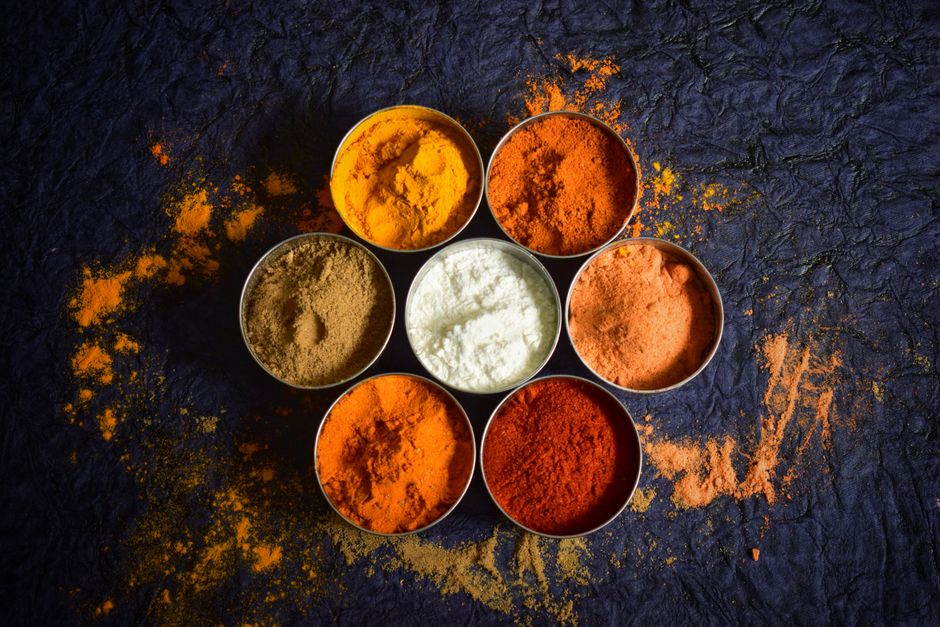
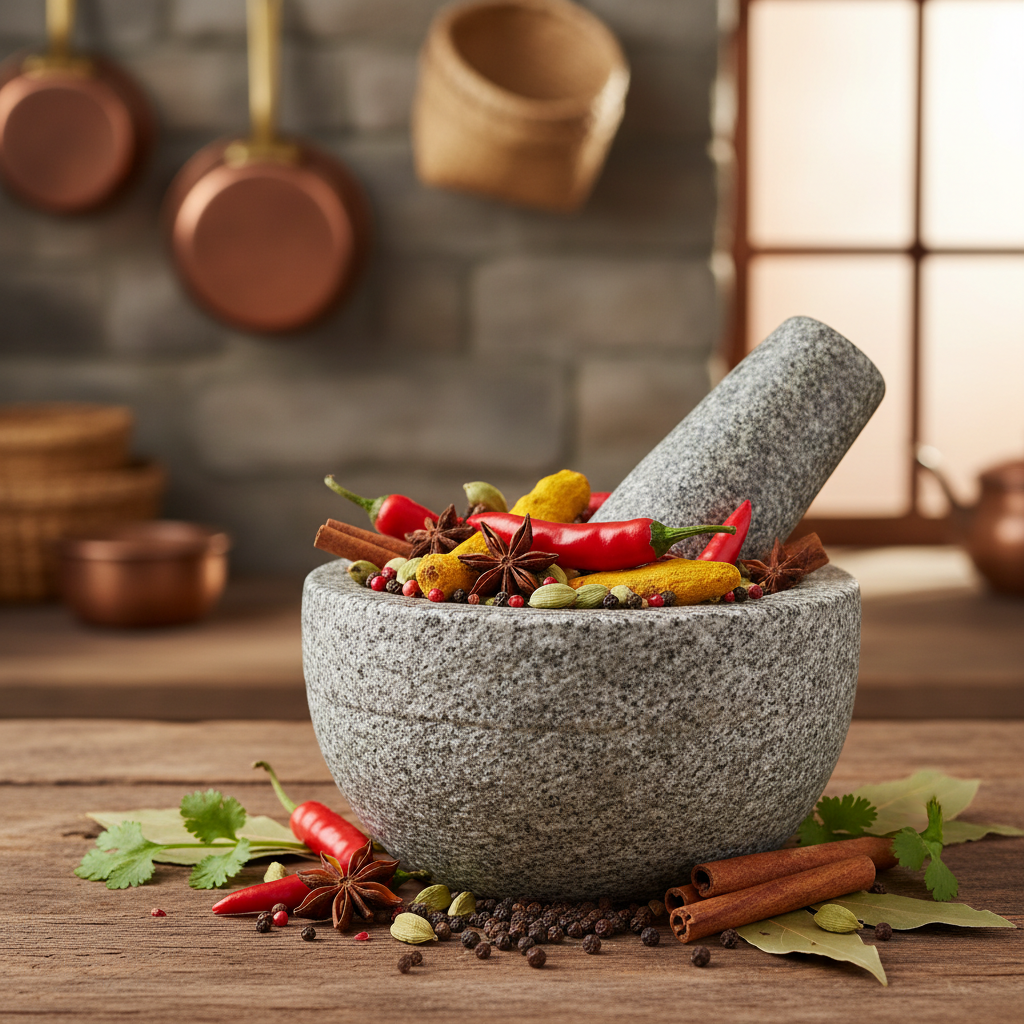
Indian cuisine is a rich tapestry of flavors, aromas, and colors that captivates the senses and speaks to the heart of its culture. At the core of this mesmerizing culinary landscape is a profound understanding of spices—small seeds, fruits, and barks that hold the power to transform a simple dish into an extraordinary feast. The magnificent breadth of Indian cuisine derives its complexity from regional diversity, cultural influences, and a long history of trade that brought together indigenous and foreign spices. For those who wish to explore this exciting world, mastering spices and their blends is essential.
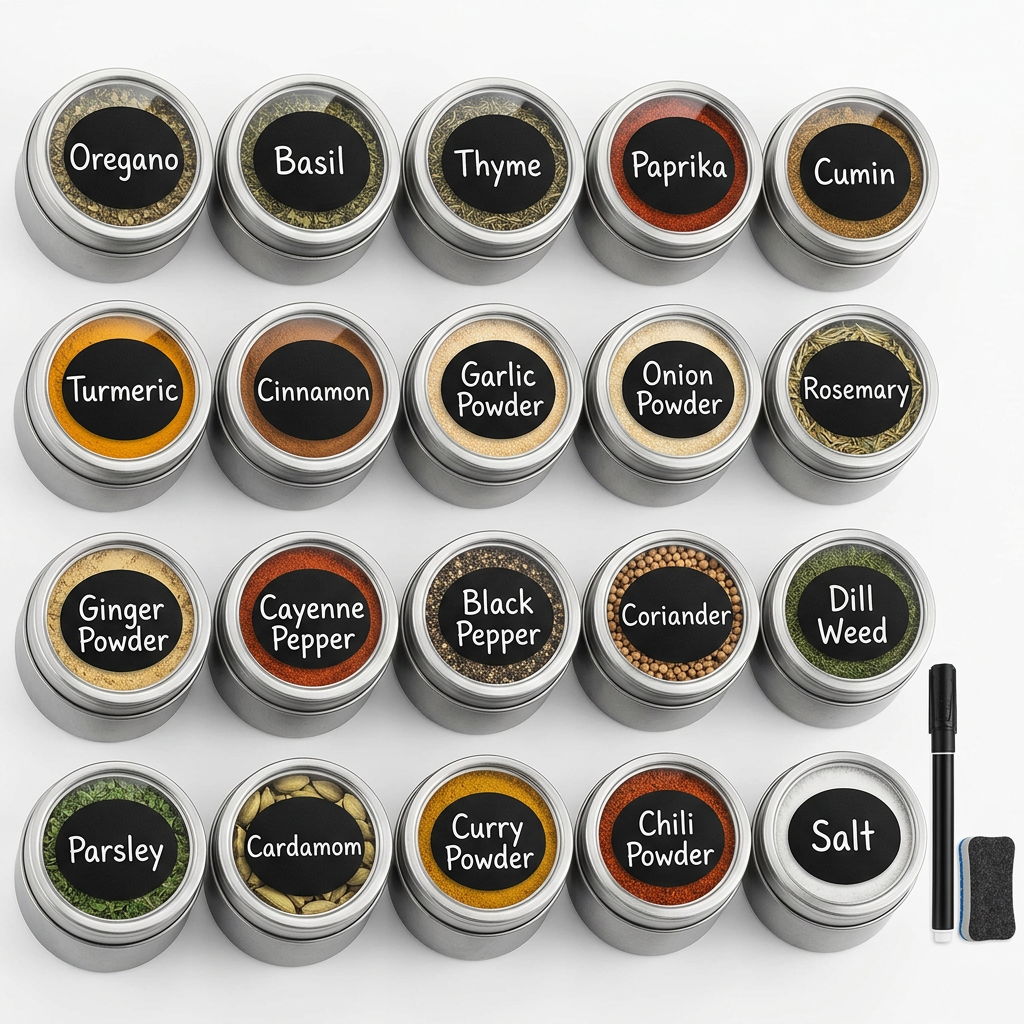
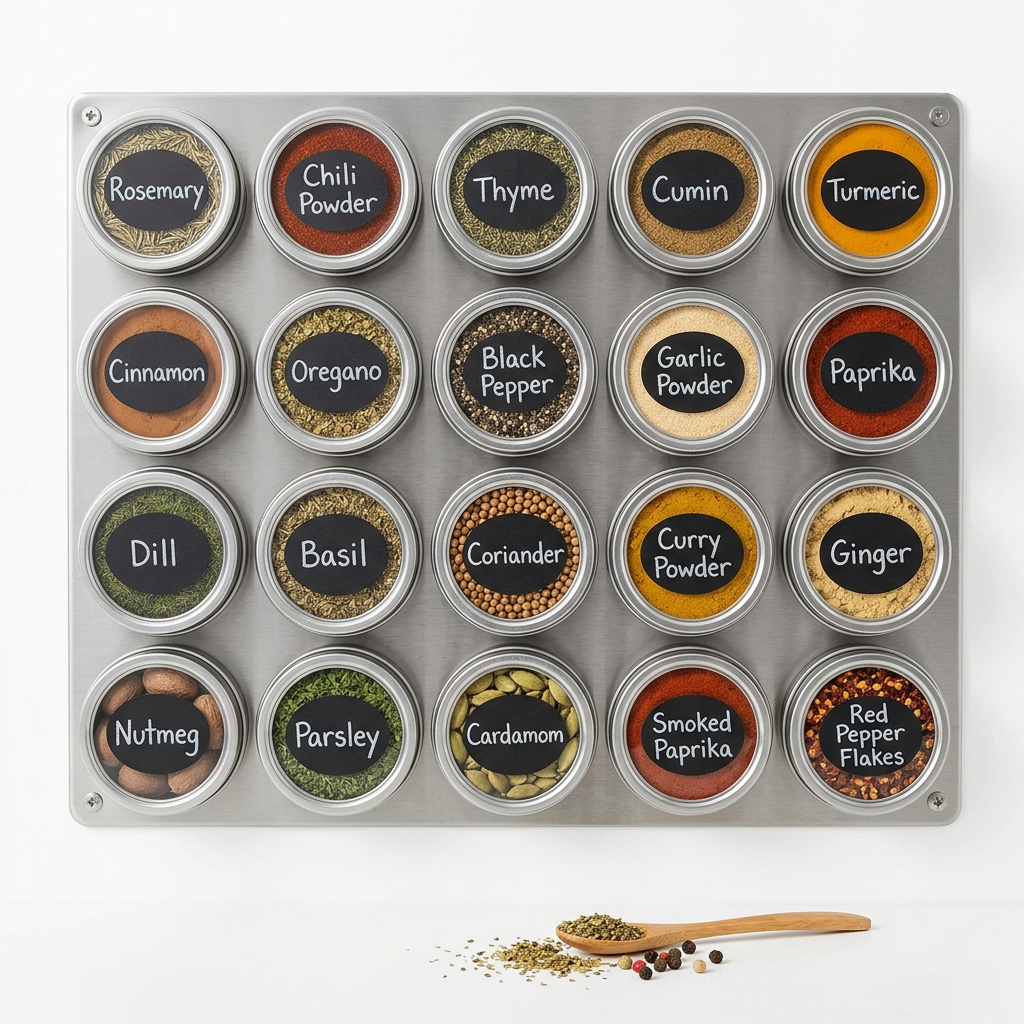
Each spice carries its own story, history, and personality. From the fiery heat of chili peppers to the sweet earthiness of coriander, the use of spices in Indian cooking is not arbitrary; it’s a carefully honed craft passed down through generations. Many Indian cooks, grandmothers and mothers alike, begin their culinary journey with a spicebox—an essential kitchen tool filled with an assortment of spices. These intimate ingredients not only flavor the dish but also deliver health benefits that enhance well-being. Whether you are preparing a simple dal (lentil dish) or an elaborate biryani, understanding the spices you use will elevate your cooking and imbue it with authenticity.
As home cooks venture into this fragrant territory, the primary challenge lies not in the spices themselves but in knowing how to balance and enhance their flavors. The secret often lies in the technique; how the spices are toasted, when they are added in the cooking process, and how they interplay with other ingredients determines the ultimate outcome of a dish. This exploration into the world of Indian spices and their blends will not only expand your pantry but also deepen your appreciation for one of the most aromatic cuisines in the world.
The Foundation: Understanding Individual Spices
When we talk about Indian spices, we don’t just mean heat; we refer to a complex system of flavor profiles. To begin mastering Indian cuisine, it's important to familiarize yourself with the individual spices that form the backbone of many dishes.
Common Indian Spices
1.Cumin: Known for its warm, earthy flavor, cumin can be used in both seed and ground forms. Whole seeds are often toasted to release their essential oils, while ground cumin is used in spice blends and as part of the cooking process.
2.Coriander: This spice has a mild, slightly sweet flavor and is often used as the ground seed in savory dishes or as a fresh herb. Coriander seeds can also be toasted and ground, adding depth to your recipes.
3.Turmeric: Renowned for its vibrant yellow color, turmeric is often used for its antibacterial properties and as a color enhancer. It has a warm, bitter taste and is pivotal in strikes like curries and rice dishes.
4.Cardamom: Coming in green and black varieties, cardamom is aromatic with a spicy-sweet flavor. Green cardamom is commonly used in both savory dishes and desserts, while the black variety imparts a stronger, smokier flavor.
5.Cloves: These are potent, aromatic flower buds that pack a punch. Cloves are added whole to slow-cooked dishes, imparting depth and warmth, or can be used in spice blends.
6.Mustard Seeds: These tiny seeds can be yellow, brown, or black. Mustard seeds pop when heated in oil, adding a crunch and a distinct flavor to dishes. They are foundational in many Indian pickles and curries.
The Role of Aromatic Herbs
In addition to seeds and spices, aromatic herbs play a significant role in creating the flavors and aromas of Indian cooking. Common herbs include:
●Cilantro (Coriander leaves): Used as a garnish and in sauces, cilantro adds freshness to rich dishes.
●Mint: Bright and cooling, mint is frequently used in marinades, chutneys, and raitas.
●Fenugreek: Usually found in its dried leaf form (kasuri methi), fenugreek adds bitterness that balances out richer flavors. The seeds can also be ground and used in spice blends.
Understanding each of these spices and herbs individually will empower you to start experimenting and crafting your blends.
Spice Blends: The Essence of Indian Flavors
Once you’re comfortable with individual spices, the next step is to mix them to create spice blends, which are foundational in Indian cooking. These blends each evoke different regions, traditions, and culinary techniques.
Popular Indian Spice Blends
1.Garam Masala: This "warm spice" blend varies regionally but typically includes cardamom, cloves, cinnamon, cumin, and black peppercorns. Its warmth enhances meat dishes and lentils.
Garam Masala Recipe:
- 2 tablespoons cumin seeds
- 1 tablespoon coriander seeds
- 1 tablespoon black peppercorns
- 1 teaspoon cloves
- 1-2 green cardamom pods
- 1 small cinnamon stick
Preparation:
1. Toast the whole spices in a dry skillet over medium heat for 2-3 minutes until fragrant.
2. Allow to cool, then grind to a fine powder with a spice grinder.
3. Store in an airtight container away from light.
2.Chaat Masala: A tangy, spicy blend often used as a seasoning for snacks, chaat masala typically includes black salt, dried mango powder, and spices. It’s excellent for sprinkling over potato snacks or salads.
3.Panch Phoron: A Bengali five-spice blend made with equal parts of fenugreek, nigella seeds, black mustard seeds, cumin seeds, and fennel seeds. It is commonly used in vegetable dishes and pickles.
4.Sambar Powder: A South Indian staple, sambar powder is a mix of lentils and spices, typically including coriander, cumin, mustard seeds, and dried red chilies. It forms the base of lentil soups and curries.
5.Tikka Masala Spice Mix: This is the blend you need for marinating meats for kebabs or curries. It often includes paprika, cumin, coriander, turmeric, and garam masala, providing a warm, sweet, and slightly spicy profile.
Crafting Your Customized Spice Blend
By understanding the components and flavor profiles, you have the freedom to create your personalized spice blend. Here’s a step-by-step guide to help you craft your unique mixture:
1.Choose Your Base: Select two to three primary spices that you want to dominate your blend (e.g., cumin, coriander, and turmeric).
2.Add Complexity: Choose one or two complementary spices that will balance or enhance the primary flavors (e.g., cardamom or cinnamon).
3.Include an Aromatic: Consider adding a fragrant item such as dried herbs or citrus zest for an extra layer of flavor.
4.Test and Tweak: Grind the selected spices together, taste, and adjust as necessary. Remember, a little goes a long way; start small!
5.Store Properly: Keep your spice blend in an airtight jar in a cool, dark place to maintain its freshness.
"Spices are life’s way of adding magic to everyday meals — learn to use them well, and you'll enchant every dish."
Techniques for Toasting and Grinding Spices
An essential part of mastering Indian cuisine is the process of toasting and grinding spices, which can often elevate the flavors in a dish dramatically.
Why Toast?
Toasting spices releases essential oils that enhance their flavor. The heat intensifies the spice’s aroma, making it more potent and fragrant.
How to Toast Spices
1.Choose Your Spices: Typically, whole spices in their seed form are toasted; ground spices should not be toasted as they can burn quickly.
2.Use a Dry Pan: Place a small skillet on medium heat. Make sure it is clean and dry; there should be no oil or moisture residue.
3.Add Spices: Add your whole spices, ensuring they are in an even layer. Stir frequently to avoid burning.
4.Toast Until Fragrant: This usually takes about 2-5 minutes. You’ll know they’re ready when they release a rich aroma.
5.Cool and Grind: Allow the spices to cool before grinding them in a spice grinder or a mortar and pestle to avoid releasing too many oils.
"The difference between a good dish and a great dish often lies in the subtle level of toasting spices."
Grinding Techniques
While you can purchase pre-ground spices, fresh-ground spices express a superior flavor.
1.Using a Spice Grinder: This is the easiest method for most. Add your toasted spices and grind until you reach your desired fineness.
2.Mortar and Pestle: For those who enjoy a bit of tradition, a mortar and pestle can yield a coarser texture and can bring an ancient rhythm and satisfaction to your cooking.
3.Coffee Grinder: If you are in need of something stronger, a coffee grinder can also work, but remember to give it a thorough clean to rid it of any leftover coffee taste.
4.Blender or Food Processor: For larger quantities, a strong blender can do the trick. Just ensure you’re not blending for too long to avoid overheating.
The method you choose will depend on your kitchen tools and the quantity of spice you need.
Cooking with Spices: Techniques in Application
With spices and blends in hand, the next step is learning how to use them in your cooking.
The Three Stages of Spice Usage
1.Tempering (Tadka): This is a method where whole spices are heated in oil. This technique is commonly used at the start of many dishes to infuse the oil.
- Heat a few tablespoons of oil in a pan over medium heat.
- Add 1-2 teaspoons of whole spices (cumin, mustard, or fenugreek) until they sizzle and crackle, usually about 30 seconds.
- This flavored oil can now be used to stir-fry onions, garlic, and ginger.
2.Incorporating into Dishes: When using ground spices, they’re often added at different stages of cooking, usually either early on with your aromatics or later for added depth. For example, garam masala is usually added toward the end of a dish, allowing its flavors to work without being cooked away.
3.Using in Marinades and Pastes: Spices and blends can create marinades that penetrate proteins like meats and vegetables. Combine spices with yogurt, oil, and acid (like lemon juice) for a flavorful marinade.
Building Layers of Flavor
Understanding local cooking traditions can significantly affect how spices are used.
●Layering flavors throughout the cooking process leads to a more profound taste experience. For soups or stews, adding spices at different stages can yield a nuanced profile.
●Fat plays a key role—cooking spices in oil extracts flavors better than in water due to oil's capacity to dissolve certain flavor compounds.
Health Benefits of Spices
While mastering spice blends adds complexity to your cooking, it’s vital to remember that many spices offer health benefits.
Nutritional Aspects
Some key health benefits include:
●Turmeric: Contains curcumin, known for its anti-inflammatory properties and potential benefits for brain health.
●Cumin: Aids in digestion and is a source of iron.
●Ginger: Known for its ability to settle upset stomachs and reduce nausea.
●Cayenne pepper: Contains capsaicin, which can help boost metabolism.
Using Spices for Wellness
1.Incorporate spices daily: With every meal, add at least a pinch of spices known for their health benefits.
2.Experiment with herbal teas: Many spices can be steeped in hot water to create warming teas that are both soothing and packed with benefits.
3.Explore new combinations: Don't hesitate to mix spices with grains, legumes, or vegetables to fortify their nutrient profiles.
Chef Tip: Always consider the source of your spices. Whole, fresh spices will offer superior flavor and more health benefits compared to pre-ground or stale alternatives.
Cooking Indian Dishes: A Recipe Walkthrough
Now, let's put the knowledge of spices into action with a few signature dishes that truly showcase their warmth and depth.
Classic Chana Masala
A flavorful chickpea curry that highlights how spices can come together beautifully.
Ingredients:
●2 cups chickpeas (cooked or canned)
●1 medium onion, finely chopped
●2 green chilies, slit
●1 tablespoon grated ginger
●3 cloves of garlic, minced
●1 large tomato, chopped
●2 teaspoons cumin seeds
●2 teaspoons coriander powder
●1 teaspoon garam masala
●Salt to taste
●2 tablespoons oil
●Fresh cilantro for garnishing
Instructions:
1.Prepare the chickpeas: If using dried chickpeas, soak them overnight and cook until tender. If using canned, rinse them well.
2.Sauté aromatics: In a large pan, heat the oil over medium heat. Add cumin seeds and toast for 30 seconds until fragrant. Then, add the onion, green chilies, ginger, and garlic. Sauté until the onions become golden brown.
3.Add tomatoes and spices: Stir in the chopped tomato, coriander powder, and salt. Cook this mixture until the tomatoes soften and the oil separates, about 5-7 minutes.
4.Combine chickpeas: Add the cooked chickpeas and 1 cup of water. Mix and let it simmer for about 10 minutes, allowing the flavors to meld.
5.Add garam masala: Stir in the garam masala toward the end of cooking for a fresh dimension.
6.Garnish and serve: Finish with chopped cilantro and serve with rice or flatbread.
Tandoori Chicken
This iconic dish utilizes a blend of spices while taking advantage of the warmth from a tandoor or an oven.
Ingredients:
●4 chicken thighs or drumsticks
●1 cup yogurt
●2 tablespoons lemon juice
●2 teaspoons cumin
●2 teaspoons coriander
●1 teaspoon cayenne pepper
●1 teaspoon turmeric
●1 teaspoon garam masala
●Salt to taste
●Fresh lemon wedges for serving
Instructions:
1.Marinate the chicken: In a bowl, combine yogurt, lemon juice, and all spices. Coat the chicken well with this marinade and let it sit in the fridge for at least 4 hours or overnight.
2.Prepare the oven: Preheat your oven to 400°F (200°C). If using a broiler, turn it on.
3.Cook the chicken: Place chicken on a baking tray lined with parchment paper. Bake for 25-30 minutes, turning halfway through until the chicken reaches an internal temperature of 165°F (74°C) and is charred in places.
4.Serve hot: Serve with fresh lemon wedges, sliced onion, and mint chutney for added zing.
Conclusion
Mastering Indian spices and techniques offers an incredible opportunity to expand your culinary skills and indulge your taste buds. The complexity and depth that spices bring to cooking create not only delightful meals but also a rich exploration of cultural heritage. From understanding individual spices to crafting your blends, toasting and grinding, and applying your knowledge in well-loved recipes, each step is an important piece of the culinary puzzle.
As you continue on this journey, don’t shy away from experimenting and adjusting according to your palate. Cooking is an art, and your unique perspective and taste will shape your signature dishes. Equip your kitchen with quality spices, nourish your curiosity, and allow the enchanting world of Indian cuisine to inspire you. Dive into this flavorful adventure, and remember, in the kitchen, it’s always about having fun and conquering new flavors. The journey of mastering spices is endless—so keep exploring, tasting, and learning; there’s always something new to discover with every pinch.
Word count: 2,045