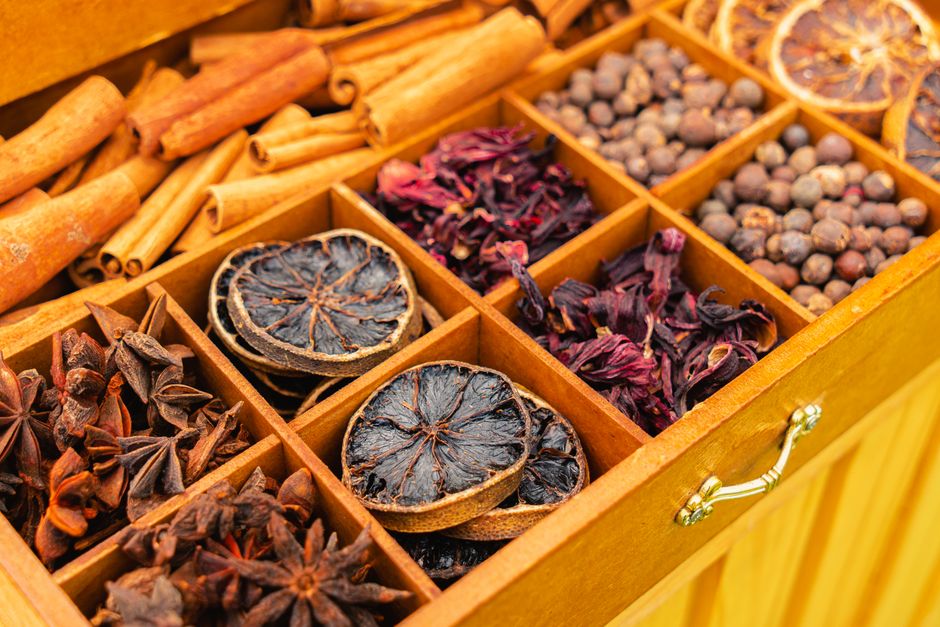
The Spice Rack Essentials: Building Your Foundation for Global Flavors
Every home cook yearns to elevate their culinary creations to tantalizing heights, yet often the secret to such gastronomic joy lies within a humble component: spices. The ability to conjure up memorable meals is frequently linked to the presence of a well-curated spice rack. A thoughtfully stocked spice collection not only unlocks a world of flavors but also empowers you to replicate dishes from various global cuisines with confidence and flair. Whether you're an aspiring chef eager to explore the foundations of cooking or a seasoned kitchen veteran looking to branch out into new territories, understanding spices and their proper applications is crucial to creating exceptional dishes.
As you embark on this flavorful journey, it’s essential to recognize that spices are more than just add-ons; they can transform an ordinary dish into something extraordinary. Every culture utilizes spices to tell its story, evoke memories, and craft experiences. From the warmth of cinnamon reminding us of sweet holiday treats to the bright, peppery notes of coriander that can transport us straight to the streets of Marrakech, spices have the extraordinary ability to shape our culinary experiences. As you build your spice rack, remember that the aim is not just to stock up but to select those spices that inspire you and resonate with your cooking style.
In this blog post, we’ll dig into the essential spices that every home cook should consider when stocking their kitchen. We’ll discuss the role that spices play in enhancing flavors, the diverse range of spices from around the world, and offer tips on how to use them effectively. So whether you’re crafting a curry, stirring a bowl of pasta, or roasting vegetables for a hearty side dish, these essentials will serve as your foundation for crafting bold, global flavors.
Understanding the Role of Spices in Cooking
Spices are more than simply flavor enhancers; they are essential elements that add depth, complexity, and a sense of authenticity to dishes. When used mindfully, they can elevate a meal from mundane to magnificent. Understanding the role spices play is the first step in building a spice rack that speaks to your culinary aspirations.
The Science Behind Spices
Spices are derived from various parts of plants—roots, bark, seeds, fruits, and leaves—culminating in a vast array of flavors and aromas. The biochemical compounds within spices not only contribute to their distinct tastes but also elicit sensory reactions, such as stimulating appetite or evoking nostalgia. For example:
Moreover, spices are incredibly versatile and can be used at different stages of cooking. For example, adding spices at the beginning enhances the dish’s overall flavor profile, while others, such as fresh herbs or zest, can be sprinkled just before serving for a burst of freshness.
Balancing Flavors
Incorporating spices into your dishes is often about balancing flavors—sweet, savory, bitter, sour, and umami. Each spice has its own unique character, which, when paired correctly, can create a harmonious blend. Here are some essential notes on balancing flavors:
Cultivating an understanding of these flavor profiles can vastly improve your culinary capabilities and help you innovate dishes that are not only delicious but also well-rounded.
Essential Spices for Your Spice Rack
When it comes to stocking your spice rack, starting with the basics is crucial. While there are thousands of spices available worldwide, a core set will allow you to cook many different types of dishes from various cuisines. Below, find a list of essential spices that will serve as your foundation.
1. Black Pepper
Black pepper is often referred to as the king of spices, and for a good reason. It is a ubiquitous ingredient in kitchens worldwide, lending a punch to everything from simple scrambled eggs to sophisticated sauces.
- Use freshly ground black pepper for the best flavor.
- Pair it with salt to enhance its effects in savory dishes.
Chef’s Tip: Toast whole peppercorns in a dry skillet for 1-2 minutes before grinding them, which will release their fragrant oils and amplify their flavor.
2. Cumin
Cumin offers a warm, nutty, and slightly peppery flavor that is characteristic of many Middle Eastern, Indian, and Mexican dishes. It's an essential spice for curries, chili, and bean dishes.
- Cumin is best when toasted lightly before use; this will bring out its natural oils and enhance the flavor.
- Use it to season soups, stews, or add to spices blends like garam masala.
Chef’s Tip: Combine cumin with coriander for a beautiful flavor base in many ethnic dishes.
3. Paprika
Paprika, made from ground peppers, provides not only a deep red color to dishes but also essential smoky and sweet notes.
- Incorporate sweet paprika in stews and sauces for color and flavor.
- Use smoked paprika in dishes where you want that barbecue vibe.
“A pinch of paprika not only adds color but can elevate a dish — don’t underestimate its power.”
4. Turmeric
With its vivid yellow hue, turmeric is known for both its health benefits and its role in giving numerous dishes a warm, bitter flavor.
- Pair turmeric with black pepper to enhance its absorption in the body.
- Essential in curries and rice dishes like biryani.
Chef’s Tip: Combine turmeric with coconut milk for a delightful curry sauce that complements many vegetables and proteins.
5. Cinnamon
Cinnamon is not just for sweet dishes; its warm, sweet, and slightly spicy notes can complement savory meals too. It plays a vital role in Middle Eastern cuisines and can enhance the flavors of beans and meats.
- Use in both sweet and savory dishes; cinnamon can add warmth to stews and sauces.
- Pair with nutmeg or cloves for sweet baking recipes.
6. Coriander
Coriander seeds have a citrus-like flavor that can change the whole character of a dish. It’s an ingredient used in various cuisines from Latin America to India.
- Use ground coriander in spice blends or toasted whole for added depth in various dishes.
- Perfect in curries, salsas, and Moroccan tagines.
7. Oregano
Often associated with Italian cuisine, oregano is a perennial herb that can also find its way into Mexican and Mediterranean cooking.
- Use dried oregano to season pizza and pasta sauces.
- Infuse in oil or vinegar for dressings.
“Fresh herbs are powerful, but don’t overlook the charm of dried. In certain applications, they excel.”
Optional Spices to Elevate Your Cooking
Once you have a solid foundation with the essential spices, consider expanding your repertoire with some optional spices that can enhance your dishes even further. The following spices offer unique flavors that can put an exciting twist on traditional recipes.
1. Cardamom
Cardamom is a fragrant spice that can elevate desserts and savory dishes alike. It’s especially prominent in Indian cuisine, where it's featured in chai and various rice dishes.
- Use ground cardamom in baked goods or whole pods in stews and rice dishes.
2. Fennel Seed
Fennel seeds have an appealing anise flavor and are commonly used in Italian sausage and various spice blends.
- Crush roasted fennel seeds and add to roasted vegetables or fish for a sweet touch.
3. Allspice
With a flavor reminiscent of cinnamon, nutmeg, and cloves, allspice is versatile and can add a warm depth to various dishes.
- Excellent in both sweet and savory dishes, especially in Caribbean cooking.
4. Cloves
Cloves bring a warm, sweet, and slightly bitter flavor profile to dishes. Commonly used in spice blends and festive recipes, cloves add holiday warmth to various preparations.
- Use sparingly in stews or breads as too many can overpower a dish.
How to Store Your Spices
The way you store spices can significantly impact their flavor and shelf life. Proper storage will ensure that your spice rack remains an effective tool in your culinary arsenal.
Best Storage Practices
The Lifespan of Spices
Understanding how long spices remain potent is crucial for maintaining the effectiveness of your spice rack. Here’s a rough guideline:
Infusing Your Spices into Cooking
Now that you have a well-stocked spice rack and understand how to store your spices, let’s discuss how to effectively infuse them into your cooking. Proper use of spices can dramatically transform your dishes, enhancing flavor in a balanced way.
Techniques for Infusing Spices
Chef’s Tip: Always taste as you go! This will help you adjust seasoning and ensure your spices complement each other rather than overpower your dish.
Combining Spices for Unique Flavor Profiles
Combining spices isn’t just about throwing them together; it’s about knowing how they interact. Here are a few classic combinations to consider:
Cooking Techniques That Highlight Spices
Integrating spices into your cooking involves not just using them as seasonings but employing specific techniques to highlight their flavors fully. Below are some indispensable methods to bring your spices to life.
Roasting
Roasting vegetables with spices can intensify their natural sweetness and create a delicious caramelization.
1. Preheat the oven to 425°F (220°C).
2. Toss chopped vegetables in olive oil and your choice of spices.
3. Spread them in a single layer on a baking sheet and roast until tender, about 20-30 minutes, flipping halfway.
Chef’s Tip: Add fresh herbs like rosemary or thyme in the last few minutes of roasting for an aromatic touch.
Sautéing
Sautéing spices in a bit of oil before adding your main ingredients wakes up the spices and releases their essential oils.
1. Heat a tablespoon of oil in a pan over medium heat.
2. Add whole spices like cumin or mustard seeds first until they begin to pop.
3. Follow with aromatics (onions, garlic, etc.) and sauté until fragrant before adding the main components.
Chef’s Tip: Use low heat to avoid burning the spices.
Stewing
Stewing is perfect for deepening the flavors of spices, especially in one-pot meals.
1. Begin by sautéing your base ingredients and spices together until fragrant.
2. Add liquids (broth, tomatoes) and main proteins (meat, legumes) to the pot.
3. Cover and simmer on low heat for at least 30 minutes to several hours depending on the recipe for the flavors to meld.
Conclusion
Building a comprehensive spice rack can profoundly influence your culinary adventures. Spices are not merely additions; they are vital elements that breathe life into your dishes. With the essential spices and techniques covered in this post, you now have a solid framework to elevate your cooking. Remember to explore new spices, combinations, and cooking methods as you advance in your culinary journey. Take your time, savor the process, and don’t hesitate to experiment with flavors that excite your palate. Once you cultivate your sense of adventure in the kitchen, you’ll find that the world of spices will continually inspire you to create bold, diverse, and vibrant dishes. Enjoy each flavorful journey you embark on!
Get the Next Recipe
Weekly recipes, techniques, and gear picks — straight to your inbox.
