
The Spice Routes: How Global Flavors Shaped Culinary History
The history of humanity is not merely written in stone tablets or recorded in the annals of kings and queens; it is written in the aromatic compounds of our dinner plates. For millennia, the desire for flavor has acted as a primary catalyst for exploration, conquest, and global trade. When we sprinkle black pepper onto a dish today, we are participating in a multi-generational legacy that once saw peppercorns valued at the same price as gold. To understand the modern kitchen, we must first understand the arduous, dangerous, and transformative journeys of the ingredients we often take for granted. This exploration is not just an academic exercise; it is the fundamental secret to mastering your own kitchen by understanding the "why" behind the taste.
As home cooks, we are the current custodians of a global culinary tapestry that has been woven over thousands of years. The shift from local, subsistence-based eating to a globalized palate changed the very chemistry of our food. When you sear a protein or balance a sauce with acidity, you are applying principles that were refined by cooks navigating the Silk Road and the maritime Spice Routes. By studying how different cultures integrated aromatics, spices, and preservation techniques, we can unlock a level of complexity in our home cooking that is usually reserved for professional brigade kitchens.
This journey into the past is about more than just dates and geography; it is about the evolution of the palate. We will examine how the collision of civilizations led to the birth of iconic dishes and how those same culinary foundations can elevate your weeknight dinners. From the damp warehouses of the Malabar Coast to the bustling markets of Venice, each region contributed a unique brushstroke to the masterpiece of global gastronomy. By embracing these historical techniques, you will find that "Blame The Chef" isn't just a mantra for when things go wrong, but a call to arms for every cook seeking perfection.
The Silk Road: Where East Met West
The Silk Road was never just a conduit for silk, jade, or precious metals; it was the world’s first superhighway for information and flavor. Stretching from the Han Dynasty in China to the Mediterranean shores, this network of trade routes allowed for the exchange of transformative ingredients. While civilizations traded grain and cattle, the real treasures were the small, potent goods that could withstand long-distance travel: cinnamon, ginger, and turmeric. These ingredients did more than just preserve food; they dictated the socio-economic status of every kingdom they touched.
The Alchemy of Preservation
In an era before refrigeration, the primary challenge for any cook was keeping food edible for extended periods. Salting, pickling, and the heavy use of spices were not just culinary choices—they were survival strategies. Cinnamon, for instance, has natural antimicrobial properties, which explains its prevalence in historical meat preparations. When you are roasting a protein today, consider how these ancient techniques inform your seasoning. Using a spice rub is an homage to a time when spices were added to ensure the longevity of the meal as much as its flavor profile.
Culinary Cross-Pollination
The fusion of Central Asian grilling techniques with Eastern spice profiles gave birth to the precursor of modern kebabs. By understanding the Maillard reaction—that beautiful browning of sugars and proteins—early cooks realized that high-heat searing, combined with a dry spice marinade, created a protective, flavorful crust. When working at home, always aim for that Maillard development. Heat your pan to at least 400°F (204°C) and ensure your protein is bone-dry before it touches the oil to maximize flavor extraction.
The history of the world can be traced through the migration of a single peppercorn. When we cook, we are walking the same paths as the merchants of old, navigating the delicate balance between fire, salt, and time.
The Maritime Spice Routes: Mapping the Palate
While the Silk Road connected civilizations by land, the Maritime Spice Routes connected them by sea, fundamentally altering the global culinary landscape. The quest for spices like nutmeg, cloves, and mace led to the Age of Discovery, as European powers sought a direct path to the "Spice Islands" of Indonesia. This period saw the introduction of the Columbian Exchange, which brought ingredients like tomatoes, chili peppers, and cacao to the Old World, forever changing the cuisines of Italy, India, and beyond.
The Chili Revolution
It is almost impossible to imagine Indian or Thai cuisine without the heat of the chili pepper. Before the 16th century, the "heat" in these regions came primarily from black pepper or long pepper. The introduction of the Capsicum genus from the Americas acted as a spark that ignited the culinary identity of half the planet. When you are building a curry, understand that the heat profile is built in layers. First, bloom your dried spices in fat to release their essential oils, then introduce the fresh chilis to provide that bright, immediate sting.
Mastering the Ratio
For the home cook, the lesson here is in balance. The spice-heavy routes taught us that heat (chili), acid (vinegar or citrus), and fat (ghee or oil) must coexist to create a balanced bite. If your dish feels flat, don't just add more salt. Ask yourself: does it need more acidity to cut through the fat, or does it need a base note of earthy spice to ground the flavor? A simple 3:1:1 ratio—three parts fat, one part acid, one part spice—can often fix a dish that is lacking direction.
* Bloom your spices in hot oil for 30-60 seconds before adding liquids.
* Always toast your whole spices in a dry pan until fragrant before grinding.
* Add fresh herbs at the very end of the cooking process to preserve volatile oils.
The Evolution of the Professional Kitchen
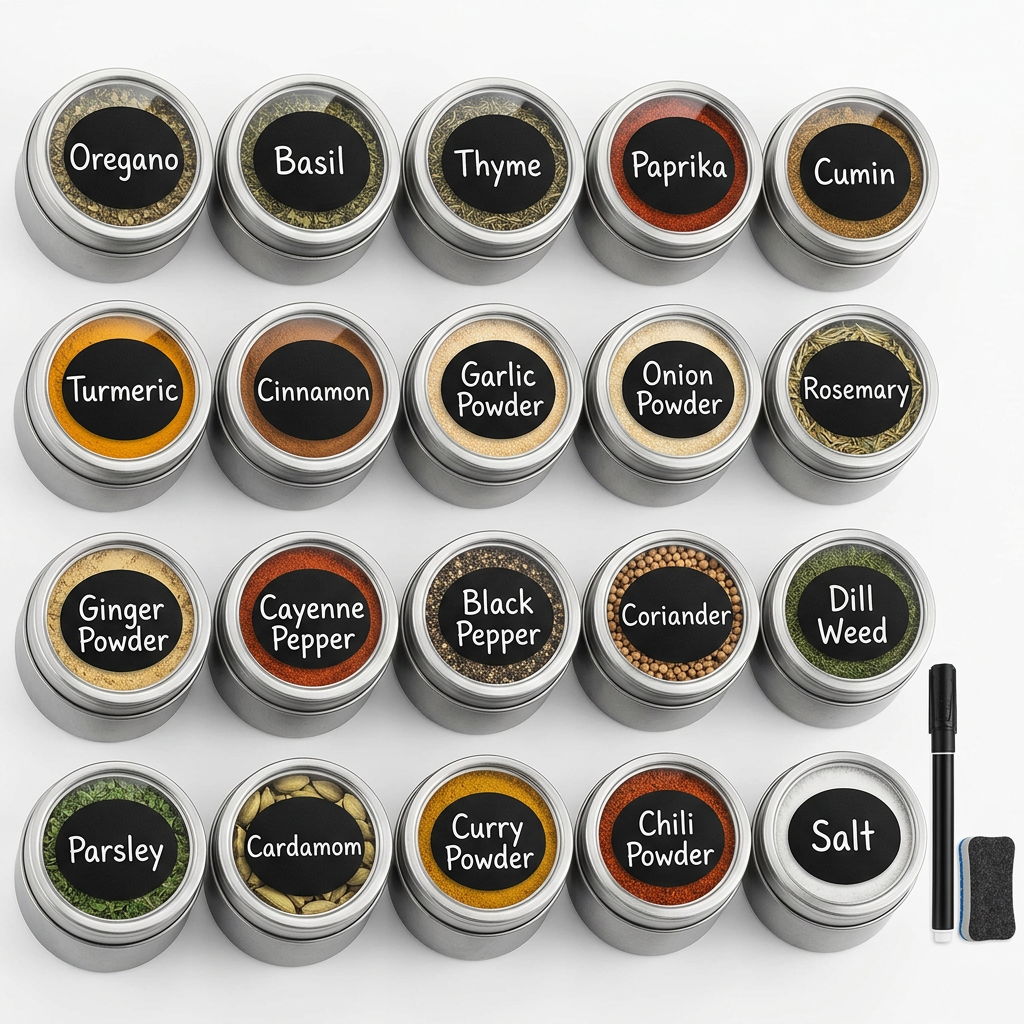
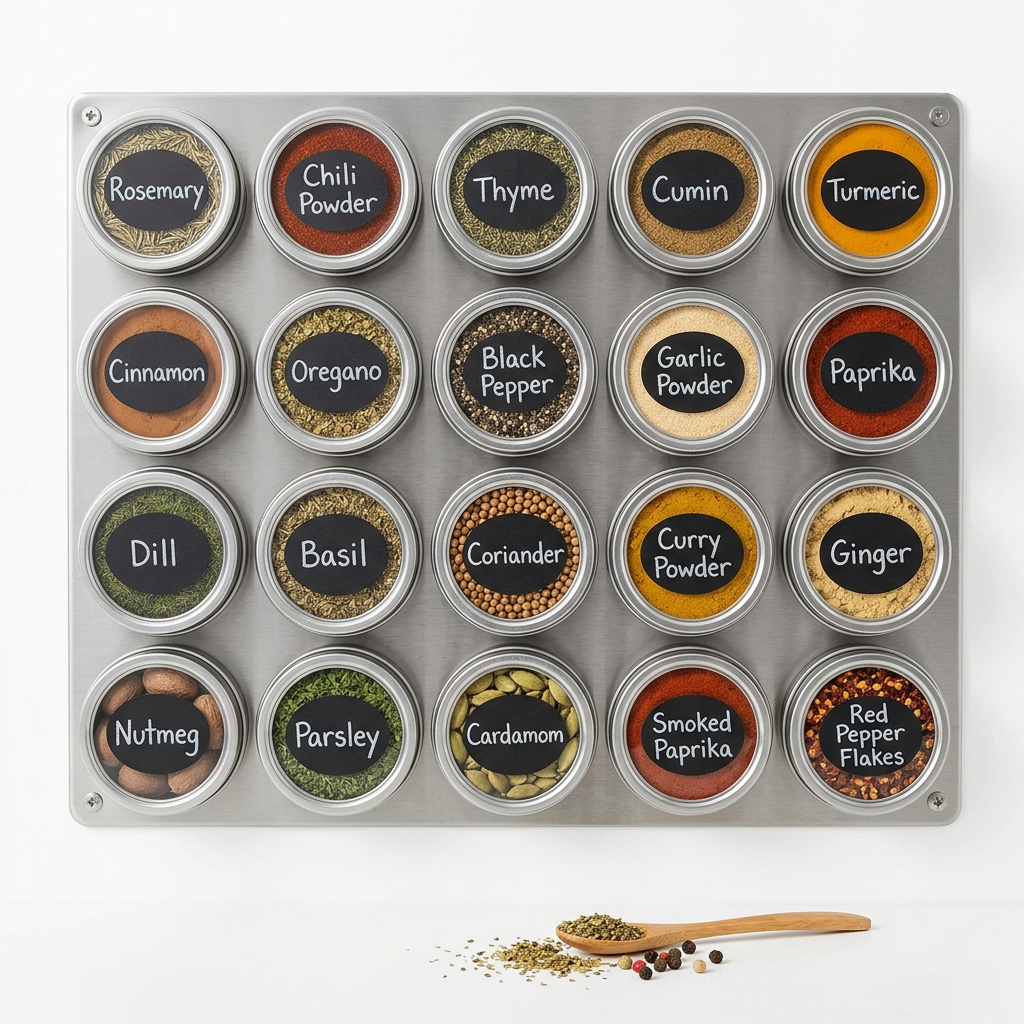
As the spice trade boomed, so did the infrastructure required to manage it. This led to the development of the Brigade System, a hierarchy that ensured consistency, efficiency, and speed. While we don't expect home cooks to operate like a French line cook during dinner service, understanding the principles of mise en place (everything in its place) is the single biggest step you can take to elevate your skills. When you organize your ingredients, you are essentially mimicking the efficiency of a 19th-century professional kitchen.
Precision in Temperature and Timing
Professional cooking is predicated on the mastery of temperature control. Whether you are tempering chocolate, poaching an egg, or searing a scallop, your thermometer is your best friend. For a perfect medium-rare steak, pull the meat from the pan when the internal temperature reaches 125°F (52°C) and allow it to rest for at least 10 minutes. This rest period is crucial; it allows the muscle fibers to relax and reabsorb the juices, preventing the "blood on the plate" phenomenon that plagues home-cooked meat.
The Science of Aromatics
Aromatics—onions, garlic, celery, carrots—form the "sofrito," "mirepoix," or "trinity" of global cuisine. These ingredients, when sweated down over low heat, create the foundational sweetness and depth required for almost every great sauce or stew. Technique Tip: Never brown your aromatics unless the recipe calls for it. Sweating them over medium-low heat with a pinch of salt draws out the moisture, turning the harsh raw sulfur compounds into a mellow, savory base.
The Chemistry of Flavor: Salt, Acid, Fat, and Heat
If we are to master the culinary arts, we must look beyond ingredients and into the chemistry of the plate. Samin Nosrat famously codified these as the four elements of cooking, but their usage dates back to the very spice routes we are discussing. Salt enhances flavor; Fat carries flavor; Acid balances flavor; Heat creates texture. Understanding how these elements interact allows you to become an improvisational cook rather than a slave to a recipe.
The Art of Salting
Most home cooks are terrified of salt, yet salt is the single most important ingredient in your kitchen. It is not about making food "salty"; it is about making food taste more like itself. When you season a dish, salt early and often. Start by seasoning your vegetables as they hit the pan, not just at the end. Use Kosher salt for its consistent grain size and ease of handling. Avoid table salt, which contains anti-caking agents and iodine that can impart a metallic, chemical aftertaste to your delicate sauces.
The Acid Shift
Acid is the great equalizer. If a dish tastes "heavy" or "dull," it is almost always a signal that it needs a hit of brightness. This could be a squeeze of fresh lemon juice, a splash of sherry vinegar, or even a dollop of yogurt. Acid cuts through the richness of fats and masks the bitterness that can sometimes emerge in overcooked greens. In the context of global flavors, consider how tamarind or lime juice functions in Southeast Asian cuisine to brighten up a heavy coconut milk base.
A dish without acidity is like a conversation without a question; it never really goes anywhere. Always finish your plates with a touch of brightness—a squeeze of lemon, a dash of vinegar, or a pinch of sumac.
Preservation as a Culinary Tool
The historical necessity of preservation—the same necessity that drove the spice trade—has given us some of the most complex, umami-rich ingredients in the modern larder. Fermentation, curing, and dehydration are not just for the professional food scientist; they are accessible methods for the home cook to pack insane amounts of flavor into a single bite. Consider the role of soy sauce, fish sauce, or miso. These are not merely liquids; they are concentrated flavor bombs that provide the "base notes" to your cooking.
The Umami Connection
Umami is the fifth taste, the savory, meaty, long-lasting flavor that keeps us reaching for another bite. By incorporating ingredients like aged Parmesan, sun-dried tomatoes, or fermented chili paste into your base, you are adding depth that would otherwise take hours of slow cooking to achieve. When you are making a simple pan sauce, try deglazing the pan with a bit of soy sauce or a dash of Worcestershire. You will immediately notice a deeper, more resonant flavor profile.
Simple Home Fermentation
You don't need a lab to ferment. Try making a quick-pickled onion or a salt-cured herb paste. A basic ferment of shredded cabbage (sauerkraut) only requires salt and time. By learning how to control the environment for beneficial bacteria, you are participating in a tradition that predates written history. These fermented additions act as the "seasoning" of the culinary world—a secret weapon that separates a "good" dish from a "restaurant quality" one.
Global Techniques for Modern Meals
To be an effective modern cook, one must be a cultural chameleon. You should be able to apply a Wok Hei technique (the "breath of the wok") to your stir-fries, understand the long, slow braising methods of the French countryside, and utilize the dry-rubbing skills of the American South. The key is in the transition of heat. For high-heat cooking, always choose an oil with a high smoke point, such as grapeseed, avocado, or refined coconut oil. Never use extra virgin olive oil for high-heat searing, as the bitter burnt notes will ruin the dish.
The Power of the Sear
The sear is the primary technique for building flavor in meat-based dishes. When you place a piece of protein into a hot pan, the moisture at the surface evaporates, allowing the surface temperature to rise and trigger the Maillard reaction. This reaction is a chemical dance between amino acids and reducing sugars. For the best sear, keep your meat out of the refrigerator for 20 minutes before cooking. A cold steak hitting a hot pan drops the pan temperature too quickly, leading to steaming instead of browning.
Resting and Carry-Over Cooking
One of the most ignored techniques in the home kitchen is carry-over cooking. Even after you remove a protein from the heat source, the residual thermal energy continues to cook the food for several minutes. A large roast can rise in temperature by 5-10 degrees after leaving the oven. By accounting for this, you ensure that your center stays tender and juicy rather than overcooked and dry. Always pull your proteins slightly under your target temperature to account for this natural phenomenon.
* Large roasts: Pull at 10-15 degrees below final target temperature.
* Steaks and chops: Pull at 5 degrees below target.
* Fish: Pull the moment the center turns opaque and flakes easily.
Bridging the Gap: The Chef's Mindset
Finally, the most important tool in your kitchen is your mindset. "Blame The Chef" is a philosophy of accountability. If a dish fails, look at the technique rather than the ingredients. Did you crowd the pan, causing the temperature to drop? Did you forget to season the water for your pasta? Did you rush the reduction? Professional chefs view every failure as a data point. When you treat your kitchen as a laboratory, you stop being afraid of the process and start enjoying the evolution.
The Importance of Tasting
The most common mistake home cooks make is serving a dish without tasting it throughout the process. Taste your sauce at the beginning, the middle, and the end. Does it need more salt? Did the reduction concentrate the salt too much? Does it need more pepper or a touch of sweetness? A chef's palate is their most reliable tool. If you aren't tasting, you're cooking blind. Develop your palate by sampling your ingredients at every stage, learning how the flavor profiles shift and develop as the moisture evaporates and the chemical structures break down.
Consistency Through Documentation
If you find a dish that works, write down the ratios. Professional kitchens run on standardized recipes—not because they are robotic, but because consistency is the hallmark of quality. When you create a spice blend or a vinaigrette that you love, record the measurements. Use a kitchen scale rather than cups and spoons for spices and dry ingredients. A gram is a gram, regardless of how tightly packed the spoon is. Precision allows for repetition, and repetition allows for perfection.
Conclusion
The story of culinary history is a story of human connection. Every ingredient, from the humble peppercorn of the Malabar Coast to the fiery chili pepper of the Americas, carries the weight of a thousand journeys. By understanding the origins of these flavors, we do more than just improve our cooking; we connect with the millions of people who have stood over fires and stoves before us. The global spice routes were a map for humanity, and your kitchen is the current destination.
As you move forward, keep these lessons close. Prioritize your mise en place, respect the power of salt and acid, and never stop experimenting with aromatics. The techniques we have discussed—from high-heat searing to the art of the ferment—are the bridge between simple sustenance and true culinary art. Remember, when the sauce splits or the steak is overcooked, don't despair. Analyze the temperature, check your ratios, and adjust your approach. That is the path to mastery.
You are not just cooking for yourself; you are preserving a legacy. Every meal you prepare is a continuation of the innovations made by ancient merchants, colonial explorers, and professional chefs who spent their lives chasing the perfect bite. Take pride in that heritage, and above all, never be afraid to blame the chef—as long as you are willing to pick up the whisk again and try it one more time. Your kitchen is the center of the world, and every dish you serve is a chapter in the ongoing story of human flavor. Keep cooking, keep tasting, and keep exploring the routes that brought us all here.

Get the Next Recipe
Weekly recipes, techniques, and gear picks — straight to your inbox.
