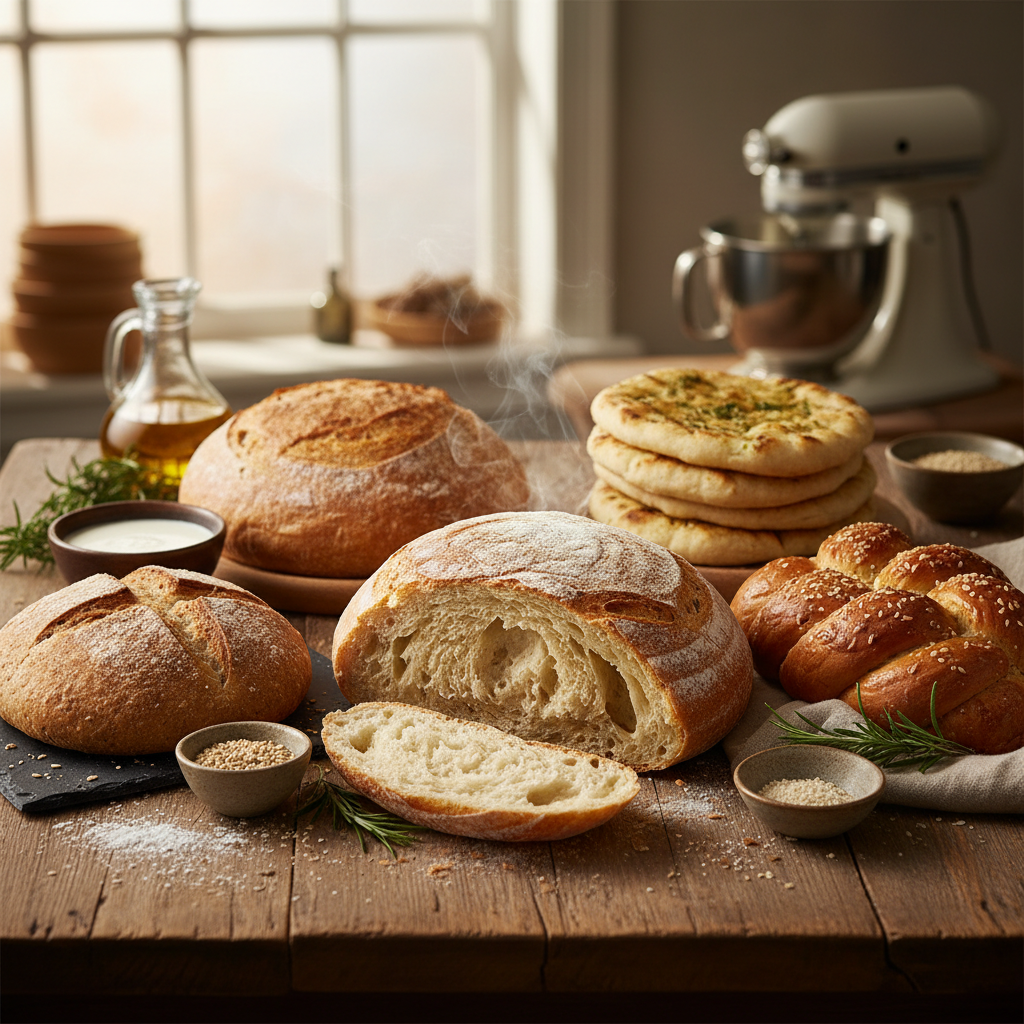
The Ultimate Guide to Baking Bread Without Yeast: 5 Delicious Methods to Try at Home
Baking bread at home is a rewarding experience, but when the shelf-stable packets of yeast elude you or simply don't appeal, it can feel like a significant barrier. Fortunately, there are numerous methods to create delicious bread without yeast, using a variety of alternative leavening agents. Each method brings its own unique flavor and texture, allowing you to master the art of bread-making using everyday ingredients. Armed with this knowledge, you’ll be able to enjoy fresh, homemade bread anytime, all without a single droplet of yeast.
In this guide, we will explore five different methods to produce delightful yeast-free bread, each with its own charm and character. From the classic baking soda and vinegar approach to creative uses of self-rising flour, this culinary adventure is not only attainable but also incredibly satisfying. So, whether you’re craving a hearty soda bread, a light and spongy cake-like loaf, or even a savory cornbread, we have something for everyone. Perfect for those spontaneous baking moments!
As we delve into these yeast-free techniques, keep in mind that the essence of successful baking largely lies in the precision of your measurements, an understanding of the methods, and a bit of experimentation. So, don your apron, gather your ingredients, and let’s embark on the journey to yeast-free bliss!
Baking Soda and Vinegar Bread
Understanding the Science
The combination of baking soda and vinegar is a fantastic leavening agent when creating bread. When these two ingredients are mixed, they undergo a chemical reaction that produces carbon dioxide bubbles—this causes the bread to rise and develop a light texture. The acidity of vinegar helps activate the baking soda, making it an essential component of this process.
This method works best with quick-breads, allowing them to be whipped up easily without the long waiting periods associated with yeast. Not only does it fundamentally alter the texture and flavor, but it also ensures you won’t be waiting around for dough to rise.
Utilizing this technique, you can make a variety of breads that are easy and flavorful. All you need is a basic understanding of ratios and the ability to mix ingredients properly.
A Simple Recipe for Baking Soda and Vinegar Bread
#### Ingredients:
#### Method:
"Baking bread doesn’t need to be complicated; simplicity often yields the best results."
This baking soda and vinegar bread is excellent with butter and jam, or you can enjoy it fresh as a side dish. The textures may surprise you, presenting a beautiful crust alongside a moist inside.
Self-Rising Flour Method
Introduction to Self-Rising Flour
Did you know you can create delicious bread using self-rising flour? This type of flour is pre-mixed with baking powder and salt, making it an ideal choice for those looking to streamline their bread-making process. By simply adding liquid ingredients, you can create a lovely loaf without dealing with yeast or the need for additional leavening.
Self-rising flour simplifies the process, reducing the number of ingredients and prep time significantly. Whether you're wheeling a quick breakfast bread or an afternoon snack, using self-rising flour is an effective method that delivers satisfying results.
Recipe for Self-Rising Flour Bread
#### Ingredients:
#### Method:
"Self-rising flour is a versatile tool in every home baker's arsenal, enabling easy, delicious outcomes."
This self-rising flour bread is perfect for toasting and makes for a great canvas for toppings. Add herbs, spices, or cheese to the dough for a more gourmet experience!
Baking Powder Biscuits
Crafting Biscuit-Style Bread
While traditionally a side dish, biscuits can also be adapted into a delightful bread. The principle is similar to that of the baking soda and vinegar method, where baking powder acts as the leavening agent. Flaky, soft, and delicious, biscuit-style bread can elevate any meal, providing the perfect accompaniment to stews or soups.
Biscuit bread can be quickly made with minimal effort and has a unique texture that contrasts nicely with its sturdier counterparts. Utilizing cream, buttermilk, or yogurt can enhance the flavor and tenderness of your biscuit bread.
Recipe for Baking Powder Biscuits
#### Ingredients:
#### Method:
"Biscuits can be the star of the show or a simple side, but either way, they never disappoint."
These baking powder biscuits are an absolute delight. Add cheddar cheese or herbs for a zesty kick, or substitute some of the flour with whole-wheat flour for a heartier option.
Cornbread
The Charm of Cornbread
Cornbread is a classic comfort food, and it’s incredibly versatile for a variety of meals. Made without yeast, cornbread traditionally utilizes cornmeal and baking powder for leavening, providing richness and moisture.
Its origins trace back to the Native American culinary traditions, but over time, it has evolved into many variations across the United States, each bringing unique flavors and textures. Whether you enjoy it sweet or savory, a basic cornbread recipe is a must for any baker’s repertoire.
Classic Cornbread Recipe
#### Ingredients:
#### Method:
"Cornbread is the ultimate comfort food that pairs well with Southern-style meals, stews, or chili."
With this foundation, you can explore adding jalapeños, cheddar, or even herbs for a savory spin on classic cornbread.
Flatbreads: Easy and Versatile
Quick and Easy Flatbreads
Flatbreads are a fantastic option for a quick, yeast-free bread alternative, and they require minimal ingredients. They can be made using a variety of flours, ranging from all-purpose to whole wheat or even chickpea flour for a gluten-free option. Flatbreads can serve as a base for pizzas, wraps, or simply as a side.
The beauty of making flatbread lies in its adaptability; you can infuse it with spices or toppings to create different flavors that suit your meal.
Basic Flatbread Recipe
#### Ingredients:
#### Method:
These flatbreads pair splendidly with hummus, salads, or as a wrap for meats. They can also be made sweet by adding a bit of sugar or honey to the dough and served with fruits or yogurt.
Baking Tips for Success
Key Techniques
Regardless of the yeast-free method you choose, certain techniques will enhance your bread-making experience:
Experiment and Adjust
Final Thoughts
Exploring yeast-free bread-making offers fun and rewarding experiences for both novice and expert bakers alike. Whether you’re looking to whip up a quick breakfast, a side for dinner, or a delicious treat to share, these five methods provide versatile pathways to fresh, homemade bread.
From baking soda and vinegar bread to flavorful cornbread and the ease of flatbreads, each technique invites creativity while ensuring you can enjoy the pleasures of bread, no matter your circumstances with yeast.
So roll up your sleeves and let your culinary instincts guide you in creating delightful loaves that fill your home with warmth and comfort. Happy baking!
Get the Next Recipe
Weekly recipes, techniques, and gear picks — straight to your inbox.
