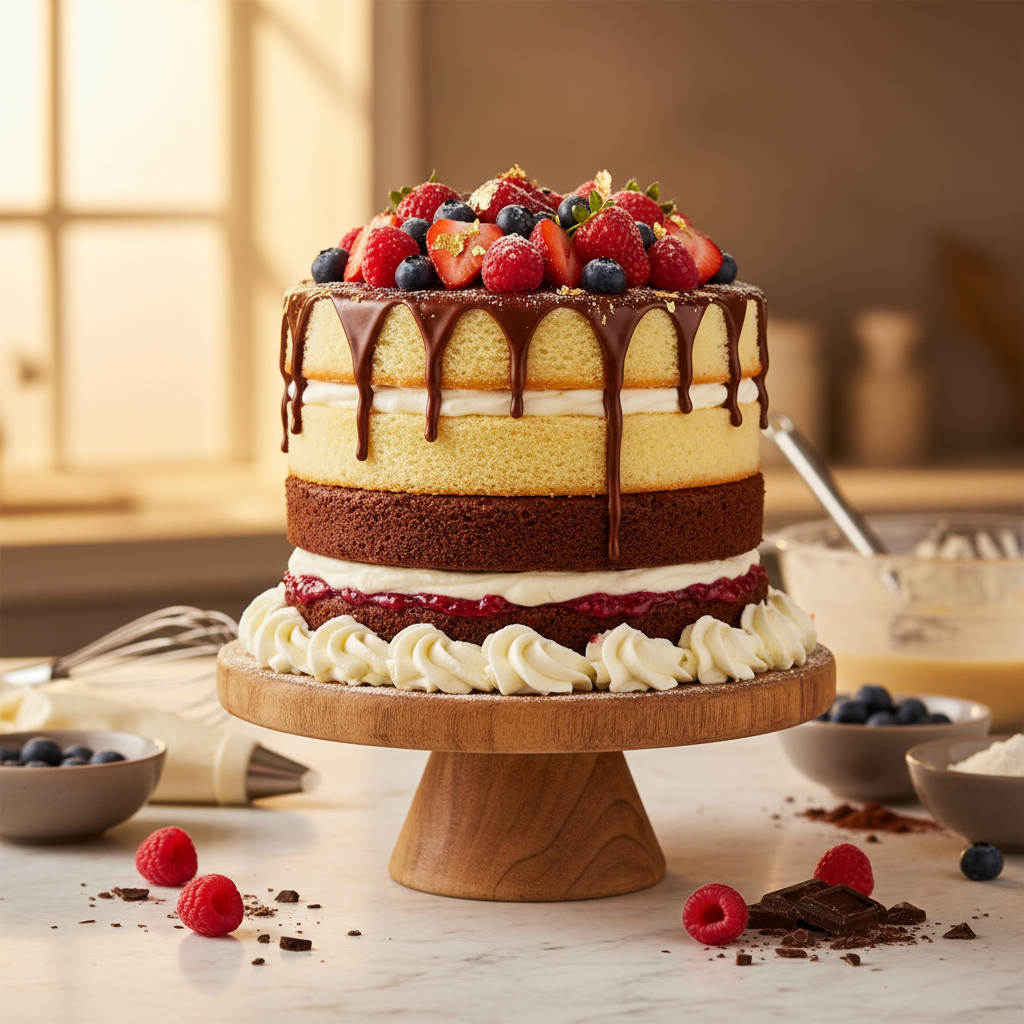
The Ultimate Guide to Crafting Irresistible Layer Cakes: Tips for Structure, Flavor, and Frosting Perfection
Layer cakes, with their towering profiles and sumptuous fillings, hold a special place in the hearts of bakers and dessert aficionados alike. The mere sight of a well-crafted layer cake, frosted to perfection, can evoke nostalgia for birthdays, weddings, and other significant life events. However, while a slice of cake may appear simple and straightforward, the artistry involved in its creation is nuanced and complex. As home bakers embark on the journey of constructing these delectable confections, understanding the fundamentals of structure, flavor, and frosting becomes essential.
The foundation of a successful layer cake begins long before the first ingredient hits the mixing bowl. Crafting a cake that stands tall, retains moisture, and balances flavor profiles requires attention to the science of baking. From selecting the right cake flour to understanding the role of leavening agents, these decisions set the stage for the masterpiece that will ultimately emerge from your oven. And let’s face it: achieving that storybook look where layers are even, sturdy, and delicious feels like a badge of honor among bakers.
As we delve into this comprehensive guide, we will explore every facet of creating an irresistible layer cake. Whether you are a novice or a seasoned baker, there is always room for improvement, new techniques to master, and flavor combinations to discover. So, grab your apron and prepare to elevate your baking skills to new heights as we embark on this culinary adventure together.
Understanding Cake Structure
Before diving into layer cake creation, it's crucial to grasp the structural components that contribute to a cake’s integrity. A layer cake consists of multiple cake layers stacked atop one another, often filled with frosting or other delectable fillings, and encased in a final layer of frosting. The stability of such a cake relies on the harmony between the components involved.
Ingredients Matter: Flour, Sugar, and Fats
Flour is the backbone of any cake. While all-purpose flour can be used in layer cakes, opting for cake flour results in a tender crumb and lighter texture. Cake flour has a lower protein content, which helps inhibit gluten formation during mixing. This results in a softer cake, ideal for stacking.
Sugar plays a dual role; it not only sweetens but also aids in the cake's structure. Different types of sugar impart unique qualities. Granulated sugar is standard, while brown sugar adds moisture and a deeper flavor profile.
Fats, such as butter, oil, or shortening, contribute to a cake’s richness and moisture. Butter provides flavor, while oil keeps cakes ultra-moist.
Leavening Agents and Eggs
Next, we must consider leavening agents, crucial for a cake’s rise and fluffiness. Most layer cakes rely on baking powder or baking soda. Baking powder is typically utilized in recipes requiring an eggs-involving technique, while baking soda is best for recipes containing acidic ingredients such as buttermilk or yogurt.
Eggs are significant contributors to structure, flavor, and moisture. Their proteins coagulate as the cake bakes, imparting stability to the layers.
Temperature Control and Mixing Techniques
The temperature of your ingredients can dramatically affect the outcome of your cake. Always bring your cold ingredients, especially eggs and dairy, to room temperature before mixing. This allows for better emulsion and uniform texture.
Mixing techniques also play an integral role in how your cake bakes. Overmixing can develop gluten, leading to a tough texture. Here’s a simple guideline to follow:
"Mastering the ingredients and techniques is the first step to crafting the perfect layer cake. Each element harmonizes to create a treat we all love!"
As you gain confidence in the basic structure of your layer cakes, you can start experimenting with various flavors and fillings to take your creations to the next level.
Flavoring Your Layer Cake
Flavor is an intimate part of what makes a layer cake exceptional. From classic vanilla and chocolate combinations to more adventurous options, the flavor foundation you choose will dictate the cake's overall profile.
Choose Your Base Flavor Wisely
The base flavor of your cake significantly influences its final taste. Traditional options like vanilla and chocolate are timeless for a reason, but don't shy away from experimenting with alternatives like:
Pro tip: When using flavor extracts, a little goes a long way. Start with a teaspoon and adjust according to taste.
Experimenting with Fillings and Frostings
The spaces between the layers of a cake offer opportunities to introduce flavors through fillings. Some popular options include:
Frosting Choices: The exterior frosting not only coats the cake but also complements the flavors inside. Here are a few to consider:
Layering Flavors
When assembling your layer cake, think about pairing flavors to create a harmonious taste profile. Here are some ideas:
"Flavor is a journey; consider how each layer contributes a note to the symphony that is your cake."
Incorporating these elements yields a cake that is not only visually stunning but one that also tantalizes the palate, making each slice an experience.
Mastering the Art of Frosting
Frosting is the crowning glory of any layer cake. A good frosting does more than merely coat a cake; it adds texture, flavor, and aesthetics. However, achieving the perfect consistency and flavor can be a bit of a challenge.
Types of Frosting
Understanding the different types of frosting will help you choose the right one based on your cake's flavor and occasion:
Achieving the Right Consistency
One of the most important aspects of frosting a cake is achieving the right consistency. Your frosting should be spreadable but sturdy enough to hold the layers without slipping. Here are essential techniques to perfect your frosting:
Application Techniques
Frosting a layer cake doesn’t have to be daunting. Here are straightforward steps to consider:
"Perfecting the art of frosting is where you can let your creativity shine; let it reflect your style and the love you’ve put into your baking!"
These steps are essential for ensuring that your cake not only tastes incredible but also looks as though it’s come straight from a bakery.
Decorating Your Layer Cake
After frosting comes decoration—the aesthetic aspect that transforms your cake from simple to show-stopping. The good news is that decoration can be as simple or elaborate as you wish!
Simple Decorative Techniques
For those just starting, there are several foolproof methods to add a decorative touch to your layer cake:
Advanced Techniques
For those ready to elevate their skills, consider trying more advanced decoration methods:
Color and Design
The color scheme of your cake can set the mood for the event. Consider a palette that matches the occasion:
"Decorating isn’t just about aesthetics; it’s about storytelling through your culinary craft."
Taking the time to consider your decoration can turn a simple cake into a centerpiece worthy of admiration.
Layer Cake Troubleshooting
Even the best bakers will encounter challenges during the baking process. Here we discuss common issues you may face and offer solutions to ensure a successful baking experience.
Cake Has Sunk or is Dense
If your cake sinks in the middle or is too dense, assess whether:
Cracked Tops
If the cake's surface cracks while baking, consider:
Difficulties with Frosting
If your frosting is too thin or too thick, or if it’s sliding off your cake:
Learning to troubleshoot common baking problems not only improves your immediate result but enhances your overall baking confidence for the future.
Final Thoughts
Creating an irresistible layer cake is both an art and a science that involves understanding the foundations of baking, mastering flavor combinations, and applying decorative techniques that capture the eye. With the guidance contained within this comprehensive guide, you now possess the know-how to venture confidently into the world of layer cake baking.
As you explore and experiment with flavors, fillings, and frostings, remember that baking is also about joy, creativity, and sharing delightful moments with those you love. Each layer cake you create tells a story—one of dedication, creativity, and heartfelt connection.
So don your apron and prepare to create scenic masterpieces that are as delicious as they are beautiful. Happy baking!
Get the Next Recipe
Weekly recipes, techniques, and gear picks — straight to your inbox.
