
The Ultimate Guide to Fermented Hot Sauce: From Kitchen to Bottle
Fermented hot sauce is a culinary delight that offers a unique complexity of flavors, textures, and aromas that elevates your dishes in an extraordinary way. Making your own hot sauce is not just a delightful craft; it's also a science that taps into ancient techniques of preservation and flavor enhancement through fermentation. The marriage of spicy peppers, salt, and time creates a hot sauce that is much more than a condiment; it’s a transformative culinary ingredient that opens the door to a world of umami and heat, thanks to billions of microorganisms working hard to develop flavors while preserving your hot sauce naturally.
From traditional recipes originating in regions known for their chili peppers to innovative modern approaches, the journey of crafting fermented hot sauce can take many exciting paths. However, understanding the fundamentals of fermentation, the right ingredient selection, and optimal techniques is crucial. Each ingredient plays a vital role, and mastering these components is essential for developing that signature flavor profile that can make your hot sauce the star of any meal. Whether you're aiming for a smoky, tangy, or deeply spicy flavor, the beauty of fermentation lies in its versatility.
In this guide, we will walk through every aspect of making your own fermented hot sauce, from selecting the right peppers to bottling and storing your creation for the best results. You will learn about key techniques, important ratios, and expert tips to ensure that your homemade hot sauce stands out. So roll up your sleeves, grab your favorite peppers, and let’s dive into the vibrant world of fermented hot sauce!
Understanding Fermentation: A Culinary Science
Fermentation is a biological process that converts sugars into acids, gases, or alcohol using microorganisms such as bacteria, yeasts, or molds. This ancient practice has been utilized for thousands of years, not only to preserve food but also to enhance its flavor profile. In the case of hot sauce, fermentation allows the natural sweetness of the peppers to balance with acidity and saltiness, creating a complex and multi-dimensional condiment.
The Role of Microorganisms
At the heart of fermentation are microorganisms, the unsung heroes that transform ordinary ingredients into extraordinary flavors. The primary microorganisms involved in fermenting hot sauce are lactic acid bacteria (LAB). These beneficial bacteria thrive in the anaerobic environment created during the fermentation process, converting sugars present in the peppers into lactic acid, which gives fermented foods their distinctive tangy flavor.
It's essential to maintain the correct conditions for fermentation. Ideally, you want a temperature range of 60°F to 75°F (15°C to 24°C), which is considered the sweet spot for lactic acid bacteria. Higher temperatures may lead to faster fermentation but can also result in off-flavors, while lower temperatures may slow the process down, leading to potential spoilage.
The Importance of Salt
Salt is critical in the fermentation process—it not only flavors the hot sauce but also serves as a preservative. The science of salting lies in its ability to inhibit undesirable microorganisms while promoting the growth of lactic acid bacteria. For most fermented hot sauce recipes, a salt concentration of 2% to 5% of the total weight of the peppers is recommended.
To determine the exact amount of salt needed, you can use the following simple formula:
For example, if you have 1,000 grams of peppers, you would use 20 to 50 grams of salt.
The Fermentation Process
The fermentation process for hot sauce typically takes anywhere from one week to several months, depending on your flavor preference. The longer the fermentation, the more complex the flavor profile becomes. During fermentation, aromas and tastes evolve, contributing to the depth that makes fermented hot sauces unique.
You can check the progress by tasting occasionally. At any point, if you detect any off-putting scents or flavors, it's essential to assess your setup. However, under the right conditions and equipment, fermentation should yield a variety of complex flavors, balancing acidity, spice, and sweetness beautifully.
Selecting the Right Peppers
Choosing the right peppers is essential to creating a hot sauce that meets your personal flavor and heat preferences. The variety of peppers available today offers a world of possibilities, from the intensely spicy Carolina Reaper to the milder but flavorful Anaheim peppers.
Understanding Pepper Heat and Flavor Profiles
Peppers are often categorized based on their heat levels, measured in Scoville Heat Units (SHU). The hotter the pepper, the higher its SHU rating. Here are some popular peppers with their average heat levels:
**"The beauty of hot sauce lies in balancing heat with flavors. Be bold in your selections!"**
Blending for Complexity
For a more rounded flavor profile, consider blending different types of peppers. Each pepper contributes its unique characteristics ranging from fruity and floral to spicy and earthy. Here are a few combinations to consider:
Experimenting with various pepper types can yield surprising and delightful results. Always remember to start with milder peppers if you're uncertain about heat levels, and gradually work your way up.
Fresh vs. Dried Peppers
While fresh peppers are commonly used in hot sauce, you can also explore dried options for a different flavor profile. Dried peppers undergo a different transformation, often resulting in deeper, more concentrated flavors. Consider incorporating dried varieties such as ancho, guajillo, or cascabel peppers to enhance your fermented hot sauce.
Dried peppers need a little preparation before being blended with other ingredients; they benefit from soaking in hot water to rehydrate them and release their full flavor potential. This process also helps to facilitate blending them into your hot sauce effectively.
Essential Ingredients Beyond Peppers
While peppers are the star of the show, there are several other ingredients that can enhance your fermented hot sauce's complexity. Understanding how each ingredient contributes to the overall flavor will allow you to create a truly delightful hot sauce.
Common Supporting Ingredients
Equipment Considerations
While you can make fermented hot sauce with basic kitchen tools, a few specialized items can make the process easier and more successful:
Flavoring Agents
Adding seasoning blends or spices during the fermentation can turn a straightforward pepper blend into a flavorful masterpiece. Consider ingredients like:
Each of these ingredients adds varying complexities that can completely transform your hot sauce’s character.
The Fermentation Process: Step-by-Step
Now that you’re armed with knowledge about selecting ingredients, let's dive into the fermentation process itself. Here’s a simple breakdown of how to create your fermented hot sauce from scratch.
Step 1: Preparing the Ingredients
Step 2: Mixing and Packing
Step 3: Fermentation Period
Step 4: Blending and Storing
Heat and Flavor Balancing
Creating a well-balanced hot sauce involves more than just choosing the right peppers; it also requires careful consideration of heat levels and flavor complexity. Even the most ardent heat-seekers can appreciate the beauty of a hot sauce that elegantly balances heat with a range of other flavors.
Adjusting Heat Levels
A hot sauce's heat can be adjusted through various methods, making it palatable for all taste buds:
For instance, a mango-habanero hot sauce may thrill the daring, while a honey-jalapeño blend appeals to those who prefer flavorful rather than blazingly hot options.
Layering Flavors
In addition to addressing heat, layering flavors enhances the overall experience of your hot sauce. Consider filling your sauce with complexity through:
**"Creating a memorable hot sauce is about achieving the right balance of heat, acidity, sweetness, and umami."**
Testing and Feedback
Sharing is caring! Give your newly crafted hot sauce to friends and family—different palates can provide valuable feedback. Take notes on what others love and what might need tweaking for success in future batches. This iterative process is a vital part of refining your techniques.
Bottling and Storing Your Hot Sauce
Once your hot sauce has reached your desired flavor profile, it’s time to focus on bottling and storage techniques. Proper handling and storage can extend the shelf-life and maintain the quality of your homemade hot sauce.
Choosing the Right Bottles
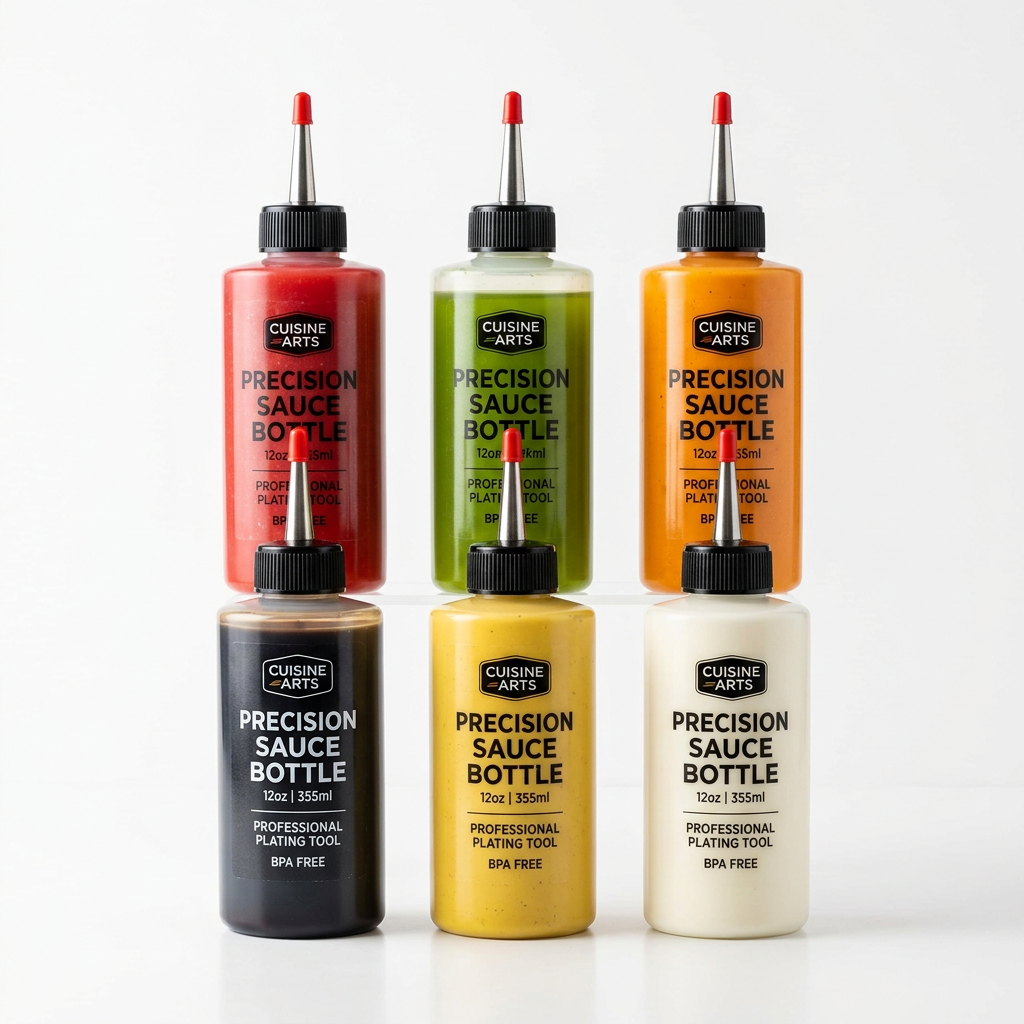
Opt for bottles specifically designed for sauces. Glass bottles are an excellent choice due to their non-reactive nature and ability to maintain flavor integrity. Make sure to choose:
Proper Filling Techniques
Long-Term Storage Tips
When to Use Your Hot Sauce
Enjoy your homemade fermented hot sauce as a condiment or culinary ingredient. It can bring a delightful kick to:
You can also use it creatively in cocktails like micheladas or spicy margaritas, expanding the range to which it can be enjoyed.
Final Thoughts
Creating your own fermented hot sauce is a rewarding journey that combines science, art, and passion for food. From understanding the fermentation process to balancing flavors and achieving the ideal bottling, each step offers the chance to explore and experiment. This guide has provided you with the essential knowledge and techniques to embark on your hot sauce-making adventure.
Remember, there are no strict rules in your culinary journey. Allow your taste preferences to dictate your choices, whether you're crafting mild or fiery blends. The world of hot sauce is vast—filled with creativity and flavor, waiting for you to discover. So gather your ingredients, enjoy the fermentation journey, and to paraphrase a sentiment from many chefs: If things don't go as planned, blame the chef! You’re the artist in this culinary canvas, so let your imagination run wild as you create a hot sauce that reflects your unique palate. Happy fermenting!
The culinary world is ready to welcome your signature hot sauce—time to spice things up!


Get the Next Recipe
Weekly recipes, techniques, and gear picks — straight to your inbox.
