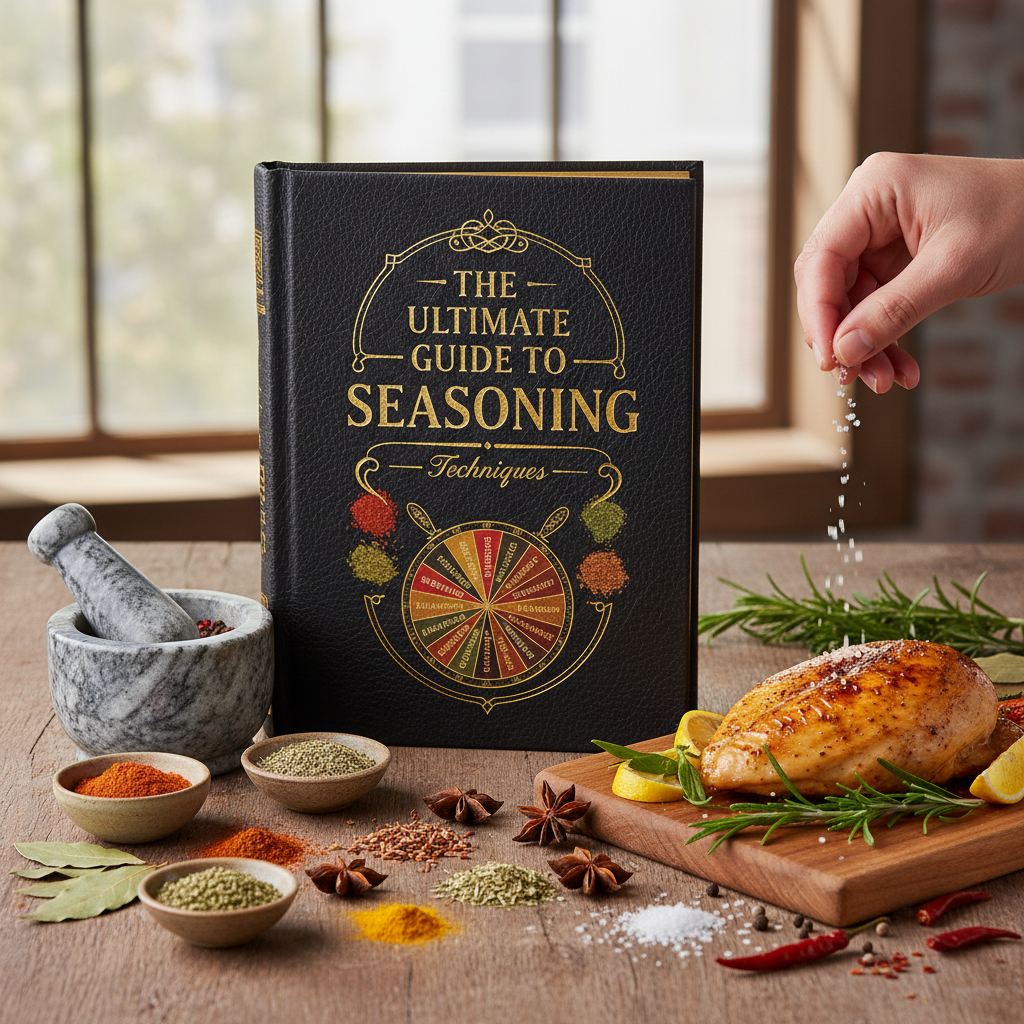
The Ultimate Guide to Seasoning
Seasoning is one of the most fundamental skills a home cook can master. It’s the magic that can transform a simple dish into a culinary masterpiece, elevating flavors and enhancing the overall dining experience. Seasoning is not just about salting your food; it's a complex dance of various ingredients that together create layers of flavor. In the world of cooking, the proper use of seasonings is what distinguishes an amateur cook from a seasoned chef. As you embark on your journey to understand and harness the power of seasoning, you will discover that it requires both art and science, intuition and technique.
At its core, seasoning is about balancing the flavors of a dish. It introduces elements of saltiness, acidity, sweetness, bitterness, and spiciness to food. An expertly seasoned dish should have a harmonious blend of these flavors, allowing each ingredient to shine while working in synergy with the others. As you experiment with different seasoning techniques, remember that less can often be more. It's essential to build flavors gradually, tasting and adjusting as you go. Your palate will become your best tool in this journey, leading you to discover the most delightful combinations for your meals.
Moreover, the proper technique with which you apply these seasonings can significantly affect the outcome of your dishes. Understanding when and how to season—be it during cooking, at the finish, or both—can dramatically alter your food’s flavor profile. With this comprehensive guide to seasoning, you will gain the knowledge and confidence to season like a pro. Whether you're preparing a roasted chicken, a vibrant vegetable stir-fry, or a delicate fish fillet, mastering the art of seasoning will elevate your cooking to new heights.
Understanding the Basics of Seasoning
Before we delve into the specifics of seasoning various types of dishes, it's important to establish a solid foundation. The fundamental types of seasonings can be classified into categories: salt, acids, sweeteners, herbs, spices, and umami. Each category plays a unique role in flavor enhancement and can dramatically influence the end result of your dish.
Salt: The Cornerstone of Flavor
At the center of all seasoning lies salt. It's not just a mineral; it's the essence of flavor itself. Salt enhances natural flavors, suppresses bitterness, and adds an element of depth to many dishes. When it comes to choosing salt, there are numerous options:
“Salt is the only flavor that enhances all flavors."
When using salt, it’s important to season at different stages of cooking. For example, adding salt to meat before searing can help draw out moisture, creating a flavorful crust. In contrast, seasoning vegetables with salt just before serving can help them retain their crispness.
Acidity: Brightening and Balancing Flavors
Acids are essential for balancing flavors. They can brighten up dishes, making them more vibrant. Common acidic ingredients include:
When using acids, a little goes a long way. Adding a splash of lemon juice or a drizzle of vinegar can elevate a dish, cutting through richness and enhancing other flavors. Experimenting with different types of acids can also add unique dimensions to your meals. For instance, a balsamic reduction can add both acidity and sweetness to a dish, particularly when glazing vegetables or meats.
Sweetness: Harmony in Flavor
A touch of sweetness can balance the harshness of acidity or spice. When we think of seasoning, sugar often comes to mind, but there are many forms:
Cooking techniques like caramelization can also bring out sweetness from other ingredients, such as onions or carrots, which enhance their natural sugars. As you incorporate sweetness into your dishes, be mindful of your ratios. For example, adding a teaspoon of sugar to a pot of tomato sauce can reduce acidity and enhance depth.
The Role of Herbs and Spices
Herbs and spices are the essential building blocks for creating distinct and layered flavors in your dishes. With the right combination, they can transport you to different regions of the world and introduce a variety of aromas and tastes.
Fresh vs. Dried Herbs
Fresh herbs provide a bright pop of flavor, while dried herbs offer concentrated taste and longevity. Here are some common culinary herbs to keep on hand:
When substituting dried herbs for fresh, the general rule is to use one-third of the amount called for in fresh herbs. This is because dried herbs are more concentrated; for example, if a recipe calls for 1 tablespoon of fresh basil, you would use just 1 teaspoon of dried basil.
Cooking with Spices
Spices can bring depth and warmth, providing not only flavor but also aromatic qualities. Some commonly used spices include:
To release their full potential, toast spices in a dry pan for a few minutes before adding them to your dish. This technique enhances their aroma and flavor, ensuring they contribute richly to your culinary creation.
“Cooking is all about flavor and seasoning—it’s where the magic happens.”
Layering Flavors in Cooking
One of the most effective ways to elevate your cooking is to layer flavors. This technique involves incorporating seasonings at various stages throughout the cooking process, building complexity as your dish develops.
Seasoning at Different Cooking Stages
The artful application of seasoning throughout the cooking process means consistently tasting and adjusting assertively. This approach can ensure that every bite is as flavorful as possible.
Adjusting the Flavor Profile
As a cook, developing the ability to adjust flavors on the fly is invaluable. If a dish tastes too salty, you can counterbalance it by adding a small amount of sweetness or acidity. If it’s too acidic, try introducing a pinch of sugar or a creamy element to mellow things out.
A great rule of thumb is to consider how the different elements (seasonings, main ingredients, cooking method) interact. The more familiar you become with how flavors work together, the more intuitive your adjustments will be.
The Importance of Timing in Seasoning
Timing in cooking—when you add your seasonings—can make all the difference. Over time, the specific timing of seasoning can dramatically impact both flavor and texture.
Cooking Meats: The Right Moment to Season
For meat, timing is crucial. A general guideline is to season:
When roasting poultry, for instance, consider dry brining, where you apply salt directly to the skin and let it sit. This technique allows moisture and flavor to be locked in, creating juicy, flavorful meat.
Vegetables: Seasoning for Balance
With vegetable dishes, timing is equally important:
A simple vegetable stir-fry benefits immensely from this approach. Start with your aromatics like garlic and ginger, then add in hard vegetables followed by softer ones, garnishing with fresh herbs for an invigorating flavor.
Exploring Unique Seasonings and Techniques
Once you've mastered the core seasonings, it’s time to explore unique blends and specialized techniques to further expand your culinary repertoire.
Creating Custom Seasoning Blends
Dive into the world of seasoning blends, which combine various spices and herbs to create flavorful and diverse seasonings for different cuisines. Some popular blends include:
Creating your own custom blends allows for personalization in flavor.
Creating these blends ahead of time allows you to add an explosion of flavor with one sprinkle or spoonful!
Infused Oils and Vinegars
Another unique technique is crafting infused oils and vinegars. These instruments can add depth and personality to your dishes.
Both methods provide easy ways to enhance the sophistication of your dishes with minimal effort.
Mastering Taste and Texture
Finally, understanding how seasoning interacts with both taste and texture will help guide your cooking decisions.
The Five Basic Tastes
The five basic taste sensations are sweet, sour, salty, bitter, and umami. A well-seasoned dish should incorporate a balance of these tastes.
Familiarizing yourself with these taste sensations will provide a framework for developing and enhancing flavors throughout your cooking.
Textural Contrast
Texture plays a pivotal role in the overall experience of a dish. Consider incorporating crunchy elements like toasted nuts or crispy fried onions to contrast softer components.
A perfect example of this in practice is a classic Greek salad, where the creaminess of feta is complemented by the crunchiness of cucumbers and olives, bringing a multitude of textures to the table.
Conclusion
Mastering the art of seasoning elevates your culinary skills and transforms your cooking experience. With the principles of salt, acidity, sweetness, herbs, and spices combined with techniques for layering flavors, timing, and custom blends, you can create an array of memorable dishes.
As you hone your seasoning skills, remember to practice the art of tasting and adjusting, building intuition that will serve you well. Seasoning is a journey of exploration and experimentation—each dish an opportunity to discover new flavor combinations and techniques.
Embrace the adventure, trust your palate, and soon enough, you’ll find that not only has your cooking improved, but your confidence in the kitchen has soared. The world of flavors is vast and varied; it’s time to dive in! With your newfound knowledge from this guide, let each meal reflect your unique culinary perspective and passion. Now go forth, season boldly, and share your creations, for they are sure to inspire and delight!


Get the Next Recipe
Weekly recipes, techniques, and gear picks — straight to your inbox.
