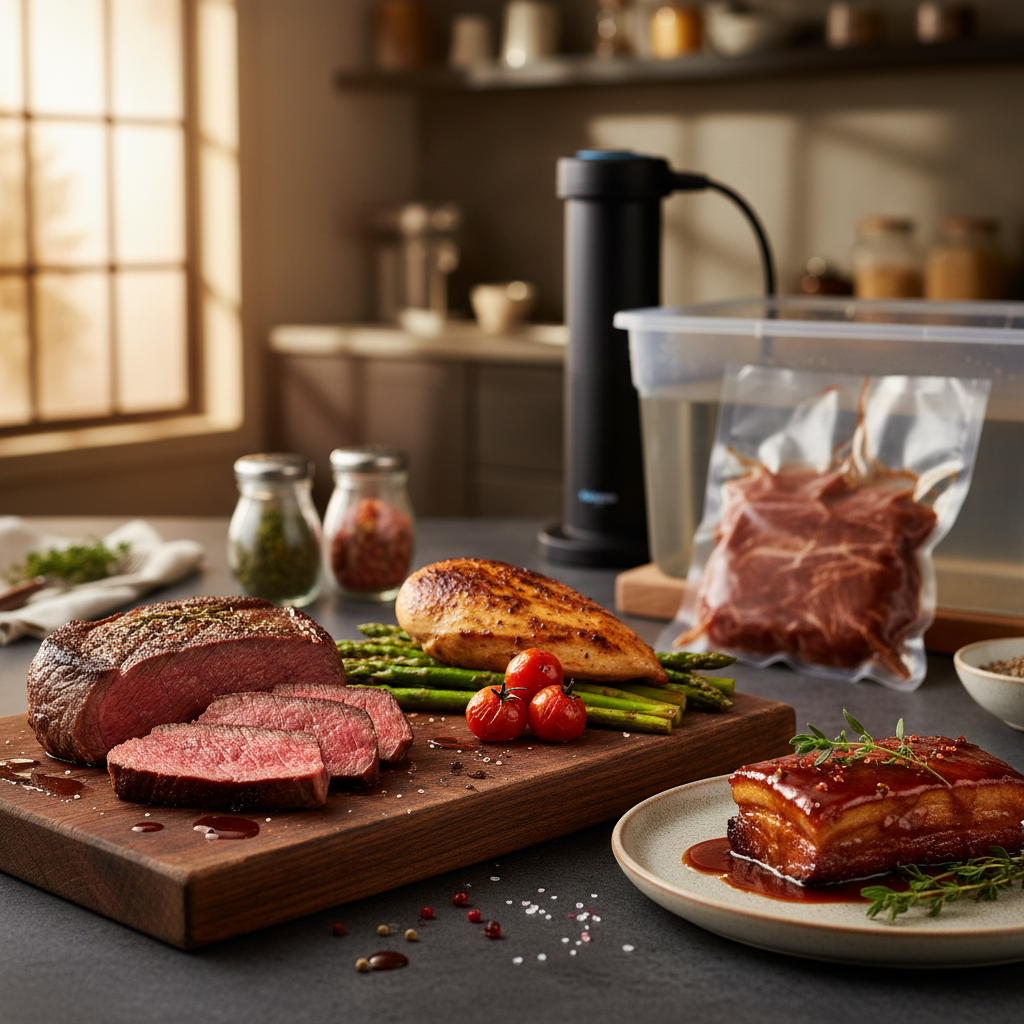
The Ultimate Guide to Sous Vide Cooking: Techniques for Perfectly Tender and Flavorful Meat Every Time
Sous vide cooking has emerged as one of the most revolutionary culinary techniques in recent years, captivating both professional chefs and home cooks alike. By utilizing precise temperature control, sous vide allows you to achieve remarkable tenderness and flavor in meats that is difficult to attain through traditional cooking methods. The name ‘sous vide’ is French for ‘under vacuum,’ which perfectly encapsulates how the technique works: food is sealed in a vacuum-packed bag and submerged in a water bath heated to a specific temperature. This process ensures that your ingredients cook evenly, retaining moisture and enhancing flavor in the process.
One of the most compelling aspects of sous vide cooking is the ability to get consistently perfect results without the need for constant attention. Gone are the days of overcooked proteins or meats that are charred on the outside and raw on the inside. Instead, with sous vide, you can set your food in the water bath, secure the temperature, and go about your day, returning only when it’s time to remove your perfectly cooked meal. Whether you're looking to impress dinner guests or simply elevate your weeknight meals, sous vide can add a level of sophistication and flavor to your cooking that is sure to impress.
Moreover, the appeal of sous vide cooking extends beyond just meat. Vegetables, fruits, and even eggs lend themselves incredibly well to this technique. From butter-poached asparagus to perfectly poached eggs, the versatility of sous vide allows home cooks to apply this method across a wide range of dishes. In this guide, we will explore the various techniques and tips to help you master sous vide cooking, focusing specifically on achieving perfectly tender and flavorful meat every time.
What is Sous Vide Cooking?
To truly appreciate the brilliance of sous vide, it’s essential to understand the fundamental principles at play. Sous vide cooking revolves around the concept of consistent temperature and time; this dual focus results in precise control over the cooking process. The primary reason this technique yields superior results lies in the controlled water temperature. Conventional cooking methods often involve direct heat, which may cause uneven cooking and moisture loss—especially in larger cuts of meat. In contrast, sous vide cooking ensures that the entire piece of meat reaches the desired doneness simultaneously.
How Sous Vide Works
At its core, sous vide involves sealing food in vacuum-sealed bags and cooking it in a water bath at a specific temperature for an extended period. The temperature inside the water bath generally ranges from 130°F to 150°F depending on the type of meat and desired doneness, with most proteins typically taking between 1 to 48 hours to cook, depending on both the size and type of the meat. For instance, tender cuts like ribeye steak can be cooked for as little as 1-2 hours at 130°F for medium-rare, while tougher cuts, like brisket, may require 24-48 hours at 155°F to become tender.
The vacuum-sealing process greatly enhances the flavor delivery, trapping juices and seasonings inside the bag. This means your meats will stay incredibly juicy, without the need for added fat or excessive seasoning. The result? Flavorful, tender, and perfectly cooked meat that is ready to hit your plate.
Benefits of Sous Vide Cooking
Essential Equipment for Sous Vide Cooking
While sous vide cooking can sound intimidating to the uninitiated, all you need to get started is a few key pieces of equipment. Some specific devices are made specifically for sous vide cooking, while others may already be in your kitchen.
Immersion Circulator
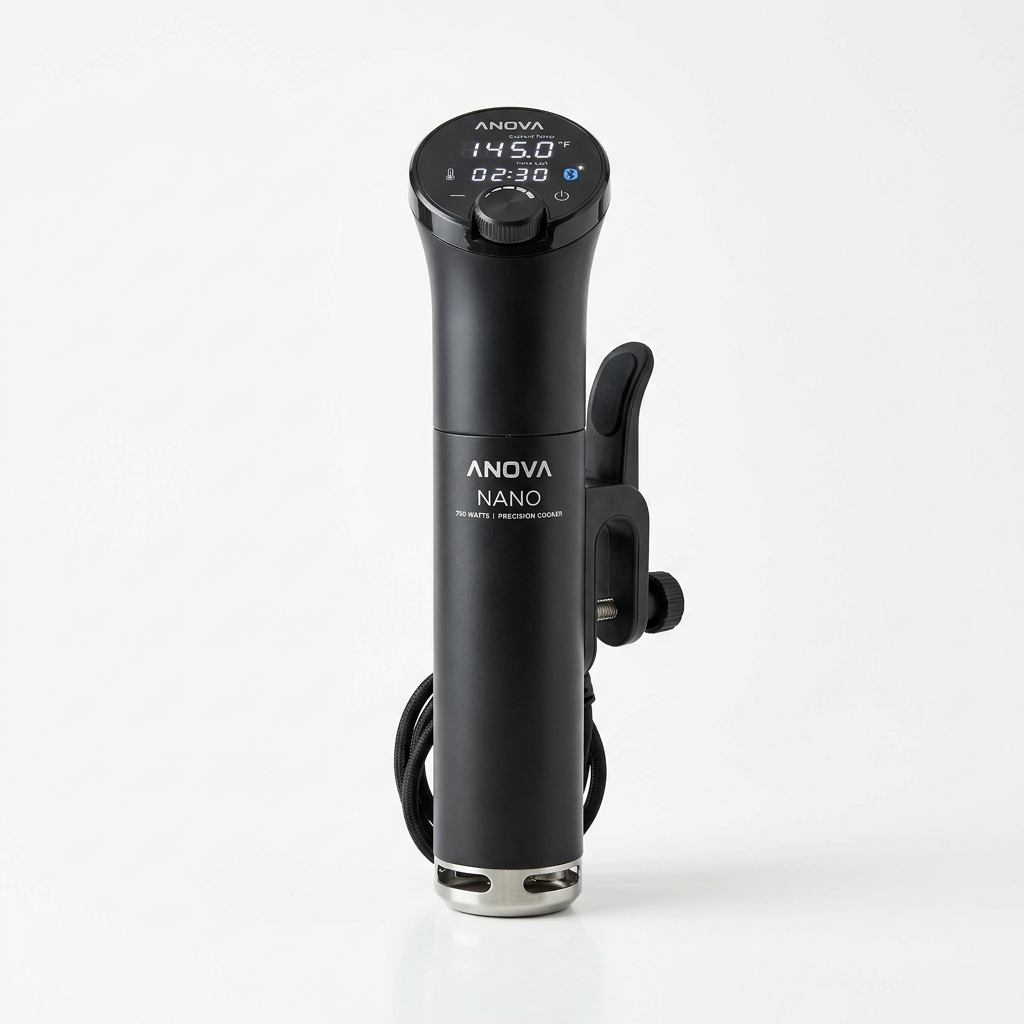
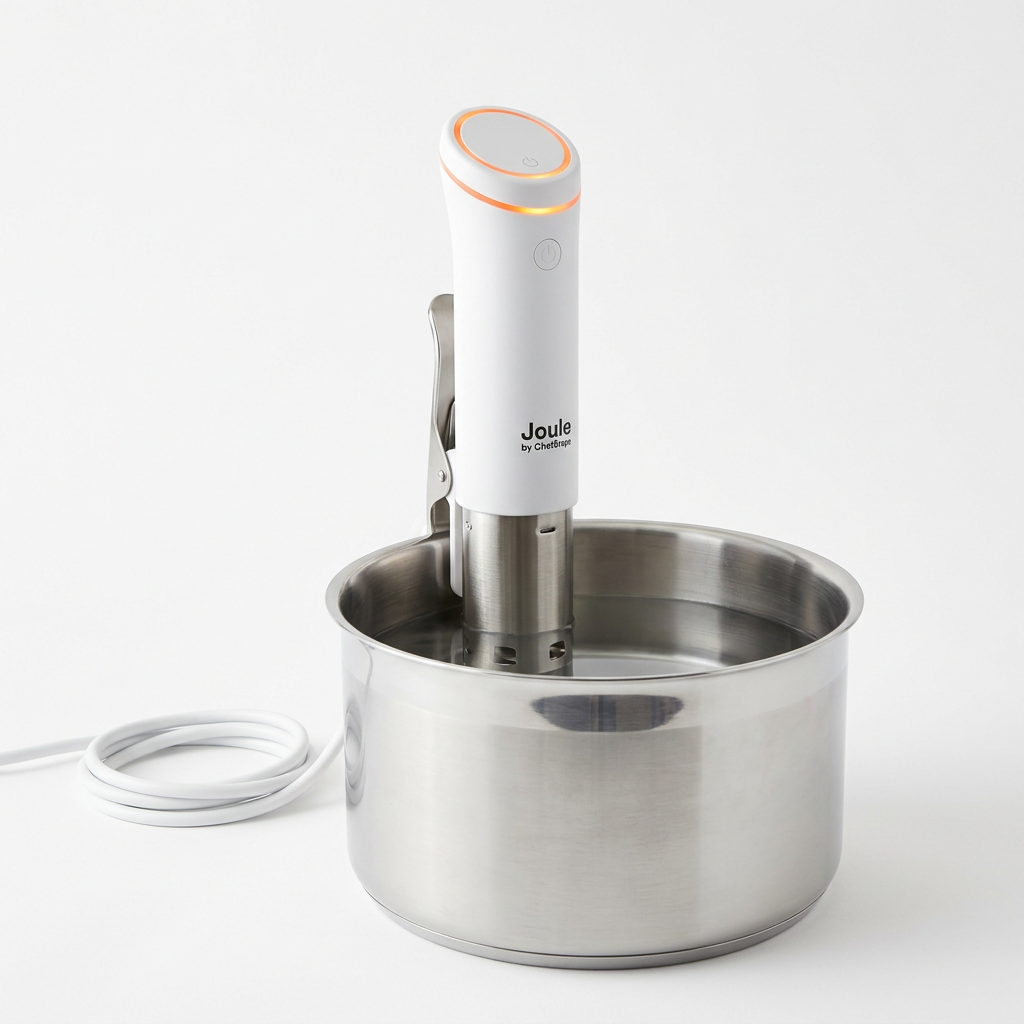
The most crucial piece of equipment for sous vide cooking is the immersion circulator. This device heats the water and circulates it around the food, keeping it at the precise temperature you set. Popular brands like Anova and Joule are designed with user-friendly interfaces and Bluetooth or Wi-Fi capabilities, allowing you to control them via a smartphone app.
Vacuum Sealer
While you can achieve sous vide results using zipper bags or the water displacement method, a vacuum sealer is recommended for best results. A good vacuum sealer removes air from the bags, ensuring even cooking and preventing water from seeping in. FoodSaver is a popular brand that offers affordable and efficient vacuum sealing options.
Containers
Choosing the right container for your water bath is essential. A large stockpot or a dedicated sous vide container works best. Make sure your container is deep enough to completely submerge the food without spilling out. If you’re cooking for longer durations, consider using a container with a lid to minimize water evaporation.
Sous Vide Bags
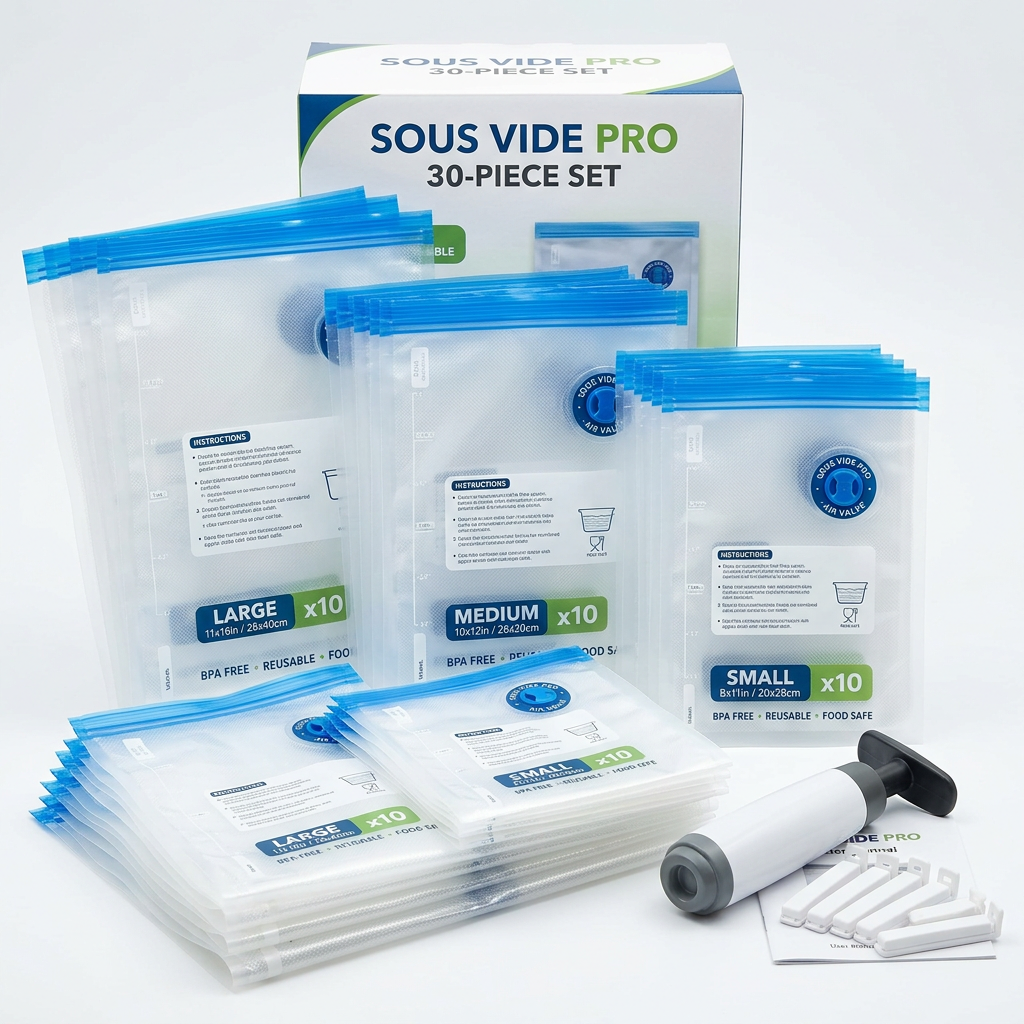
While you can use regular resealable bags for sous vide cooking, it’s best to invest in dedicated sous vide bags or re-usable silicone bags. They are designed to withstand high heat while ensuring optimal sealing.
Preparing Your Meat
Before you delve into the sous vide process, understanding how to properly prepare your meat is crucial. Preparation sets the stage for achieving the best flavors and textures in your dish.
Choosing the Right Cuts
Not all cuts of meat are created equal when it comes to sous vide cooking. Some cuts lend themselves more readily to this technique. Here is a quick guide to help you choose:
Seasoning and Marinating
Proper seasoning is essential in elevating the flavor profiles of your dish. Before vacuum sealing your meat, consider marinating or dry brining it. Here are some techniques to enhance flavor:
Vacuum Sealing Process
Once you've seasoned and prepared your meat, it’s time to vacuum seal. Here’s a step-by-step guide:
Cooking Techniques
Now that you've learned how to prepare your meat, it's time to delve into the various cooking techniques that can optimize your sous vide experience.
Basic Sous Vide Cooking
To start your sous vide journey, here’s a straightforward cooking guide:
"Consistent sous vide cooking is not just about precision; it's about unleashing the flavors hidden in your ingredients."
Advanced Techniques
While the basic method is straightforward, various advanced techniques can elevate your sous vide game:
#### Reverse Searing
This technique involves sous vide cooking the meat before finishing with a sear, resulting in that ideal crust without overcooking the interior. Here’s how to reverse sear:
#### Creating a Flavor Infusion
Utilizing flavor-infused oils or broths during cooking can dramatically enhance flavor. Here’s how:
Common Mistakes to Avoid
Experimenting with Sous Vide
Sous vide isn’t just limited to proteins; it presents endless opportunities to experiment with a variety of ingredients. Vegetables, eggs, and even desserts can be tackled using this technique.
Sous Vide Vegetables
Cooking vegetables sous vide preserves their nutrients, retains vibrant colors, and enhances flavors. Here’s how to sous vide common vegetables:
Sous Vide Eggs
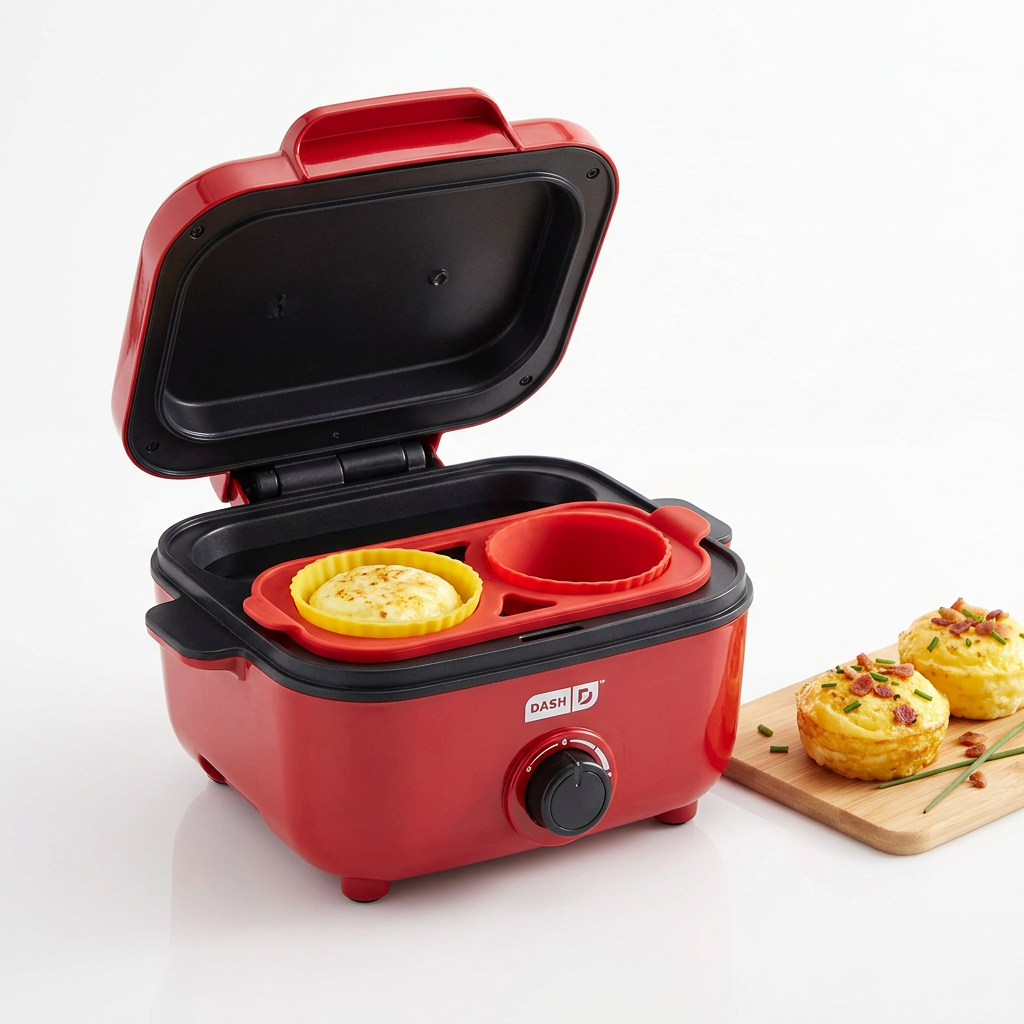
Eggs can be an extraordinary canvas for sous vide cooking. Here’s how to achieve the perfect sous vide egg:
Sous Vide Desserts
Don’t shy away from turning to sous vide for dessert preparation. Custards, puddings, and even cheesecakes can be effectively made this way.
Conclusion
Sous vide cooking offers a level of culinary precision that is nothing short of transformative. It's a method that allows you to elevate the quality of your meals while simplifying the cooking process. By mastering the necessary techniques, equipment, and preparation methods, you'll be well on your way to achieving perfectly tender and flavorful meals that will impress your friends and family.
With an array of meats, vegetables, and even desserts at your fingertips, the possibilities for sous vide cooking are nearly limitless. So, step into this world of precision and flavor, and start experimenting with the incredible results that sous vide can bring to your kitchen.
"In the world of sous vide, perfection is no longer a fleeting dream; it's a tangible reality waiting to be cooked."
Get the Next Recipe
Weekly recipes, techniques, and gear picks — straight to your inbox.
