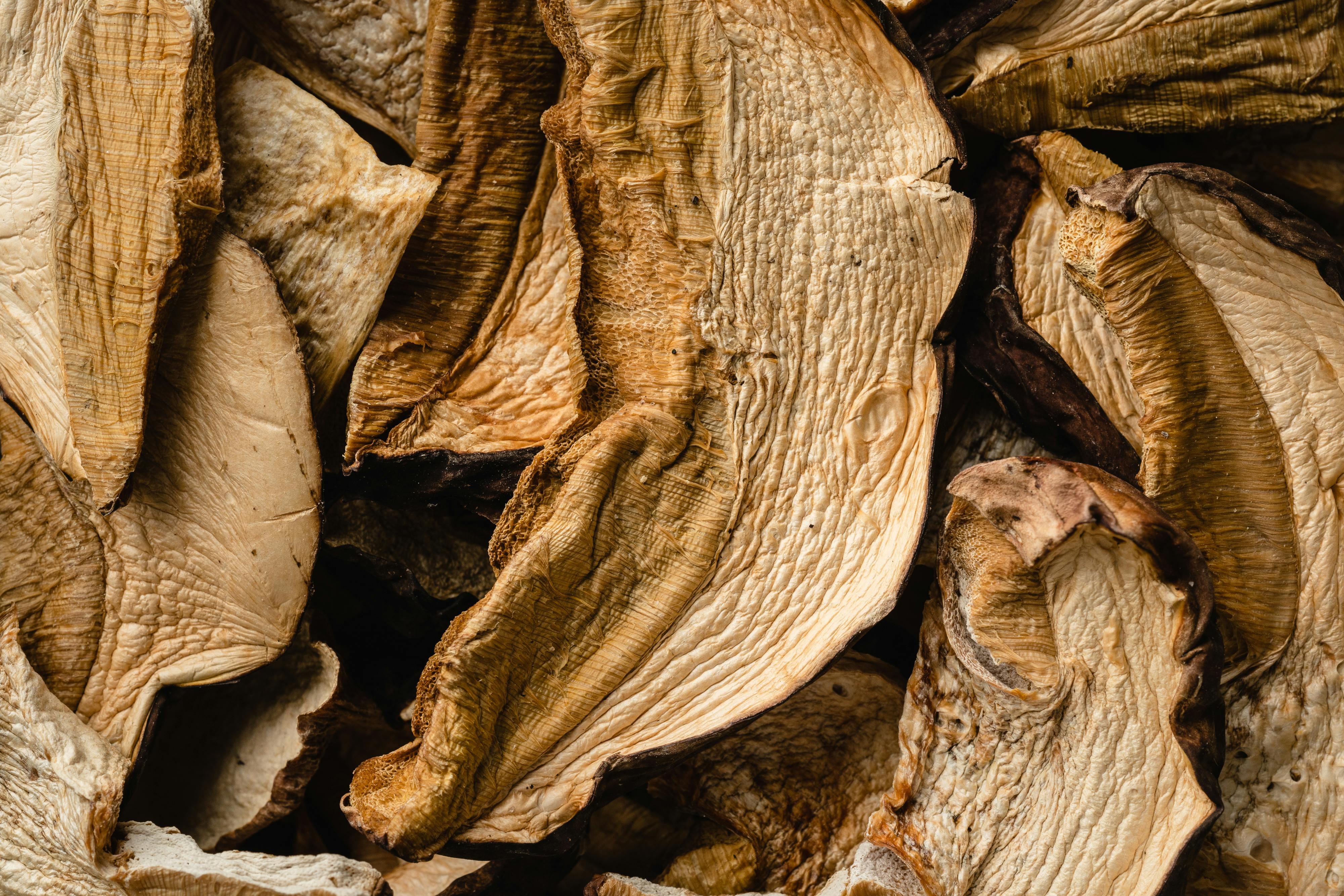
The Umami Pantry Part 2: Building Layers
In the vibrant world of cooking, umami stands out as the flavor that captures the deepest essence of what food can be. This complex taste component, described as savory and rich, is our secret weapon in the kitchen that transforms ordinary dishes into culinary masterpieces. In Part 1, we explored some foundational umami-rich ingredients and how they create that irresistible depth of flavor. In this sequel, we will delve deeper into building layers of umami, revealing the techniques and ingredient combinations that can push your cooking from simple to sublime.
Imagine a dish where every bite unfolds with unexpected complexity, where the individual ingredients harmonize to create a melody of flavors that dances on your palate. That's the magic of layering umami effectively. By understanding how to combine various umami sources, you can elevate your home cooking and develop dishes that resonate with rich and satisfying flavors. In this blog post, we will guide you through the essential ingredients, techniques, and recipes you can use to master the art of umami.
Throughout this journey, we will not only dissect the fundamental ingredients that embody umami but also guide you through the artful process of combining these elements. From sauces to broths and from seasonings to garnishes, your pantry will be the stage for this epic flavor performance. Whether you’re simmering a sauce or preparing a quick weeknight meal, the principles of building umami layers will serve you well in any culinary endeavor.
Understanding Umami
Umami, the Japanese word that translates to "pleasant savory taste," was first identified as a distinct flavor in 1908 by professor Kikunae Ikeda. The flavor is primarily attributed to the presence of glutamate, a naturally occurring amino acid found in many ingredients, particularly those that undergo fermentation or cooking processes. Other compounds, such as inosinate and guanylate, also contribute to umami, particularly in meat and mushroom sources respectively. Understanding these foundational components not only enhances your cooking but also expands your culinary vocabulary.
The Science Behind Umami
To grasp the essence of umami and how to build it within your dishes, it’s beneficial to unearth the science of this tantalizing flavor. Our taste receptors have specific mechanisms which recognize umami signals primarily through the presence of certain amino acids. The most prominent among these is monosodium glutamate (MSG), which is often associated with umami's savory profile. Foods rich in umami naturally stimulate these receptors, enhancing the overall flavor when they're combined thoughtfully.
Moreover, umami often emerges through a perfect balance of fermentation, cooking, and combination. Consider a slow-cooked tomato sauce; the heat catalyzes the breakdown of the tomatoes' natural compounds, while the aging of the cheese you may include adds complexity. This synergy between different ingredients makes layering umami both an art and a science, requiring both knowledge and instinct.
The Role of Fermentation
Fermentation is one of the key processes that unlocks umami in many ingredients. As bacteria or yeast break down the sugars in food, amino acids and flavorful compounds are released. Foods like shoyu (Japanese soy sauce), miso, and kimchi are rich sources of umami thanks to this microbial magic. Here’s what to remember when it comes to fermentation and umami:
Utilizing these fermented ingredients can create robust layers of flavor while also introducing beneficial probiotics into your diet.
Building Your Umami Pantry
Creating a well-stocked umami pantry is essential for any aspiring cook aiming to elevate their meals. The following sections will break down crucial ingredients, guiding you on which items to incorporate into your cooking routine.
Essential Ingredients
#### Building Your Inventory
Begin with acquiring at least one form of each of these ingredients. Consider buying them in bulk or multi-packs to save money and ensure you always have them on hand. Store them properly: keep soy sauce and miso refrigerated after opening, and dried mushrooms in a cool, dry place.
"Your pantry is your toolkit. The right ingredients at your disposal empower you to create delicious layers of flavor."
Perfect Pairings
Umami ingredients don’t stand alone; they shine when paired appropriately. Here are some great pairings to consider:
Experiment with these combinations in your cooking! By understanding how these ingredients work together, you can tailor your seasoning profile to enhance the umami aspect of your dishes.
Techniques for Layering Umami
Mastering the layering of umami requires a delicate balance of cooking techniques and timing. The following methods will help you harness the power of umami in your meals.
Layering Techniques
- Tip: Use low heat to avoid scorching; sweat the aromatics for about 5-7 minutes until tender and fragrant.
- Step by Step:
1. After sautéing, add a splash of deglazing liquid to the hot pan.
2. Scrape up the brown bits with a wooden spoon.
3. Allow the liquid to reduce slightly before continuing with your sauce.
- Tip: Keep your heat low, simmering at around 200°F (93°C) for several hours to develop rich flavors.
- How to: Toss your selected vegetables with oil, salt, and any herbs or spices, then roast in an oven preheated to 425°F (220°C) for 30-40 minutes until caramelized and tender.
- Example: Incorporate flaky sea salt at the end for texture while using ingredients like soy sauce in the cooking process for a rounder flavor.
"Cooking is an art, but mastering umami requires precision and an understanding of flavors and their transformations."
Creating an Umami Bomb
For an impressive dish bursting with umami, consider preparing an "umami bomb.” This refers to dishes purposely overloaded with umami ingredients.
- Start with a base of sautéed onions and garlic.
- Add tomato paste, a splash of soy sauce, and a dollop of miso.
- Incorporate dried mushrooms soaked in the dish’s liquid.
- Finish with grated Parmesan or a sprinkle of nutritional yeast.
This concentration of umami will ensure every bite is enveloped in this deep savory flavor. Cook these ingredients together over medium heat until they meld, which typically takes 10-15 minutes.
Recipes that Showcase Umami Layers
Now it’s time to put your new knowledge into action! Below are a few recipes that highlight the rich, layered umami flavors we’ve discussed.
Mushroom and Miso Risotto
Creamy risotto is a comforting dish that beautifully showcases umami.
#### Ingredients:
#### Instructions:
This dish is a testimony to umami layering, layered with flavors from the mushrooms, miso, and cheese that create a complex and fulfilling taste experience.
Savory Roasted Tomato and Basil Pasta
A quick but impressive dish that shines with the umami of roasted tomatoes.
#### Ingredients:
#### Instructions:
This dish is a vibrant celebration of umami, with the sweet roasted tomatoes and savory garlic offering a comforting yet sophisticated flavor.
Conclusion
Mastering umami is all about understanding flavors, enhancing them, and not shying away from experimenting. As you build your umami pantry and learn to layer these rich flavors through various cooking techniques, you'll find your dishes becoming more complex and satisfying. From savory sauces to comforting pastas and everything in between, umami is your culinary ally.
As you embark on your umami journey, remember that cooking is both an art and a science, and the joy comes from exploring and discovering new flavor combinations. Be bold, be playful, and as you layer umami into your meals, don’t forget to enjoy this delicious adventure!
Get the Next Recipe
Weekly recipes, techniques, and gear picks — straight to your inbox.
