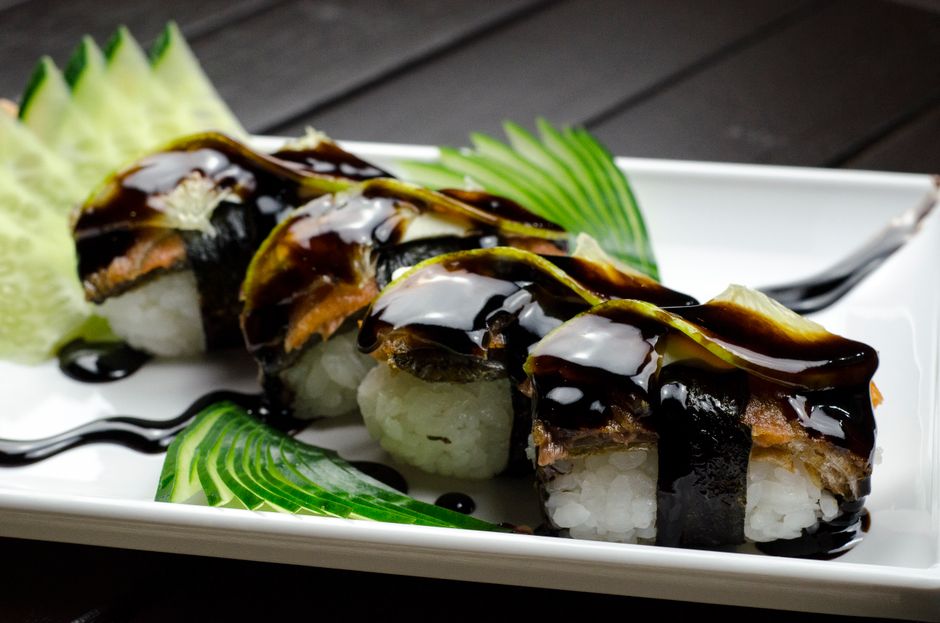
The Umami Universe: How Seafood Becomes Addictively Delicious
Seafood has long held a revered place in culinary tradition across cultures, yet it’s only recently that the scientific underpinnings of its allure have garnered attention. The umami flavor, scientifically recognized as the fifth taste alongside sweet, sour, bitter, and salty, plays a vital role in transforming ordinary seafood dishes into exquisite feasts. This savory taste, prevalent in many sea creatures, not only deepens flavors but also enhances the overall dining experience when used correctly. Understanding this unique taste will lead home cooks to elevate their seafood preparation techniques, resulting in dishes that are not just delicious, but often downright addicting.
In this exploration of umami's role in seafood, we will journey through the various seafood varieties, their umami levels, and the techniques that extract and accentuate these flavors. Each seafood type brings its own unique characteristics that, when prepared with precision and creativity, can create a vibrant, symphonic experience on the palate. By tweaking cooking methods and marrying ingredients thoughtfully, you can unlock layers of flavor that entice every sense. This guide aims not only to present recipes but also to empower you with knowledge—the art and science of building flavor will transform the way you approach cooking seafood.
The ultimate goal is to demystify seafood and make its preparation accessible to every home cook. Whether you're a novice venturing into the world of ingredients from the sea or a seasoned chef looking to refine your skills, this post will provide techniques, tips, and insights aimed at unlocking the full potential of seafood in your kitchen. Join me as we embark on a flavorful journey into the umami universe, where each dish tells a story through its rich flavors, and where you can confidently claim, "I can make amazing seafood!"
The Essence of Umami: A Deep Dive into Flavor
Umami, a term originally derived from Japanese, translates literally to “pleasant savory taste.” Discovered in the early 20th century by Dr. Kikunae Ikeda, umami arises from compounds such as glutamate, inosinate, and guanylate, which naturally occur in various foods, including seafood. Understanding how these compounds work can equip you with powerful tools to elevate your culinary creations.
The Science Behind Umami
At its core, umami enhances the natural flavors present in ingredients, creating a satisfying depth and, when combined with fat, often leads to an addictively delicious experience. Seafood, particularly, boasts rich umami profiles due to its high protein content and the presence of these key compounds. Fish such as tuna, mackerel, and shellfish like oysters are particularly rich sources.
Identifying Umami-Rich Seafood
When selecting seafood for umami-rich dishes, consider these top choices:
When shopping for seafood, aim for freshness, as older fish can lose essential flavors and nutrients that contribute to umami. Purchase from reputable sources and consider visiting your local fishmonger, where you can obtain fresh ingredients and tailored advice on selections.
Techniques to Enhance Umami in Seafood
To create umami-laden seafood dishes, mastering specific techniques can make a significant difference in flavor profile. Let’s explore some essential cooking methods that help draw out and enhance these savory doses.
Grilling: A Flavorful Transformation
Grilling seafood introduces delicate char, creating a caramelized crust that yields incredibly rich flavors.
#### Perfectly Grilled Tuna Steak
- Fresh tuna steaks
- 1/4 cup soy sauce
- 2 tablespoons sesame oil
- 1 tablespoon minced garlic
- 1 tablespoon minced ginger
- Combine the soy sauce, sesame oil, garlic, and ginger in a shallow dish.
- Place tuna steaks in the marinade and let them soak for 30-60 minutes.
- Preheat the grill to 400°F.
- Grill for about 3-4 minutes on each side for rare, adjusting time based on your preference.
This method celebrates the fresh umami flavors of the tuna while adding depth through the marinade, making the dish irresistible.
Searing: A Flavor-Infusing Technique
Searing is another fantastic technique to enhance the umami in seafood. This method utilizes high heat to create a crust that locks in moisture and flavor.
1. Ensure the pan is extremely hot before adding seafood.
2. Use a high smoke point oil, such as grapeseed or avocado oil.
3. Do not overcrowd the pan—work in batches if necessary.
4. Avoid flipping too early; let the seafood develop a crust.
5. Finish cooking the seafood in the pan, adding butter and herbs towards the end for added richness.
#### Example: Seared Scallops
- Fresh scallops
- Salt and pepper
- Grapeseed oil or clarified butter
- Fresh herbs (such as parsley or thyme)
- Season the scallops lightly with salt and pepper.
- Heat oil in a skillet over medium-high heat until shimmering.
- Add scallops without overcrowding, and cook for 2-3 minutes on one side until a golden crust forms.
- Flip and add butter and herbs; cook an additional 1-2 minutes until opaque.
This method not only produces addictive scallops but also leaves behind delicious browned bits in the pan that can be incorporated into sauces, deepening the umami experience.
Pairing Ingredients for Maximum Umami
While seafood already brims with umami, pairing it with complementary ingredients can further intensify flavor and create a well-balanced dish. Let's explore which types of ingredients enhance the umami experience and how to thoughtfully pair them.
Ingredients that Amplify Umami
Creative Pairing Suggestions
By thoughtfully combining these ingredients with seafood, you'll create dishes layered with flavors that keep diners reaching for more.
The Role of Acidity in Seafood Dishes
While umami is essential, the role of acidity cannot be overlooked. The balance of these two elements elevates seafood dishes to new heights. Acidity brightens flavors and can cut through richness, making it a key component in crafting well-rounded meals.
Understanding Acidity
In culinary terms, acidity refers to the tart or sour taste contributed by certain ingredients, which can enhance the richness of seafood. Common sources of acidity include:
Adding Acidity with Intent
When using acidic components, consider how to skillfully integrate them to enhance your seafood dish without overwhelming it:
#### Example: Citrus-Glazed Grilled Mackerel
- Fresh mackerel fillets
- Zest and juice of 1 lemon
- Zest and juice of 1 orange
- 2 tablespoons soy sauce
- 1 tablespoon olive oil
- Combine all ingredients in a bowl, adjusting based on taste preferences.
- Marinate mackerel for 30-60 minutes before grilling.
- Grill as instructed above, taking care to brush with remaining marinade as they cook.
- Serve with additional fresh citrus squeezed over the top for an uplifting zing.
This dish showcases how acidity can briskly complement umami, making for a well-rounded and unforgettable meal.
Cooking and Serving: The Importance of Temperature and Timing
Proper cooking times and temperatures play a crucial role in achieving the best results with seafood, especially when cooking techniques can affect umami extraction.
Ideal Cooking Temperatures
Different types of seafood have unique ideal cooking temperatures to bring out their best flavors and textures:
Timing Your Cooking
The timing of seafood dishes is vital for maintaining succulent textures. General cooking times include:
#### Best Practices for Serving
Final Thoughts
Embarking on a culinary adventure with seafood not only opens the door to extraordinary flavors, but also a world rich in potential for experimentation and creativity. Understanding umami’s importance, mastering cooking techniques, and learning to balance flavors with acidity can all significantly impact how seafood dishes are prepared and enjoyed. From expertly grilling mackerel to crafting an exquisite citrus-glazed salmon, the possibilities are endless.
By embracing the art of maximizing umami and respecting the delicate nature of seafood, you can turn any meal into a truly memorable experience. Remember, the true essence of cooking is not just about following recipes; it's about creativity, balance, and exploration. So roll up your sleeves, gather the ingredients, and dive into the umami universe of seafood. Your palate is sure to thank you!


Get the Next Recipe
Weekly recipes, techniques, and gear picks — straight to your inbox.
