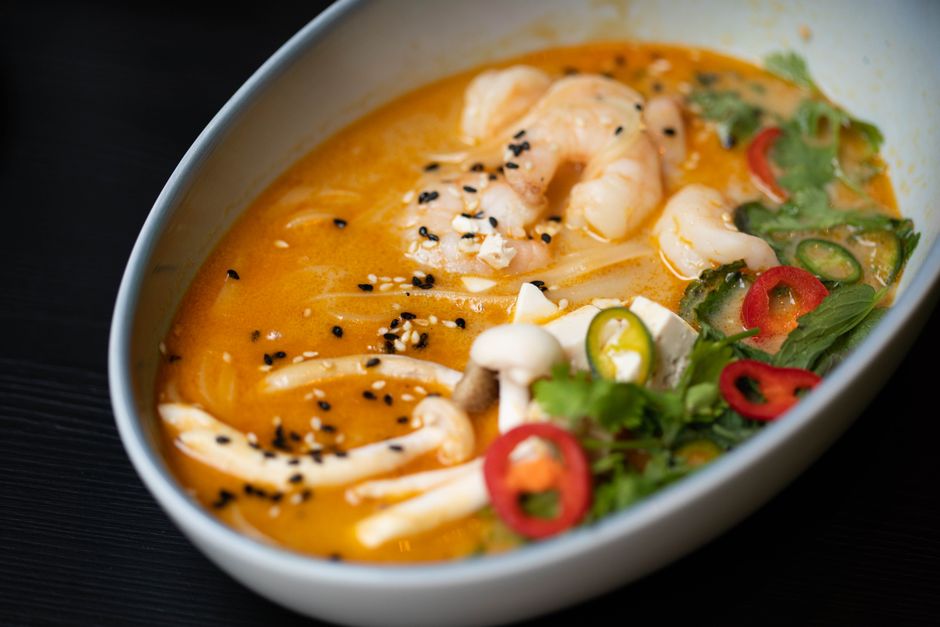
The World of Miso: More Than Soup
The world of miso is rich and complex, transcending its traditional use as a soup base to emerge as a multifaceted ingredient that can elevate a variety of dishes. Originating from ancient China and deeply rooted in Japanese cuisine, miso is a fermented condiment made primarily from soybeans, salt, and koji, the mold responsible for fermentation. This ancient ingredient possesses a unique combination of flavors—nutty, salty, and umami—that can enhance the taste of everything from dressings to marinades, stews, and even desserts. As home cooks continue to explore global cuisines, miso stands out as an essential ingredient that can add depth and complexity to their culinary repertoire.
Each type of miso varies greatly depending on its ingredients, fermentation time, and regional nuances. The most common types include white miso (Shiro miso), red miso (Aka miso), and mixed miso (Awase miso). White miso tends to be sweeter and milder, mainly used in sauces and dressings. Red miso, on the other hand, is fermented for a longer period, resulting in a stronger, saltier flavor that pairs well with heartier dishes. Mixed miso is a blend of the two, providing versatility in flavor. Understanding the different types of miso can significantly impact taste profiles in dishes, allowing cooks to tailor recipes according to their preferences.
The nutritional benefits of miso are another compelling reason to incorporate it into your cooking routine. Miso is a source of beneficial bacteria due to the fermentation process, which can support gut health. It also contains essential amino acids, vitamins, and minerals that contribute to a balanced diet. However, it’s important to note that miso is relatively high in sodium, so moderation is key. In this blog post, we will delve into the incredible versatility of miso by exploring its different types, culinary applications, and how to seamlessly incorporate this unique ingredient into your home cooking.
Understanding Miso: Types and Flavor Profiles
The Basics of Miso
Miso is created through the fermentation of soybeans, which involves cooking the soybeans and then mixing them with koji (a mold cultivated on grains) and salt. The mixture is then left to ferment in tanks, where it develops its distinct flavor and characteristics. While there are many variations of miso, the most commonly referred to types are white, red, and mixed miso.
Lesser-Known Varieties of Miso
Beyond the mainstream types, miso can also come in other varieties per regional production methods and specific ingredients. Some of these include:
Understanding these varieties lets cooks play with flavor nuances, ensuring they achieve the desired outcome in their dishes.
“Miso is not just a soup base; it’s a gateway into umami heaven. Once you understand its flavor profile, the culinary possibilities are endless.”
Culinary Applications of Miso
Beyond Soup: Misos’ Role in Savory Dishes
While many people initially think of miso in the context of classic miso soup, its application in savory dishes is truly where it shines. Miso adds depth and a complex umami flavor, perfect for enhancing marinades, sauces, and even roasted vegetables.
- Ingredients:
- 2 tablespoons miso (white or red, depending on your flavor preference)
- 2 tablespoons sesame oil
- 1 tablespoon rice vinegar or apple cider vinegar
- 1 teaspoon honey or maple syrup (for sweetness)
- 1 tablespoon soy sauce
- Instructions:
1. In a bowl, whisk together the miso, sesame oil, vinegar, honey, and soy sauce until smooth.
2. Pour the marinade over your choice of protein or veggies and let it marinate for at least 30 minutes (up to 24 hours for meats).
- Sauté aromatics like onions, garlic, or ginger in a pot.
- Add your choice of vegetables (carrots, potatoes, mushrooms) and any protein (tofu, chicken, or beef).
- Pour in vegetable or chicken broth and bring to a simmer.
- Before serving, dissolve miso in a small amount of warm broth and stir it back into the stew for a boost of flavor.
Miso in Baking: Unlikely but Delicious
Incorporating miso into baked goods may seem surprising, but it can add a unique depth to desserts. The sweetness of white miso is perfect for balancing rich flavors in cookies, cakes, and even donuts.
- Ingredients:
- 1 cup sugar
- 1/4 cup water
- 1/4 cup heavy cream
- 2 tablespoons white miso
- Instructions:
1. In a saucepan, combine sugar and water. Cook on medium heat until the sugar dissolves and the mixture turns an amber color.
2. Remove from heat and carefully pour in heavy cream—be cautious, as it will bubble up.
3. Stir in the miso until well combined, then cool and store in the refrigerator.
- Ingredients:
- 1 cup unsalted butter, softened
- 1 cup brown sugar
- 1/2 cup granulated sugar
- 1/2 cup white miso
- 2 large eggs
- 2 teaspoons vanilla extract
- 2 1/4 cups all-purpose flour
- 1 teaspoon baking soda
- 1/2 teaspoon salt
- 2 cups chocolate chips
- Instructions:
1. Preheat the oven to 350°F (175°C).
2. In a mixing bowl, cream together the butter, both sugars, and miso until fluffy.
3. Add eggs and vanilla, mixing until well blended.
4. In a separate bowl, whisk together the flour, baking soda, and salt. Gradually add this mixture to the wet ingredients.
5. Fold in the chocolate chips and spoon the dough onto cookie sheets.
6. Bake for 10-12 minutes or until golden, then let cool on wire racks.
Miso in Global Cuisine
Miso's popularity is not just confined to Japanese cuisine; it has found its way into global dishes thanks to its unique flavor profile. Chefs around the world appreciate its ability to elevate traditional and modern recipes alike.
“In a world of flavors, miso is an unsung hero—a silent but powerful force that can elevate the simplicity of any dish.”
Health Benefits of Miso
Nutritional Profile of Miso
Miso is not just a flavor enhancer; it’s also packed with essential nutrients. A typical serving can include:
Understanding Sodium Content and Its Role
While miso is rich in flavor and nutrients, it’s also important to be cautious about its sodium content. A single tablespoon of miso can contain anywhere from 600 to 800 mg of sodium. As such, here are some tips to manage sodium intake while enjoying this ingredient:
The Role of Miso in a Balanced Diet
Incorporating miso into a balanced diet can be beneficial but should be done with moderation. When used wisely, miso can not only boost flavor but can also enhance the health benefits of meals. It pairs beautifully with vegetables, grains, and protein, allowing home cooks to create nutritious, well-rounded dishes.
Mastering Miso: Tips and Tricks for Home Cooks
Choosing the Right Miso for Your Dish
When selecting miso, consider the flavor profile you aim to achieve in your final dish. Remember the characteristics of the different types of miso discussed previously, and consider the following:
Proper Storage of Miso
Storing miso correctly can help maintain its flavor and beneficial properties:
Cooking Techniques for Miso
When using miso in cooking, consider the following techniques to preserve its flavor and probiotics:
Experimenting with Miso in New Recipes
Don’t be afraid to think outside the box with miso! Here are a few suggestions to get creative:
Conclusion
The versatility of miso is astonishing, with its ability to enhance both traditional and innovative dishes. By understanding its various types, culinary applications, and health benefits, home cooks can readily integrate this ingredient into their cooking, transforming ordinary meals into extraordinary experiences. The rich umami flavor of miso is not just confined to the bowl of soup; it expands into uncharted territories across cuisines, inviting creativity and exploration.
As you embark on your culinary journey with miso, remember to seek balance, experiment with flavors, and savor the transformation it brings to your dishes. Whether adding richness to a sauce, crafting innovative desserts, or creating wholesome meals, miso is a robust ingredient waiting to be uncovered in your kitchen. Start with small amounts, match it to the right ingredients, and you’ll find that this ancient condiment has a place in your modern cooking landscape. As the culinary world continues to innovate, miso will undoubtedly remain a staple in kitchens around the globe, bridging traditional techniques with contemporary flair.
With miso in your pantry, the possibilities are truly endless, and the flavors await you. Let miso be your guide as you navigate the delicious pathways of cooking and explore new realms of taste and nutrition.


Get the Next Recipe
Weekly recipes, techniques, and gear picks — straight to your inbox.
