
The World of Olive Oil: Understanding Varietals, Grades, and the Best Uses for Each
The golden nectar of the Mediterranean has traveled a long, storied road from ancient groves to the modern pantry, yet it remains one of the most misunderstood ingredients in the home kitchen. For many, olive oil is simply a generic lubricant for a hot pan, a mindless choice made in the grocery aisle based solely on price point or bottle aesthetics. However, true culinary elevation begins when you treat this liquid gold not as a commodity, but as a defining ingredient that can elevate a simple dish into a symphony of flavor. Understanding the nuances of harvest, pressing, and varietal integrity is the difference between a kitchen that functions and a kitchen that inspires. It is time to demystify the label and reclaim your culinary prowess by mastering the oil that built civilizations.
When we talk about olive oil, we are essentially discussing the fresh-pressed juice of a fruit, which means it is far more delicate than the shelf-stable cooking fats many of us grew up with. Light, heat, and oxygen are the arch-enemies of quality oil, acting as catalysts that degrade flavor profiles and health-promoting polyphenols at an alarming rate. As a chef, I have seen far too many beautiful, high-quality extra virgin oils wasted by being stored next to a hot oven or left in a clear bottle on a sunny countertop. By shifting your habits regarding storage and selection, you instantly become a more conscious cook, capable of discerning the vibrant, peppery finish of a high-phenolic oil from the flat, oxidized disappointment of an old, poorly handled bottle.
This guide is designed to act as your culinary compass, steering you through the complex geography of olive groves, the technicalities of chemical grades, and the practical applications of various profiles in your daily cooking. Whether you are tempering spices for an Indian-inspired sauté, emulsifying a delicate vinaigrette, or finishing a rustic ribeye steak, there is an olive oil specifically suited to the task at hand. We will move beyond the marketing buzzwords to look at the chemistry of flavor, ensuring that every drop you pour adds value to your plate. Prepare to change how you approach your pantry, because once you taste the difference that intentional sourcing makes, you will never look at that grocery store aisle the same way again.
The Anatomy of an Olive Oil Label
Navigating the label of an olive oil bottle is often a frustrating exercise in deciphering marketing jargon, but there are specific markers that tell you everything you need to know about the product inside. The most important indicator is the Harvest Date, which is distinct from the "Best By" date. An olive oil is at its peak flavor within 12 to 18 months of harvest; after that, it begins to lose its vibrant aromatic complexity and antioxidant profile. Always look for a specific month and year printed on the label, as this tells you exactly how fresh the contents truly are.
Decoding the Grades
When shopping, prioritize bottles that list the cultivar—the specific variety of olive used. Just as wine drinkers look for Cabernet or Chardonnay, a cook should look for Coratina, Arbequina, or Picual. Knowing the origin of your olive is the first step toward mastering the balance of your dishes. A single-origin oil from a reputable producer will always outperform a generic "Product of the European Union" blend, which is often a mix of oils from various countries that have been sitting in steel tanks for months or even years before being bottled.
"A great olive oil is not just an ingredient; it is the final brushstroke on a masterpiece of home cooking. Do not hide it; highlight it."
Understanding the Flavor Profile: Bitter, Pungent, and Fruity
The sensory experience of olive oil is categorized by three primary pillars: fruitiness, bitterness, and pungency. Fruitiness relates to the smell and taste of the oil, which can range from green, grassy notes (unripe fruit) to soft, buttery, or floral notes (ripe fruit). Bitterness is a positive attribute in high-quality EVOO, representing the health-promoting polyphenols that give the oil its complexity. If you feel a slight tingling or a tickle in the back of your throat after tasting an oil, that is pungency—a sign of high levels of antioxidants and an indicator of a fresh, high-quality product.
The Role of Terroir and Harvest Timing
The flavor of the oil is heavily dictated by the timing of the harvest. Early-harvest olives are picked while still green, resulting in an oil that is high in polyphenols, deeply green in color, and intensely peppery or bitter. These oils are incredibly powerful and should be used as a finishing element rather than a cooking fat. Late-harvest olives, which are darker and more mature, produce a milder, golden-yellow oil with a buttery texture and subtle fruitiness, making them ideal for baking or delicate emulsions.
By matching the oil’s intensity to the strength of your ingredients, you ensure that neither component overpowers the other. A delicate fish needs a mild, buttery oil, while a robust grilled ribeye or a bowl of bitter kale can hold its own against a fiery, high-polyphenol Coratina oil. Understanding this balance is the hallmark of a chef who cooks with intent rather than by rote habit.
Storage Techniques to Preserve Quality
Once you have invested in a high-quality bottle of oil, your responsibility as a guardian of flavor begins. Olive oil is fundamentally unstable; it is an organic product that begins to oxidize the moment it meets light or air. To keep your oil tasting like it was just pressed, you must store it in a cool, dark environment. The pantry shelf is fine, provided it is far away from the stove, oven, or dishwasher, where heat cycles will quickly turn a premium oil rancid.
The Enemies of Freshness
If you purchase oil in large tins—which is often the most economical way to buy high-quality products—do not keep the tin on your counter. Instead, decant a small amount into a dark glass cruet for daily use and keep the bulk of the oil in a cool, dark pantry. A good rule of thumb is to decant only what you expect to use within two weeks. This simple workflow protects your investment and ensures that your final pour is as fresh as your first.
"The chemistry of cooking is unforgiving. If you treat your oil with the same respect you show your spices and proteins, the depth of your cooking will expand exponentially."
The Science of Sautéing and High-Heat Cooking
There is a pervasive myth in the culinary world that olive oil should never be used for high-heat cooking because it has a low smoke point. This is largely incorrect. While it is true that cold-pressed, unfiltered EVOO has a lower smoke point, standard extra virgin olive oil has a smoke point around 375°F to 400°F (190°C–205°C), which is perfectly adequate for most home-cooking applications like sautéing, searing, or roasting. The smoke point is simply the temperature at which the oil begins to break down and emit smoke, but the flavor compounds actually begin to degrade much sooner than that.
Maximizing Flavor in the Pan
When using oil for high-heat applications, use a mid-range EVOO rather than your most expensive, artisanal finishing oil. The intensity of an early-harvest oil will dissipate under heat, rendering its complex nuances lost. Instead, save your premium oils for finishing a dish where their raw flavor profile can shine. For frying or sautéing, focus on the structural integrity of the oil.
If you are cooking at temperatures exceeding 400°F (such as professional-grade searing), move toward a refined olive oil or a high-heat avocado oil. However, for 90% of home cooking, a quality EVOO is more than capable of handling the work. When you sear vegetables in quality oil, the fat actually helps to extract fat-soluble vitamins, making your dish not only more flavorful but also more nutritionally dense.
The Art of the Finish: Drizzling and Emulsifying
The most transformative use of high-quality olive oil is as a finishing ingredient. By adding a stream of robust, peppery oil to a finished plate, you introduce an aromatic top-note that ties the dish together. This technique is common in professional kitchens, where the final drizzle is considered the "chef's signature." It serves the same purpose as a pinch of fleur de sel or a squeeze of fresh lemon—it awakens the palate and provides a layer of complexity that cooking cannot replicate.
Techniques for Perfect Emulsions
An emulsion is simply the suspension of one liquid into another, like oil and vinegar. To achieve a stable, creamy dressing, follow these professional tips:
Using a high-quality, cold-pressed EVOO in your vinaigrettes makes a world of difference. Since there is no heat to dilute the flavor, you are tasting the raw, grassy, and floral notes of the olive variety directly. This is where you should pull out your prized, single-estate bottles. Pair a delicate Arbequina oil with a white balsamic vinaigrette for a crisp summer salad, or use a robust, grassy Picual oil to dress hearty roasted root vegetables or a bowl of creamy lentils.
Cooking with Olive Oil: Baking and Beyond
Most home cooks stick to butter or neutral vegetable oils for baking, but olive oil is an unsung hero in the pastry kitchen. When substituted for butter in recipes like citrus cakes, almond tortes, or even brownies, olive oil provides a moist, tender crumb that stays fresh longer than butter-based cakes. Because oil is liquid at room temperature, it maintains a superior texture in cakes that are meant to be refrigerated, making it the secret weapon of the professional baker.
Substitution Ratios for Success
Experimenting with olive oil in your baking is a sign of a cook who understands the versatility of their ingredients. Whether you are folding it into a focaccia dough to create a crisp, golden crust or using it in a dense dark chocolate torte to emphasize the earthiness of the cocoa, olive oil brings a sophistication to desserts that is hard to pin down but impossible to ignore.
"The true magic of the kitchen lies in the willingness to break from convention. Replace the butter in your next loaf cake with a high-quality oil, and you will understand why the Mediterranean diet is the gold standard for both health and flavor."
Troubleshooting Common Culinary Mistakes
Even experienced cooks occasionally run into trouble with olive oil. Perhaps the most common mistake is overheating the oil to the point of degradation, which gives food a burnt, acrid taste. If your oil begins to smoke rapidly and turns dark or develops a bitter, stinging aroma, it has been compromised. At this point, it is best to wipe the pan clean and start over. Recovering a dish that has been cooked in burnt oil is rarely successful, as the rancid notes will permeate the entire meal.
Identifying When to Discard
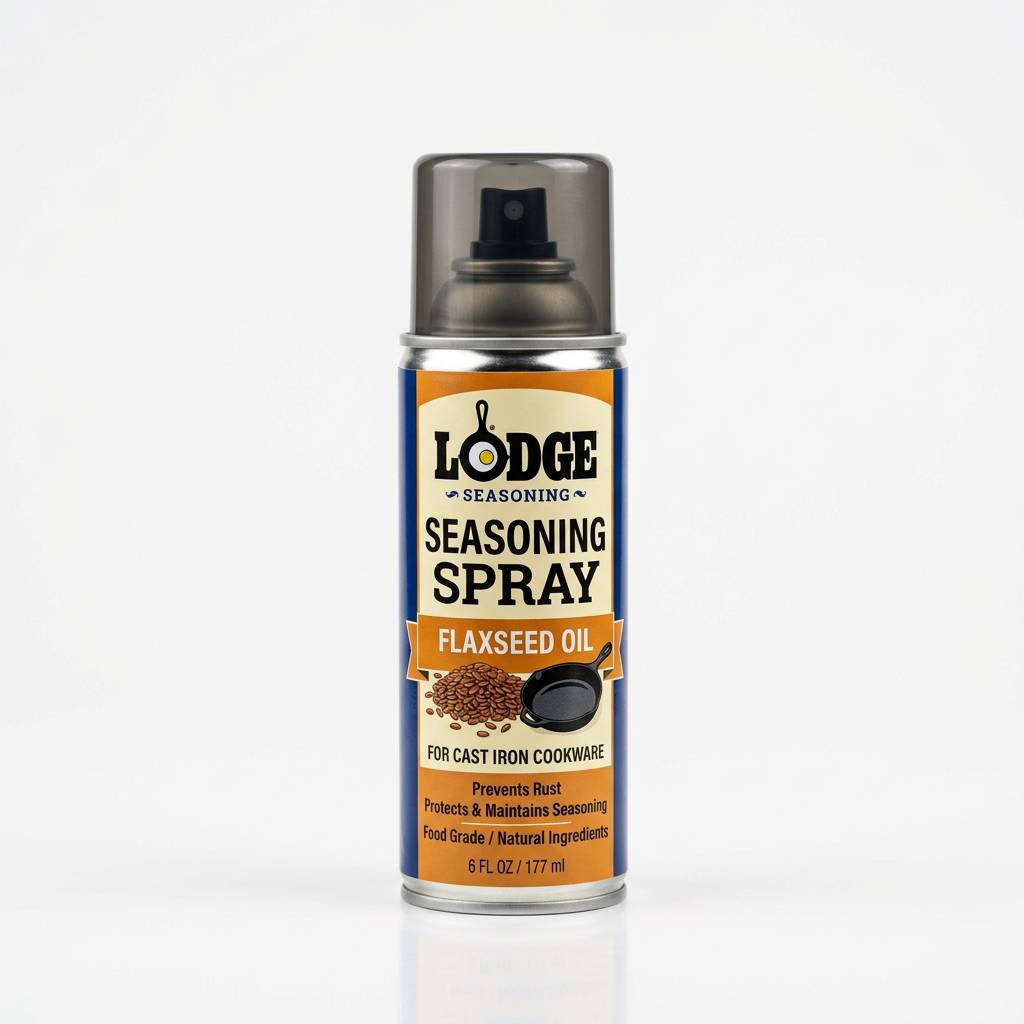
How do you know when your oil has finally reached the end of its life? Aside from the obvious rancidity (which smells like old crayons or cardboard), there is the "flat" test. If you take a spoonful of your oil and find it completely devoid of the characteristic fruitiness or pepperiness it once had, it has oxidized. While it may not necessarily be harmful in small amounts, it is certainly not adding any value to your food. Use this "past-its-prime" oil for seasoning cast-iron pans or for greasing baking sheets rather than as a primary flavor component.
Consistency in your kitchen starts with an organized inventory. Keep your oils rotated, using older bottles for daily sautéing and newer, premium bottles for dressings and finishing. By keeping a smaller selection of high-quality oils that you use frequently, you avoid the trap of having four half-empty bottles of expired oil sitting in the back of your cupboard for three years.
Conclusion
The journey toward mastery in the kitchen is paved with the details that others ignore. By learning to distinguish between the grades of olive oil, understanding how to pair the intensity of a cultivar with the flavors on your plate, and adopting rigorous storage habits, you have effectively turned one of the most common pantry staples into a precision culinary tool. Remember that the oil you use is a direct reflection of your commitment to the craft; quality ingredients yield quality results.
Do not be intimidated by the terminology or the sheer variety of oils on the market. Start by buying one bottle of high-quality, single-origin EVOO from a trusted producer, and taste it alongside a generic grocery store brand. You will find that the difference is not subtle—it is a revelation. Once you have made that connection, your kitchen will stop being a place of routine and start being a laboratory of flavor.
As you continue your culinary adventures, let curiosity be your guide. Try new regions, experiment with different harvest dates, and never be afraid to let a simple, high-quality olive oil be the star of the show. Whether it is drizzled over a vine-ripened tomato, swirled into a bowl of warm soup, or incorporated into a delicate cake, olive oil is the heartbeat of a truly vibrant, flavorful kitchen. Now, step up to your stove, grab a bottle, and start cooking with the respect your ingredients deserve. The results will speak for themselves on every plate you serve.
Final Thoughts
We have traversed the groves, navigated the labels, and mastered the temperatures required to elevate your home cooking through the humble yet majestic olive oil. Remember that the best culinary advice is to trust your palate above all else. Labels and regions provide a framework, but your tongue is the ultimate judge of what works in your specific kitchen context. If a particular oil makes you smile when you drizzle it over roasted carrots, that is the right oil for that dish.
Never settle for "good enough" when it comes to the building blocks of your meals. The extra time spent reading a label or moving your oil to a darker cabinet is an investment in every future meal you will prepare. This is the "Blame The Chef" philosophy: it is not about complicated gadgets or obscure techniques, but about mastering the foundational elements and treating them with care. By elevating your pantry, you are quite literally elevating your life. Continue to seek out the best, stay curious about the origins of your ingredients, and most importantly, never stop tasting. Your journey toward culinary excellence is just beginning, and there is an entire world of flavor waiting to be poured from that next bottle. Enjoy the process, and may your kitchen always be a place of joy, discovery, and absolutely delicious food.
Get the Next Recipe
Weekly recipes, techniques, and gear picks — straight to your inbox.
