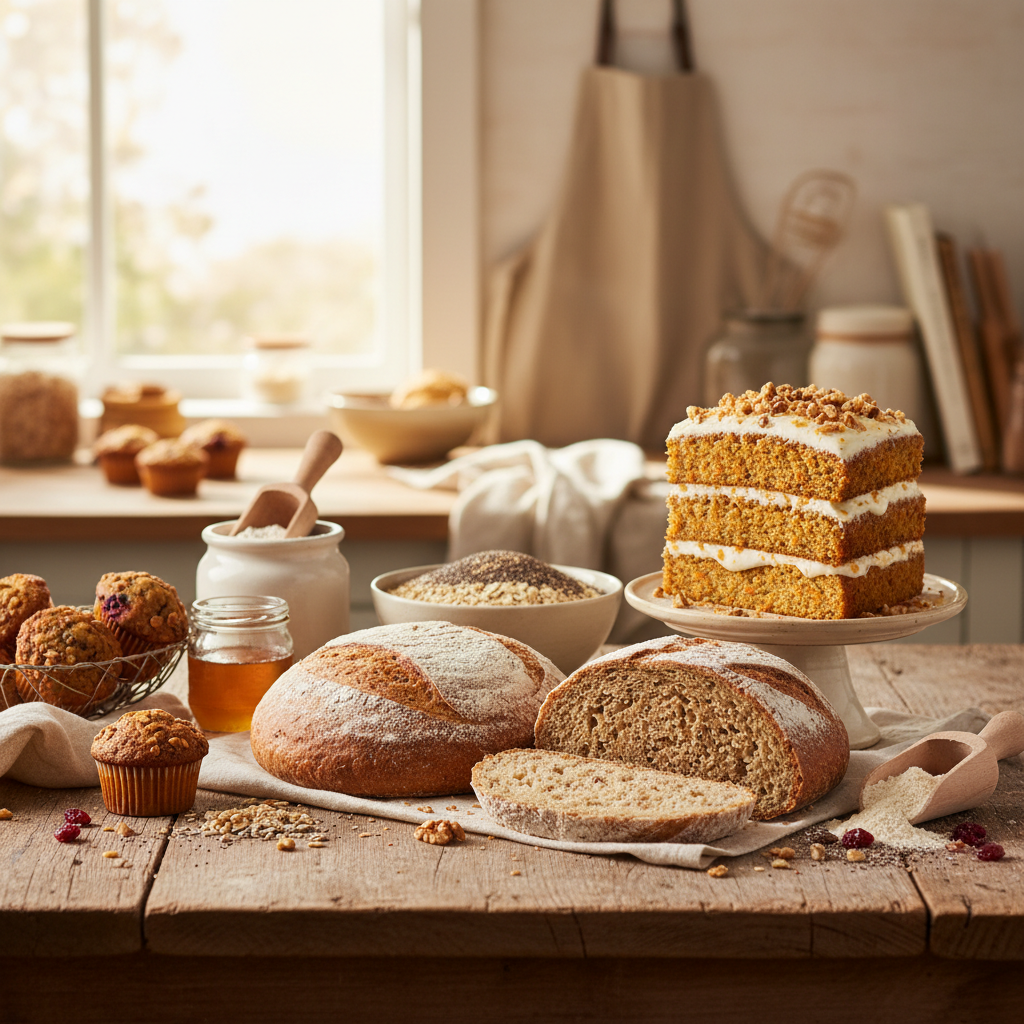
Baking is a profound alchemy, transforming simple ingredients into delicious creations that bring people together. The tantalizing aroma of freshly baked bread wafting through your kitchen is hard to resist, igniting memories and joy in people of all ages. As home bakers seek to elevate their culinary skills, one powerful trend has emerged: the use of whole grains. Incorporating whole grains into your baking can not only enhance flavors and textures but also boost the nutritional profile of your favorite bread and cake recipes.
Whole grains, unlike their refined counterparts, retain the bran, germ, and endosperm during processing. This means they are packed with essential nutrients, including fiber, vitamins, minerals, and antioxidants. Not only do they provide health benefits, but they can also introduce deeper, earthier flavors and more complex textures to your baked goods. Whether you are an amateur or a seasoned chef, embracing whole grains allows you to elevate your baking game.
Many home bakers shy away from whole grains, fearing they will yield dense or dry products. However, when used correctly, these grains can create stunning creations that are both light and flavorful. In this ultimate guide, we will explore how to confidently integrate whole grains into your baking repertoire, providing you with essential techniques, ratios, and recipes that highlight these nutritional powerhouses. Let's embark on this delightful journey to create baked goods that are not only mouthwatering but also nourishing.
Understanding Whole Grains
What Defines Whole Grains?
Understanding what constitutes whole grains is essential for successful baking. Whole grains are the unrefined seeds of cereal grains, which include wheat, oats, barley, quinoa, and brown rice. What sets them apart is that they retain all three essential parts of the grain:
1.Bran: The outer layer, which is rich in fiber, B vitamins, and minerals.
2.Germ: The nutrient-dense part that contains healthy fats, vitamins, and antioxidants. It is the source of new plant life when grains germinate.
3.Endosperm: The starchy middle layer, providing energy and carbohydrates but lacking some essential nutrients.
When you choose whole grains over refined ones, you inadvertently choose a more nutrient-dense option that can help maintain fullness longer, aiding in digestive health. However, it’s essential to select quality grains, ensuring they're fresh and stored correctly.
Types of Whole Grains for Baking
The variety of whole grains available today opens up a world of possibilities for home bakers. Here are some of the most popular whole grains you might consider using in your baking endeavors:
●Whole Wheat Flour: A staple in many kitchens, it's often the go-to choice for hearty breads and muffins. Whole wheat flour has a nutty flavor and a denser texture than its refined cousin.
●Spelt Flour: An ancient grain with a slightly sweet and nutty flavor, spelt is a wonderful alternative for lighter baked goods.
●Rye Flour: Ideal for rich, flavorful breads, rye flour can add a unique depth of flavor. It has a lower gluten content, so it’s often best combined with other flours.
●Oat Flour: Made from ground whole oats, oat flour lends a moist texture and slightly sweet taste to cookies and cakes. It works well in gluten-free recipes when blended with other flours.
●Barley Flour: This lesser-known flour adds a malt-like sweetness and is excellent for cookies and pancakes.
●Quinoa Flour: High in protein, quinoa flour is a fantastic gluten-free option that brings a unique flavor to baked goods.
●Brown Rice Flour: This is a versatile gluten-free flour that can be used alone or in combination with other whole grain flours for various baked goods.
Nutritional Benefits of Whole Grains
Incorporating whole grains into your baking not only adds pleasant flavors but also enhances the nutrition of your baked goods. Here are some notable benefits:
●High in Fiber: Whole grains help in promoting digestive health and maintaining steady energy levels throughout the day.
●Rich in Nutrients: They are excellent sources of proteins, antioxidants, and essential vitamins, which are often stripped during the refining process.
●Lower Glycemic Index: Whole grains generally have a lower glycemic index, aiding in better blood sugar control.
●Heart Health: A diet rich in whole grains has been linked to a reduced risk of heart disease and other chronic conditions.
●Weight Management: The combination of fiber and nutrients in whole grains can promote satiety, helping in weight management.
Embracing whole grains in your baking journey means not just creating delicious treats but contributing positively to your and your loved ones’ well-being.
How to Substitute Whole Grains in Baking
The Art of Substitution
One of the most significant challenges for bakers looking to incorporate whole grains is figuring out how to substitute them for refined flours in their favorite recipes. This process doesn’t have to be intimidating; instead, with some guidance, you can successfully tweak your recipes to include whole grains without sacrificing flavor or texture.
1.Start Small: If you're new to baking with whole grains, consider starting with a 50/50 blend of whole grain and all-purpose flour. This will allow you to taste the difference while retaining some of the familiar qualities you’re used to.
2.Adjust Liquid Ratios: Whole grain flours absorb more liquid than refined flours. You may need to increase the amount of water, milk, or other liquids in your recipe by about 1-2 tablespoons per cup of whole grain flour used.
3.Experiment with Leavening Agents: Whole grain dough can be denser, so consider adding an extra teaspoon of baking powder or baking soda. For yeast-based breads, ensure your dough is given adequate time to rise.
4.Consider Flavor and Color: When replacing white flour with whole grains, you may notice a stronger flavor and darker color. Select grains that complement the recipe's final taste.
5.Mind the Timing: Whole grain baked goods might need a slightly different baking time. Be attentive during baking; a toothpick should come out clean when done, but check a few minutes earlier than the original recipe indicates.
Where to Place Whole Grains
Different whole grains can dramatically affect a recipe’s final profile. Here’s a quick guide:
●Breads: Whole wheat or rye flours are excellent for yeast breads. Due to their gluten-producing qualities, they create a nice rise, while enhancing flavor.
●Cookies: Oat or spelt flour can be substituted for all-purpose flour, providing a chewy texture without making cookies overly dense.
●Cakes: For a lighter cake, try using a blend of all-purpose flour and oat or quinoa flour. Adjusting the liquid is crucial here to prevent dry cakes.
●Pancakes & Waffles: Combine whole wheat and oat flour for delicious, hearty breakfasts. Add mashed bananas or yogurt to keep them moist.
A Note on Gluten-Free Whole Grains
If you are baking for those who are gluten-sensitive or celiac, many whole grains offer gluten-free options:
●Almond Flour: Rich in healthy fats and protein, it works well in gluten-free baking.
●Coconut Flour: Highly absorbent; use it sparingly and adjust the liquid ratio.
●Brown Rice Flour: Great for creating crusts and batters, often mixed with other flours.
●Teff Flour: A tiny grain packed with nutrients, it's excellent for breads and pancakes.
Adding gluten-free whole grains into the mix broadens your baking horizon and ensures everyone can enjoy your delicious creations.
Techniques for Baking with Whole Grains
Mixing Methods
Understanding the right mixing method for whole grain recipes is crucial for achieving light and tender baked goods:
1.Creaming Method: Ideal for cookies and cakes, this involves beating sugar and fat together before introducing eggs and dry ingredients. Be cautious not to overmix, as whole grain flours can lead to denser results.
2.Muffin Method: This method is perfect for quick breads. Whisk together dry ingredients separately from wet ingredients, then combine gently to avoid overmixing.
3.Sourdough Method: Working with whole grains can enhance the flavor and aroma of sourdough. The fermentation process breaks down some of the grain's natural sugars, allowing flavors to develop beautifully.
Kneading Techniques
When it comes to bread, proper kneading techniques are paramount, especially with whole grain doughs:
●Autolyse Technique: Combining your flour and water before adding salt and yeast can hydrate the flour effectively, making the dough easier to knead.
●Stretch and Fold: For whole grain doughs, which can be tricky due to density, using the stretch and fold method can help build gluten structure without over-kneading.
●Resting Phases: Allow your dough to rest intermittently, giving the flour time to absorb moisture and improve the dough structure.
Baking Temperatures and Timing
When baking with whole grains, the temperature may need adjustment:
●Temperature: Baking bread at 375°F to 425°F (190°C to 220°C) is typical for whole grain breads. This high heat helps create a perfect crust while allowing the inside to cook evenly.
●Cakes and Muffins: Tend to bake well at 350°F (175°C). Whole grain cakes should be checked 5-10 minutes earlier than the suggested time.
Cooling and Storing
Once your baked goods have come out of the oven, let them cool properly:
●Breads: Cool on a wire rack to prevent moisture from accumulating at the bottom, which could lead to sogginess.
●Cakes and Muffins: Allow them to cool in the pans for a few minutes before transferring them to a cooling rack.
●Storage: Whole grain baked goods tend to have a shorter shelf life due to the healthy oils in the grains. For best results, store them in an airtight container and freeze any goods you won’t consume within a few days.
"Embracing whole grains in your baking journey means not just creating delicious treats but contributing positively to your and your loved ones’ well-being."
Delicious Whole Grain Recipes
Whole Wheat Artisan Bread
Ingredients:
●3 cups whole wheat flour
●1 ½ teaspoons salt
●2 teaspoons yeast
●1 ½ cups lukewarm water (around 110°F/43°C)
Instructions:
1.Mix Ingredients: In a large bowl, combine the flour, salt, and yeast. Gradually add water while mixing with a wooden spoon until fully incorporated.
2.Knead: Turn the dough onto a lightly floured surface and knead for about 10 minutes until smooth and elastic.
3.First Rise: Place the dough in a greased bowl, cover it with a damp towel, and let it rise until doubled in size (about 1-2 hours).
4.Shape: Punch down the dough, shape it into a round loaf, and place it on a parchment-lined baking sheet.
5.Second Rise: Let it rest for another 30 minutes covered with a towel.
6.Preheat Oven: Preheat your oven to 450°F (232°C).
7.Score and Bake: Use a sharp knife to score the top of the loaf and place it in the oven. Bake for 30-35 minutes or until the crust is golden brown and sounds hollow when tapped.
8.Cool: Let the bread cool on a wire rack before slicing.
Oatmeal Banana Bread
Ingredients:
●1 cup rolled oats
●1 cup mashed ripe bananas (about 3 bananas)
●½ cup brown sugar
●½ cup Greek yogurt
●2 large eggs
●1 cup whole wheat flour
●½ teaspoon baking soda
●½ teaspoon baking powder
●¼ teaspoon salt
●1 teaspoon vanilla extract
Instructions:
1.Preheat Oven: Preheat your oven to 350°F (175°C) and grease a loaf pan.
2.Mix Wet Ingredients: In a large bowl, combine mashed bananas, Greek yogurt, brown sugar, and eggs. Mix until smooth.
3.Add Dry Ingredients: Gradually stir in the rolled oats, whole wheat flour, baking soda, baking powder, and salt until just combined. Don't overmix.
4.Pour into Pan: Pour the batter into the prepared loaf pan and smooth the top.
5.Bake: Bake for 50-60 minutes, or until a toothpick comes out clean.
6.Cool and Serve: Allow it to cool in the pan for 10 minutes before transferring it to a wire rack.
Quinoa Flour Chocolate Chip Cookies
Ingredients:
●1 cup quinoa flour
●½ cup almond flour
●1 teaspoon baking soda
●½ teaspoon salt
●½ cup coconut oil (melted)
●½ cup brown sugar
●½ cup granulated sugar
●1 large egg
●1 teaspoon vanilla extract
●1 cup dark chocolate chips
Instructions:
1.Preheat Oven: Preheat your oven to 350°F (175°C) and prepare a baking sheet with parchment paper.
2.Mix Dry Ingredients: In a mixing bowl, whisk together quinoa flour, almond flour, baking soda, and salt.
3.Combine Wet Ingredients: In another bowl, use a whisk to mix melted coconut oil, brown sugar, granulated sugar, egg, and vanilla extract until smooth.
4.Combine Both Mixtures: Gradually fold the dry ingredients into the wet, being careful not to overmix. Stir in the dark chocolate chips.
5.Scoop and Bake: Using a cookie scoop, portion out the dough onto the baking sheet. Bake for 10-12 minutes until golden around the edges.
6.Cool: Allow to cool on the baking sheet for a few minutes before transferring to a wire rack.
Tips for Baking Success
Tools You Might Need
1.Digital Scale: Accurately measuring ingredients can dramatically affect your baking results, especially with whole grains.
2.Oven Thermometer: Ensure your oven is at the correct temperature for even baking.
3.Mixing Bowls: A set of nested mixing bowls in various sizes is beneficial for mixing and storing ingredients.
4.Baking Sheets & Pans: Invest in quality non-stick or parchment-lined baking sheets to prevent sticking.
5.Measuring Cups and Spoons: Having a set specifically for dry and liquid measurements can streamline the baking process.
Staying Organized
To streamline the process of baking with whole grains, consider these steps:
●Prep Ingredients: Measure out your dry and wet ingredients in advance, allowing for a smoother workflow.
●Clean as You Go: Keeping your workspace tidy helps maintain focus and prevents overwhelm.
●Understanding Your Ingredients: Familiarize yourself with the best substitutes and ratios for different types of whole grains to adapt on the fly.
Experiment and Enjoy
Don’t be afraid to experiment with flavors and incorporate various spices or fruits. Whole grains can be incredibly versatile, allowing you to customize your recipes based on personal preferences and seasonal produce.
"Baking with whole grains allows you to add depth, flavor, and nutrients to your creations while delighting in the process of experimentation."
Conclusion
The journey of baking with whole grains can transform not just your recipes but also your connection to the food you share with others. As you incorporate these nutritional powerhouses into your baked goods, you’re not only making a conscious choice for your health but also enhancing the flavors and experiences shared around your dining table.
With the know-how from this guide, you can confidently replace refined flours with whole grains, combining creative recipes and techniques which honor their unique qualities. The beauty lies in experimenting—embrace the process, learn from your trials, and savor the incredible benefits whole grains bring to your bakes.
As you explore, remember: the heart of every great bake is not solely in the ingredients but in the joy of creation and the love shared with those around you. Happy baking!