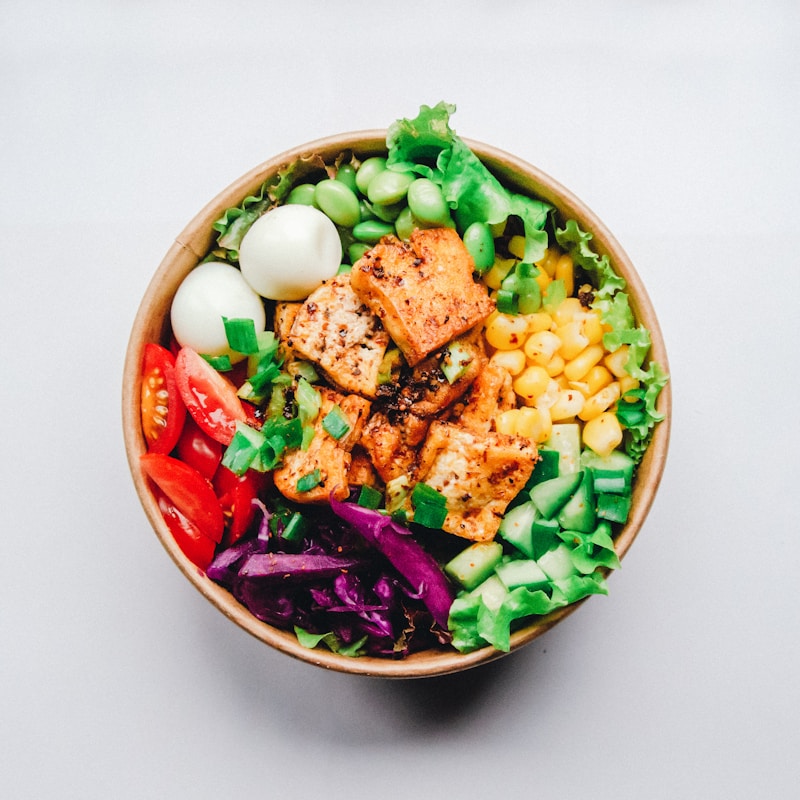
Umami Decoded: The Fifth Taste That Changes Everything
Umami is a term that has enchanted chefs and food lovers alike, tantalizing taste buds and inspiring culinary creativity. This elusive fifth taste, in addition to sweet, sour, bitter, and salty, adds depth and richness to our meals. Although it may have only been formally recognized in the early 20th century, umami has been harnessed by cultures worldwide for centuries. Understanding umami can elevate your cooking, making the most mundane dish feel extraordinary. Let’s embark on a flavorful journey to decode the science behind umami, its sources, applications, and the secrets to unlocking its full potential in your cooking.
At the heart of umami is glutamate, an amino acid found in various natural ingredients. Unlike other tastes that can be identified instantaneously, umami has a lingering quality that creates a rounded taste experience. It’s often described as savory or meaty, elevating the enjoyment of proteins and plant-based dishes alike. This complexity helps bridge the flavors of a dish, enhancing and complementing the primary ingredients. Understanding how umami interacts with other tastes can allow you to create well-balanced dishes that are sure to impress your guests and satisfy your palate.
For many home cooks, the concept of umami can seem a bit daunting. You may wonder which ingredients contribute to this desirable flavor, how to combine them effectively, or how to incorporate umami into everyday meals. Fortunately, this guide will break down everything you need to know about umami – from the science behind it, its sources in everyday cooking, to practical applications and tips for achieving an umami-rich culinary experience each time you step into the kitchen. Get ready to enhance your culinary skills and embrace the complexity of flavor that umami brings to the table.
The Science Behind Umami
What is Umami?
Umami originates from the Japanese word meaning "pleasant savory taste." It was first described by a Japanese chemist, Kikunae Ikeda, in 1908. Ikeda discovered that monosodium glutamate (MSG) could reproduce this rich flavor profile found in certain foods, leading to its popularization in various cuisines. Umami is primarily associated with glutamate, but other compounds like inosinate in meats and guanylate in mushrooms also contribute to the umami experience.
Research shows that umami is detected by specific receptors on our taste buds. When food containing glutamate enters the mouth, the taste buds send signals to the brain that translate into a savory sensation. This experience is heightened when umami-rich foods are paired together, unleashing a flavor symphony that is compelling and addictive.
The role of umami extends beyond adding flavor; it can influence other taste perceptions as well. Foods rich in umami can often balance out bitterness and enhance sweetness, creating a more harmonious dish overall. By understanding the science of umami, you can employ various techniques to manipulate flavors in your cooking.
Discovering the Chemistry of Taste
To appreciate umami fully, we must consider the broader landscape of taste perception. The taste buds recognize five primary tastes: sweet, salty, sour, bitter, and umami. Each plays a critical role in our overall experience of food. But umami stands out because it enhances the flavors of other tastes rather than competing with them.
Umami-rich foods tend to possess specific chemical compounds, primarily amino acids like glutamate. These compounds often increase in concentration through processes like fermentation, aging, and cooking. For example:
By understanding these chemical interactions, you can elevate your cooking, ensuring that every dish is layered with complexity.
What Makes Umami Unique?
One characteristic that sets umami apart from other tastes is its ability to act as a flavor enhancer. Unlike sweetness or bitterness that can overpower a dish, umami rounds out flavors, making them more robust. When combined judiciously, umami-rich ingredients create an experience that leaves a lasting impression.
The beauty of umami lies in its presence in numerous ingredients across different cuisines. This versatility allows cooks to create dishes that engage the palate on multiple levels. The secret to mastering umami is knowing how to balance these ingredients in harmony without overshadowing the individual character of each component.
Sources of Umami
Natural Umami-Rich Ingredients
The world is abundant with umami-rich ingredients that can dramatically elevate your cooking. Understanding which foods contribute to umami and how to combine them can take your meals to the next level. Here are some classic umami sources:
Fermented Foods and Their Umami Profile
Fermentation unlocks umami potential, transforming simple ingredients into complex flavor powerhouses. Fermented foods introduce a variety of taste profiles, enhancing both nutrition and flavor.
Pairing Umami Ingredients
To truly harness umami, it’s vital to understand how to pair these ingredients effectively. A few key combinations can amplify the umami experience:
The key is experimenting with different ratios and preparations to discover what combinations work best for your palate.
Cooking Techniques that Enhance Umami
Roasting and Caramelizing
Cooking techniques that develop umami flavors can transform the simplest ingredients into something extraordinary. Roasting and caramelizing create a deeper, more pronounced umami taste through the Maillard reaction, which occurs when amino acids and sugars combine at high temperatures.
To achieve the best results:
Braising and Slow Cooking
Braising is another fantastic technique to enhance umami in meats and vegetables by breaking down collagen-rich cuts through low and slow cooking.
Infusing with Stocks and Broths
Using stocks and broths can elevate your dishes significantly. When making soups, sauces, or risottos, it’s beneficial to use homemade stock or high-quality store-bought options. Here’s a basic vegetable broth recipe to get you started:
- 2 tablespoons olive oil
- 2 onions, roughly chopped
- 3 carrots, roughly chopped
- 3 celery stalks, roughly chopped
- 1 head of garlic, cut in half
- Fresh herbs (bay leaves, thyme, parsley stem)
- 10 cups water
- Salt to taste
- Heat olive oil in a large pot over medium heat. Add onions, carrots, and celery, cooking for 10-15 minutes until softened.
- Add garlic and herbs, cooking for another 5 minutes.
- Pour in the water and bring it to a boil. Reduce heat, cover, and let simmer for at least 1 hour, ideally 2-3 hours to develop rich flavors. Strain before use.
This broth can be stored for a week in the refrigerator or frozen for long-term use, ensuring you have a flavor-packed base whenever needed.
Practical Applications in Home Cooking
Elevating Everyday Meals
Now that you understand umami and its powerful influences, let's focus on how to incorporate it into everyday cooking. A few practical applications can transform mundane meals into memorable experiences.
Salads: Incorporating umami can elevate simple salads. Consider using ingredients like feta, sun-dried tomatoes, or a miso-based dressing to complement fresh greens. For a quick dressing, mix:
Breakfast: Incorporate umami into your morning routine with savory dishes. A simple scrambled egg dish can easily be elevated by adding cheese, sautéed mushrooms, or kimchi. For a unique twist, try a breakfast bowl featuring grains topped with eggs, greens, and a drizzle of umami-rich sauce like sriracha or soy sauce.
Umami in Sauces and Condiments
Creating umami-packed sauces and condiments can enhance various dishes. Here are a few that you can try:
Umami for Plant-Based Cooking
Many plant-based eaters may find it challenging to get the full umami experience, but several plant-based ingredients can pack in the umami flavor just as effectively.
Expert Tips for Unlocking Umami
Taste and Adjust
One of the best ways to master umami is through tasting and adjusting. As you incorporate umami-rich ingredients, make sure to taste the dish regularly and adjust as necessary. A touch of salt can enhance umami flavors, as can the addition of acidity—like vinegar or citrus juice.
Don't Force It
A common misconception is that recipes should solely focus on umami. Instead, it’s crucial to balance the five tastes to achieve a harmonious dish. If everything is too rich, bitterness or sweetness might be necessary to round out the flavors.
Embrace Experimentation
Cook with an open mind and be willing to experiment! Trying new combinations or cooking methods can yield unexpected results. Invite your friends to join in on a cooking session that focuses on discovering umami together. It can be a fun outing, and you’ll learn from each other along the way.
Final Thoughts
Umami is not just another culinary trend; it’s an essential part of elevating our cooking experiences. Whether preparing a gourmet meal or a simple weeknight dinner, understanding and harnessing umami can transform dishes from ordinary to extraordinary. By embracing the complexity of flavors, experimenting with techniques, and using umami-rich ingredients, you can create meals that resonate with flavor and depth.
As you journey into the world of umami, allow yourself the freedom to explore and taste. Share your newfound knowledge with fellow cooks, and together, create meals that celebrate the magic of this fifth taste. Happy cooking!


Get the Next Recipe
Weekly recipes, techniques, and gear picks — straight to your inbox.
