Umami Decoded: Understanding the Fifth Taste and Using It in Your Kitchen
The world of culinary flavors is often described through the lens of four primary tastes: sweet, salty, bitter, and sour. Yet, there exists a fifth taste, one that adds depth and richness to our dishes—umami. First identified in Japan in the early 20th century, umami has shifted from a niche term to a common concept in kitchens worldwide. It is often associated with savory foods and can elevate even the simplest dishes into gourmet experiences. Understanding umami not only enhances your cooking but also enables you to create balanced flavors that resonate with your palate and those of your guests.
Umami derives its name from the Japanese word meaning "pleasant savory taste." It is a taste that we typically identify with foods that are rich in amino acids and other compounds, such as glutamate. Cooking with umami can transform ordinary meals into extraordinary ones by providing depth and complexity. For home cooks, unlocking this flavor can be as simple as incorporating certain ingredients that pack a punch of umami—or mastering specific cooking techniques that maximize flavor extraction.
In this post, we will delve deep into the world of umami, exploring its scientific background, identifying key ingredients that enhance it, and offering practical tips on how to utilize these elements effectively in your home kitchen. Whether you are a novice cook or an experienced chef, you will find valuable insights that will elevate your cooking from mundane to spectacular, helping you understand and embrace umami fully.
The Science of Umami
Umami is unique among the five tastes because of its source and the complexity of its chemical makeup. Understanding the science behind this fifth taste can radically enhance the way you approach cooking.
What Is Umami?
At its core, umami is characterized by a savory, complex flavor that is found in many protein-rich foods. The primary compound responsible for this taste is monosodium glutamate (MSG), but umami is not limited to this alone. It also comes from naturally occurring glutamate, found in many foods, including tomatoes, mushrooms, and aged cheeses. In addition to glutamate, umami can also be derived from substances such as inosinic acid (present in meats) and guanylic acid (found in mushrooms).
When we consume umami-rich foods, our taste receptors detect these compounds, signaling a deep and satisfying flavor experience. Foods high in umami often encourage us to eat more while improving our overall satisfaction after a meal—this is the basis of why umami is sometimes referred to as the taste that makes things "delicious."
How Does Umami Work?
The human tongue contains taste buds that respond to different taste molecules, including those responsible for umami. Once ingested, these flavor compounds bind to specific receptors on the taste buds—for umami, these are the T1R1 and T1R3 receptors. This binding triggers a neurotransmitter release that sends signals to the brain, resulting in our perception of umami flavor.
Interestingly, the presence of umami can enhance other tastes, making food seem more flavorful without necessarily adding more salt or sugar. This is why many chefs utilize umami to balance their dishes, creating harmonious and well-rounded flavor profiles.
The Evolution of Umami in Cooking
Historically, umami has been an integral part of various cuisines around the world, although it was not always recognized under this specific term. In Japanese cooking, ingredients such as dashi (a broth made from kombu and dried bonito flakes) highlight umami’s prevalence, while in Italian cuisine, ripe tomatoes and aged Parmigiano-Reggiano showcase its characteristic depth.
As global culinary techniques and knowledge expand, home cooks are increasingly realizing the importance of umami in flavor development. Modern culinary training and literature have embraced the science of umami, encouraging chefs to better understand the use of ingredients that contain this elusive flavor. As you experiment with umami in your own cooking, understanding both its science and historical significance will enhance your appreciation of the flavors you create.
Key Umami Ingredients
To successfully incorporate umami into your kitchen, it is essential to understand which ingredients are rich in this savory flavor. Here, we will explore a variety of ingredients that can elevate your dishes through their umami profiles.
Fermented Products
Fermented foods are a treasure trove of umami flavors. The fermentation process increases the concentration of glutamate, making these ingredients exceptionally savory.
Aged and Dry Ingredients
Aged ingredients develop richer flavors due to the breakdown of proteins during aging.
Protein-Rich Foods
Many protein sources are naturally high in umami, making them essential components of a well-rounded meal.
Vegetables and Other Sources
Even vegetables can be rich sources of umami when prepared correctly.
By paying attention to these key ingredients, you can intentionally craft meals that leverage umami, creating flavors that captivate and satisfy.
Cooking Techniques to Enhance Umami
In addition to selecting umami-rich ingredients, the way you cook can significantly impact the flavor profile of your meals. Certain techniques can help to unlock and amplify umami flavor, making it an integral part of your cooking repertoire.
Browning and Caramelization
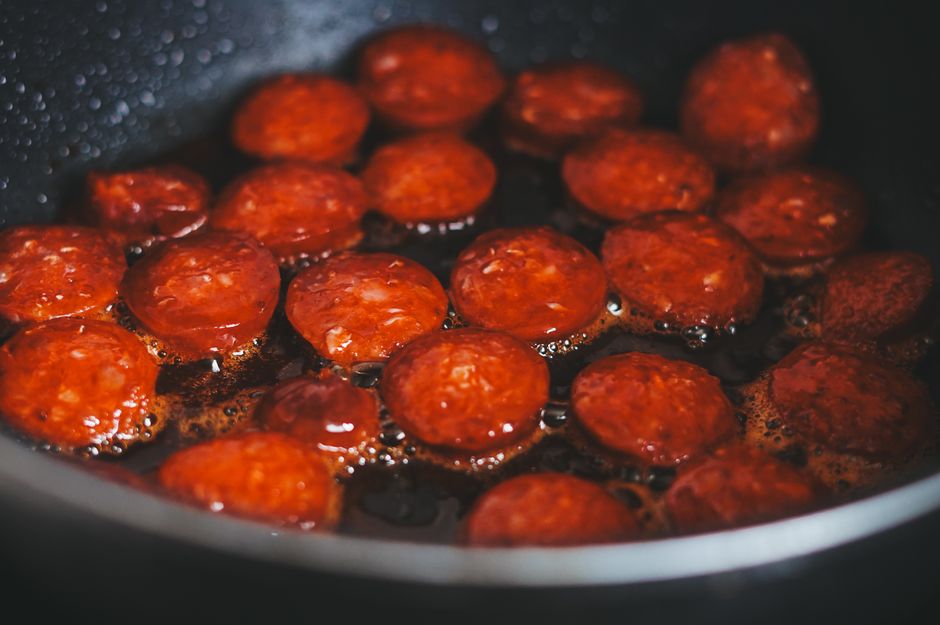
One of the most effective ways to enhance umami in your dishes is through the Maillard reaction, which occurs when proteins and sugars are subjected to heat, producing complex flavors.
By focusing on browning, you can elevate the umami flavor in proteins and vegetables alike.
Slow Cooking Techniques
Slow cooking is another fantastic method for developing umami-rich flavors, especially in stews, sauces, and soups.
Combining Flavors
When creating your dishes, think about how you can combine different umami sources for even richer flavors.
By utilizing these cooking techniques, you can heighten the umami presence in your meals, turning everyday cooking into an extraordinary culinary adventure.
Practical Applications of Umami in Your Cooking
Now that you understand the science and ingredients behind umami, it’s time to explore practical applications for incorporating this rich flavor into your cooking.
Everyday Dishes Enhanced by Umami
Pasta Dishes: Transform your pasta sauce by adding anchovies, sun-dried tomatoes, or Parmesan. For a quick boost, just stir in a spoonful of miso or a splash of soy sauce into store-bought sauces.
Vegetable Stir-fries: Enhance the natural flavors of vegetables by using a good quality soy sauce, oyster sauce, or miso paste during cooking. Finish the dish with a sprinkle of toasted sesame seeds for added texture.
Soups and Stews: Start your soups with a base of sautéed onions, garlic, and ginger, then add mushrooms and a splash of fish sauce to create depth. Consider simmering your soups with either dried mushrooms or meat-based stocks to amplify flavors.
Salads: To bring out umami in salads, use ingredients like shaved Parmesan, roasted nuts, or fermented products such as kimchi. A splash of soy sauce or miso dressing can turn a simple salad into a flavor powerhouse.
Creating Umami-Forward Sauces and Condiments
Umami doesn’t have to be confined to main dishes; it can shine in your sauces and condiments too!
Desserts with Umami Twist
While umami is primarily associated with savory dishes, it can also find its way into desserts for unique flavor experiences.
Exploring umami in your cooking opens up a world of flavors, allowing you to create dishes that are not only satisfying but also exciting.
Common Mistakes in Cooking with Umami
As with any other culinary concept, there are common pitfalls to avoid when working with umami to ensure your dishes are perfectly balanced and flavorful.
Overdoing It
One of the most frequent mistakes is using too many umami ingredients at once. While each ingredient adds its unique flavor, their overuse can create overwhelming dishes.
Ignoring Subtle Flavors
Sometimes, the most delicate notes of umami can be easily overshadowed by bolder flavors. Check that your dish prioritizes depth and doesn’t get lost in excessive seasoning.
Not Taking Time
Umami requires time—both in cooking methods and allowing flavors to develop. Rushing through processes like browning or slow cooking can mean missing out on the full flavor potential.
By being aware of these common mistakes, you can avoid pitfalls in your culinary endeavors, allowing your grasp of umami to flourish in your creations.
Final Thoughts
In the end, understanding and harnessing umami can profoundly change your culinary creations. This fifth taste, rich with history and science, opens up a new layer of flavor in your cooking that can impress and satisfy anyone at your table.
Integrating umami-rich ingredients into your meals isn't just about boosting taste; it's about creating a more satisfying dining experience. Whether you are crafting a simple weeknight dinner or a lavish feast, employing umami can add depth and sophistication to even the most basic dishes.
As you explore the world of umami, remember that cooking is both an art and a science—don't hesitate to experiment. Let your palate guide you as you blend and balance flavors to achieve delightful results. Embrace the complexity of umami, and watch as it elevates your everyday cooking to new heights, bringing rich, satisfying flavors to your kitchen and dining experiences. Happy cooking!
Word Count: 2,065


Get the Next Recipe
Weekly recipes, techniques, and gear picks — straight to your inbox.
