Umami Explained: The Fifth Taste and How to Cook With It
If you have ever found yourself staring at a finished dish, sensing that something is fundamentally missing despite having perfectly balanced the salt, acid, and heat, you have likely encountered a "flavor deficit." We often categorize our sensory experiences into four neat boxes: sweet, sour, salty, and bitter. However, there is a mysterious, deeper dimension to flavor that has existed in kitchens for centuries, though it remained linguistically elusive until fairly recently. This is the realm of Umami, the savory, mouth-coating sensation that transforms a simple broth into a soul-warming experience. Understanding this fifth taste is the single most effective way to transition from a cook who follows recipes to a chef who understands the architecture of flavor.
The term itself translates from Japanese as "pleasant savory taste," and it was first identified by chemist Kikunae Ikeda in 1908. He realized that the dashi broth made from kombu (kelp) possessed a flavor profile that didn't fit into the traditional four-quadrant map of the tongue. Through rigorous analysis, he identified glutamate, an amino acid, as the primary agent responsible for this phenomenon. When we experience umami, our taste receptors are essentially being told that the food we are eating is protein-rich, nourishing, and worthy of our metabolic attention. It is the secret language of the palate, acting as a bridge that connects disparate ingredients into a cohesive, harmonious bite.
For the home cook, mastering umami is less about purchasing exotic chemicals and more about understanding the alchemy of fermentation, aging, and heat. By layering ingredients rich in glutamates, inosinates, and guanylates, you can create a depth of flavor that lingers on the palate long after the swallow. Think of umami as the "base note" in a perfume; it provides the structure upon which brighter, more fleeting flavors like citrus or fresh herbs can perform. As we peel back the layers of this fascinating sensory experience, you will learn how to weaponize these ingredients to ensure that every meal you serve—from simple weeknight pasta to slow-cooked roasts—demands a second helping.
The Chemistry of Savory: What Exactly is Umami?
At the molecular level, umami is triggered by the presence of certain amino acids and nucleotides that bind to specific receptors on our tongue. The primary driver is L-glutamate, which occurs naturally in a wide variety of foods. However, the true magic happens when you engage in synergistic umami, a technique that multiplies the intensity of the flavor. When you combine glutamate-rich ingredients with those containing ribonucleotides—such as inosinates found in meat or guanylates found in dried mushrooms—the resulting sensation is exponentially stronger than the sum of its parts.
This scientific interaction is why the combination of a beef broth (inosinates) with onions or tomatoes (glutamates) results in a flavor that is vastly superior to either ingredient alone. When designing a recipe, a chef does not just look for one source of savory flavor; they look for a "triangulation" of sources. You are essentially looking to create a multi-layered molecular map that hits multiple receptors simultaneously, leading to that deep, rounded satisfaction we recognize as "meaty" or "brothy."
"Umami is the culinary equivalent of a bass guitar in a rock band; it might not always be the melody that catches your ear, but if you remove it, the entire composition feels thin, hollow, and utterly incomplete."
Understanding the Glutamate Spectrum
Not all umami sources are created equal. We classify them by their concentration and the delivery method they bring to a dish. For instance, fresh ingredients offer a subtle, bright umami, while aged or fermented ingredients offer a concentrated, pungent intensity. It is vital to keep a mental catalog of these "umami bombs" to call upon when your sauce lacks character.
Fermented Umami:* Soy sauce, fish sauce, miso, parmesan cheese, and kimchi.
Vegetable Umami:* Tomatoes (specifically sun-dried), kombu, shiitake mushrooms, and garlic.
Animal Umami:* Beef, cured ham, anchovies, and shellfish.
The Role of Heat and Time
The extraction of umami is often a function of time. This is why a short-simmered broth rarely reaches the same complexity as a stock that has been allowed to gently bubble for eight to twelve hours. Heat breaks down the cell walls of these ingredients, releasing free amino acids into your liquid medium. When using ingredients like dried mushrooms, you are essentially rehydrating concentrated flavor, so the soaking liquid becomes a precious component that should never be discarded.
Building the Umami Foundation: Stocks and Bases
Every great culinary tradition relies on a foundational liquid. In French cooking, this is the fond de cuisine—the stock. In Japanese cuisine, this is the dashi. To build a dish with serious umami, you must stop viewing your cooking liquids as mere hydration and start viewing them as the canvas upon which your flavor profile will be painted. A simple water-based sauce will always taste "flat," whereas a stock-based sauce provides an immediate savory substrate.
When building a brown stock, the secret is the Maillard Reaction. By roasting your bones at 400°F (200°C) until they are a deep, mahogany brown, you are encouraging the chemical reaction between amino acids and reducing sugars. This process creates hundreds of new flavor compounds, many of which are umami-intensive. Once the bones are roasted, they are simmered with aromatics like onions, carrots, and celery, which provide the secondary layer of glutamate to complement the meat.
The Art of the Dashi
If you want to understand the pure essence of umami, learn to make a standard Kombu Dashi. It requires only two ingredients: water and dried kelp. Heat 1 liter of water and 10 grams of kombu to 140°F (60°C) and hold it there for 30 minutes. Do not let it boil, as boiling can extract bitter, murky flavors from the kelp. The resulting liquid is a pale, golden elixir that acts as a blank slate for savory intensity. By adding katsuobushi (dried bonito flakes) to this base, you introduce inosinates, creating that powerful synergistic effect we mentioned earlier.
Professional Tips for Stock Success
Fermentation: The Secret Weapon of the Professionals
Fermentation is essentially controlled decay, and it is the most concentrated form of umami available to the home cook. When food is fermented, bacteria and enzymes break down complex proteins into their component amino acids, including a significant amount of free glutamate. This is why a wedge of aged Parmesan tastes significantly more savory than a glass of milk, even though they share the same source material.
Incorporating fermented ingredients into your everyday cooking is a mark of a sophisticated chef. You do not need to make your own miso from scratch to reap the benefits; you simply need to know how to deploy these ingredients to amplify the flavors already present in your pan. A tablespoon of red miso stirred into a beef stew, or a dash of fish sauce added to a tomato-based pasta sauce, will not make the dish taste like miso or fish. Instead, it will deepen the overall savoriness of the dish, acting as a secret flavor enhancer that leaves guests guessing why the meal tastes so professional.
"Fermentation takes the raw potential of an ingredient and unlocks its deepest, darkest, and most delicious secrets. It is the bridge between a simple meal and an unforgettable culinary experience."
The Fish Sauce Strategy
Many home cooks are intimidated by fish sauce, associating it with the pungent aroma of an opened bottle. However, when cooked, that aroma dissipates entirely, leaving behind a pure, crystalline saltiness and a massive boost of glutamates. Use fish sauce as you would salt—begin with a teaspoon in a soup, a salad dressing, or a braise. You will find it adds a "meatiness" to vegetarian dishes that is otherwise impossible to achieve.
Understanding Miso Varieties
White Miso (Shiro):* Mild, slightly sweet, and delicate. Best for light sauces, dressings, and soups where you don't want to overwhelm the other ingredients.
Red Miso (Aka):* Aged longer, more intense, and salty. Perfect for hearty stews, heavy braises, and dishes that require a robust flavor backbone.
Mixed Miso (Awase):* A blend of the two, offering the best of both worlds. This is the "all-purpose" choice for the home cook.
Tomatoes and Mushrooms: The Botanical Umami Powerhouses
Vegetables are often relegated to the "fresh" or "crunchy" category, but some are true umami titans. Tomatoes and mushrooms are the cornerstones of vegetarian umami. The secret to unlocking their potential lies in concentration. If you take a fresh tomato, you have a certain amount of glutamate; if you roast that tomato or dehydrate it, you are removing the water content, effectively increasing the density of glutamate per bite.
When preparing a mushroom-based dish, such as a risotto or a ragu, the technique of browning is non-negotiable. Mushrooms have a high water content. If you crowd them in a pan, they will steam rather than brown. To get the most savory flavor, cook your mushrooms in small batches, ensuring each piece has direct contact with the hot surface of the pan. Wait until they are golden-brown and have developed a distinct, nutty aroma. This process transforms the mushrooms from a side dish into the star of the show.
The Tomato Reduction Technique
When making a tomato sauce, don't just dump in canned tomatoes and simmer for twenty minutes. Caramelize your tomato paste first. Heat a tablespoon of olive oil in a pan, add your tomato paste, and cook it until it shifts from bright red to a dark, rusty, or even brick-red color. This process, often called "toasting" the paste, deepens the flavor profile significantly. By doing this, you are layering the raw, acidic brightness of the canned tomatoes with the caramelized, deep umami notes of the toasted paste.
Tips for Mushroom Selection
Cremini and Portobello:* Excellent for everyday cooking and provide a hearty texture.
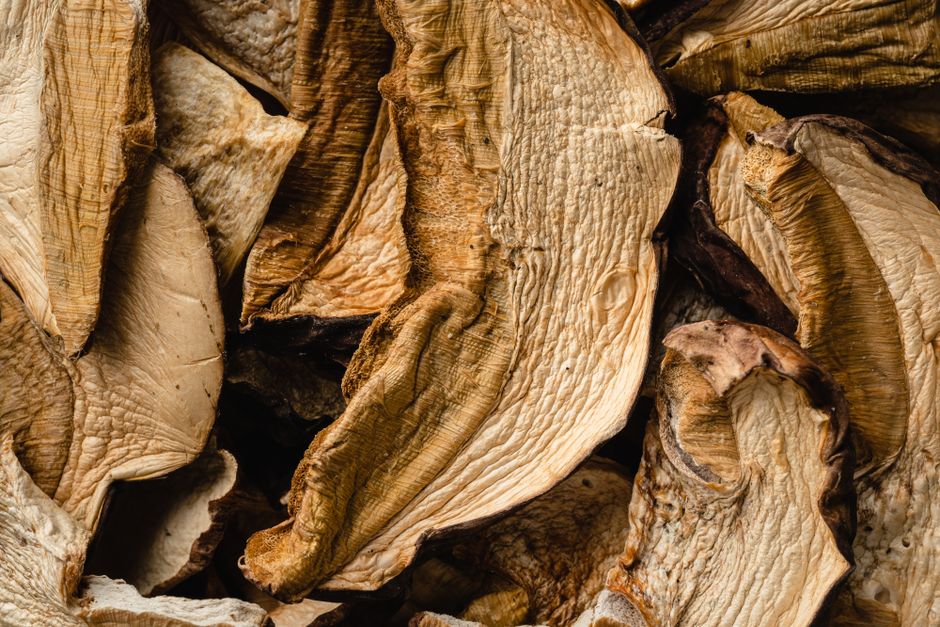
Dried Shiitake:* The undisputed champions of umami. Keep a jar in your pantry and rehydrate them in warm water for 20 minutes before chopping and using in soups or braises.
Porcini:* These provide a unique, woody, and intensely savory note that pairs perfectly with pasta and cream-based sauces.
The Art of Finishing: How to "Season" with Umami
We are taught early on to "season to taste," which usually implies adding salt and pepper. However, professional chefs think of seasoning as a multi-stage process. You season for flavor development (at the start), for texture (during the cook), and for the "finish" (at the very end). This final touch is where you can balance the dish by adding a small jolt of umami that cuts through the fat or lifts the heavy notes of a slow-cooked dish.
Consider the classic Italian practice of finishing a dish with grated Parmesan or a drizzle of high-quality extra virgin olive oil. The cheese provides that final hit of glutamate, while the oil adds a layer of richness that carries the flavor across the palate. This is not just decoration; it is a structural component of the dish. When you are plating your food, ask yourself: does this need a final lift? Is there enough savory presence to balance the starch or the protein on the plate?
The "Umami Salt" Hack
Create your own "finishing salt" by blending dried, powdered shiitake mushrooms, toasted seaweed (nori), and high-quality sea salt. Store this in a small jar next to your stove. A tiny pinch of this on top of a seared steak, a roasted vegetable, or even a soft-boiled egg provides an instantaneous, complex umami finish that will make your home cooking feel like it belongs in a Michelin-starred kitchen.
Balancing with Acid
It is important to remember that umami does not exist in a vacuum. It interacts heavily with the other four tastes. Often, a dish that feels "too heavy" or "muddy" isn't lacking salt; it is lacking acid. A squeeze of lemon juice or a dash of high-quality vinegar can brighten the umami notes, making them feel cleaner and more vibrant. This is why a dash of vinegar in a heavy chili or a splash of wine in a beef bourguignon works so effectively—it brings the savory depth into focus.
Culinary Architecture: Bringing It All Together
To truly master umami, you must practice culinary architecture. This means looking at your plate as a structure with different elevations of flavor. If you are serving a steak, the steak provides the primary protein and some inosinates. If you serve it with a mushroom cream sauce, you are adding glutamates and fat. If you then garnish it with crispy fried shallots, you are adding texture and a secondary layer of savory depth.
The home cook often makes the mistake of thinking one "big" ingredient is enough. They believe that by buying the most expensive steak, they have achieved the perfect dish. But the expensive steak, cooked in a dry pan without any supporting flavors, will eventually fade. A cheaper cut, braised in a flavorful liquid fortified with aromatics and fermented umami sources, will consistently provide a more satisfying, "gourmet" experience.
"A dish is only as good as the conversation between its ingredients. If the beef is having a quiet, savory conversation with the mushrooms, and the mushrooms are whispering to the shallots, you have achieved a masterpiece."
The "Umami Bomb" Checklist
When you are prepping your kitchen for a big dinner, keep this list visible. If your dish feels incomplete, pick one item from this list and incorporate it. You will be surprised by how quickly the flavor profile changes:
Anchovy Paste:* Don't worry about the "fishy" taste; it dissolves into the dish and adds a massive savory backbone.
Sun-dried Tomatoes:* Finely minced, these add a sweet-savory intensity to pasta sauces and grain salads.
Aged Cheeses:* Parmesan, Pecorino, or aged Gouda.
Worcestershire Sauce:* An all-in-one umami blend that is essential in any kitchen.
Tomato Paste:* Always toast it before adding liquid.
Maintaining Your Pantry
Your ability to cook with umami is only as good as the quality of the ingredients you keep on hand. Invest in a high-quality fish sauce (look for one with only two ingredients: anchovies and salt) and a good miso. Keep your dried mushrooms in an airtight jar away from sunlight. By keeping these ingredients stocked, you turn a last-minute, "I have nothing to eat" meal into something intentional and delicious. Remember, the chef is not the person who spends the most money; the chef is the person who understands how to build flavors from the pantry up.
The Future of Flavor: Why We Still Need Umami
As we move toward a future where we may need to rely more on plant-based proteins, the study of umami becomes even more critical. Meat has traditionally been our primary source of umami, but we are learning that we can replicate that same depth of satisfaction using the plant kingdom. By using techniques like fermentation, dehydration, and the synergy of different plant-based glutamate sources, we can create meals that are environmentally sustainable without sacrificing the deep, soul-satisfying pleasure that we have evolved to crave.
Teaching the next generation of home cooks how to harness the fifth taste is about empowering them to be more creative. When you stop fearing "unconventional" ingredients—like adding miso to a vinaigrette or using soy sauce in a caramel sauce—you open up a world of possibilities. Culinary boundaries are meant to be pushed, and the best way to push them is by understanding the science that holds everything together.
Conclusion
Mastering umami is the journey from passive consumption to active creation. It is about recognizing that every ingredient has a story to tell, and it is your job as the chef to help them find a common language. Whether you are deglazing a pan with a splash of soy sauce, patiently simmering a long-term bone broth, or simply knowing when to add a touch of parmesan to your finished pasta, you are engaging in a practice that is as old as cooking itself.
Do not be afraid to experiment. Take these principles and apply them to your own signature dishes. The kitchen is the one place where theory must meet practice, and your own palate is the ultimate judge. If you follow the guidelines we have discussed—layering your savory sources, utilizing the synergistic effect of glutamates and nucleotides, and focusing on the extraction of flavor through time and heat—you will inevitably see your cooking evolve.
You now possess the knowledge of the "fifth taste." You understand that flavor is not an accident; it is the result of intention, technique, and an appreciation for the molecular structure of what we put on our plates. So, head into your kitchen with confidence. Experiment with that bottle of fish sauce, brown your mushrooms with abandon, and keep tasting, adjusting, and refining. Remember, when the meal turns out perfectly, you don't have to blame the chef—you can take all the credit yourself. Now, go turn on the stove and get to work; there is a whole world of savory depth waiting to be unlocked.
Final Thoughts
The path to culinary mastery is never a straight line, but it is always paved with flavor. If you find yourself hitting a wall with a recipe, go back to the basics of umami. Ask yourself: "Where is my glutamate coming from? Have I created synergy? Is there enough acidity to balance the savoriness?" These questions will lead you through any culinary crisis. Keep your pantry stocked with those high-impact umami staples, stay curious about the science behind the taste, and never stop tasting your work as you go. Your palate is your best tool, and with a little practice, it will become your most reliable guide in the kitchen. Keep cooking, keep eating, and keep pushing those flavors to the next level. Your guests—and your own satisfaction—will thank you for it.


Get the Next Recipe
Weekly recipes, techniques, and gear picks — straight to your inbox.
