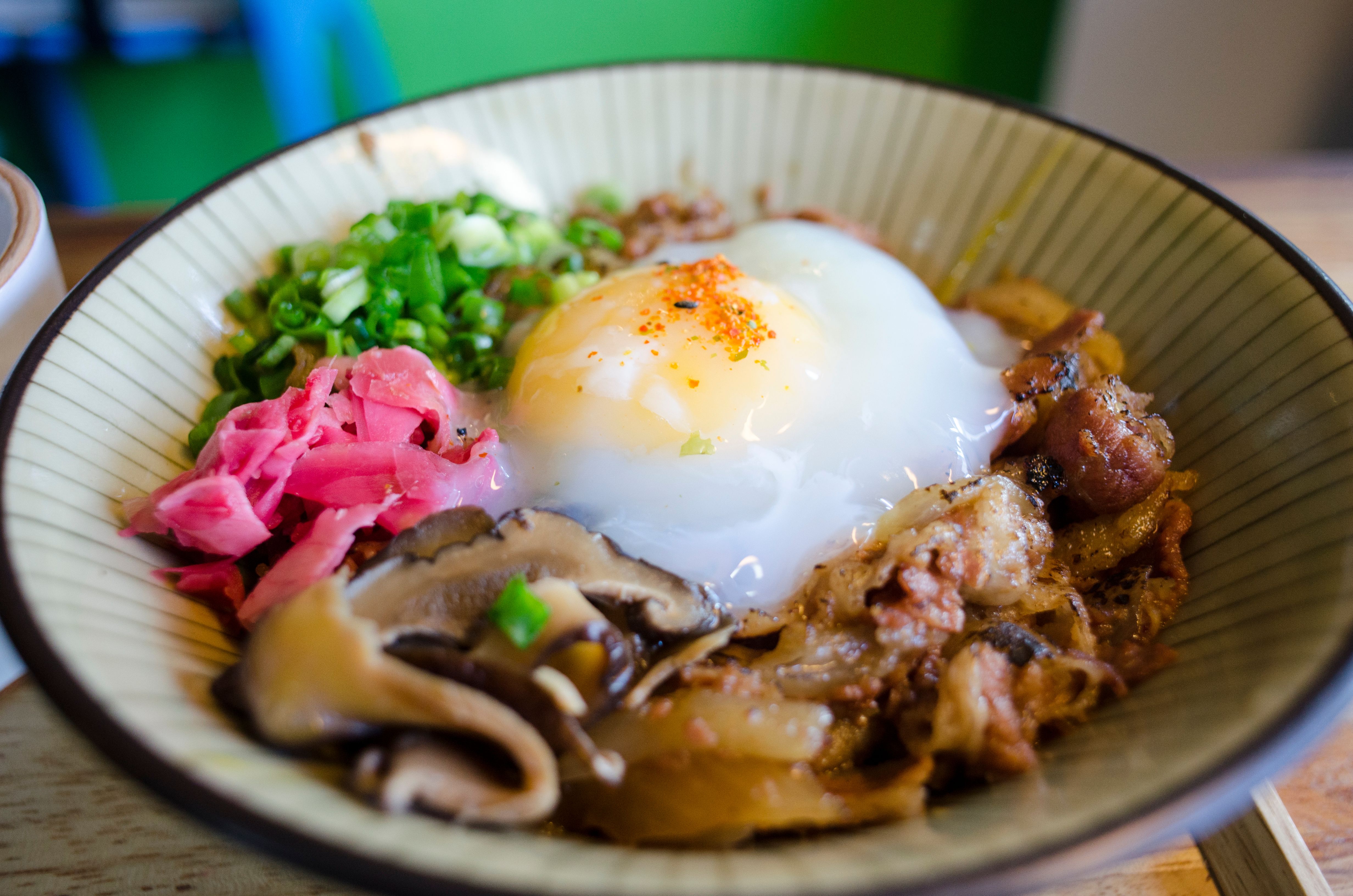
Umami: The Fifth Taste That Elevates Every Dish You Cook
Cooking is an art form that relies heavily on the balance of flavors, textures, and aromas. While most chefs recognize the primary tastes—sweet, sour, bitter, and salty—there's a lesser-known fifth taste that deserves attention: umami. This Japanese term, which translates to “deliciousness,” encapsulates the deep, savory flavor that elevates dishes from ordinary to extraordinary. Understanding umami and how to incorporate it into your cooking can open a world of flavor possibilities, enhancing the way you experience food and impressing your family and guests alike.
Umami is responsible for the rich, satisfying taste found in foods such as ripe tomatoes, aged cheeses, mushrooms, and certain meats. In essence, it’s the taste that excites the palate in a way that makes you want to savor and enjoy each bite. The science behind umami lies in its association with glutamate, an amino acid found in many proteins. This allows for the creation of complex flavors and balances out sweetness, acidity, and saltiness in dishes, making them more gratifying. By learning to identify and utilize this robust taste, you can transform even the simplest recipes into culinary masterpieces.
Incorporating umami into your cooking is not merely about adding certain ingredients; it’s also about understanding flavor pairings, cooking techniques, and the psychological interactions that contribute to what we deem as delicious food. This blog post will delve into the essence of umami, revealing how you can become adept at mastering the fifth taste. Prepare to elevate your dishes and outdo yourself in the kitchen!
The Science of Umami
Understanding umami starts with its scientific underpinnings. Discovered in 1908 by Japanese chemist Kikunae Ikeda, umami was identified in kombu (a type of seaweed) and was later recognized as a core taste alongside the more commonly known four. What makes umami unique is its flavor profile, resulting from the presence of glutamate, inosinate, and guanylate.
The Role of Glutamate
Glutamate is an amino acid that acts as a neurotransmitter in the brain but plays a pivotal role in our taste perception. Foods rich in glutamate include:
When these ingredients break down during cooking, especially through processes like slow cooking or roasting, they release glutamate and amplify their flavors. This release of glutamate is what fortifies that deep savory note, giving your dishes a comforting and more appealing taste.
Umami in Protein Sources
Proteins are another substantial source of umami flavor. Meat, especially when cooked using techniques like grilling, smoking, or braising, develops a rich umami taste. Some protein sources high in umami are:
Cooking these proteins at the right temperature (typically around 135-145°F for medium-rare beef) through slow or low methods can help unlock their umami potential, leading to a depth of flavor that transforms your meals.
“Cooking is not just about ingredients; it’s about understanding the science behind the flavors."
Identifying Umami-Rich Ingredients
To incorporate umami into your cooking effectively, it’s essential to recognize which ingredients hold this flavor. Not all ingredients are created equal, and by knowing what to look for, you can strategically select items that will enhance your meals.
Key Umami Ingredients
Here’s a more comprehensive list of ingredients that are excellent sources of umami:
- Mushrooms (shiitake, portobello, button)
- Tomatoes (sun-dried, paste, canned)
- Spinach
- Soy sauce (fermented soybeans)
- Miso paste (fermented soybean paste)
- Worcestershire sauce (varied ingredients provide depth)
- Aged cheeses (Parmesan, Gouda)
- Blue cheese
- Cured meats (bacon, salami)
- Fish sauce (fermented anchovies)
Experimenting with Umami Flavors
While reading through the list, think about experimenting with the ingredients in your everyday cooking. Here are a few ideas:
Engaging with these umami-rich ingredients will help deepen your understanding and expand your culinary repertoire.
Techniques to Enhance Umami
Merely adding umami-rich ingredients to a dish may not suffice; cooking techniques also play a significant role in enhancing the umami flavor. The way we prepare and combine these ingredients can dramatically affect their ability to express their full flavor potential.
Cooking Methods to Unlock Umami
#### 1. Roasting
Roasting vegetables, especially those high in natural sugars (like tomatoes and mushrooms), caramelizes their surface, enhancing the depth of flavor. Aim for a roasting temperature of 425°F, where vegetables can reach the desired caramelization without becoming burnt.
- Cut vegetables uniformly to ensure even cooking.
- Coat with oil and season with salt before roasting to promote browning.
#### 2. Slow Cooking
Using slow cookers or braising meats allows the natural flavors to meld, releasing glutamate and deepening the overall umami profile. When cooking meats, a temperature range of 160-190°F for several hours works best.
- Use tougher cuts of meat, as they benefit from the long cooking time.
- Incorporate aromatics (like garlic and onions) to build layers of flavor.
#### 3. Fermentation
Fermentation is a transformative process that heightens umami perceptions in foods. Items like miso, kimchi, and fermented fish sauces contain concentrated forms of glutamate.
- Use clean jars and utensils to avoid unwanted bacteria.
- Ensure a consistent temperature (ideally around 68-70°F) and time (which can range from several days to weeks, depending on the item).
“Embrace the art of fermentation—it’s nature's way of intensifying flavors."
Building Flavors through Pairing
To truly master umami, you need to experiment not just with individual ingredients but also with flavor pairings. Understanding how different flavors interact can lead to some remarkable culinary experiences.
Flavor Profiles That Complement Umami
Some flavors naturally enhance or bring out the nuances of umami. Consider these classic pairings:
Practical Pairing Techniques
By thoughtfully combining flavors, not only is the umami enhanced, but the overall balance of your dishes improves.
Classic Umami-Infused Recipes
To help you implement umami into your cooking, here are a few recipes that highlight this complex flavor, featuring both dishes and methods.
Umami-Rich Mushroom Risotto
#### Ingredients
#### Instructions
This risotto not only highlights the umami of the mushrooms but also the creamy texture of cooked Arborio rice, making it a comforting and delicious dish.
Smoked Pork Belly
#### Ingredients
#### Instructions
The rich umami flavor generated from the pork's fat, combined with the herbal and smoky notes, creates a memorable dish that is sure to impress.
“The deeper the flavor, the more life it can bring to your plate."
Advanced Umami Techniques for the Culinary Enthusiast
For those looking to delve even deeper into the captivating world of umami, there are advanced techniques that can further enhance flavors in a kitchen.
Pasteurization and Sous Vide Cooking
Sous vide cooking is a method that allows you to achieve precision temperature control for ideal cooking results. This technique is great for tenderizing proteins while maintaining moisture, effectively concentrating umami flavors with minimal effort.
Broth Making as an Art Form
Creating a deeply flavorful broth can become a culinary project that serves as a base for numerous dishes. You can prepare broths by roasting bones, vegetables, and aromatics.
#### Ingredients for a Beef Broth
#### Instructions
Using homemade broth as the backbone for soups, sauces, or risotto can dramatically enhance flavors while being gentle on your palate.
Conclusion
Embracing and understanding umami is more than just an exercise in taste—it’s a gateway into the intricate world of flavors that exists in cooking. From identifying umami-rich ingredients to applying advanced cooking techniques and flavor pairings, your culinary skills can elevate from good to exceptional. Each of the methods discussed within this blog post presents opportunities for creativity, experimentation, and enrichment in your cooking endeavors.
As you apply the principles of umami to your kitchen, revel in the journey of discovering new flavors and enhancing the dishes you already love. Whether you are whipping up a quick weeknight dinner or preparing for an elegant dinner party, keep in mind that umami is not just a flavor; it’s an experience—a way to share joy, community, and deliciousness through food. So, the next time you create a dish, remember to embrace the fifth taste and allow it to transform your culinary creations. Embrace your passion for cooking and experiment with flavors, for that is where the magic truly lies!
(Word Count: 2,065)

Get the Next Recipe
Weekly recipes, techniques, and gear picks — straight to your inbox.
