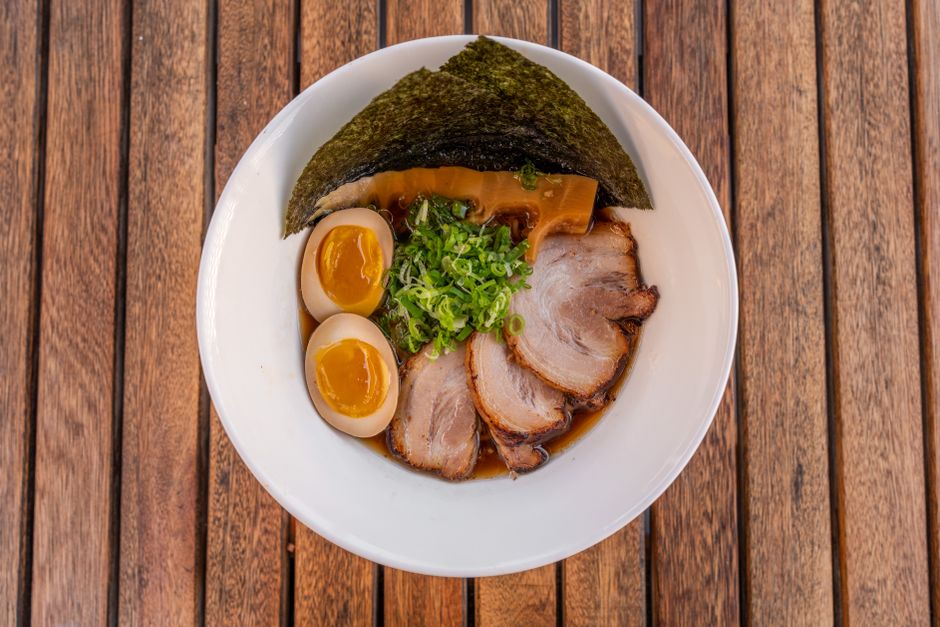
Umami Uncovered: The Fifth Taste and How to Use It
Umami, often referred to as the fifth taste, can transform even the simplest dish into a culinary masterpiece. For many home cooks, discerning this elusive flavor profile can feel like navigating a culinary labyrinth without a map. But as you delve deeper into the world of umami, its secrets will unfold, guiding you in enhancing your cooking. Understanding umami not only enriches your palette but also helps you create dishes that resonate with depth and complexity.
The roots of umami trace back to Japan, where it was identified in the early 20th century as a distinct taste alongside sweet, sour, bitter, and salty. Coined by the Japanese chemist Kikunae Ikeda, umami is often associated with foods rich in glutamate, an amino acid that elicits a savory flavor. However, its presence isn't limited to specific ingredients; rather, it can be found throughout various cuisines in dishes that resonate with richness. Mastering umami is akin to composing a symphony, where each flavor note harmonizes to produce a satisfying experience.
As you set out to incorporate umami into your cooking arsenal, consider this tantalizing promise: discovering and harnessing this taste will elevate your dishes, making your meals not just food but an experience. By exploring different sources of umami and understanding its cooking implications, you can captivate the palates of your family and friends, leaving them clamoring for more. The knowledge you gain here will serve as a guiding light in your culinary endeavors, allowing you to explore new horizons in flavor.
Understanding Umami: The Basics of the Fifth Taste
What is Umami?
At its core, umami is synonymous with savoriness. It’s that delightful depth of flavor that dances on your tongue, often eliciting a response that feels more primal than perceptible. Found in ingredients like aged cheeses, cured meats, and fermented products, umami's presence is noticeable when you bite into a juicy steak or a perfectly simmered tomato sauce. While familiar to many, a deeper understanding of umami reveals its mechanisms and how it interacts with other tastes.
Umami’s discovery hinged on the recognition of glutamate, a natural substance present in many foods. In its pure form, glutamate was identified as a key component responsible for this savory taste, offering a flavor that enhances and rounds out other flavors. Other compounds also contribute to umami, including inosinate (predominantly found in meat and fish) and guanylate (which appears often in mushrooms). Together, these compounds work in synergy, amplifying the overall taste profile of any dish.
The science behind umami dives into the umami receptor, a specialized sensitivity located on our taste buds that recognizes these amino acids. This receptor allows us to appreciate the rich qualities of our food, providing satisfaction and a fuller dining experience. Engaging with umami encourages us to foster a deeper connection with our food, enabling us to create meals that resonate beyond basic nourishment.
The Origins of Umami and Its Journey
Although umami is a recent discovery scientifically, it has roots in ancient culinary traditions across various cultures. The use of fermented products, such as fish sauce in Southeast Asian cuisine or miso in Japanese cooking, dates back centuries. These ingredients, rich in glutamate, were used intuitively long before the scientific community identified umami as a distinct taste.
Umami became widely recognized in the West in the 20th century. While the Japanese were already fervently embracing this taste, it wasn't until the late 1900s that umami began to seep into global cuisine, largely driven by Japanese culinary influences. The incorporation of umami-rich ingredients into Western dishes expanded chefs' vocabulary and techniques, offering avenues for complexity in flavor profiles.
As culinary curiosity grew, chefs and home cooks alike began experimenting with a plethora of ingredients boasting umami qualities. This journey has led to an innovative culinary landscape where umami is not just an afterthought but a fundamental aspect of flavor balancing, enhancing dishes with layers of flavor that can be felt with every bite.
Key Ingredients Rich in Umami
Fermented Products
Fermentation is one of the most potent methods of enhancing umami flavors in dishes. The process breaks down proteins into amino acids, which intensify the savory notes. Here are some notable fermented products to consider:
Aged Cheeses
Aged cheeses are another treasure trove of umami. The aging process breaks down proteins and fats, delivering a concentrated burst of flavor. Consider:
Vegetables and Mushrooms
Certain vegetables and fungi are powerhouses of umami as well:
Meat and Seafood
Meat and seafood are often associated with umami, particularly due to their natural glutamate content.
Enhancing Umami with Techniques
Understanding how to enhance umami in your dishes relies heavily on cooking techniques. Here are a few methods to draw out umami flavors:
Crafting Umami-Infused Dishes
Soups and Stews: The Umami Backbone
Soups and stews are fantastic vehicles for umami exploration. They meld flavors over time, creating a rich tapestry of taste that showcases the depth of umami.
For example, a classic French onion soup leverages the umami from caramelized onions, beef broth, and Gruyère cheese, exemplifying the effectiveness of layering flavors in creating umami-rich dishes.
Pasta and Grains: Carriers of Flavor
Pasta and grains provide an excellent canvas for showcasing umami:
Cooking Proteins Perfectly
When it comes to proteins, the method can profoundly impact umami perception. Consider marinating meats in umami-rich sauces before cooking. Here’s a simple marinade:
For seafood, try using fish sauce in dressing or marinades. The umami from the fish sauce enhances the natural flavors of the seafood without overpowering it.
Incorporating Umami into Everyday Cooking
Quick Fixes for Everyday Meals
Umami doesn’t always need to be a grand event; it can be skillfully incorporated into daily meals with a few thoughtful choices.
Building Umami into Meal Planning
Exploring Umami in Cultural Cuisines
Japanese Cuisine: The Umami Pioneers
Japanese cuisine is arguably the most profound example of umami’s impact on flavor balance. Many Japanese dishes are centered around umami:
Italian Cuisine: Where Umami Meets Tradition
Italian cooking utilizes umami in various forms, illustrating that this flavor knows no borders:
Southeast Asian Flavors: Bold and Unforgettable
Southeast Asian cuisines incorporate umami in vibrant and innovative ways:
Final Thoughts
Understanding and harnessing umami is not simply a technique; it’s a journey into the heart of culinary artistry. As you explore the myriad of umami-rich ingredients and methods, you will discover new ways to connect with your food, elevating your cooking from mundane to memorable. The next time you prepare a dish, consider how you can amplify its flavors with umami. Whether it’s a simple addition of miso to a sauce or the process of slow braising, you're embarking on an exciting adventure that will delight both you and those fortunate enough to share your meals.
The world of umami is vast and welcoming, and as you dive deeper into its depths, you’ll find that it not only enriches your dishes but ignites a passion for food unlike any other. So, take a leap and embrace umami in your kitchen — it’s time to elevate your culinary skills to new heights.
Feel empowered to tiptoe into this flavorful territory; with courage and creativity, you’ll transform your meals into unforgettable experiences, each bite filled with savory pleasure that keeps guests returning for seconds. Let's continue this delicious journey together!
---
Word Count: 2,163


Get the Next Recipe
Weekly recipes, techniques, and gear picks — straight to your inbox.
