Umami Uncovered: The Fifth Taste That Changed Cooking Forever
Umami, a term that resonates deeply in the culinary community and increasingly in home kitchens, is often regarded as the fifth taste, alongside sweet, sour, bitter, and salty. Discovered in the early 20th century by Japanese chemist Kikunae Ikeda, umami was identified through the flavor of glutamate, an amino acid that is prevalent in many natural foods. This groundbreaking discovery transformed the way chefs and home cooks alike perceive flavor, adding depth and richness that elevates even the simplest dishes. Understanding umami is vital for anyone who wishes to unlock the full potential of their cooking and create meals that linger delightfully on the palate.
The ability to harness umami means you can create balanced flavors in a dish, allowing you to go beyond traditional seasoning. By manipulating ingredients that contain umami compounds, flavors can become more complex and nuanced. This invites the cook to explore various textures and techniques, leading to a richer culinary experience. Traditional recipes from around the world exemplify how umami can be a hero ingredient, enhancing everything from broths in Asian cuisines to sauces and marinades in Western dishes. With this knowledge, you can wield umami like a seasoning wand—elevating a basic recipe or a mere meal into a culinary masterpiece.
As we delve deeper into the science and nature of umami, you’ll find that it’s not just about enhancing flavors but also about understanding the physiological response of taste in humans. The presence of umami stimulates salivation and appetite, thus it plays a pivotal role in the dining experience. Cooking is as much a science as it is an art, and by embracing the multifaceted world of umami, you can create dishes that not only satisfy but also resonate emotionally with those who partake. Join me as we embark on an exploration of umami—the taste that changed cooking forever.
Understanding Umami
To fully appreciate umami, one must understand its chemical makeup and how it interacts with our taste buds. Umami primarily comes from the amino acid glutamate, which can be found in various natural sources. Foods rich in glutamate are often savory, such as aged cheeses, soy sauce, and ripe tomatoes. However, it's not just about glutamate; umami also encompasses other compounds like inosinate and guanylate, which can be found in meats and certain mushrooms respectively.
The Science Behind the Taste
When you consume umami-rich foods, savory compounds trigger specific taste receptors. Research indicates that T1R1 and T1R3, receptors on the tongue, are responsible for detecting amino acids and related compounds associated with umami. This discovery marks a significant point in food science, showcasing how deeply our bodies are wired to respond positively to umami. Understanding this reaction can guide cooks in their ingredient choices, allowing for the creation of layered, complex dishes.
The Role of Umami in Different Cuisines
Globally, many cuisines have long understood the secret of umami, incorporating it into their flavor profiles long before it was formally recognized. For instance, in Japanese cuisine, dashi—a broth made from fish and seaweed—is a perfect example of umami in action. Likewise, Italian cuisine employs parmesan cheese to amplify flavors in pasta dishes, while French cooking often utilizes sauces made from stocks that are rich in umami.
To truly harness umami, it is important to recognize and respect the foundational ingredients that contribute to this taste, such as:
Recognizing how these ingredients enhance the overall flavor profile will enable home cooks to infuse umami into their everyday meals.
Identifying Umami-Rich Ingredients
Home cooks can explore the world of umami through various ingredients, each bringing its own unique depth of flavor. Understanding how to utilize these ingredients is crucial for crafting dishes that resonate with umami.
The Classics: Meat and Fish
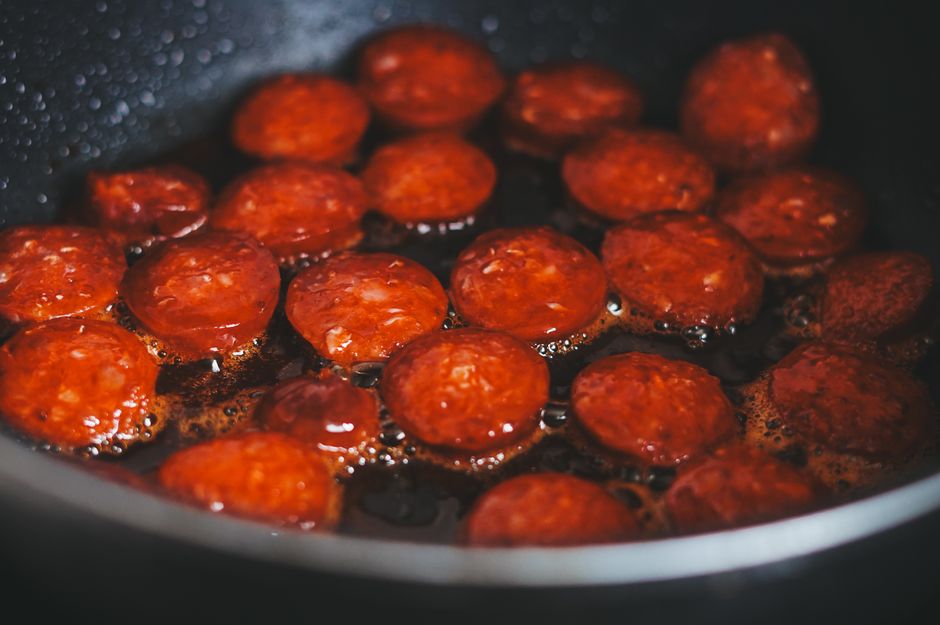
Meat, especially red meat, is often bursting at the seams with umami. The cooking process itself can intensify the umami experience—browning meat through techniques like searing or roasting creates extra flavor compounds through Maillard reactions. Here’s how to best prepare meat to maximize umami:
Fish also contains numerous umami compounds. Fatty fish like sardines and mackerel are not only rich in omega-3 fatty acids but also in glutamates.
Vegetables: An Overlooked Source
In the vegetable realm, umami-rich options can enhance dishes without an overwhelming focus on animal products.
Tomatoes, particularly when sun-dried or roasted, can produce heightened umami. Furthermore, sautéing older tomatoes or using concentrated tomato paste can bring that savory taste to the forefront.
Similarly, vegetables like asparagus, spinach, and broccoli also harbor umami components. Here are ways to incorporate these into your cooking:
The Magic of Dairy
Dairy products, particularly those that are aged or fermented, carry substantial umami qualities. Parmesan, for example, is loaded with glutamate and works as a fundamental ingredient to boost flavor in dishes.
To effectively use dairy for umami, consider the following:
By getting to know these umami-rich ingredients, home cooks can consciously layer flavors and create dishes that are not just delicious but profoundly satisfying.
Cooking Techniques That Enhance Umami
While ingredients play a crucial role in delivering umami, the technique matters just as much when it comes to maximizing flavor.
Searing and Roasting
One of the cornerstones of enhancing umami is through the method of browning—whether it be through searing meats on high heat or roasting vegetables.
Braising and Simmering
Braising is another effective technique to cultivate umami flavors. When tough cuts of meat are cooked slowly with liquid, they become tender while the flavors meld.
Fermentation and Aging
The art of fermentation should not be overlooked. Foods like sauerkraut, miso, and soy sauce derive their umami flavors from this ancient technique. Here are ways you can bring fermented ingredients into your cooking:
Layering Flavors
A common misconception is that only one ingredient can represent umami in a dish. Instead, layering is key. Combine different umami elements, such as:
Exploring these cooking techniques will allow you to unlock layers of flavor through umami, enriching the overall taste and experience of your dishes.
Recipes That Celebrate Umami
Equipped with a deeper understanding of umami, let’s translate this knowledge into real cooking. Below are a handful of recipes that not only highlight umami ingredients but also demonstrate various techniques to maximize that elusive fifth taste.
Savory Mushroom Risotto
This creamy risotto packs a punch of umami thanks to the mushrooms and parmesan cheese.
#### Ingredients:
#### Instructions:
Hearty Beef and Miso Stew
This stew incorporates umami-rich miso paste that deepens the flavor of the beef broth.
#### Ingredients:
#### Instructions:
Tomato and White Bean Soup
This nourishing soup showcases umami-rich tomatoes paired with the creaminess of white beans.
#### Ingredients:
#### Instructions:
Each recipe not only embodies umami but teaches practical application in the kitchen. As you can see, umami is not a singular concept but rather an intricate dance of flavors waiting to be explored through ingredients and techniques.
Beyond the Plate: Umami in Beverages and Snacks
Umami's impact doesn’t stop at main courses. It extends into snacks and beverages, ushering in a world of flavor that can elevate everyday experiences.
Umami in Snacks
Many snacks may already contain hidden umami that you aren’t aware of, such as:
Crafting Umami Beverages
As the culinary landscape evolves, beverages are beginning to incorporate umami’s savory profile.
By recognizing pairing potential beyond meals, home cooks can become more innovative thinkers—adding layers of complexity not only on the plate but in overall dining experiences.
Conclusion
Understanding umami has fundamentally transformed the culinary world, allowing cooks to enrich their dishes with a depth and complexity that was once elusive. As a home cook, mastering this flavor is less about following a strict recipe and more about exploring ingredients, experimenting with techniques, and trusting your palate. This journey leads to many delightful culinary adventures, where each meal can resonate on both a gustatory and emotional level.
As you continue your cooking endeavors, keep seeking ways to incorporate umami into your repertoire. With each of these insights and recipes, you are empowered not only to cook better but to create memorable dining experiences for yourself and those you hold dear. Embrace umami, and watch your dishes come to life. Happy cooking!
(Word count: 2,012 words)


Get the Next Recipe
Weekly recipes, techniques, and gear picks — straight to your inbox.
