Umami Unleashed: How to Cook with Fermented Ingredients for Maximum Flavor
Umami, the elusive fifth taste, has captivated culinary enthusiasts and chefs alike with its profound depth and complexity. Originating from the Japanese word for “savory,” umami is found in various foods, especially those that have undergone fermentation. This natural process transforms ordinary ingredients into bold flavor powerhouses, enriching dishes with layers of taste that elevate even the simplest recipes. Culinary professionals have long understood that incorporating fermented ingredients can dramatically change the flavor profile of a meal, allowing cooks to explore new dimensions of taste that excite the palate and enhance the dining experience.
In recent years, home cooks have embraced the nuances of umami and the use of fermented ingredients as essential tools in their culinary arsenal. From soy sauce and miso to kimchi and sauerkraut, these fermented foods not only boast robust flavors but also provide a range of health benefits. They contain probiotics that support gut health, vitamins, and minerals that nourish the body, making them a fantastic addition to any diet. The art of cooking, when paired with the science of fermentation, unlocks an array of possibilities that can make even the most basic meals remarkable.
In this post, we will explore the world of umami through fermented ingredients and provide insights on how to effectively incorporate them into your cooking. Whether you are a seasoned chef or an enthusiastic home cook, our journey will cover the basic principles of fermentation, highlight key ingredients, showcase cooking techniques, and offer delicious recipes that put umami at the center of your culinary creations. Prepare to unleash a world of flavor that goes beyond salt and seasoning, immersing your dishes in complexity and vibrancy.
What is Umami?
Understanding umami is foundational for anyone looking to enhance their cooking with fermented ingredients. Often referred to as a “savory” taste, umami is triggered by the presence of certain amino acids, primarily glutamate, along with aspartate and ribonucleotides. These compounds are abundant in fermented foods, where the fermentation process breaks down proteins into simpler forms that highlight this savory flavor.
The Science Behind Umami
Research led to the discovery of umami in the early 20th century by Japanese chemist Kikunae Ikeda, who identified glutamate as the key component responsible for this taste sensation. Since then, various fermented products have been linked to umami, making them essential in many world cuisines. Through fermentation, the breakdown of proteins into amino acids occurs, enhancing the flavors that interact with our taste receptors.
Some common sources of umami-rich ingredients include:
The Role of Fermentation in Cooking
Fermentation is not just a means to preserve food; it is a technique that elevates flavor, texture, and nutritional value. The process breaks down sugar and starches into acids, gasses, or alcohol, transforming the original ingredient into something entirely new and exciting. As the microorganisms carry out this conversion, they create a complex array of flavors and aromas that contribute to umami.
The benefits of incorporating fermented ingredients into your cooking go beyond enhanced flavor. They facilitate gut health by fostering the right balance of bacteria in the digestive system, improving nutrient absorption, and boosting your immune system. By understanding how to harness the power of these ingredients, you can elevate your cooking to healthier and more flavorful heights.
Key Fermented Ingredients to Enhance Flavor
The world of fermented ingredients is vast and filled with options that can elevate your culinary repertoire. While there are countless ingredients to explore, here are some key players that offer exceptional umami:
Soy Sauce
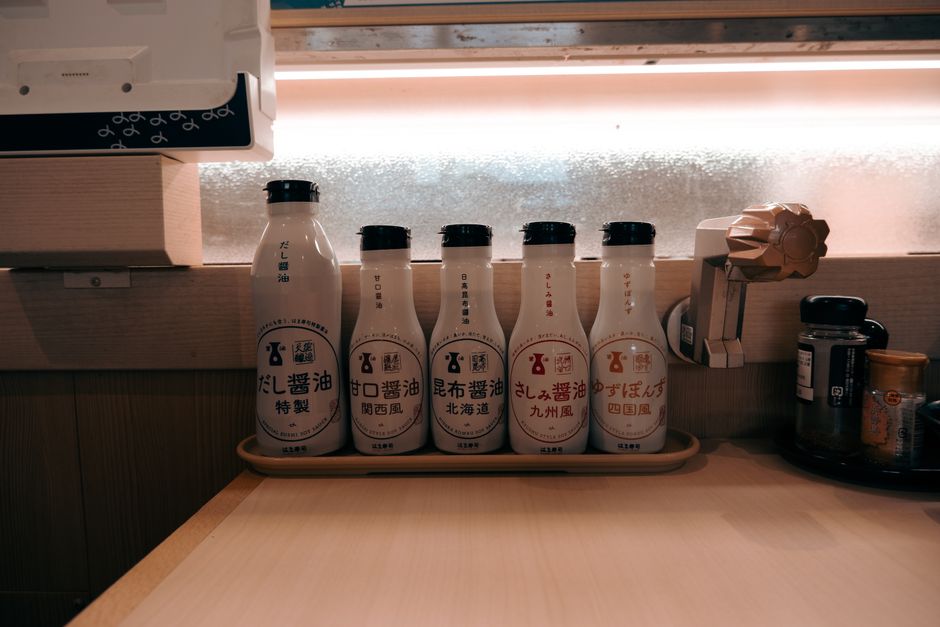
Soy Sauce is a quintessential fermented ingredient in many Asian cuisines, revered for its deep, rich flavors. It is made from fermented soybeans and wheat, undergoing a complex production process involving brewing, fermentation, and filtering.
Professional Chef Tip: Use a higher quality, naturally brewed soy sauce for better flavor, as mass-produced options often contain artificial additives.
How to use soy sauce:
Miso
Miso is another powerhouse in the realm of fermented ingredients. This thick paste, made from fermented soybeans, is rich in umami and available in various types, including white, yellow, and red miso, each with different flavor profiles.
Professional Chef Tip: If you are new to cooking with miso, start with lighter varieties and incorporate them gradually into sauces and dressings.
How to use miso:
Kimchi
Kimchi, a staple in Korean households, is a vibrant, spicy mixture of fermented vegetables, usually napa cabbage and radish, seasoned with chili, garlic, and ginger. Its bold flavor not only adds spiciness but also a wonderful depth of umami.
Professional Chef Tip: Look for authentic, fermented kimchi from local Asian markets for the best taste—homemade versions can be tailored to your preferred spice levels.
How to use kimchi:
Fish Sauce
Fish Sauce is often misunderstood, yet it is an essential component of many Southeast Asian dishes. This clear, brown liquid is made from fermented fish and salt, delivering a punch of umami that can greatly enhance a dish’s complexity.
Professional Chef Tip: Use fish sauce sparingly at first, as it can easily overpower a dish. Adding a few drops incrementally allows you to create a well-balanced flavor.
How to use fish sauce:
Cooking Techniques to Enhance Umami
Once you have a good grasp of the fermented ingredients rich in umami, the next step is to explore cooking techniques that will further enhance their flavor. The way we prepare and combine ingredients can significantly impact the overall taste of a dish.
Layering Flavors
One of the most effective techniques in cooking is layering flavors. It involves incorporating ingredients at different stages of the cooking process to build a complex, harmonious profile.
How to Layer:
For instance, in a stew, begin by sautéing onions and garlic, adding miso early to infuse the broth. Toward the end, a splash of soy sauce can brighten and enhance the overall taste.
Balancing Acidity
Fermented ingredients often bring acidity along with their umami elements. Achieving balance is key to avoiding a dish that feels one-dimensional or too sour.
Balancing Tips:
For example, when using fish sauce in a salad, include a sweet element like mango or add sesame oil to round out flavors.
Cooking Methods
Different cooking methods can also affect how fermented ingredients are perceived in a dish. Here are some common techniques that emphasize umami:
Using these methods effectively will enhance the umami profile of your dishes and lead to more complex flavors.
Recipes to Explore Umami
Now that we have discussed the principles and techniques behind umami and fermented ingredients, let’s put theory into practice with a few recipes that showcase the beauty of this fifth taste.
Miso Roasted Eggplant
This dish highlights the natural sweetness of eggplant paired with the rich umami of miso, delivering a delightful flavor explosion.
#### Ingredients:
#### Instructions:
Kimchi Fried Rice
This recipe utilizes leftover rice and packs a punch with the addition of kimchi, elevating a simple dish to something extraordinary.
#### Ingredients:
#### Instructions:
Soy-Glazed Chicken Thighs
This dish features succulent chicken thighs marinated in a flavorful soy glaze that caramelizes beautifully when grilled or baked.
#### Ingredients:
#### Instructions:
Elevating Everyday Dishes with Umami
Incorporating umami-rich fermented ingredients doesn't have to be daunting. With a few simple substitutions or additions, you can drastically improve your everyday meals.
Breakfast
Transform a basic breakfast by adding fermented elements. Consider:
Lunch
Elevate salads and sandwiches with umami:
Dinner
Add depth to classic dinner recipes:
Snacks
Don’t forget about snacks; they can benefit from umami as well:
Conclusion
Unlocking the world of umami through fermented ingredients is a rewarding journey for any home cook. With a richer understanding of the science behind umami and how to harness its power through various fermented ingredients, you can elevate your meals to new flavor heights. The techniques and recipes we've explored offer a gateway to crafting vibrant dishes that resonate with taste and excitement.
As you begin to experiment with these ingredients and techniques, remember that cooking is an art form that thrives on creativity and personalization. Don’t hesitate to adjust and adapt recipes to suit your taste preferences or incorporate local ingredients you have on hand. The joy of cooking lies not only in the end result but in the journey of experimentation and discovery.
So grab some soy sauce, miso, kimchi, or fish sauce, and start incorporating these flavor-packed ingredients into your everyday cooking. Elevate your dishes, impress your friends and family, and most importantly, enjoy the delicious journey that awaits you in the realm of umami.
Whether you are creating a simple breakfast or a complex dinner treat, umami unleashed will bring excitement back into your kitchen. With each dish, you create opportunities to explore flavors, enrich your culinary experiences, and foster lasting memories around the dinner table. Happy cooking!


Get the Next Recipe
Weekly recipes, techniques, and gear picks — straight to your inbox.
