Umami Unleashed: The Fifth Taste and How to Master It
This is not a topic for the faint of heart, nor for those who believe that a meal is simply a collection of sweet, sour, salty, and bitter components. We're delving into a realm that has captivated chefs and scientists alike, a taste sensation that, once understood, will irrevocably change the way you approach cooking. We're talking about umami, the elusive fifth taste, often described as savory, brothy, or meaty. It’s that deeply satisfying sensation that makes a perfectly grilled steak sing, a rich mushroom ragu comforting, and a simple bowl of ramen utterly addictive. For too long, this fundamental aspect of flavor has been overlooked in many home kitchens, relegated to the domain of professional chefs who instinctively understand its power. But fear not, for today, we embark on a journey to demystify umami and equip you with the knowledge to unleash its full potential in your own culinary creations.
Understanding umami isn't just about adding a pinch of something extra; it's about a fundamental shift in your flavor perception. It’s about recognizing the interplay of ingredients and how certain compounds can amplify and deepen the overall taste profile of a dish. Think of it as the bedrock upon which more complex flavors are built. Without a solid foundation of umami, your dishes might taste flat, lacking that certain je ne sais quoi that keeps you coming back for more. This fifth taste is particularly crucial because it contributes to the mouthfeel and lingering satisfaction of food, making it more than just a fleeting sensation. It's the reason why a dish can feel so incredibly complete and harmonious.
Our exploration will cover the science behind umami, the key ingredients that deliver this powerful taste, and the techniques you can employ to maximize its impact. We’ll explore how different cooking methods can transform ingredients, concentrating and developing their umami compounds. From the simple act of searing to the slow simmer of a stock, each step offers an opportunity to build layers of this desirable flavor. By the end of this post, you’ll not only understand what umami is, but you’ll also have a practical toolkit to harness its power, elevating your everyday cooking from ordinary to extraordinary. Prepare to awaken your palate and transform your kitchen into a umami-rich haven.
The Science of Savory: What Exactly IS Umami?
The discovery of umami is a fascinating tale that bridges the worlds of culinary art and scientific inquiry. It was in 1908 that Japanese chemist Professor Kikunae Ikeda first identified the unique taste sensation present in kombu (kelp) broth. Through meticulous research, he pinpointed glutamate, an amino acid, as the primary source of this deliciousness. But umami isn't solely about glutamate. Ikeda, along with his colleague Shintaro Kodama, later identified inosinate and guanylate, other flavor-enhancing compounds found in meat and mushrooms, respectively. These compounds work synergistically, meaning their combined effect is greater than the sum of their individual parts. When glutamate, inosinate, and guanylate are present together, our taste receptors are bombarded with savory signals, creating that profound sense of deliciousness. This is why, for example, a dish containing both soy sauce (rich in glutamate) and dashi (made with kombu and bonito flakes, rich in glutamate and inosinate) is so remarkably satisfying.
The actual mechanism of umami detection is quite distinct from the other four basic tastes. Our tongues have specific umami receptors, primarily located on the sides and back. When these receptors bind with glutamate or its nucleotide partners, they send signals to the brain, which we perceive as that distinct savory flavor. This taste is characterized by its ability to linger on the palate, providing a prolonged sense of satisfaction, and its capacity to round out and balance other flavors. It’s this lingering quality that makes umami so appealing; it’s not an immediate punch, but a slow, deep embrace of flavor. Unlike the sharp sting of acidity or the immediate sweetness, umami builds and evolves, creating a more complex and nuanced tasting experience. Understanding this biological basis helps us appreciate why certain foods are inherently more delicious and how we can intentionally cultivate that deliciousness.
"Umami is the taste of satisfaction, the flavor that makes us feel truly nourished and content."
The presence of umami signals to our brains that the food we are consuming is rich in protein and nutrients, which is an evolutionary advantage. It’s a primal cue that helps us identify nourishing and potentially beneficial food sources. This innate biological response explains why umami-rich foods are often perceived as deeply comforting and satisfying. It’s not just a taste; it's a primal signal of sustenance. Furthermore, umami can enhance the palatability of other tastes, making sweet things seem sweeter, salty things saltier, and sour things more balanced. It acts as a flavor enhancer in its own right, capable of transforming even the simplest ingredients into something truly remarkable. This ability to harmonize and amplify other tastes is what makes umami such a powerful tool in the home cook's arsenal.
Umami Powerhouses: Ingredients to Stock Your Pantry
Once we understand the science, the next logical step is to identify the ingredients that are naturally laden with these delightful umami compounds. Fortunately, many of these are staples in kitchens worldwide, and their inclusion can dramatically elevate your cooking. The most direct source of glutamate is found in aged cheeses like Parmesan-Reggiano, where the aging process breaks down proteins, releasing free glutamate. Similarly, cured meats, dried mushrooms (especially shiitake and porcini), and fermented products like soy sauce, miso, and fish sauce are brimming with glutamate. These ingredients are culinary goldmines for building savory depth. Don't shy away from their potent flavors; they are the building blocks of deliciousness.
The nucleotides, inosinate and guanylate, also play a crucial role. Inosinate is most abundant in meats and fish. Think of the rich flavor of a slow-cooked beef stew or the satisfying bite of a perfectly grilled salmon. These flavors are significantly amplified by the presence of inosinate. Guanylate, on the other hand, is predominantly found in dried mushrooms, particularly shiitake. This is why a stock made with dried shiitake mushrooms has such a profound depth of flavor compared to one made with fresh mushrooms alone. The drying process concentrates these umami compounds, making them even more potent. Combining ingredients rich in glutamate with those rich in nucleotides creates a synergistic effect, leading to an explosion of savory satisfaction on the palate.
Fermented Friends: Soy Sauce, Miso, and Fish Sauce
These fermented powerhouses are arguably the most accessible and versatile umami bombs in any kitchen. Soy sauce, a staple in East Asian cuisine, is created by fermenting soybeans with wheat, salt, and water. The longer the fermentation, the deeper and more complex the umami flavor. Consider the difference between a light soy sauce and a dark soy sauce; the dark variety has undergone a longer fermentation and often contains more molasses, leading to a richer, slightly sweeter, and more intense umami profile. Use it not just for marinades and stir-fries, but also in salad dressings, stews, and even to finish grilled meats for a savory boost.
Miso, a traditional Japanese paste made from fermented soybeans, rice, barley, or other grains, offers a range of flavors from sweet and mild (shiro miso) to rich and intensely savory (aka miso). Miso is incredibly versatile; it’s not just for soup! Whisk it into dressings, use it as a rub for roasted vegetables or pork, or incorporate it into a pan sauce for a deep, earthy umami punch. The fermentation process in miso also produces probiotics, making it a healthy addition to your diet. Experiment with different types of miso to discover your favorite flavor profiles.
Fish sauce, a Southeast Asian condiment made from fermented anchovies and salt, is another umami champion. While its aroma can be strong, its flavor is surprisingly complex and savory, adding a deep, salty, and umami-rich dimension to dishes without imparting a fishy taste if used judiciously. It’s a secret weapon in many cuisines, from Vietnamese pho to Thai curries and even some Western sauces. A few drops can transform a bland broth or a simple vinaigrette into something truly spectacular. Remember, a little goes a long way, so start with a small amount and add more as needed.
The Power of Dry: Dried Mushrooms and Tomatoes
The process of drying ingredients concentrates their flavor, and this is particularly true for umami-rich foods like mushrooms and tomatoes. Dried mushrooms, especially shiitake, porcini, and morels, are absolute umami powerhouses. Their flavor intensifies dramatically when dried, releasing a potent earthy, savory essence. To use them, rehydrate them in hot water for about 20-30 minutes. Crucially, do not discard the soaking liquid! This liquid is a treasure trove of umami and can be strained and added to stocks, sauces, gravies, risottos, and braises for an incredible depth of flavor. The dried mushrooms themselves can then be chopped and added to dishes, or their rehydrated skins can be simmered in liquids to further extract their savory goodness.
Similarly, sun-dried tomatoes, whether oil-packed or dry, offer a concentrated burst of sweet and savory flavor. The drying process evaporates water, intensifying the natural glutamates in the tomatoes. They add a wonderfully complex umami note to pasta sauces, pestos, salads, and roasted vegetables. The oil-packed varieties, in particular, are infused with the tomato's flavor, making the oil itself a delicious addition to dressings or for sautéing. When using dry-packed sun-dried tomatoes, rehydrating them in warm water or broth can soften them and release some of their intense flavor into the liquid.
Aged and Cured: Cheeses and Meats
The magic of aging and curing transforms ingredients, concentrating flavors and developing umami. Aged hard cheeses, particularly Parmesan-Reggiano, are quintessentially umami. The long aging process, often 12 to 36 months or even longer, breaks down the proteins in milk, releasing a significant amount of free glutamate. This is why a sprinkle of Parmesan can elevate almost any dish, from a simple pasta to a hearty soup or a crisp salad. The granular texture and nutty, savory notes are a direct result of this umami concentration. Don't just grate it; try adding a small piece of Parmesan rind to your simmering soups and sauces – it will infuse them with incredible depth and then can be removed before serving.
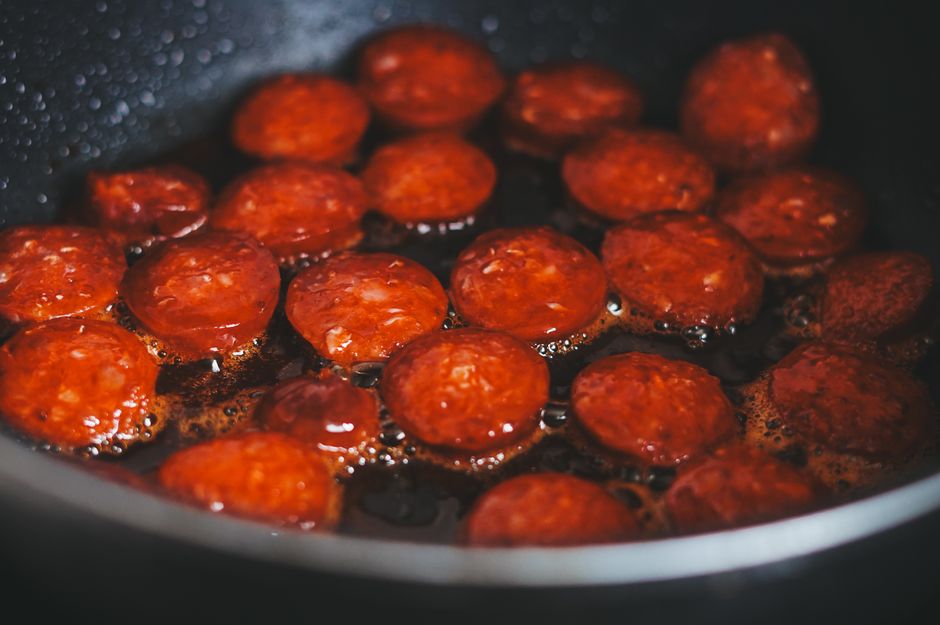
Cured meats like prosciutto, bacon, pancetta, and aged salami are also rich in umami. The curing process, often involving salt, nitrates, and time, draws out moisture and concentrates the natural flavors and proteins, including glutamates and inosinate. The smoky, salty, and savory notes are complex and deeply satisfying. Think of the rich umami of crispy pancetta in a carbonara or the salty, savory depth of prosciutto draped over melon. These ingredients not only add umami but also contribute a satisfying richness and texture to dishes.
Techniques for Umami Amplification: Cooking Methods That Deliver
Beyond the ingredients themselves, the way we cook them plays a pivotal role in unlocking and enhancing their umami potential. Certain cooking techniques are designed to concentrate flavors, break down proteins, and develop those complex savory notes that define umami. Understanding these methods will transform your approach to everyday cooking and allow you to build layers of flavor with intention. These aren't complicated culinary secrets; they are fundamental cooking processes that, when applied thoughtfully, yield remarkable results.
The Maillard Reaction: Browning is Your Friend
The Maillard reaction is a chemical process that occurs when amino acids and reducing sugars are heated, resulting in the browning of food and the creation of hundreds of new flavor compounds, many of which contribute to umami. This is the magic behind the delicious crust on seared steak, roasted chicken, and caramelized onions. To maximize the Maillard reaction, ensure your pan is hot enough and that you don't overcrowd it. Overcrowding lowers the pan temperature and causes food to steam rather than sear, hindering browning.
When searing meats, aim for a dry surface. Pat your meat thoroughly dry with paper towels before placing it in a hot, oiled pan. Allow the meat to develop a deep brown crust without moving it too much initially – this is crucial for achieving those flavorful browned bits, known as fond, at the bottom of the pan. This fond is a concentrated source of flavor and umami, perfect for deglazing and creating pan sauces. For vegetables like onions, garlic, and mushrooms, slow and steady cooking over medium-low heat, allowing them to brown gradually, will build incredible sweetness and savory depth. Don't rush this process; patience is rewarded with profoundly complex flavors.
"Don't be afraid of the brown bits. They are where the flavor lives."
Stocks and Broths: The Umami Foundation
A well-made stock or broth is the cornerstone of many delicious dishes, and its flavor is fundamentally rooted in umami. Stocks are made by simmering bones, meat, mirepoix (onions, carrots, celery), and aromatics in water for an extended period. This slow simmering process extracts collagen from bones (which breaks down into gelatin, contributing to mouthfeel and richness), proteins, and flavor compounds, including glutamates and nucleotides, from all the ingredients. The longer the simmer, the more flavor is extracted.
For meat stocks, using bones with plenty of marrow and cartilage is key. Roasting the bones and mirepoix before simmering intensifies the Maillard reaction, adding another layer of umami. For vegetable stocks, using aromatic vegetables like onions, leeks, celery, and incorporating umami-rich ingredients like dried mushrooms, tomato scraps, or kombu can create a surprisingly deep and satisfying broth. A basic chicken stock might simmer for 4-6 hours, while a beef stock can benefit from 8-12 hours or even longer. Always start with cold water; this allows impurities to dissolve and rise to the surface, where they can be skimmed off, resulting in a clearer, cleaner-tasting stock. Strain the stock thoroughly through a fine-mesh sieve, and ideally, a cheesecloth-lined sieve for ultimate clarity.
Fermentation and Aging: Nature's Umami Accelerators
As we touched upon with ingredients like soy sauce and aged cheese, fermentation and aging are natural processes that break down proteins and carbohydrates, concentrating and transforming flavors, significantly boosting umami. While you might not be making your own soy sauce at home, you can leverage pre-fermented and aged ingredients to your advantage. The key is to understand that time and microbial action are powerful flavor developers.
Consider the difference between fresh bread and a good sourdough. The sourdough starter, a living culture of yeast and bacteria, ferments the dough, developing a complex, tangy, and slightly savory flavor profile that fresh bread lacks. Similarly, aged balsamic vinegar undergoes a lengthy aging process in wooden barrels, concentrating its sugars and developing a rich, syrupy texture and an incredibly deep, complex umami flavor. Even simple processes like pickling or brining can enhance umami. The salt and acid in the brine interact with the food, drawing out moisture and developing a more intense, savory flavor.
Deglazing: Capturing the Pan's Essence
Deglazing is a fundamental technique for capturing the flavorful browned bits, or fond, left in the pan after searing meat or sautéing vegetables. This fond is a concentrated source of umami and deliciousness. After removing your main ingredients from the pan, return the pan to medium heat and pour in a liquid – such as wine, stock, water, or even a splash of vinegar. As the liquid hits the hot pan, scrape the bottom with a wooden spoon or spatula to loosen and dissolve all those browned bits.
This process not only captures flavor but also creates a base for sauces, gravies, and pan juices. The liquid emulsifies with the rendered fats and dissolved fond, creating a flavorful foundation. For an extra umami boost, consider deglazing with a little soy sauce, miso paste (dissolved in the liquid first), or a splash of Worcestershire sauce (itself an umami bomb). This simple step can transform a plain pan residue into a sauce that elevates your entire dish, adding a significant layer of savory depth and complexity that might otherwise be lost.
Umami in Action: Building Flavor Layer by Layer
Now that we understand the science and the ingredients, let's talk about how to actively build umami into your dishes. It's not about dumping a single umami-rich ingredient into a dish and expecting magic; it’s about thoughtfully combining ingredients and techniques to create a symphony of savory flavors. Think of it as layering building blocks, each contributing to the overall structural integrity and deliciousness of the final product. This is where the true art of cooking comes into play, moving beyond mere sustenance to create truly memorable culinary experiences.
Start with a solid foundation. A good stock is paramount. Whether it's a rich beef stock simmered for hours, a delicate chicken stock, or a robust vegetable stock boosted with dried mushrooms, this liquid forms the base of many soups, stews, sauces, and braises. If you’re short on time, a high-quality store-bought stock can be a good starting point, but consider doctoring it up by simmering it with a parmesan rind or a few dried shiitake mushrooms for an instant umami upgrade. This foundational umami will permeate the entire dish, creating a subtle yet pervasive savoriness.
The Art of Pairing: Synergistic Umami
The true magic of umami lies in its ability to create synergy. When ingredients rich in glutamate are paired with ingredients rich in inosinate or guanylate, the perceived umami intensity is amplified significantly. This is a fundamental principle used by chefs worldwide. For example, combining tomatoes (glutamate) with anchovies (inosinate) in a sauce creates a flavor that is far more complex and satisfying than either ingredient alone. Think of the classic combination of mushrooms (guanylate) and beef (inosinate) in a Stroganoff or a steak and mushroom pie.
Consider these synergistic pairings:
Tomatoes and Parmesan cheese:* A classic for a reason, the glutamate in both ingredients creates a powerful savory combination. This is why a simple marinara sauce benefits so much from a sprinkle of Parmesan.
Miso and Butter:* The salty, fermented funk of miso marries beautifully with the richness and slight sweetness of butter, creating an incredible spread or sauce base.
Soy sauce and Garlic:* Both contribute to savory depth, and when cooked together, they create an intensely flavorful aromatic base for stir-fries and marinades.
Kombu and Bonito Flakes (Dashi):* The quintessential Japanese broth, this pairing of glutamate-rich kombu and inosinate-rich bonito flakes is the ultimate example of umami synergy.
"Umami is a team player. It gets even better when it’s working with its friends."
Seasoning Strategies: Beyond Salt
While salt is essential for enhancing flavor and bringing out the natural deliciousness of food, it’s not the only tool in the umami arsenal. Relying solely on salt can lead to dishes that taste overtly salty rather than deeply savory. Think about using soy sauce, fish sauce, miso, or Worcestershire sauce to add saltiness and a significant umami punch simultaneously. This allows you to use less pure salt while achieving a more complex flavor profile.
When making a simple vinaigrette, instead of just salt and pepper, try whisking in a teaspoon of miso or a few drops of fish sauce. The effect will be transformative. When roasting vegetables, a sprinkle of grated Parmesan cheese towards the end of cooking can add a salty, savory finish. Even a pinch of MSG (monosodium glutamate), for those who are comfortable using it, is a pure form of umami that can be incredibly effective in small doses, especially in broths and soups, to amplify existing savory notes. The key is to taste and adjust as you go, understanding how these different umami-rich seasonings interact with your dish.
Slow Cooking and Braising: Time for Flavor to Develop
Slow cooking and braising are inherently umami-boosting techniques. The long, slow cooking times allow tough cuts of meat to break down, releasing collagen and gelatin, which contribute to both texture and a savory mouthfeel. Simultaneously, the low temperatures and moist environment allow the flavors of the ingredients to meld and deepen, concentrating the natural umami compounds.
When braising meats like beef or lamb shanks, the combination of browning the meat (Maillard reaction), using a flavorful braising liquid (stock, wine, aromatics), and the extended cooking time creates an incredibly rich and savory result. The collagen converts to gelatin, giving the braising liquid a luxurious, coating texture, and the slow breakdown of muscle fibers releases glutamates. Even simple dishes like slow-cooked beans or lentil stews benefit immensely from a long simmer, allowing the earthy flavors to develop and deepen.
Umami in Different Cuisines: A Global Perspective
Umami is not a singular discovery confined to one culture; it's a fundamental taste that manifests itself across the globe in diverse and delicious ways. Each culinary tradition has developed its own unique methods and ingredients for harnessing its power, offering a rich tapestry of savory delights. Exploring these global approaches can provide inspiration and new techniques to incorporate into your own cooking. From the fermented pastes of Asia to the aged cheeses of Europe and the slow-cooked stews of South America, umami is a universal language of flavor.
East Asian Masters: Dashi, Soy, and Fermentation
East Asian cuisines are arguably the most explicit in their understanding and utilization of umami. The Japanese concept of dashi, a simple broth made from kombu (kelp) and katsuobushi (dried bonito flakes), is a prime example of umami synergy. Kombu provides glutamate, while bonito flakes offer inosinate, creating a clean, deeply savory base that underpins countless Japanese dishes, from miso soup to noodle broths and sauces. The careful selection and combination of these ingredients are considered an art form.
Soy sauce, fermented from soybeans, is another cornerstone of East Asian umami. Its versatility extends far beyond dipping sauce; it's used in marinades, stir-fries, braises, and dressings, imparting its characteristic salty, savory depth. Miso, a fermented soybean paste, offers an even more complex range of flavors and textures, from the delicate sweetness of white miso to the robust intensity of red miso. The use of these fermented products is not just about adding saltiness; it's about building a profound, satisfying savory foundation.
European Traditions: Aging, Curing, and Stocks
European cuisines have long employed techniques that naturally develop umami, often without explicitly naming the fifth taste. The art of cheese-making, particularly the aging of hard cheeses like Parmesan-Reggiano, Gruyère, and aged Cheddar, creates potent sources of glutamate. These cheeses are not just toppings; their umami is integral to the flavor profile of dishes like gratins, pasta sauces, and risottos.
The tradition of curing meats, from Italian prosciutto and salami to Spanish jamón and French charcuterie, relies on salt and time to concentrate flavors and develop savory notes. Stocks and broths are also fundamental to European cooking. Whether it's a classic French mirepoix-based beef stock or a lighter chicken broth, these simmered liquids form the base of countless soups, stews, sauces, and braises, carrying a deep, satisfying umami flavor derived from bones, meat, and vegetables. Roasting bones and vegetables before simmering, as is common in French cuisine, further enhances this umami through the Maillard reaction.
Mediterranean and Middle Eastern Flavors: Tomatoes, Anchovies, and Preserves
Mediterranean and Middle Eastern cuisines offer a vibrant spectrum of umami-rich ingredients and preparations. The liberal use of tomatoes, especially when cooked down into sauces or concentrated into pastes, is a key source of glutamate. Their inherent sweetness and acidity are balanced by this savory depth. Think of the slow-cooked tomato sauces that form the base of so many Italian and Greek dishes.
Anchovies are another unsung hero of umami in these regions. While often perceived as intensely fishy, when used judiciously, they dissolve into sauces, soups, and dressings, imparting a profound savory depth without an overt fish flavor. They are a secret weapon in Caesar dressing, Puttanesca sauce, and many other classic preparations. Preserved lemons, a North African staple, offer a unique salty, tangy, and slightly fermented umami note that can brighten and deepen dishes. The slow cooking of stews and braises, often incorporating lamb, beef, or vegetables, also allows for the natural development and melding of umami flavors over time.
Umami Boosters: Quick Fixes for Deeper Flavor
Sometimes, you need a little something extra to elevate a dish from good to great, and that’s where umami boosters come in handy. These are concentrated sources of flavor that can be easily incorporated into your cooking to add that desirable savory depth. They are your secret weapons for those moments when you want to impress or simply make a weeknight meal feel more special. Think of them as flavor accelerators, designed to deliver a powerful umami punch with minimal effort.
Condiments and Sauces: The Umami Arsenal
Beyond the obvious staples like soy sauce and fish sauce, there's a whole world of umami-rich condiments and sauces waiting to be explored. Worcestershire sauce is a complex blend of vinegar, molasses, sugar, onion, garlic, anchovies, and spices, creating a powerhouse of savory flavor. A dash can enhance everything from chili and stews to Bloody Marys and marinades. Hoisin sauce, a thick, sweet, and savory Chinese barbecue sauce, offers a delightful combination of fermented soybean paste, garlic, vinegar, and spices. It’s fantastic for marinades, glazes, and stir-fries.
Oyster sauce, a staple in Cantonese cuisine, is made from oyster extract, soy sauce, and other seasonings. It provides a unique briny, savory flavor that is less salty than soy sauce but richer and more complex. It’s perfect for stir-fries, marinades, and as a finishing sauce. Even ketchup, when made with good quality tomatoes and balanced seasoning, contains a noticeable level of umami, thanks to the cooked tomatoes. For those who enjoy a bit of heat, sambal oelek or other chili pastes often have a fermented depth that adds a layer of umami alongside their spice.
Nutritional Yeast: The Vegan Umami Secret
For our vegan and vegetarian friends, or anyone looking to reduce their meat consumption without sacrificing flavor, nutritional yeast is an absolute revelation. This deactivated yeast has a distinct cheesy, nutty, and savory flavor profile that is remarkably umami-rich. It's a fantastic source of B vitamins and can be used in countless ways. Sprinkle it over popcorn for a cheesy, savory snack, whisk it into sauces and gravies for a cheesy, umami boost, or add it to vegan cheese sauces for a more authentic flavor. It’s a versatile ingredient that can mimic the savory depth of cheese and other umami-rich ingredients.
A Touch of Savory Finish: Anchovy Paste and Mushroom Powders
For those who are perhaps a little hesitant to use whole anchovies, anchovy paste is a convenient and potent umami booster. Sold in tubes, it’s easy to measure and incorporate into dishes. A small amount can add incredible depth to salad dressings, marinades, pasta sauces, or even spread on toast with butter. It dissolves beautifully, adding a savory complexity without a strong fishy taste.
Mushroom powders, made from finely ground dried mushrooms (especially shiitake and porcini), are another fantastic umami enhancer. You can buy them pre-made or easily make your own by grinding dried mushrooms in a spice grinder. A teaspoon or two stirred into soups, stews, sauces, or rubs will impart a deep, earthy, and profoundly savory flavor. They are a concentrated form of the umami found in the mushrooms themselves, offering a convenient way to add that rich, savory character.
Conclusion
We have journeyed deep into the world of umami, the fifth taste that has the power to transform our cooking. From understanding the scientific basis of glutamate, inosinate, and guanylate to identifying the powerhouse ingredients and mastering the techniques that amplify their flavor, you are now equipped to unleash this savory sensation in your own kitchen. Remember, umami is not just an ingredient; it's a principle. It's about building layers of flavor, understanding how ingredients interact, and appreciating the profound satisfaction that comes from a truly delicious, well-rounded dish.
Embrace the power of browning, the richness of slow-cooked stocks, the complexity of fermentation, and the synergistic magic of pairing ingredients. Don't be afraid to experiment with the umami boosters we’ve discussed – a dash of fish sauce here, a sprinkle of nutritional yeast there, or the subtle depth of a mushroom powder can make all the difference. The goal is to create food that is not only nourishing but also deeply satisfying and memorable. Your palate will thank you, and your guests will be asking for your secret. Happy cooking, and may your dishes always be rich with umami!


Get the Next Recipe
Weekly recipes, techniques, and gear picks — straight to your inbox.
