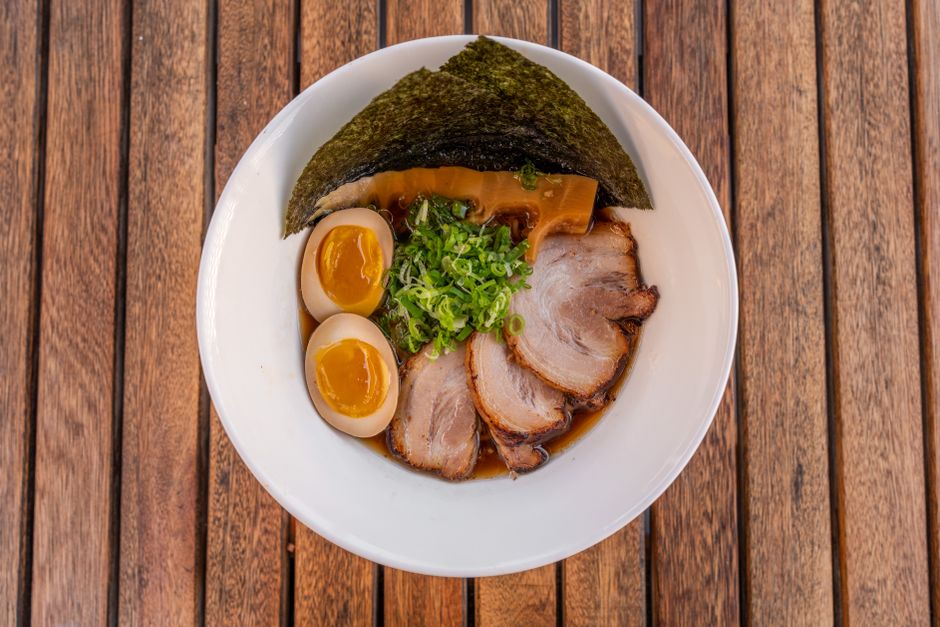
Umami Unleashed: The Fifth Taste and Why It Matters
In the world of culinary arts, flavors intertwine to create a vibrant canvas of tastes that can mesmerize the palate. Most of us are familiar with the foundational flavors: sweet, salty, sour, and bitter. However, there's a fifth player in this taste symphony, often overlooked yet profoundly influential—it’s known as umami. This Japanese term, which translates to "pleasant savory taste," adds depth and richness to dishes that can elevate even the simplest of ingredients into extraordinary culinary experiences. Understanding umami can completely transform your cooking and open up an array of possibilities for flavor enhancement.
Umami was formally identified as a distinct taste in the early 20th century by Dr. Kikunae Ikeda, who discovered that the flavor was largely due to the presence of glutamate, an amino acid found in various foods, including tomatoes, cheeses, and mushrooms. Since then, the acknowledgment of this taste has grown exponentially, leading chefs and home cooks alike to seek out ways to incorporate umami-rich ingredients into their dishes. Imagine biting into a perfectly aged cheese, experiencing the burst of flavor as it envelops your taste buds, or savoring the brothy richness of a well-prepared miso soup—both are prime examples of umami in action.
To harness the power of umami in your home cooking, it is essential to familiarize yourself with its sources and learn techniques that can amplify its presence in your meals. From balancing flavors to pairing ingredients, delving deep into the world of umami will enhance your understanding of taste and open the door to endless culinary creativity. Armed with this knowledge, you’ll be better equipped to create dishes that resonate with umami depth, making every meal an unforgettable experience.
Understanding Umami: The Science Behind the Taste
What Is Umami?
Umami is often described as a savory or meaty flavor that lingers on the palate, providing a sense of satisfaction that can be deeply fulfilling. But what exactly triggers this sensation? The essence of umami comes from specific amino acids—primarily glutamate, but also aspartate and ribonucleotides such as inosinate and guanylate. These compounds interact with specific taste receptors on our tongues, activating pathways that evoke a profound sense of flavor.
Across a variety of foods, umami can do wonders. When included in dishes, umami ingredients can enhance and elevate other flavors, reducing the need for excessive salt or fat. This makes umami not just a delightful taste, but also a health-conscious choice for many home cooks. Ingredients rich in umami also contribute to the fullness and satisfaction of a meal, playing a crucial role in the overall dining experience.
The Role of Umami in Cuisine
Umami is prevalent in diverse culinary traditions around the globe. In Japanese cuisine, foods like dashi—a fundamental broth made from kelp and bonito flakes—are hallmark examples of umami. Italian cuisine boasts the use of ripe tomatoes, Parmesan cheese, and mushrooms, all rich in glutamate, to create deeply satisfying sauces and dishes. Classic French cuisine employs the soffritto or mirepoix, a blend of aromatic vegetables often found in stocks, soups, and stews, which adds layers of umami richness.
In modern cooking, the awareness and incorporation of umami-rich ingredients have led to the food revolution of umami bombs, where bold flavors become central to the meal's identity. Cooks around the world are now experimenting with unique umami-rich products like fermented foods, miso paste, and even bacon to enrich their dishes.
“Umami is not just a flavor; it's a feeling that connects us to the heart of cooking—where science meets art.”
Incorporating Umami Into Your Cooking
Umami-Rich Ingredients
To elevate your cooking and embrace umami, it’s essential to gather a collection of umami-rich ingredients. Here is a list to consider:
When you pick your ingredients, consider both their inherent flavors and how they pair with other components of a dish. A well-balanced approach can yield a significant difference in flavor complexity.
Extracting Umami While Cooking
To maximize umami flavors, cooking techniques are just as essential as the ingredients themselves. Here are some methods to help you coax out those savory notes:
By understanding these techniques, you can make more informed decisions about how to build umami-rich dishes that resonate with depth and complexity.
“Cooking is about build-up, and umami is your best ally in creating rich, memorable flavors.”
Umami Pairing Guide: Finding Harmony in Flavors
Complementary Flavors
To harness the full potential of umami in your dishes, it’s crucial to understand how to combine it effectively with other tastes. Here are some complementary flavor pairings to consider:
Experimenting with Umami Pairings
When experimenting with flavors, don’t hesitate to get creative. Here are steps to help you develop your flavor combinations:
Tools of the Trade for Umami Enhancement
Essential Equipment
Equipping your kitchen with the right tools can significantly improve your umami infusions. Here’s a list of must-have items:
Techniques to Enhance Umami
Utilizing the right equipment also means mastering the techniques that amplify umami. Here are a few tips:
Umami and Health: A Balanced Approach
Nutritional Benefits of Umami Consumption
In recent years, home cooks have found that using umami can aid in reducing the reliance on excessive sugars and unhealthy fats while enhancing flavor. Here are some noteworthy benefits:
Building a Balanced Umami Plate
When creating dishes, aim for a balance between umami and other essential food groups. Here’s a step-by-step guide to developing a balanced umami meal:
Cooking with Seasonal Umami
Seasonal Ingredients for Umami
Cooking with seasonality not only ensures freshness but also enhances the umami richness of your meals. Here are seasonal umami-rich ingredients to keep an eye on:
Recipes for Seasonal Umami
Let’s explore how to utilize seasonal ingredients to create delicious meals brimming with umami.
#### Hearty Mushroom Risotto
Ingredients:
Instructions:
“Creativity in the kitchen means understanding the seasons and letting nature’s gifts guide your culinary exploration.”
Final Thoughts
Incorporating umami into your cooking is more than just a matter of adding ingredients; it's about embracing a philosophy that celebrates flavor and depth. Understanding the science behind umami empowers home cooks to create satisfying meals that resonate with a richness often reserved for restaurant fare. By experimenting with umami-rich ingredients, mastering techniques, and marrying flavors effectively, you can unlock a new world of culinary potential.
With these insights in mind, you can confidently step into your kitchen and begin to play with umami. This journey not only transforms your meals but can also reshape your understanding of flavor itself. So, don your apron, gather your ingredients, and prepare to elevate your cooking to a level that will have everyone at the table asking for seconds. Whether through a simple sauté or an elaborate dish, the magic of umami waits for you to embrace and share.
(Word Count: 2,045)


Get the Next Recipe
Weekly recipes, techniques, and gear picks — straight to your inbox.
