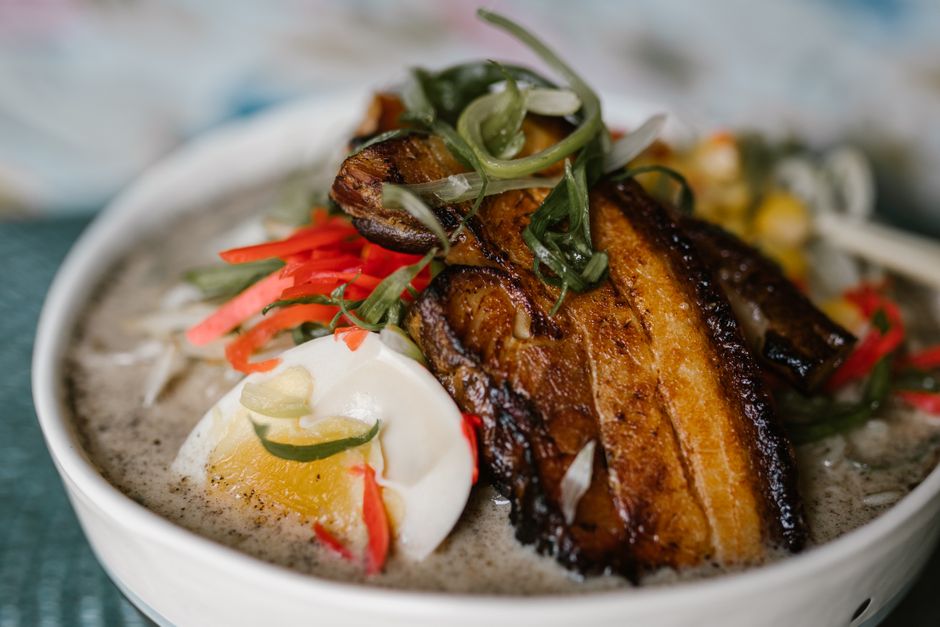
Umami Unleashed: The Fifth Taste Explained
Umami is a word that has gained traction in culinary discourse yet often eludes precise definition. For many home cooks, umami is characterized as the “fifth taste” alongside sweet, sour, salty, and bitter, but its complexities dive deeper than the label might suggest. Initially identified in Japan in the early 20th century, umami's implications stretch across the globe, influencing cuisines and cooking techniques in ways that enhance flavor profiles profoundly. Understanding umami can elevate your culinary creations from the ordinary to the extraordinary, imparting depth and satisfaction that keeps meal after meal from becoming mundane.
Despite its fascinating properties, umami is often misunderstood or overlooked in home cooking. Many cooks may rely on traditional seasoning strategies—like salt and sugar—without realizing how umami can create a more robust, satisfying taste experience. The appeal of umami is not just for the palate but also for emotional and psychological satisfaction. Meals rich in umami can be more comforting, evoking a sense of fullness and warmth that many find appealing. This blog post aims to demystify umami, equipping you with the knowledge to harness this remarkable taste in your cooking.
As you delve deeper into the science of umami, you will discover its origins, the compounds responsible for this flavor, and practical ways to incorporate it in your culinary projects. We will explore specific ingredients, cooking techniques, and even some recommended recipes that showcase umami’s potential. Whether you’re a novice in the kitchen or an experienced home chef, mastering umami can significantly enhance your cooking repertoire.
The Science of Umami: Understanding the Basics
Umami is derived from the Japanese word meaning "delicious" or "savory," and it refers to glutamate—a naturally occurring amino acid found in various foods. The concept of umami was first recognized by Kikunae Ikeda in 1908 when he sought to identify the unique flavor of kombu dashi, a seaweed broth commonly used in Japanese cuisine. Ikeda found that the key to this savory taste lay in the presence of glutamate. Since then, scientific research has expanded our understanding of umami, finding that it is not just about glutamate alone but also involves several other compounds.
The Role of Amino Acids
Amino acids play a significant role in creating umami flavors. Glutamate is the most well-known, but others, such as aspartate and ribonucleotide (inosinate and guanylate), also contribute to the overall umami sensation. These compounds enhance the taste of dishes, particularly in combination with one another, which is why umami is often found in protein-rich foods. The synergy of glutamate with these other components builds a more complex flavor profile, increasing the perception of savory in a dish.
Understanding the contributions of sodium, potassium, and calcium ions is also essential in crafting umami-rich foods. When these ions bind with glutamate, the resulting flavor profile is amplified. Understanding these mechanisms equips you with the knowledge to combine ingredients strategically, ensuring that your dishes are layered with flavor.
Flavor Combinations
An essential aspect of creating umami in your cooking lies in flavor combinations. Many foods rich in umami tend to harmonize well together, creating a wonderful synergy on the palate. Here are some classic umami-rich combinations:
By learning the principles of flavor pairing, you can create your own unique combinations that elevate your dishes.
Identifying Umami-Rich Ingredients
To harness umami effectively in your home cooking, it’s crucial to know your ingredients. A wide variety of foods contain umami compounds, and many fall into key categories:
Protein Sources
Protein-rich foods are generally the most significant sources of umami flavors. Here are some to keep in mind:
Vegetables
Interestingly, vegetables can also be rich in umami. Some noteworthy examples include:
Dairy Products
Dairy can serve as a fantastic vehicle for umami flavors, particularly with the following:
Condiments and Seasonings
To further amplify umami, consider including the following condiments in your cooking arsenal:
By incorporating these umami-rich ingredients into your cooking repertoire, you will have the tools to create more satisfying and delicious meals.
Techniques to Enhance Umami
Once you are familiar with the umami-rich ingredients, the next step is learning how to extract and enhance these flavors in the cooking process. There are various culinary techniques that can help you achieve maximum umami in your dishes.
Roasting and Grilling
The Maillard reaction, which occurs during roasting or grilling, contributes to the development of complex umami flavors. This reaction happens when the natural sugars and amino acids in food react to each other at higher temperatures, creating a rich and savory taste.
Tips for Optimal Roasting:
Slow Cooking
Slow cooking allows flavors to meld beautifully over time. Ingredients simmered together for long durations facilitate the release of umami compounds, deepening the overall flavor profile.
Steps for Slow-Cooked Dishes:
Fermentation
Fermentation can amplify natural umami flavors in various ingredients. This ancient technique transforms foods, enriching their flavors while also preserving them.
Common Fermented Ingredients:
Each of these can add complexity to your dishes, enhancing umami levels significantly. Consider using fermented foods as toppings, side dishes, or integral parts of sauces.
Global Cuisines Celebrating Umami
Around the world, many cultures have refined the art of cooking with umami in mind, leading to the development of some truly iconic dishes. Exploring these cuisines allows you to both appreciate umami's versatility and incorporate new flavors into your own cooking.
Japanese Cuisine
Japan is perhaps the most well-known country when it comes to umami appreciation. From the savory notes of miso and shiitake mushrooms to the simple yet profound flavors found in dashi, Japanese cuisine is rich with umami.
Italian Cuisine
Italian cooking uses umami in its myriad forms, particularly in sauces that leverage tomatoes, aged cheeses, and cured meats.
Chinese Cuisine
Chinese dishes frequently leverage umami-rich ingredients like soy sauce and fermented products to create deep, savory flavors.
Mexican Cuisine
Mexican cuisine employs umami through spices, aged cheeses, and chiles in various forms.
Practical Applications: Recipes Featuring Umami
Incorporating umami into your meals can be approached through specific recipes. The following are designed to help you explore umami, showcasing digestion-friendly options while enhancing taste.
Miso Glazed Eggplant
#### Ingredients
Instructions
Tomato and Mushroom Risotto
#### Ingredients
Instructions
Conclusion
Umami is more than just a flavor; it is an experience, a sensation that can transform everyday meals into something extraordinary. With an understanding of its origins, the science behind it, and practical culinary techniques, you are well on your way to mastering this compelling flavor. By incorporating umami-rich ingredients and adept cooking techniques, you can elevate your meals to new heights, unlocking layers of taste that will leave you and your guests craving more.
As you experiment with umami in your cooking, remember the significance of balance. The integration of sweet, sour, salty, and bitter elements alongside umami creates a harmonious dining experience. Embrace the versatility of umami and consider global influences as you expand your culinary toolbox.
So, whether you are perfecting a classic Japanese ramen, a rich Italian risotto, or a spicy Mexican mole, let umami lead the way to transformative flavors that engage the senses and warm the soul. Happy cooking!


Get the Next Recipe
Weekly recipes, techniques, and gear picks — straight to your inbox.
