Umami Unleashed: Understanding the Fifth Taste
Umami, the elusive fifth taste, has permeated kitchens and dining tables for centuries, yet it remains a source of intrigue and curiosity among food enthusiasts and home cooks alike. Known for its deep, savory complexity, umami adds an extraordinary layer of flavor that can transform a simple dish into an exceptional culinary experience. Unlike sweet, salty, sour, and bitter, which are easily identifiable, umami embodies a more nuanced flavor profile often described as meaty or brothy, stimulating a strong and almost addictive response on the palate. Understanding this unique taste is essential for anyone looking to elevate their cooking skills and engage their guests in a gourmet experience.
The concept of umami originated in Japan, where the term translates to "pleasant savory taste." In 1908, Dr. Kikunae Ikeda identified this fifth taste while conducting research on the flavor of kombu (a type of edible seaweed) used in traditional Japanese cuisine. He isolated the substance responsible for this savory taste, which he named monosodium glutamate (MSG). While MSG is often mentioned in discussions about flavor enhancement, umami's presence extends far beyond an isolated ingredient. Foods like ripe tomatoes, aged cheeses, and cured meats are just a few examples that showcase umami's rich tapestry woven into the culinary world.
As we delve into the science behind umami, it's essential to consider its various sources and the techniques that can harness this flavor for our benefit in the kitchen. By mastering the art of umami, cooks can create dishes that resonate with depth and complexity, appealing to the taste buds in a fulfilling way. Armed with this knowledge, you can start experimenting with umami-rich ingredients and techniques to elevate your cooking and impress your diners.
Understanding Umami: The Science Behind the Taste
Umami results from the presence of glutamate, an amino acid that naturally occurs in many foods. It is most notably found in protein-rich foods, fermented items, and certain vegetables. When we consume umami-rich foods, our taste buds react to the glutamate, signaling to our brain that we are experiencing something uniquely flavorful. This reaction not only enhances our enjoyment of food but also prompts our bodies to crave more — a principle ingeniously exploited by chefs worldwide.
The Role of Amino Acids
Amino acids are the building blocks of proteins, and glutamate is one of the most abundant amino acids in nature. It can form during the breakdown of proteins during cooking or fermentation, which makes the cooking process particularly crucial for flavor development. Foods high in glutamic acid include:
When it comes to cooking, using heat not only helps break down proteins into individual amino acids like glutamate but also facilitates the Maillard reaction, a complex reaction between sugars and amino acids that leads to browning and additional flavor development.
The Umami Experience
In gastronomic terms, the experience of umami is not isolated to just the flavor alone; it also encompasses texture and aroma. The creaminess of a well-aged cheese, the depth of a rich beef stock, and the linger of a flavorful mushroom sauce all contribute to the perception of umami as a multi-sensory experience. This interconnectedness enhances the overall satisfaction derived from a meal, leading to a comforting and indulgent feeling.
Professional Tip: To bring out the umami flavors in your dishes, don't shy away from using a mix of umami-rich ingredients. For example, combining dried mushrooms or porcini powder with a splash of soy sauce in your marinades or sauces can create a vibrant and complex flavor base.
Sources of Umami: Foods to Explore
Exploring the varied sources of umami is crucial to mastering this wonderful taste. Below, we delve into some of the most umami-rich ingredients that can ignite your culinary creativity.
Seafood
Seafood, particularly shellfish and certain fish, boasts a natural umami richness. For example:
When cooking seafood, the key is to respect its natural flavors while enhancing them with the right umami compounds to create a delightful dish. Using kombu to make a seafood stock can elevate the umami levels significantly.
Meats
Meat, especially when aged or cured, epitomizes umami. Here’s a brief look at some notable sources:
Cooking Technique: To maximize umami in meats, slow-cook or braise them to break down connective tissues and develop deeper flavors. For instance, a slow-braised beef short rib in a sauce enriched with red wine and bone broth is a perfect umami-packed dish.
Vegetables
Some vegetables may surprise you with their umami content, particularly when cooked properly:
Chef’s Insight: When using tomatoes, consider roasting them for a sweeter, concentrated flavor that enhances their natural umami. Drizzle with olive oil and roast at 375°F (190°C) for about 30 minutes.
Techniques to Enhance Umami
Now that we understand the sources of umami, let’s explore some culinary techniques that can help enhance this transformative flavor in your cooking.
Sautéing and Browning
The Maillard reaction, which occurs when foods are sautéed or roasted, significantly enhances the umami flavor. This reaction develops through the interaction of amino acids and reducing sugars when heat is applied, resulting in complex flavors and aromas.
By achieving a golden-brown crust on meats and vegetables, you’ll unlock deeper flavors and create enhanced umami profiles.
Slow Cooking and Braising
Slow cooking and braising are excellent methods for developing umami-rich dishes. These techniques allow for prolonged cooking, which breaks down the proteins and fibers in meats while integrating flavors from herbs, spices, and aromatics.
1. Start by searing the meat on all sides until browned.
2. Remove the meat and set it aside. In the same pot, add onions, garlic, and aromatics like herbs or spices; sauté until fragrant.
3. Deglaze the pan with a liquid (broth, wine, or vinegar) to lift the flavorful residues from the bottom.
4. Return the meat to the pot, cover it with additional liquid, and cook on low heat for several hours.
By the end of cooking, you will have a dish that is not only tender but also infused with umami.
Fermentation
Fermentation is a time-honored technique that builds on umami through enzymatic processes. Fermented foods become rich in glutamates, transforming simple ingredients into profound flavor enhancers.
Fermented Items to Try:
To experiment with fermentation at home, consider starting with a simple vegetable fermentation, such as pickles, which is easily manageable and rewarding.
Culinary Applications of Umami
With a solid grasp on the sources and techniques for harnessing umami, it’s time to explore how to apply this knowledge in the kitchen to create mouthwatering dishes that embrace umami.
Soups and Broths
A well-made broth is foundational to many cuisines and is one of the simplest ways to incorporate umami into your meals. Start with a base of bones, vegetables, and aromatic herbs. Here’s a guide:
- Bones: Use beef, chicken, or fish bones.
- Vegetables: Onions, carrots, and celery are classics.
- Aromatics: Garlic and herbs like thyme and bay leaves enhance flavor.
A well-crafted broth can be served as a warming soup or used as a base for risottos or sauces.
Sauces and Glazes
Creating sauces that celebrate umami can elevate any dish from simple to sophisticated. A classic umami-rich sauce can be made as follows:
Ingredients:
Steps:
This versatile sauce not only encapsulates umami but also adds a delicious glaze effect that tantalizes the taste buds.
Salads and Dressings
Don’t overlook the potential of umami in salads and dressings! By crafting dressings that incorporate umami-rich ingredients, you can transform a simple green salad into a delicious side or main course:
Umami-Rich Salad Dressing:
Ingredients:
Instructions:
Use this dressing to create depth and contrast in your salads — think mixed greens with roasted beets and goat cheese, perfectly balanced with your umami dressing.
Embracing Umami in Global Cuisines
Umami is embraced in cuisines around the world, each offering its unique interpretation of this beloved flavor. Let's explore how different cultures incorporate umami into their dishes.
Italian Cuisine
Italy is renowned for its emphasis on rich flavors, often achieved through umami-rich ingredients like aged cheeses and cured meats. Dishes like ragu alla Bolognese showcase the power of umami, combining ground meats, tomatoes, and a good splash of red wine.
Japanese Cuisine
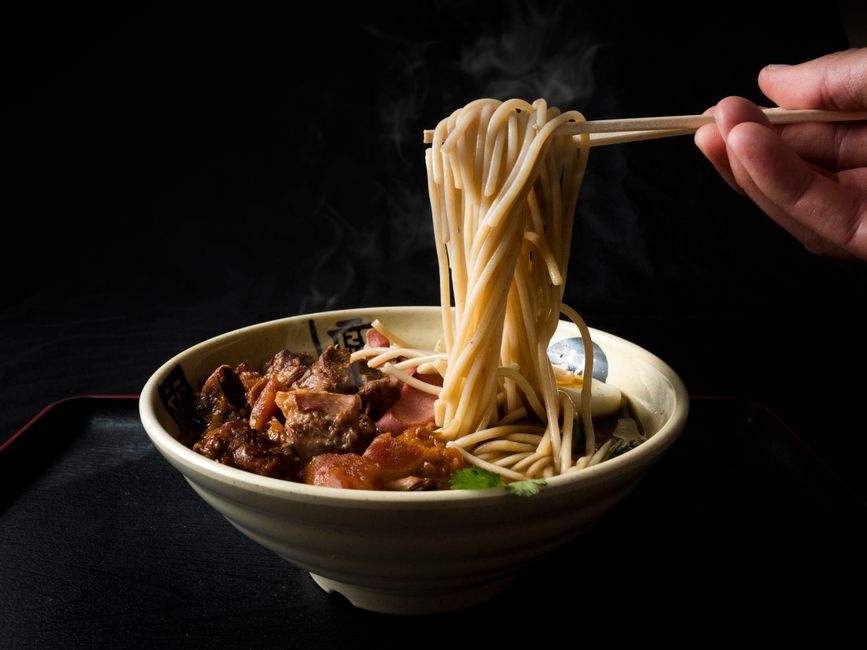
Umami is foundational in Japanese cuisine, woven into dishes like ramen and sushi. Ingredients such as kombu, miso, and various types of fish base the authentic representation of umami.
Chinese Cuisine
In Chinese cooking, umami is integral to the use of sauces and condiments, such as oyster sauce, fermented black beans, and hoisin sauce.
Enjoying Umami: Tips for the Home Cook
To make the most of umami in your culinary adventures, here are a few tips to integrate this flavor into everyday cooking:
By embracing these strategies, your meals will radiate umami richness, delighting your palate and those of your loved ones.
Conclusion
Incorporating umami into your cooking is not just a method; it is an exploration of flavor that can open new doors in the culinary realm. Combining your understanding of umami sources with effective cooking techniques allows you to transform ordinary meals into extraordinary culinary experiences. The beauty of umami is not only in its depth of flavor but also in its ability to connect with various cultural cuisines, enriching each dish with an unrivaled savoriness.
As you continue to experiment with umami-rich ingredients and techniques, remember that at the heart of every dish lies a story waiting to be told. Embrace this exciting fifth taste, and allow your dishes to captivate and satisfy like never before. Happy cooking!



Get the Next Recipe
Weekly recipes, techniques, and gear picks — straight to your inbox.
