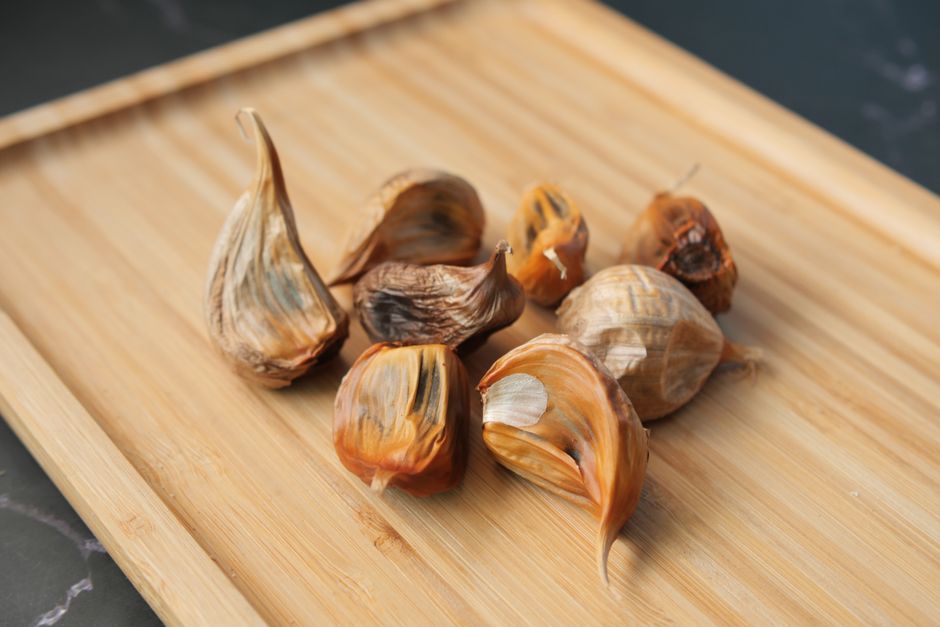
Umami Unlocked: Building Depth with Fermented and Aged Ingredients
Umami, often described as the "fifth taste," has garnered much attention in the culinary world for its profound ability to build depth and richness in savory dishes. Originally identified in early 20th-century Japan, umami has grown into a cornerstone of modern gastronomy. It’s the hidden layer of flavor that transforms ordinary dishes into extraordinary experiences, compelling chefs and home cooks alike to explore the profound impacts of fermented and aged ingredients. This is not merely about flavor; it also engages the senses in ways that simple ingredients cannot, arousing curiosity and inviting exploration into the world of savory cooking.
The secret to unlocking umami lies in the carefully crafted use of ingredients that offer natural glutamates, the compounds responsible for this elusive taste. Ingredients such as fermented soy sauce, miso, aged cheeses, and even ripe tomatoes hold an arsenal of flavor-enhancing potential. These components do not just layer flavors; they create a more complex tapestry that entices the palate and stimulates appetite. For home cooks seeking to elevate their meals, understanding the interplay of these ingredients within different cooking techniques is essential.
As you embark on this culinary journey, it's vital to remember that good cooking is as much about science as it is about art. The fermentation and aging processes encourage the development of richness and depth in flavors while also contributing various health benefits. Integrating these ingredients thoughtfully allows for a holistic approach to flavor that respects the ingredients' integrity while guiding you to craft something truly exceptional. In this blog post, we’ll explore how to harness the power of fermented and aged ingredients to deepen flavor and elevate your cooking game.
Understanding Umami: The Science Behind the Taste
At the heart of umami is the amino acid glutamate, a natural component of many proteins. When we consume foods containing glutamate, our taste buds identify them as savory or flavorful, contributing to a sensation different from sweetness, saltiness, sourness, and bitterness. Beyond glutamate, other compounds such as inosinate and guanylate also promote umami, making foods taste richer and more rounded. These compounds can be found in various ingredients, but particularly in meat and mushrooms, which means that umami is not the sole purview of fermented foods.
The Role of Amino Acids
To appreciate umami more structurally, it's crucial to recognize the role of amino acids. Fermentation can break down proteins into smaller peptides and amino acids, enhancing flavor complexity. For example:
The science of flavor stratification becomes clear when one contemplates how umami interacts with our other taste senses. Foods high in glutamate are often combined with those rich in inosinic acid and guanylic acid to amplify flavors. This is why mushrooms and meats can elevate a vegetarian dish that includes aged cheeses, creating an all-encompassing umami experience.
Umami and Health Benefits
Apart from culinary delights, umami also offers intriguing health benefits. Incorporating fermented and aged foods can improve digestion due to the presence of probiotics, enhance nutrient absorption, and contribute to overall gut health. They tend to be lower in calories than their unfermented counterparts while being rich in the flavor department, encouraging healthier eating patterns without sacrificing enjoyment.
"The world of umami is a culinary playground waiting to be explored; those who dive into its depths discover flavors they didn't know existed."
Fermented Ingredients: A Culinary Treasure Trove
Fermented ingredients serve as the backbone for enhancing umami in countless dishes. They are not just flavorful but can also offer health benefits like enhancing gut flora and aiding in digestion. The process of fermentation transforms food through the action of microorganisms, resulting in profound taste shifts. Let's explore some common fermented ingredients and how you can utilize them in your kitchen.
Soy Sauce: The Umami Staple
Soy sauce is one of the most versatile condiments available, beloved across culinary traditions from Asia to beyond. It is made through a fermentation process involving soybeans, wheat, salt, and a specific mold or bacteria that catalyze the break down of the proteins within the soybeans.
Miso: A Flavorful Paste
Miso is a Japanese fermented paste made primarily from soybeans, rice, or barley. The fermentation can last anywhere from a few weeks to several years, yielding pastes with varying flavor profiles.
Fermented Vegetables: Pickles and Sauerkraut
Fermented vegetables, from pickles to sauerkraut, pack a punch of umami, largely due to the lactic acid produced during fermentation. They not only enhance flavor but also add an appealing texture and tang.
Aged Ingredients: Unleashing Depth and Flavor
Aging ingredients allows for complex flavors to emerge over time. Certain foods develop a wealth of rich flavors as they age, making them exceptional for layering umami in your dishes.
Aged Cheeses: Flavor Intensification
Aged cheeses boast an umami profile that varies markedly based on the type of cheese and its aging time. Cheeses such as Parmesan, Gouda, and Pecorino contain concentrated flavors, thanks to the breakdown of proteins and fats over time.
Cured Meats: Umami Bombs
Cured meats, from prosciutto to salami, hold a significant amount of umami due to both the curing process and their inherent meat flavors. The dry aging of meats enhances their concentrated flavor profiles and saltiness.
Balsamic Vinegar: Aged and Sweet
Balsamic vinegar, particularly traditional balsamic from Modena, is aged in wooden casks, undergoing a complex transformation that boosts its richness and sweet acidity. It serves as a versatile ingredient that can enhance both savory and sweet dishes.
Cooking Techniques to Maximize Umami
The way you cook and combine these fermented and aged ingredients can significantly impact the overall umami experience in your dish. Technique and timing come into play to truly maximize flavor development.
Searing and Browning
Searing is a technique that introduces a layer of flavor through the Maillard reaction, which occurs when amino acids and sugars react under high heat. This browning process can enhance the umami in proteins and vegetables alike.
Slow Cooking and Braising
Slow cooking and braising meld the flavors of various ingredients over time, breaking down tougher cuts of meat while allowing flavors to intermingle. This method works beautifully with aged meats and fermented ingredients.
1. Sear your protein to lock in flavors.
2. Deglaze the pan with a splash of wine or vinegar.
3. Add your favorite vegetables, herbs, and broth.
4. Cover and cook on low for several hours until tender.
Fermenting at Home
Fermentation doesn’t need to be relegated to store-bought products; you can create your own fermented ingredients at home. This exposes you to a whole world of flavors while also customizing according to your taste.
1. Shred fresh cabbage and place it in a bowl.
2. Add 2% salt by weight (e.g., 2 tablespoons of salt for 5 pounds of cabbage).
3. Massage the salt into the cabbage until it begins to release its juices.
4. Pack tightly into a sterilized jar while submerging it in its own brine.
5. Seal and let it ferment at room temperature for 1-4 weeks, checking periodically.
Culinary Applications: Elevating Simple Dishes
Understanding how to implement these principles into your cooking can completely change the way you approach your meals. Let's consider a few examples that highlight these techniques.
Simple Soups and Stews
A well-crafted soup or stew can be a sumptuous canvas for umami flavors. Utilizing a base of fermented miso or adding aged cheese at the end can dramatically deepen your dish.
Salads Elevated with Aged Ingredients
Creating a salad with layers of umami can transform a simple dish into a resilient meal that delights the palate.
1. Start with a base of fresh greens.
2. Incorporate pickled vegetables (examples include sauerkraut, kimchi, or pickles).
3. Use aged cheeses for added richness.
4. Create a dressing focused on combining umami-rich ingredients: balsamic vinegar, miso, or soy sauce.
The Perfect Marinade
Marinating meats or tofu in fermented soy sauce or miso can lead to incredibly flavorful results. The acidic components and enzymes help tenderize while introducing a depth of umami flavor.
- ¼ cup soy sauce
- 2 tablespoons sesame oil
- 1 tablespoon honey or sugar
- 1 tablespoon minced garlic
- 1 teaspoon fresh ginger
Final Thoughts
As you navigate the culinary landscape of umami, understanding and integrating fermented and aged ingredients will take your cooking to new heights. From health benefits to unparalleled flavor complexity, these ingredients are not just enhancements but essential elements in building a satisfying dish. With careful attention to cooking techniques and ingredient combinations, you can unlock a world of savory deliciousness that captivates and nourishes.
So, roll up your sleeves, stock your pantry with a variety of fermented and aged ingredients, and experiment with the transformative power of umami. By doing so, you not only elevate your cooking but also embark on a fascinating exploration of flavor that connects you deeply to your food and its origins. Happy cooking!


Get the Next Recipe
Weekly recipes, techniques, and gear picks — straight to your inbox.
