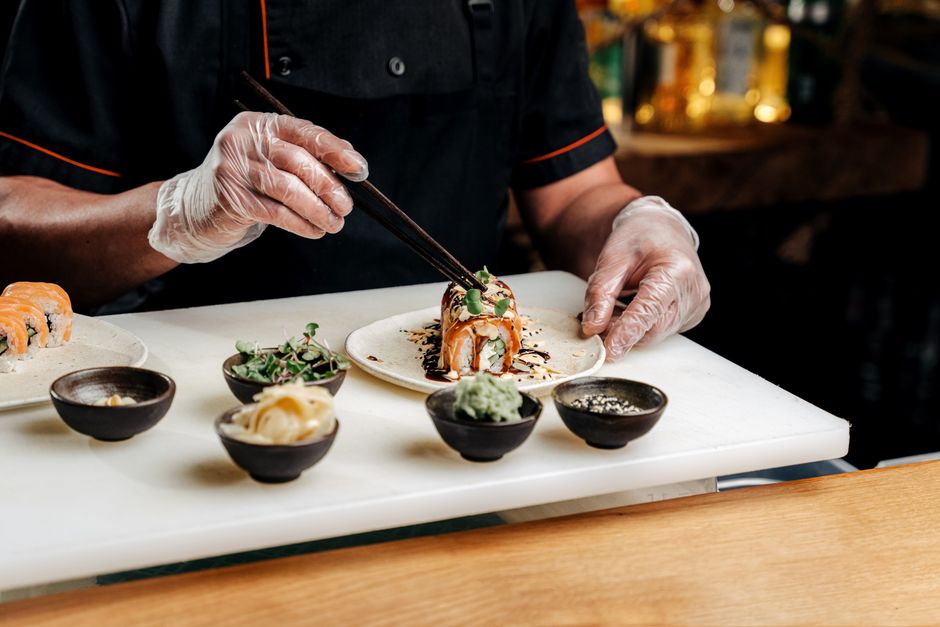
Umami Unlocked: How to Deepen Flavor in Every Dish with the Fifth Taste
Culinary enthusiasts often find themselves captivated by the intricate dance of flavors in the dishes they prepare. While saltiness, sweetness, bitterness, and sourness have long taken center stage in the flavor wheel, there is a fifth taste that quietly elevates dishes to gastronomic masterpieces: umami. This Japanese term translates to "pleasant savory taste," and it plays a critical role in rounding out the overall flavor profile of foods. For those looking to deepen the flavor of their dishes, understanding umami is not just a culinary trend but a foundational skill that can transform any meal into an extraordinary experience.
Umami is often described as a rich, mouth-filling deliciousness that enhances the natural flavors of food. Unlike other tastes, umami is often subtle and complex, making it a bit elusive for many home cooks to grasp fully. Recognizing umami in ingredients and learning how to incorporate it effectively into your cooking can revolutionize your approach to flavor. When you unlock umami, you not only enhance the dishes you prepare but also create a satisfying balance that resonates with all the other fundamental tastes. Hence, mastering this fifth taste is essential for anyone serious about elevating their culinary skills.
In this blog post, we will explore the depths of umami by examining its sources, understanding how to incorporate it into various dishes, and honing techniques to achieve that sought-after savory depth. We will delve into ingredients rich in umami, the science behind the taste, and practical tips for utilizing umami flavors in your cooking. Whether you are a novice or an experienced home chef, integrating umami can reshape your culinary creations and leave a lasting impression at the dining table.
Understanding Umami: The Science Behind the Savory
Umami is often referred to as a flavor that adds a sense of depth and fullness to food. It is linked to compounds like glutamate, ribonucleotides, and certain amino acids that contribute to this rich taste. The discovery of umami dates back to 1908 when Japanese chemist Kikunae Ikeda isolated glutamate as the source of the savory taste in dashi, a traditional Japanese broth. This discovery opened up a new world of flavor possibilities, leading to the greater appreciation of umami-rich ingredients.
The Role of Glutamate
At the heart of umami is glutamate, an amino acid that occurs naturally in many foods, especially those that are aged or fermented. Parmesan cheese, for instance, is not just flavorful; it is rich in glutamate, which is released as the cheese ages and intensifies in flavor. This enhancement leads to a deeper, more satisfying taste when cheese is incorporated into a dish. Similarly, ripe tomatoes and mushrooms demonstrate higher glutamate levels, making them key players in amplifying umami in various recipes.
Ribonucleotides: A Hidden Treasure
Beyond glutamate, foods often contain ribonucleotides, compounds that enhance umami flavor when combined with glutamate. For example, inosinic acid found in meats and guanylic acid found in mushrooms work to amplify other umami flavors when these ingredients are used together. This synergistic effect occurs in many culinary traditions, facilitating the creation of rich, flavorful stocks and sauces where umami’s depth shines through.
Identifying Umami-Rich Ingredients
As you familiarize yourself with umami, one of the most fulfilling aspects is identifying rich sources of this flavor. Here are some quintessential ingredients that pack a punch of umami:
By understanding these ingredients and their properties, home cooks can intentionally select components that contribute to the desired umami flavor.
Cooking Techniques to Enhance Umami
Once you’ve identified umami-rich ingredients, the next step is employing techniques that maximize their flavors within your dishes. Cooking methods such as caramelization, roasting, and fermentation each help unlock umami while building complexity into meals.
Caramelization: The Sweet Side of Savory
Caramelization is a process that adds a deeply complex flavor through the browning of sugars. While often associated with sweetness, caramelization produces nutty, savory notes that beautifully enhance umami-rich ingredients. When preparing vegetables like onions, carrots, or garlic, the sugars within them begin to brown when exposed to high heat. This process not only intensifies their flavor but also adds a layer of umami.
#### How to Caramelize Vegetables
As the vegetables caramelize, be ready to deglaze the pan with a splash of wine or broth to incorporate those delicious browned bits back into your dish.
Roasting: A Flavor Amplifier
Roasting intensifies the flavors of foods by drawing out moisture and concentrating natural sugars. When vegetables, meats, or even nuts are roasted, complex flavors emerge, and umami notes are enhanced.
#### Tips for Roasting
Try roasting tomatoes with a sprinkle of salt and a drizzle of olive oil until they become soft and caramelized. This method elevates the umami flavor in your sauce or dish significantly.
Fermentation: Adding Depth and Complexity
Fermentation is a remarkable way to enhance umami richness. While it may require patience, the rewards are noteworthy. Ingredients like miso, kimchi, and sauerkraut offer complex umami flavors due to the microorganisms at work during the fermentation process.
#### Fermenting Basics
Incorporating fermented ingredients not only introduces umami but also adds health benefits, enhancing gut health through probiotics.
Umami-Packed Recipes to Elevate Your Cooking
Now that you are armed with knowledge about umami and its culinary techniques, let’s explore some recipes designed to highlight these flavors effectively. Each of these dishes embraces umami as a core principle, ensuring rich and satisfying results.
Umami-Rich Mushroom Risotto
Risotto is a classic dish that allows for the full expression of umami through its creamy texture and earthiness.
#### Ingredients
#### Instructions
The earthy mushrooms paired with the creamy risotto deliver a profound umami experience.
Miso-Glazed Salmon
This simple yet stunning dish marries the deep flavors of miso with the richness of salmon, exemplifying umami in a delightful way.
#### Ingredients
#### Instructions
The combination of miso and any protein, especially fatty fish, elevates the umami to new heights.
Classic Beef Stroganoff
Beef Stroganoff is a comforting dish that thrives on umami, thanks to rich beef, mushrooms, and a luscious sauce.
#### Ingredients
#### Instructions
This dish is bursting with umami, showcasing the magic of beef combined with rich, umami-enhancing ingredients.
Umami Vegetable Soup
This hearty soup symbolizes the beauty of umami in a vegetarian format, perfect for cold nights or as an elegant starter for dinner.
#### Ingredients
#### Instructions
The simplicity of vegetable soup becomes a complex symphony of flavors with the right umami ingredients.
Mastering Umami: Dos and Don'ts
As you embark on your journey to harness umami, consider the following dos and don’ts to ensure you achieve the desired depth of flavor in your meals.
Do
Don't
By adhering to these guidelines, you’ll unlock the full potential of umami in your home cooking.
Conclusion
Developing a keen understanding of umami and how to incorporate it into your home cooking can significantly elevate your culinary creations. From the science behind the taste to effective cooking techniques, and a repertoire of umami-rich recipes, you now have the tools to transform even the simplest of dishes into something extraordinary.
As you experiment and grow more confident in your use of umami, you'll find that it harmonizes beautifully with all the other tastes—creating a balance that delights the palate. So embrace the challenge of deepening flavors and remember: when in doubt, blame the chef for bringing that extra umami to the table! Happy cooking! (Word count: 2,074)

Get the Next Recipe
Weekly recipes, techniques, and gear picks — straight to your inbox.
